Compare commits
1465 Commits
| Author | SHA1 | Date | |
|---|---|---|---|
 dependabot[bot] dependabot[bot]
|
3bfd5aef7c | ||
|
Jason
|
a377d79303 | ||
|
Jason
|
846fbdd1c0 | ||
|
Jason
|
3a9fb13a0b | ||
|
Jason
|
606e7bbe75 | ||
|
Jason
|
df1751a893 | ||
|
Jason
|
f3108bf754 | ||
|
Jason
|
b3f3aee3ee | ||
|
Jason
|
2bfca54801 | ||
|
Jason
|
107eade30e | ||
|
Jason
|
3537076af2 | ||
|
Jason
|
72efd64a3d | ||
|
Jason
|
f0b7b81c11 | ||
|
Jason
|
b660061b8a | ||
|
Jason
|
200aa14295 | ||
|
Jason
|
bc8001238a | ||
|
Jason
|
325ba48486 | ||
|
Jason
|
a8daf7daad | ||
|
Jason
|
f733def452 | ||
|
Jason
|
a5aa1fd82b | ||
|
Jason
|
6428e993a3 | ||
|
Jason
|
dbb5bd1537 | ||
|
Jason
|
8dcedbc062 | ||
|
Jason
|
eccb296afe | ||
|
Jason
|
eff1e0ccfc | ||
|
Jason
|
c9ac6efd69 | ||
|
Jason
|
df3e07edbb | ||
|
Jason
|
a10b569a53 | ||
|
Jason
|
eb105eae76 | ||
|
Jason
|
01fca69641 | ||
|
Jason
|
db44484726 | ||
|
Jason
|
cdf0ee3491 | ||
|
Jason
|
09101e2a2d | ||
|
Jason
|
e9317f476e | ||
|
Jason
|
615c99c62b | ||
|
Jason
|
a35209a6e7 | ||
|
Jason
|
c4795e98ff | ||
|
Jason
|
6fddcaa97c | ||
|
Jason
|
aa0e441d07 | ||
|
Jason
|
17b053ed94 | ||
|
Jason
|
e356fc6efc | ||
|
Jason
|
f20458229d | ||
|
Jason
|
2bfecead4f | ||
|
Jason
|
6274705848 | ||
|
Jason
|
22d2872c33 | ||
|
Jason
|
7f028632b5 | ||
|
Jason
|
3bc828aecc | ||
|
Komi
|
08710d51fc | ||
|
ka79376046
|
613fef70bc | ||
|
滅ü
|
997be22bfa | ||
|
Allen Xu
|
edea624a27 | ||
|
Thefool
|
1c0ee0c58a | ||
|
zayoka
|
f6e37ed994 | ||
|
Jason
|
1cc52c7e73 | ||
|
SaladDay
|
6d316c0bda | ||
|
Ryan2128
|
9ca1a41f58 | ||
|
Jason
|
c8b0d60c2d | ||
|
Jason
|
7e73a1ffb2 | ||
|
Jason
|
3d176b98cc | ||
|
Jason
|
c154d30b7a | ||
|
Jason
|
6eb217b242 | ||
|
Jason
|
ac52c851bf | ||
|
Jason
|
618723b42f | ||
|
Jason
|
af58740bcd | ||
|
Jason
|
99573d2242 | ||
|
Jason
|
940ddd332b | ||
|
Jason
|
31ee42854a | ||
|
Jason
|
5c39dfbfbe | ||
|
Jason
|
f15184edb0 | ||
|
Jason
|
f2c6d48e19 | ||
|
Jason
|
51d6c458ff | ||
|
Jason
|
13e7c1fcc4 | ||
|
Jason
|
b9263a8040 | ||
|
Jason
|
650905af2c | ||
|
Jason
|
a078b4b207 | ||
|
Jason
|
0e563b50c5 | ||
|
Jason
|
27ce0a519c | ||
|
Jason
|
f991726ff0 | ||
|
Jason
|
06039540ff | ||
|
Jason
|
442799879d | ||
|
Jason
|
7479d10db7 | ||
|
Jason
|
62e44c4838 | ||
|
Jason
|
a7b4dd9405 | ||
|
风少1227
|
c6197ae324 | ||
|
白喵喵喵喵
|
f39d463c44 | ||
|
Komi
|
ded0b63a8e | ||
|
v2v
|
6245caa6c5 | ||
|
Dawn
|
50270d5e42 | ||
|
Yeeyzy
|
99e11e0851 | ||
|
makoMakoGo
|
98ccde0050 | ||
|
zhanxin.xu
|
95c917b337 | ||
|
Salar
|
3538b39246 | ||
|
Jason
|
ba531ca222 | ||
|
Jason
|
88d5ffba44 | ||
|
Jason
|
94fc1cc064 | ||
|
Jason
|
11c173c730 | ||
|
Jason
|
1f36f0cfed | ||
|
Jason
|
6d2ee2472f | ||
|
Jason
|
473c2aaa9f | ||
|
Jason
|
93f56198da | ||
|
Jason
|
8b1ce764f1 | ||
|
Jason
|
fad5b4c094 | ||
|
Jason
|
bad3610d93 | ||
|
Allen Xu
|
e78aa8a7c3 | ||
|
Allen Xu
|
e191af4aa1 | ||
|
Jason
|
d271d60cf9 | ||
|
Jason
|
358bf1e2b7 | ||
|
Jason
|
2df2212ceb | ||
|
Jason
|
468c93d409 | ||
|
Jason
|
525346188b | ||
|
Jason
|
afabe80167 | ||
|
Jason
|
7fada72dd4 | ||
|
Jason
|
9f7642e29c | ||
|
Jason
|
22159430c6 | ||
|
Jason
|
754af2cc31 | ||
|
Jason
|
3ec83578f6 | ||
|
Jason
|
f05ed3dbac | ||
|
Jason
|
4f45601f9f | ||
|
Jason
|
4cf6f175a7 | ||
|
Jason
|
dbb5999d1e | ||
|
Jason
|
65a5464fcc | ||
|
Jason
|
6179c18805 | ||
|
Jason
|
8f018a2d45 | ||
|
秋澪Akimio
|
b3e5e32c89 | ||
|
makoMakoGo
|
e606adfae7 | ||
|
SaladDay
|
7a7d41c873 | ||
|
Butui Hu
|
ffc22ea714 | ||
|
Cheng Zi Feng
|
7a8b956253 | ||
|
makoMakoGo
|
0cda8d46c7 | ||
|
Jason
|
8d1b3306d0 | ||
|
Jason
|
6d84082d27 | ||
|
Jason
|
76b8620ffe | ||
|
Jason
|
9079935d72 | ||
|
Jason
|
a8657d229a | ||
|
Jason
|
cd9e025b5a | ||
|
Jason
|
778d5b9268 | ||
|
Jason
|
97512cabbd | ||
|
Jason
|
332a3c16a8 | ||
|
SaladDay
|
586fb46b10 | ||
|
Nothing
|
251b13e5d2 | ||
|
Arc
|
f21d6f7a42 | ||
|
ayxwi
|
ab3e628bad | ||
|
迷渡
|
8f484c54ce | ||
|
Bone
|
5546815441 | ||
|
Jason
|
01bf003783 | ||
|
Jason
|
e1e3dadf89 | ||
|
Jason
|
ba87e8f69d | ||
|
Jason
|
37f2e248dc | ||
|
Jason
|
6f8e12a1ac | ||
|
Jason
|
8fb6ebb6bd | ||
|
Jason
|
e54a342301 | ||
|
Jason
|
997bad94f0 | ||
|
Jason
|
d4feaa4e53 | ||
|
Jason
|
16f988bd1a | ||
|
Jason
|
36e0378e78 | ||
|
Jason
|
238cd5d7c9 | ||
|
Jason
|
3476707321 | ||
|
Jason
|
64a94ba3f7 | ||
|
Jason
|
d916b4e12d | ||
|
Jason
|
7f83feb222 | ||
|
Jason
|
562480870d | ||
|
Jason
|
85b38c1bed | ||
|
Jason
|
26f0d221c0 | ||
|
Jason
|
d380b410af | ||
|
Jason
|
15e712e779 | ||
|
thisTom
|
61d7ac01fb | ||
|
yyhhyyyyyy
|
d1f6c74be8 | ||
|
Jason
|
eb847642d0 | ||
|
Jason
|
e50fc0eb28 | ||
|
Jason
|
f9547da930 | ||
|
Jason
|
844bbcf8c4 | ||
|
Jason
|
16922917fb | ||
|
Jason
|
88f1a78e3a | ||
|
Jason
|
90bc37449c | ||
|
Jason
|
de386b297f | ||
|
Jason
|
e6d40d0a93 | ||
|
Jason
|
dd6a951c34 | ||
|
abing|web3.club
|
430ddf92bd | ||
|
Jason
|
8a91428b71 | ||
|
Jason
|
6180c4ba12 | ||
|
Jason
|
f8768c5885 | ||
|
Jason
|
7d74d2449a | ||
|
Jason
|
273cc48c57 | ||
|
Jason
|
f1328d89fc | ||
|
Jason
|
a4eb5f3778 | ||
|
Jason
|
213f55a6d2 | ||
|
Jason
|
fdf538e52d | ||
|
Jason
|
2e547c98b1 | ||
|
Chenx Dust
|
1a0e8c7a44 | ||
|
zhaoyuan
|
524b9d9825 | ||
|
Jianfeng Mei
|
6fd4e6f462 | ||
|
SaladDay
|
edeee25fae | ||
|
Tan Kimzeg
|
55abd1822c | ||
|
Arc
|
9171ad752c | ||
|
MoonDreamStars
|
2db3163cf2 | ||
|
Chen Yijun
|
169d58ac6f | ||
|
thisTom
|
2781d40e82 | ||
|
makoMakoGo
|
2d478876fa | ||
|
Jason
|
895d7af3eb | ||
|
Jason
|
92930461b7 | ||
|
Jason
|
c797b2a3fb | ||
|
Jason
|
c4630b5c26 | ||
|
Jason
|
a3b3a06f5e | ||
|
Jason
|
e648b7425e | ||
|
Jason
|
c26d867f79 | ||
|
Jason
|
26be9324dd | ||
|
Jason
|
142c8c1da7 | ||
|
PENG
|
6ec86cff46 | ||
|
Huei Feng
|
455556380b | ||
|
Arc
|
510aa250c5 | ||
|
Jason
|
d1b5df9a7b | ||
|
Jason
|
dfa03b746a | ||
|
Jason
|
3d30dc03e8 | ||
|
Jason
|
95495ad19e | ||
|
Jason
|
b724f5dde9 | ||
|
Jason
|
69341db284 | ||
|
Xinyu Kuo
|
0bb3b7515a | ||
|
Ruixe Wolf
|
81d6002ace | ||
|
Sean Wang
|
caa912e3a3 | ||
|
Zhou Kai
|
1042fb2a32 | ||
|
Xu Song
|
de0a149df5 | ||
|
chen-985211
|
36b557b2e6 | ||
|
Mask
|
3e38889ccc | ||
|
muleizh
|
12567b3229 | ||
|
Jason
|
c548e7fcba | ||
|
Jason
|
21e695f68a | ||
|
Jason
|
c678374c59 | ||
|
Jason
|
d307df92e9 | ||
|
Jason
|
5092fe51ce | ||
|
Jason
|
34001aaffc | ||
|
Jason
|
780acfa7de | ||
|
Jason
|
6bda3b0131 | ||
|
Jason
|
89ff2d58d1 | ||
|
Jason
|
9a3d6a4e84 | ||
|
Jason
|
fee354d09e | ||
|
Jason
|
a5903d8600 | ||
|
WangJiati
|
b7ad1c4bf8 | ||
|
thisTom
|
0c46efe1be | ||
|
Jason
|
11572b1337 | ||
|
Jason
|
3bb17434fb | ||
|
Jason
|
efbb52a3fc | ||
|
Jason
|
b37a9e8f60 | ||
|
Jason
|
1992d6be72 | ||
|
Jason
|
276b2572a3 | ||
|
Jason
|
cd8252c7d9 | ||
|
Jason
|
526bb60f5c | ||
|
Jason
|
4f8a79c273 | ||
|
Jason
|
6e519a7496 | ||
|
Jason
|
a95b22dd79 | ||
|
Jason
|
eab6bfd20c | ||
|
Jason
|
948d762792 | ||
|
Jason
|
4f355970e1 | ||
|
Jason
|
22ecd2d611 | ||
|
Jason
|
a75f479576 | ||
|
Jason
|
c701068f0c | ||
|
Jason
|
c7efa77ad9 | ||
|
codeasier
|
2d64d8c619 | ||
|
osscv
|
d70e3828fe | ||
|
Jason Young
|
7bb59fa5a6 | ||
|
Jason Young
|
4f3e85fcd1 | ||
|
thisTom
|
a3598fd976 | ||
|
Peng Steam
|
c1aa6c3917 | ||
|
Jason
|
daa5595f36 | ||
|
Jason
|
819c2e5dfe | ||
|
Jason
|
a6d718d0fc | ||
|
Jason
|
e776160912 | ||
|
Jason
|
596019505f | ||
|
Jason
|
8b925c2f2f | ||
|
RoromoriYuzu
|
25983f3420 | ||
|
RoromoriYuzu
|
ff706e9e96 | ||
|
Jason
|
e8b07cb2a5 | ||
|
Jason
|
feea81e5bb | ||
|
Jason
|
4282856683 | ||
|
Jason
|
65d6929993 | ||
|
Jason
|
1ca01bcd10 | ||
|
Jason
|
bc01f44514 | ||
|
Jason
|
3390fe7ea0 | ||
|
Jason
|
cb01593f7d | ||
|
Jason
|
36a103bbe4 | ||
|
Jason
|
05bc14e82b | ||
|
Jason
|
0396cd5491 | ||
|
Jason
|
f97347fe6e | ||
|
pa001024
|
9ea303b224 | ||
|
que3sui
|
4f911727d2 | ||
|
LaoYueHanNi
|
edc597ab23 | ||
|
oriengy
|
955ea26da9 | ||
|
Jason
|
5beb63e67d | ||
|
Jason
|
fa17194d84 | ||
|
Jason
|
f1118d370f | ||
|
cc10143
|
4f5250fc4d | ||
|
Jason
|
5c36ae066b | ||
|
Jason
|
f59fab6c24 | ||
|
Jason
|
6940a4b208 | ||
|
Jason
|
ea6123adf7 | ||
|
Jason
|
e96eab5278 | ||
|
Jason
|
2985ad2c14 | ||
|
Alexlangl
|
aa09c9cb62 | ||
|
CSberlin
|
27c41f7416 | ||
|
ayxwi
|
6716a4c408 | ||
|
c9
|
2626eeebe6 | ||
|
阿珏
|
ab6266f745 | ||
|
lucas
|
1392ef6238 | ||
|
Dearli666
|
3cd9a0dec5 | ||
|
Jason
|
8e0e9ac319 | ||
|
Jason
|
bda625a4f1 | ||
|
Jason
|
473f21971d | ||
|
Allen Xu
|
03a9296c1f | ||
|
阿南
|
8e7d167ace | ||
|
ZHLH
|
dadefdee77 | ||
|
Yongmao Luo
|
ad030da3b1 | ||
|
Yongmao Luo
|
8047f95416 | ||
|
@nothingness0db nothingness0db
|
0527002cca | ||
|
Keith Yu
|
2a24da517f | ||
|
oasis
|
ea95f39adf | ||
|
Jason
|
f5acef32fd | ||
|
Jason
|
084857ce25 | ||
|
Jason
|
6692343d1e | ||
|
Cherilyn Buren
|
33eafbad51 | ||
|
Cao Xin
|
c2337d6857 | ||
|
lzcndm
|
ce538265cb | ||
|
zhibisora
|
e458e77e30 | ||
|
makoMakoGo
|
ae90b53454 | ||
|
makoMakoGo
|
e891f5c876 | ||
|
Sleepwf
|
73073454cd | ||
|
step
|
7811383b59 | ||
|
Eter
|
c1dff06625 | ||
|
LaoYueHanNi
|
43ae1e5f2c | ||
|
Yeeyzy
|
b4f262c7bd | ||
|
makoMakoGo
|
693c3872f0 | ||
|
Jason
|
c67494bafc | ||
|
Jason
|
256b04999c | ||
|
Jason
|
25951d8132 | ||
|
Jason
|
d66030bee6 | ||
|
Jason
|
5968336364 | ||
|
Jason
|
b7499fc871 | ||
|
Jason
|
aeaa016cae | ||
|
Jason
|
2a131a5572 | ||
|
Jason
|
a04e72a267 | ||
|
Jason
|
ce993baefa | ||
|
Jason
|
d5328e5290 | ||
|
Jason
|
0fbba4267c | ||
|
oasis
|
8bf1660237 | ||
|
Siskon
|
afa09e127e | ||
|
Eunknight
|
0960fd7179 | ||
|
Zhiqi Yao
|
5ef72a2030 | ||
|
Haoyu Wang
|
e02a2763c2 | ||
|
Jason
|
c9cadd6e09 | ||
|
Jason
|
60a9b330e5 | ||
|
Jason
|
f4e2c28a2b | ||
|
Jason
|
0e6f2b395f | ||
|
Jason
|
41433cfab2 | ||
|
Jason
|
3f59ab3746 | ||
|
Jason
|
ee69c83687 | ||
|
Jason
|
2683af57cb | ||
|
Jason
|
8f83fa2063 | ||
|
Jason
|
47232cb05d | ||
|
Jason
|
fe3eb7e6a6 | ||
|
Jason
|
d905ed1609 | ||
|
Jason
|
94cc3d103a | ||
|
Jason
|
058c9fb8e5 | ||
|
Jason
|
85552cf40a | ||
|
Jason
|
3a15420770 | ||
|
Jason
|
2b6ede1431 | ||
|
Jason
|
0877b9e35d | ||
|
Q3yp
|
554e3b4875 | ||
|
lipeng
|
e605eba292 | ||
|
in30mn1a
|
bc1467db8d | ||
|
Jason
|
e71b90916b | ||
|
Jason
|
32b30e43c0 | ||
|
Jason
|
9ef141902e | ||
|
Jason
|
d7a34f4247 | ||
|
Jason
|
8302f1e36c | ||
|
Jason
|
4bb4e994af | ||
|
Jason
|
fc0433f2f4 | ||
|
Jason
|
3d6fb894b5 | ||
|
Jason
|
af60c7ed2c | ||
|
Jason
|
a2ac21d0a6 | ||
|
Jason
|
6b0dd3c4e9 | ||
|
Kairos Duan
|
3c3d417457 | ||
|
nanmen2
|
e9d84af500 | ||
|
Zihao Han
|
8e21b061cf | ||
|
zhizhuowq
|
9c2add9a09 | ||
|
Sphaela
|
864593bb09 | ||
|
滅ü
|
5fd3ec0d6a | ||
|
zcb
|
8cdaf90d8d | ||
|
MelorTang
|
05ba28016c | ||
|
zhangyapu1
|
707a5593e5 | ||
|
Martin Klein
|
48473a5ca3 | ||
|
Loocor
|
62928c62bc | ||
|
Jason
|
910ca3b40e | ||
|
Jason
|
d8a4292091 | ||
|
Jason
|
b15d9dfa11 | ||
|
Jason
|
177eef6682 | ||
|
Jason
|
95f2dd4126 | ||
|
Jason
|
88ba908bc4 | ||
|
Jason
|
5de0a0dc8d | ||
|
Jason
|
7cad61be27 | ||
|
Jason
|
3a77861dd9 | ||
|
Jason
|
671859748d | ||
|
Jason
|
c6fd2415c3 | ||
|
Jason
|
108dda1772 | ||
|
Jason
|
e25682d345 | ||
|
Jason
|
014c82d28b | ||
|
Jason
|
ce232a1452 | ||
|
Jason
|
ea604a1827 | ||
|
Jason
|
768c5f9f39 | ||
|
Jason
|
f8b4d67b21 | ||
|
Jason
|
820c4db1b0 | ||
|
Jason
|
d7ede24838 | ||
|
Jason
|
e3df86587d | ||
|
Jason
|
ee2d634d89 | ||
|
Jason
|
c12d20efd0 | ||
|
Jason
|
279b9eabde | ||
|
Jason
|
f9db9913a0 | ||
|
Jason
|
11edc96a15 | ||
|
Jason
|
44d9aabbf3 | ||
|
Jason
|
5048ed632d | ||
|
Jason
|
7410494645 | ||
|
Jason
|
b710c6549e | ||
|
Jason
|
184cbcdc47 | ||
|
Jason
|
04af87bc7b | ||
|
Jason
|
ead9e22b21 | ||
|
Jason
|
72bc912e0d | ||
|
Jason
|
955904f719 | ||
|
Jason
|
9d35709805 | ||
|
Jason
|
f2935a3db9 | ||
|
Jason
|
ad8bdf16ae | ||
|
Jason
|
b44f83f7c5 | ||
|
Jason
|
2a4651a21e | ||
|
Jason
|
9b9578206b | ||
|
Jason
|
791ced0034 | ||
|
Jason
|
90b7f25111 | ||
|
Jason
|
22fbe6f11a | ||
|
Jason
|
74acf1e387 | ||
|
狂飙
|
5315fa284b | ||
|
Jason
|
00b6cc6809 | ||
|
Jason
|
398f40dacb | ||
|
Jason
|
09f67c1b38 | ||
|
Jason
|
79d6486e16 | ||
|
Jason
|
1c82b8a3fa | ||
|
Jason
|
61e68d754c | ||
|
Jason
|
76b4c8b509 | ||
|
Jason
|
ddde7f13b3 | ||
|
mrzhao
|
c9efec294b | ||
|
Roger Deng
|
0977dcd1c1 | ||
|
Roger Deng
|
6e8ee094f1 | ||
|
luw2007
|
5ae9c2605d | ||
|
BlueOcean
|
0fb7fd12e5 | ||
|
Tiancrimson
|
5c79cf64a4 | ||
|
LaoYueHanNi
|
bbce75fcda | ||
|
iamryan
|
ed33990b9c | ||
|
Zylo
|
8786f44c5a | ||
|
Jason
|
4f0f103a8a | ||
|
Jason
|
c460a404dc | ||
|
Jason
|
6172bfd549 | ||
|
Jason
|
1232b49b74 | ||
|
Jason
|
3640a4e27d | ||
|
Jason
|
fed892d307 | ||
|
Jason
|
9e3f168903 | ||
|
Jason
|
9e6a7a0d81 | ||
|
Jason
|
4a631b28c7 | ||
|
Jason
|
ec8afd63ea | ||
|
Jason
|
9050442b65 | ||
|
Jason
|
d94eb6729b | ||
|
Jason
|
a0131c9a2b | ||
|
Jason
|
58cd5302ae | ||
|
Jason
|
3fd38b0a3d | ||
|
Jason
|
18ffddbfa5 | ||
|
Jason
|
d6bbbf72f0 | ||
|
Jason
|
df11df4d9c | ||
|
Jason
|
4eb5543d9f | ||
|
Jason
|
08cd5ab56e | ||
|
Jason
|
b642ef0633 | ||
|
Jason
|
940161fb0e | ||
|
Jason
|
0d09555503 | ||
|
Jason
|
cb45c22b63 | ||
|
Jason
|
8dabb9fab9 | ||
|
Jason
|
99304ffcfd | ||
|
Jason
|
543e057e20 | ||
|
Jason
|
73bc4eb65d | ||
|
Jason
|
f93b935d5f | ||
|
Jason
|
402570ce31 | ||
|
Jason
|
206125b4e3 | ||
|
Jason
|
85131d37d8 | ||
|
Jason
|
039784af73 | ||
|
Jason
|
3c35972548 | ||
|
Jason
|
5d3d9067af | ||
|
Jason
|
f2ae9823cb | ||
|
Jason
|
b06e0fa538 | ||
|
Jason
|
84aa87c3dd | ||
|
Jason
|
cb4ecd3951 | ||
|
Jason
|
c3d810a22b | ||
|
Jason
|
9a8f52021d | ||
|
Jason
|
c9a6afc0b7 | ||
|
Jason
|
58648a9c53 | ||
|
Jason
|
aa5e58d060 | ||
|
Jason
|
4b57f7e113 | ||
|
Jason
|
84bac6dce6 | ||
|
Jason
|
edf28b6422 | ||
|
Jason
|
c12364a940 | ||
|
Jason
|
60a3628360 | ||
|
Jason
|
ea4cdaad27 | ||
|
Jason
|
44d4ea81af | ||
|
Jason
|
270f49a4a6 | ||
|
Jason
|
6a3c2fe0ba | ||
|
Jason
|
953b7cdcf9 | ||
|
Jason
|
417ad8149d | ||
|
Jason
|
968c75bdbe | ||
|
Jason
|
ed41a7a7b9 | ||
|
Jason
|
7685ab7049 | ||
|
Jason
|
deeeca1920 | ||
|
Jason
|
2fc6753e42 | ||
|
Jason
|
4b384dfe55 | ||
|
Jason
|
00a789e7a3 | ||
|
Kwensiu
|
aec055a1d1 | ||
|
Jason
|
e45470cd91 | ||
|
Jason
|
50a873ca24 | ||
|
Jason
|
2ac5e053b4 | ||
|
Jason
|
a7dd7117e7 | ||
|
Jason
|
b016a17783 | ||
|
Jason
|
10c874afdc | ||
|
Jason
|
5bbd83f7ca | ||
|
Jason
|
292c117509 | ||
|
Jason
|
f526d01578 | ||
|
Jason
|
3cd74400dc | ||
|
Jason
|
950b7dd35f | ||
|
Jason
|
309f7609a5 | ||
|
Jason
|
1fa019026e | ||
|
Jason
|
21b9eb0430 | ||
|
Jason
|
2deee1097b | ||
|
Jason
|
34698723e3 | ||
|
Jason
|
83f4e1d0ad | ||
|
Jason
|
8b3ad9caf9 | ||
|
Jason
|
e15bfbfe7a | ||
|
Dhruv_S
|
b05be92aa1 | ||
|
bling-yshs
|
f5fbcd0493 | ||
|
Butui Hu
|
1d44b1ba41 | ||
|
Jason
|
ddc7b4567e | ||
|
Jason
|
8e59a634fd | ||
|
Jason
|
bc1f9341f4 | ||
|
Probe
|
72ab8a5cfd | ||
|
Yuxuan Sun
|
b61dad4b43 | ||
|
Jason
|
faa6021c6f | ||
|
Jason
|
79d6ede7ae | ||
|
dependabot[bot]
|
c2714774b9 | ||
|
dependabot[bot]
|
026b5dbcb5 | ||
|
dependabot[bot]
|
59f7105cbc | ||
|
dependabot[bot]
|
586450a372 | ||
|
Jason
|
7621b645d1 | ||
|
Jason
|
d75e4e7eb3 | ||
|
Jason
|
adc7ffefa4 | ||
|
Jason
|
bdc4c1e8b8 | ||
|
Jason
|
35bce24633 | ||
|
Jason
|
518d945eb8 | ||
|
BillSaul
|
7b667f7a44 | ||
|
xpfo
|
295dd9a944 | ||
|
makoMakoGo
|
064b339bab | ||
|
jimmy
|
db66348ff8 | ||
|
Coconut-Fish
|
7f0c7b11e5 | ||
|
涂瑜
|
fafc122d82 | ||
|
magucas
|
693c36a12a | ||
|
ayxwi
|
7965862e66 | ||
|
eclipsehx
|
1c69269405 | ||
|
Cao Xin
|
15497b0e41 | ||
|
Hulk
|
7c8720bd3f | ||
|
Chris Chen
|
8084bfafa8 | ||
|
tison
|
151af0ffa3 | ||
|
tison
|
608ee35ecd | ||
|
SaladDay
|
a1e6c3b65d | ||
|
Jason
|
eb304232b3 | ||
|
Jason
|
f061b777b7 | ||
|
Jason
|
2ee7cb4101 | ||
|
Jason
|
bcf8434c1f | ||
|
Jason
|
d2556be5b9 | ||
|
Jason
|
5b6339d78c | ||
|
codeasier
|
21e2d68d76 | ||
|
codeasier
|
6441bc5c01 | ||
|
tison
|
4536b95ac9 | ||
|
allen_xln
|
85f0be9e1d | ||
|
Jason
|
08e2b29b8a | ||
|
Jason
|
948fa87ae3 | ||
|
Jason
|
4833d24d83 | ||
|
Jason
|
221af57a49 | ||
|
Jason
|
b1f9ce4653 | ||
|
Jason
|
67dbfc0a8c | ||
|
Jason
|
fcd83ee30d | ||
|
Jason
|
c002688a84 | ||
|
Jason
|
4737158439 | ||
|
Jason
|
cdcc423122 | ||
|
涂瑜
|
dc04165f18 | ||
|
Coconut-Fish
|
010b163430 | ||
|
santugege
|
59735f976b | ||
|
Jesus Díaz Rivas
|
10e0772d8c | ||
|
lif
|
444c123ad0 | ||
|
nmsn
|
3ad7d0b1cc | ||
|
涂瑜
|
29e87487a1 | ||
|
Coconut-Fish
|
7bfe2609db | ||
|
tison
|
e7ff2ee47d | ||
|
xpfo
|
7ddf7ffd66 | ||
|
tison
|
1b3c53d235 | ||
|
Jason
|
c7ba3cf51d | ||
|
Jason
|
85295cf23f | ||
|
Jason
|
1f25411524 | ||
|
Jason
|
6495da03b7 | ||
|
Jason
|
95b21ff27e | ||
|
Jason
|
ae1fd2b662 | ||
|
Jason
|
f4a9021461 | ||
|
Jason
|
2274da0b8e | ||
|
Jason
|
7ac822d241 | ||
|
Jason
|
4dd11ab427 | ||
|
Jason
|
8e9452b7ec | ||
|
Jason
|
38709c94db | ||
|
Jason
|
db92f2b3b0 | ||
|
Jason
|
eb1cd17ab2 | ||
|
Jason
|
29a28d2a74 | ||
|
Jason
|
1227e29d8b | ||
|
Jason
|
0be75668cc | ||
|
Jason
|
111ddf8d73 | ||
|
Jason
|
08727528aa | ||
|
Jason
|
c8d91298c7 | ||
|
Jason
|
21a1518f9f | ||
|
Jason
|
a9461ad52f | ||
|
Jason
|
f57edfd697 | ||
|
Jason
|
abb305a82f | ||
|
Jason
|
3f4739365e | ||
|
Jason
|
e10a300c80 | ||
|
Jason
|
185ac2be9b | ||
|
Jason
|
b8a3534cb5 | ||
|
Jason
|
31fb998575 | ||
|
Jason
|
acc6d795e4 | ||
|
Jason
|
088b47b08a | ||
|
Jason
|
041f74db18 | ||
|
Jason
|
ce5c3e5c6a | ||
|
Jason
|
3255b17185 | ||
|
Jason
|
b4e29be8a0 | ||
|
Jason
|
8d6353699c | ||
|
Jason
|
828ec2ce07 | ||
|
Jason
|
5056978d80 | ||
|
Jason
|
497a543c1b | ||
|
Jason
|
f935bac633 | ||
|
Jason
|
63aa310576 | ||
|
Jason
|
615c430dd3 | ||
|
Jason
|
5d3cd7eb85 | ||
|
Jason
|
1684cb3233 | ||
|
Jason
|
83c3c3b494 | ||
|
Jason
|
50431b7ec9 | ||
|
Jason
|
8b65a31c7c | ||
|
Jason
|
d03e6f9951 | ||
|
Jason
|
0ca36b9d51 | ||
|
Jason
|
e8953c286f | ||
|
Jason
|
240969d8c7 | ||
|
Jason
|
a0b585992a | ||
|
Jason
|
576ff53a75 | ||
|
Jason
|
6d0e9f4c74 | ||
|
Jason
|
a2e9e1938b | ||
|
Jason
|
81af0a57f9 | ||
|
Jason
|
701e7d9581 | ||
|
Jason
|
e4c34b34e7 | ||
|
Jason
|
eab0a69d2c | ||
|
Jason
|
4e790ac059 | ||
|
chengww
|
c5b15dd25e | ||
|
zxZeng
|
cc77a040e2 | ||
|
hengm3467
|
1b345fbefb | ||
|
Li Yang
|
61bfc29d82 | ||
|
Suda202
|
2c9252dec5 | ||
|
Franklin
|
34349a2743 | ||
|
King
|
8ba92b5470 | ||
|
hotelbe
|
87635e7fc6 | ||
|
YaoguoHH
|
9871d3d1eb | ||
|
Coconut-Fish
|
1126c7459d | ||
|
Dex Miller
|
03a0f9661b | ||
|
Dex Miller
|
de23216e49 | ||
|
Jason Young
|
507bf038a9 | ||
|
Dex Miller
|
ef41e4da46 | ||
|
wwminger
|
78198e262b | ||
|
Jason
|
79eb773195 | ||
|
Jason
|
6092a87b40 | ||
|
Jason
|
689ca08409 | ||
|
Jason
|
8b851dc602 | ||
|
Jason
|
0383c13e66 | ||
|
Jason
|
7ae89e9106 | ||
|
Jason
|
04508801ef | ||
|
Jason
|
57343432da | ||
|
Jason
|
5e412d2c30 | ||
|
Jason
|
36f2d6cccb | ||
|
Jason
|
989c445828 | ||
|
Jason
|
7ec92c32a5 | ||
|
Jason
|
4a0b5c3dec | ||
|
Jason
|
449a171238 | ||
|
Jason
|
c60f204808 | ||
|
Jason
|
d13a8d7353 | ||
|
Jason
|
0739b60341 | ||
|
Jason
|
c01338ac33 | ||
|
Jason
|
8c94c23c3c | ||
|
Jason
|
d6fa611833 | ||
|
Jason
|
5c1b457520 | ||
|
Jason
|
3c8f9d1287 | ||
|
Jason
|
420f4c8c23 | ||
|
Jason
|
ed269cc20e | ||
|
Jason
|
8669b408e9 | ||
|
Jason
|
bb7c83c214 | ||
|
Jason
|
a514f27937 | ||
|
zerone0x
|
2937eb6766 | ||
|
Dex Miller
|
313a6e3f6c | ||
|
Dex Miller
|
5566be2b4b | ||
|
v2v
|
cfcf9452d0 | ||
|
Jason
|
df01755328 | ||
|
Jason
|
74b9f52d90 | ||
|
Jason
|
8838317087 | ||
|
Jason
|
4d570691e1 | ||
|
Jason
|
337224546c | ||
|
Jason
|
7d21663e6d | ||
|
Jason
|
926e69b8c9 | ||
|
Jason
|
a03ad4f47f | ||
|
Jason
|
c38bef517a | ||
|
Jason
|
7526a031a7 | ||
|
Jason
|
84bc98cf83 | ||
|
Jason
|
af679cda25 | ||
|
Jason
|
a83bd90fa9 | ||
|
Jason
|
794795cad4 | ||
|
Jason
|
eff85dc66d | ||
|
Dex Miller
|
3aef5217cb | ||
|
Dex Miller
|
e4b58c7206 | ||
|
Dex Miller
|
8c32610a7d | ||
|
Dex Miller
|
afdda27bd5 | ||
|
Max
|
7f1963ab49 | ||
|
Max
|
68df60bd4a | ||
|
Jason
|
489c7c75ea | ||
|
Jason
|
b85e449949 | ||
|
Jason
|
c4458cf280 | ||
|
Jason
|
cc1530f997 | ||
|
Jason
|
f9fb9085ac | ||
|
Jason
|
308314baac | ||
|
Jason
|
5ac6fb5315 | ||
|
Jason
|
a5a5207f74 | ||
|
Jason
|
accdacf94d | ||
|
Jason
|
97152c0f21 | ||
|
Jason
|
129b1b45b0 | ||
|
Jason
|
fa4297f4d3 | ||
|
Jason
|
ecb1fed5db | ||
|
Jason
|
521571c4ca | ||
|
Jason
|
bafe9e820d | ||
|
Jason
|
8669879ad0 | ||
|
Jason
|
a058ebeafc | ||
|
Jason
|
24bf3e810b | ||
|
Jason
|
5dbea70eb1 | ||
|
Jason
|
df5cb6d771 | ||
|
Jason
|
62fc1d9151 | ||
|
Jason
|
87b1792eba | ||
|
Jason
|
16ed738048 | ||
|
Jason
|
50cbb3be12 | ||
|
Jason
|
5a61f01cfc | ||
|
Jason
|
c02b8c58cb | ||
|
Jason
|
7b3cfc683a | ||
|
Jason
|
516fcdf6bf | ||
|
Jason
|
34c6696baa | ||
|
Jason
|
641c2fc2c7 | ||
|
Jason
|
64c068415e | ||
|
Jason
|
3a16462261 | ||
|
Jason
|
5288238694 | ||
|
Jason
|
d164191bd1 | ||
|
Jason
|
6a34253934 | ||
|
Jason
|
697d0dd6e1 | ||
|
Jason
|
d33d63e4df | ||
|
Jason
|
eb41e1052c | ||
|
Jason
|
687ffc237d | ||
|
Jason
|
c0bcd19d44 | ||
|
Jason
|
f5d7064d57 | ||
|
Jason
|
8ad1bb7924 | ||
|
Jason
|
2ea6a307fc | ||
|
Jason
|
46051317da | ||
|
Jason
|
154342ca00 | ||
|
Jason
|
2d581bce91 | ||
|
Jason
|
d51e774b20 | ||
|
Jason
|
33f5d56afd | ||
|
Jason
|
8cfce8abfc | ||
|
Jason
|
6d220b2528 | ||
|
Jason
|
b7e99014c9 | ||
|
Jason
|
e3179ad9e4 | ||
|
Jason
|
46488ecd93 | ||
|
Jason
|
9192b6f988 | ||
|
Jason
|
f1fb3351c1 | ||
|
Satoru
|
24555275bb | ||
|
Cod1ng
|
dc4524e960 | ||
|
Dex Miller
|
34f16886a2 | ||
|
Jason
|
602c5717b2 | ||
|
Jason
|
4685e5b597 | ||
|
Jason
|
ca6a187745 | ||
|
Jason
|
bfdac2a22a | ||
|
Jason
|
8d38f0ee4f | ||
|
Jason
|
159279bf44 | ||
|
Jason
|
2513687184 | ||
|
Jason
|
bcc14bd07d | ||
|
Jason
|
b31bf43e15 | ||
|
Jason
|
98230c3970 | ||
|
Jason
|
0200fe79ae | ||
|
Jason
|
b30f3c27ad | ||
|
Jason
|
d9c0e4c452 | ||
|
Jason
|
fe525891d4 | ||
|
Jason
|
84998aa217 | ||
|
Jason
|
f200feebe4 | ||
|
Jason
|
5017002938 | ||
|
Zhou Mengze
|
de49f6fbbe | ||
|
Jason Young
|
e4fe2763cd | ||
|
dependabot[bot]
|
3e1de466db | ||
|
dependabot[bot]
|
1abe474e75 | ||
|
dependabot[bot]
|
74d7e86b7a | ||
|
dependabot[bot]
|
b9297e42f5 | ||
|
dependabot[bot]
|
7de2db9ee8 | ||
|
Jason
|
1b4c3cbcaa | ||
|
Jason
|
2b9b5b0bc3 | ||
|
Jason
|
2af38a63b5 | ||
|
Jason
|
3388cba1dc | ||
|
Jason
|
8b44d9f54d | ||
|
Jason
|
8cdc07c860 | ||
|
Jason
|
9a44245b73 | ||
|
Jason
|
1b2885c335 | ||
|
Jason
|
447a1da7b2 | ||
|
Jason
|
bfe238f301 | ||
|
Jason
|
0c9a20ca68 | ||
|
Jason
|
fee8577032 | ||
|
Jason
|
bae369b0dc | ||
|
Jason
|
6e2baaefa6 | ||
|
Jason
|
0001438586 | ||
|
Jason
|
6e9e47ceb9 | ||
|
Bengbengbalabalabeng
|
14a3799f41 | ||
|
ifNil
|
2f5bf1cea9 | ||
|
Roy Li
|
ba0b57f014 | ||
|
Dex Miller
|
3553d05bf0 | ||
|
Bengbengbalabalabeng
|
72f3610ac0 | ||
|
Jason
|
854266e3c4 | ||
|
Jason
|
af8f907467 | ||
|
Dex Miller
|
6a083cdd1c | ||
|
Dex Miller
|
c68476d0ea | ||
|
Dex Miller
|
96a0a37331 | ||
|
Alexlangl
|
8e2ffbc845 | ||
|
Alexlangl
|
4f7ea76347 | ||
|
Dex Miller
|
67e074c0a7 | ||
|
ruokeqx
|
b1c7fe5563 | ||
|
makoMakoGo
|
210bff96c2 | ||
|
makoMakoGo
|
3b33e6921b | ||
|
Zhou Mengze
|
8d5f72757e | ||
|
Dex Miller
|
8cae7b7b73 | ||
|
tgbdhs
|
eaf83f4fbe | ||
|
Sky
|
90812e7f3a | ||
|
Jason
|
8c42ec48ef | ||
|
Jason
|
761038f0ea | ||
|
Jason
|
155a226e6a | ||
|
Jason
|
10be929f33 | ||
|
Jason
|
141010332b | ||
|
Jason
|
15989effb4 | ||
|
Jason
|
d4edf30747 | ||
|
Jason
|
44b6eacf87 | ||
|
Jason
|
0a301a497c | ||
|
TangZhiZzz
|
8aa6ec784b | ||
|
BlueOcean
|
bd3cfb7741 | ||
|
makoMakoGo
|
117dbf1386 | ||
|
Jianan
|
72f570b99e | ||
|
Jason
|
2296c41497 | ||
|
Jason
|
fe3f9b60de | ||
|
Jason
|
3e78fe8305 | ||
|
Jason
|
6f170305b8 | ||
|
Jason
|
552f7abee4 | ||
|
Jason
|
fd2b232f1c | ||
|
Jason
|
82c75de51c | ||
|
Zhou Mengze
|
8ccfbd36d6 | ||
|
Jason
|
36bbdc36f5 | ||
|
Jason
|
fc08a5d364 | ||
|
Jason
|
333c9f277b | ||
|
Jason
|
9336001746 | ||
|
Jason
|
04254d6ffe | ||
|
Jason
|
28afbea917 | ||
|
Jason
|
81897ac17e | ||
|
Jason
|
bb23ab918b | ||
|
Hemilt0n
|
f38facd430 | ||
|
Hexi
|
5c03de53f7 | ||
|
osehun
|
d8a7bc32db | ||
|
Jason
|
f1cad25777 | ||
|
Jason
|
9439153f05 | ||
|
Jason
|
7097a0d710 | ||
|
Dex Miller
|
f1d2c6045b | ||
|
funnytime
|
9e5a3b2dc9 | ||
|
King
|
2466873db3 | ||
|
李悠然
|
3c902b4599 | ||
|
Jason
|
1582d33705 | ||
|
Jason
|
305c0f2e08 | ||
|
Jason
|
8e1204b1ee | ||
|
Jason
|
3568c98f57 | ||
|
Jason
|
7ca33ff901 | ||
|
Jason
|
e561084f62 | ||
|
Jason
|
3dad255a2a | ||
|
Jason
|
51825dac20 | ||
|
Jason
|
ce985763f0 | ||
|
Jason
|
19dca7cd2b | ||
|
Jason
|
70632249a8 | ||
|
Jason
|
55210d90d2 | ||
|
Jason
|
239c6fb2d7 | ||
|
Jason
|
4ac7e28b10 | ||
|
Jason
|
47e956bb63 | ||
|
Jason
|
0bcbffb8a0 | ||
|
Jason
|
273a756869 | ||
|
Jason
|
c2b60623a6 | ||
|
Jason
|
f4ad17d314 | ||
|
Jason
|
236f96b583 | ||
|
Zhou Mengze
|
75b4ef2299 | ||
|
bigsong
|
fab9874b2c | ||
|
liuxxxu
|
84668e2307 | ||
|
wavever
|
b4033fdd29 | ||
|
hengm3467
|
471c0d9990 | ||
|
zuoliangyu
|
a9c36381fc | ||
|
Jason
|
5c32ec58be | ||
|
Jason
|
625dea9c62 | ||
|
Jason
|
333b82b4c4 | ||
|
Jason
|
92f62e884c | ||
|
Jason
|
44096b0e44 | ||
|
Jason
|
99ef870077 | ||
|
Jason
|
82438decf6 | ||
|
Jason
|
e5838e0a10 | ||
|
Jason
|
cc15d7b1e3 | ||
|
Jason
|
dd971246be | ||
|
Jason
|
55509286eb | ||
|
Jason
|
5014c2a744 | ||
|
Jason
|
9084e1ecc8 | ||
|
Jason
|
02669cfbac | ||
|
Jason
|
9092e97bc2 | ||
|
Jason
|
032a8203fd | ||
|
Jason
|
6d078e7f33 | ||
|
Jason
|
fc6f2af4c6 | ||
|
Jason
|
c54515742f | ||
|
Jason
|
7dbceeafe6 | ||
|
Jason
|
31bfecde39 | ||
|
Jason
|
41c3f845cb | ||
|
Jason
|
c0737f2cfe | ||
|
Jason
|
bf40b0138c | ||
|
Jason
|
3f711d6504 | ||
|
Jason
|
8c3f18a9bd | ||
|
Jason
|
e18db31752 | ||
|
Jason
|
c0fe0d6e07 | ||
|
Jason
|
7e6f803035 | ||
|
Jason
|
b4fdd5fc0d | ||
|
Jason
|
1573474e3a | ||
|
Jason
|
50a2bd29e6 | ||
|
Jason
|
11f70f676e | ||
|
Jason
|
a30e2096bb | ||
|
wugeer
|
fb8996d19c | ||
|
Fan
|
33d5f6985d | ||
|
Sube
|
95a74020e1 | ||
|
Bowen Han
|
078a81b867 | ||
|
Mr.XYS
|
a89f433dde | ||
|
Keith Yu
|
8217bfff50 | ||
|
Suki
|
27d21c23ac | ||
|
Tsukumi
|
0135abde1c | ||
|
Jason
|
3d33f299a8 | ||
|
Jason
|
083e48bf8c | ||
|
Jason
|
d35c2962b9 | ||
|
Jason
|
4e0f9d9552 | ||
|
Jason
|
7d4ffa9872 | ||
|
Jason
|
b3dda16b3a | ||
|
Jason
|
07568286fc | ||
|
Jason
|
377c736aad | ||
|
Jason
|
2dcec4178d | ||
|
Alex
|
b05234c6df | ||
|
YewFence
|
af68d4549b | ||
|
Jason
|
c772874dcb | ||
|
Jason
|
d5d7b3190d | ||
|
Jason
|
0c78b38295 | ||
|
Jason
|
bbed2a1fe1 | ||
|
Jason
|
ce9c23833a | ||
|
Jason
|
2eca90e43a | ||
|
Jason
|
4b0f14e2e6 | ||
|
Jason
|
83fe3402c2 | ||
|
Jason
|
c75311e14e | ||
|
Jason
|
35a4a15898 | ||
|
Jason
|
fd836ce70d | ||
|
Jason
|
d5e4e8d133 | ||
|
Jason
|
f8c1f1736e | ||
|
Jason
|
859f413756 | ||
|
Jason
|
b2b20dadd7 | ||
|
Jason
|
3bd0a7c02c | ||
|
Jason
|
ac23328119 | ||
|
Jason
|
0c4a8d0569 | ||
|
Jason
|
01cc766a05 | ||
|
Jason
|
3590df68b8 | ||
|
Jason
|
54876612b3 | ||
|
Jason
|
3348b39089 | ||
|
Jason
|
99e392518a | ||
|
Jason
|
201527c9d9 | ||
|
Jason
|
924f38ebe1 | ||
|
Jason
|
e7766d4d22 | ||
|
Jason
|
3e9815f5d2 | ||
|
Jason
|
082cb0327d | ||
|
Jason
|
55e21c3c19 | ||
|
Jason
|
3e2c8c12a5 | ||
|
Jason
|
90cb8db16b | ||
|
Jason
|
2b30819510 | ||
|
Jason
|
434392a669 | ||
|
Jason
|
24fa8a18ef | ||
|
Jason
|
87604b1809 | ||
|
Jason
|
47435bd647 | ||
|
Jason
|
73ca8340bb | ||
|
Jason
|
31712f076f | ||
|
Jason
|
a254304a00 | ||
|
Jason
|
e516f83c19 | ||
|
Jason
|
b98c3ddb29 | ||
|
Jason
|
bb3130cbe0 | ||
|
Keith Yu
|
8ea9638b9d | ||
|
Jason
|
e1e2bdef2a | ||
|
Jason
|
c380528a27 | ||
|
Jason
|
a8dbea1398 | ||
|
Jason
|
7138aca310 | ||
|
Jason Young
|
992dda5c5c | ||
|
Jason
|
1b20b7ff88 | ||
|
Jason
|
f8820aa22c | ||
|
Jason
|
3afec8a10f | ||
|
Jason
|
5ebc879f09 | ||
|
Jason
|
6b4ba64bbd | ||
|
Jason
|
5763b9094b | ||
|
Jason
|
ce92f37ef0 | ||
|
Jason
|
2e676e5f53 | ||
|
Jason
|
c3f29a62d1 | ||
|
Jason
|
165af5eec4 | ||
|
Jason
|
8b9c09d994 | ||
|
Jason
|
a8d391bd74 | ||
|
Jason
|
7d9b20721e | ||
|
Kelvin Chiu
|
d11df17b5d | ||
|
Jason
|
4c88174cb0 | ||
|
Jason
|
5a72888852 | ||
|
Jason
|
54f1bfb5d0 | ||
|
Jason
|
4efab15174 | ||
|
Jason
|
357d32c17e | ||
|
Jason
|
7532308519 | ||
|
Jason
|
4440a14082 | ||
|
Jason
|
d1bb4480db | ||
|
Jason
|
d04c279890 | ||
|
Jason
|
3125b5419c | ||
|
Jason
|
0fa6b33b5e | ||
|
Jason
|
1b71dc721c | ||
|
Jason
|
8e219b5eb1 | ||
|
Jason
|
51476953ae | ||
|
Jason
|
0f4ce74916 | ||
|
SaladDay
|
9514d08ef6 | ||
|
Jason
|
adaef3522d | ||
|
Jim Northrup
|
4c8334c6fd | ||
|
Jason
|
6caf843843 | ||
|
Jason
|
6c38a8fd24 | ||
|
Jason
|
977813f725 | ||
|
JIA-ss
|
11f1ef33e4 | ||
|
SaladDay
|
20f62bf4f8 | ||
|
Dex Miller
|
508aa6070c | ||
|
makoMako
|
7b20c17ea4 | ||
|
Jason
|
5a17a67b8b | ||
|
Jason
|
dca12b9f7d | ||
|
Jason
|
f974d203a8 | ||
|
Jason
|
44ba9468b5 | ||
|
Jason
|
5081206176 | ||
|
Jason
|
00b424628f | ||
|
Jason
|
bc87f9d9eb | ||
|
Jason
|
eccb95b83d | ||
|
Jason
|
2b1f0f0f7e | ||
|
Jason
|
9035784aa4 | ||
|
Jason
|
a61892e46a | ||
|
Jason
|
4f2812f472 | ||
|
Jason
|
705cc8a5af | ||
|
Jason
|
182015264c | ||
|
Jason
|
a33f8fe973 | ||
|
Jason
|
f1fbe324d1 | ||
|
Jason
|
26a2fc4fe0 | ||
|
Jason
|
02f9f2e3b8 | ||
|
Jason
|
c431a86064 | ||
|
Jason
|
46ab15f9f6 | ||
|
Jason
|
7b2cf66812 | ||
|
Jason
|
227f08e910 | ||
|
Jason
|
392344e1e9 | ||
|
Jason
|
3e58e65284 | ||
|
Jason
|
512f22e83a | ||
|
Jason
|
715e9e89c4 | ||
|
Jason
|
47f2c47a2f | ||
|
Jason
|
52db7941ea | ||
|
Jason
|
27bcfcb2b8 | ||
|
Jason
|
9bbb6c51ff | ||
|
Jason
|
5c62c47878 | ||
|
Jason
|
95391f19ac | ||
|
Jason
|
28b125b34f | ||
|
Jason
|
d56e0b0344 | ||
|
Jason
|
fedb08e846 | ||
|
Jason
|
545be56698 | ||
|
Jason
|
31ec5d73a6 | ||
|
Jason
|
6952360f70 | ||
|
Jason
|
e85878e95a | ||
|
Jason
|
433c86b2d3 | ||
|
Jason
|
63fafd6608 | ||
|
Jason
|
7f46a0b910 | ||
|
Dex Miller
|
9c34d04def | ||
|
clx
|
6098fa7536 | ||
|
Jason
|
721771bfe5 | ||
|
Jason
|
1ecc0fff30 | ||
|
Jason
|
b0a177725d | ||
|
ThendCN
|
2edee31638 | ||
|
Dex Miller
|
62fa5213bf | ||
|
Dex Miller
|
caba5f51ec | ||
|
Jason
|
e349012abc | ||
|
Jason
|
594e0d52f7 | ||
|
Jason
|
11404d4d96 | ||
|
Dex Miller
|
0fcb1b01e2 | ||
|
Dex Miller
|
ea20b0aec2 | ||
|
Dex Miller
|
ed47480fc7 | ||
|
makoMako
|
5502c74a79 | ||
|
myjustify
|
fa7c9514cc | ||
|
Dex Miller
|
d82027f107 | ||
|
Jason
|
ded9980fbf | ||
|
Jason
|
3d91c381d9 | ||
|
funnytime
|
b8538a6996 | ||
|
Dex Miller
|
87b80c66b2 | ||
|
Dex Miller
|
14fa749ca9 | ||
|
Dex Miller
|
95bc0e38df | ||
|
Jason
|
92785a8078 | ||
|
Jason
|
1d97570a94 | ||
|
Jason
|
d98183f3da | ||
|
Jason
|
68a0c304d8 | ||
|
Jason
|
60007ee4e8 | ||
|
funnytime
|
7bd29d721e | ||
|
funnytime
|
c153e7104e | ||
|
PeanutSplash
|
e65360e68a | ||
|
TinsFox
|
f0e8ba1d8f | ||
|
Jassy930
|
58153333ce | ||
|
stmoonar
|
d098ecad64 | ||
|
makoMako
|
809a1fcf84 | ||
|
Jason
|
e5fea048a1 | ||
|
Jason
|
b8bd1d30d9 | ||
|
Jason
|
4abf259a6d | ||
|
Jason
|
faa82a5b86 | ||
|
Jason
|
b5b45c2703 | ||
|
Jason
|
bd8a323600 | ||
|
Jason
|
151e43a808 | ||
|
Jason
|
9d2bf08fe0 | ||
|
Jason
|
05c21e016f | ||
|
Jason
|
57713dd336 | ||
|
Jason
|
1ed122a8bd | ||
|
Jason
|
78e341ccb9 | ||
|
Jason
|
162800e18e | ||
|
Jason
|
065d5db843 | ||
|
Jason
|
70a18c1141 | ||
|
Jason
|
964767ebaf | ||
|
Jason
|
0c25687e09 | ||
|
Jason
|
81b975c47c | ||
|
n1n.ai
|
e44423c307 | ||
|
Jason
|
08d9bb4cab | ||
|
Jason
|
987fc46e06 | ||
|
Jason
|
e3d335be2d | ||
|
Andrew Leng
|
0dd823ae3a | ||
|
方程
|
164635f638 | ||
|
makoMako
|
fcb5163710 | ||
|
Jason
|
3095bf8e5c | ||
|
Jason
|
a48502235c | ||
|
Jason
|
c74f801d66 | ||
|
Dex Miller
|
785e1b5add | ||
|
Jason
|
c00f431d67 | ||
|
Jason
|
29a0643d74 | ||
|
Jason
|
5e92111771 | ||
|
Jason
|
beebd9847f | ||
|
Xyfer
|
d99a3c2fee | ||
|
funnytime
|
a0ca8c2517 | ||
|
Dex Miller
|
3434dcb87c | ||
|
Jason
|
1c6689a0bc | ||
|
Jason
|
9404341f14 | ||
|
Jason
|
53dd0a90f3 | ||
|
Jason
|
779fefd86d | ||
|
Jason
|
096c1d57c4 | ||
|
Jason
|
adb868d0cf | ||
|
Jason
|
a6ad896db0 | ||
|
Jason
|
d6cf4390ac | ||
|
Jason
|
0ef670325b | ||
|
Jason
|
07fc6b175e | ||
|
Jason
|
79d3ecc1b8 | ||
|
Jason
|
9c249d9486 | ||
|
Jason
|
15f60e8ce2 | ||
|
Jason
|
3d733a3b80 | ||
|
Jason
|
cfb113ac8d | ||
|
Jason
|
62a4ab2ad3 | ||
|
Jason
|
aa0f191420 | ||
|
Jason
|
b8305f281b | ||
|
Jason
|
b3af191fab | ||
|
Jason
|
e6b6bc18a9 | ||
|
Jason
|
b1f7ff4768 | ||
|
Jason
|
09d8c27972 | ||
|
Jason
|
9736861ace | ||
|
Jason
|
fef750bb4c | ||
|
Jason
|
3677bb61f5 | ||
|
Jason
|
2d17bde790 | ||
|
Jason
|
dc865fbbbf | ||
|
Jason
|
a187380d6f | ||
|
Jason
|
b993b1f664 | ||
|
Jason
|
00168877d9 | ||
|
Jason
|
4496110dd8 | ||
|
Jason
|
c9e85e8cac | ||
|
Jason
|
eab1d08527 | ||
|
Jason
|
30009ad5f1 | ||
|
Dex Miller
|
e7badb1a24 | ||
|
咸蛋黄
|
7bb458eecb | ||
|
kkkman22
|
76897e2b97 | ||
|
杨永安
|
fb9e7dee50 | ||
|
Jason Young
|
e1d4dd7f55 | ||
|
Jason
|
c847fff768 | ||
|
Jason
|
1eb0a0d7ac | ||
|
Jason
|
3bd3845ec0 | ||
|
Jason
|
b0d0a2c466 | ||
|
Jason
|
73013c10af | ||
|
Jason
|
1a0872c153 | ||
|
Jason
|
255a7f570a | ||
|
Jason
|
fb44fb136f | ||
|
Jason
|
58d3bb89d2 | ||
|
Jason
|
403227c901 | ||
|
Jason
|
5bcf5bf382 | ||
|
WuLiang
|
6ce6f16a99 | ||
|
Jason
|
ad6f5b388b | ||
|
Jason
|
2844f7c557 | ||
|
Jason
|
882c73234f | ||
|
Jason
|
b70de25de4 | ||
|
Jason
|
88dbeb5335 | ||
|
Jason
|
966d7b5782 | ||
|
Jason
|
42a92c712a | ||
|
Jason
|
2f0998c6c8 | ||
|
Jason
|
938e2eb563 | ||
|
Jason
|
2cc36b3950 | ||
|
Jason
|
e06c6176d9 | ||
|
Jason
|
9b4485e111 | ||
|
Jason
|
f349d85e85 | ||
|
Jason
|
58a13cc69a | ||
|
Jason
|
d765364a18 | ||
|
Jason
|
5c6956b6e2 | ||
|
Jason
|
cb1b45ae4e | ||
|
Jason
|
e4df1a32a5 | ||
|
Jason
|
2494eaaa32 | ||
|
Jason
|
45b9cf1df0 | ||
|
Jason
|
de3a22535d | ||
|
Jason
|
36d6d48002 | ||
|
Jason
|
864884926a | ||
|
Jason
|
093ff0ba29 | ||
|
Jason
|
21754a7349 | ||
|
Jason
|
7997b2c7b3 | ||
|
Jason
|
b8538b211d | ||
|
Jason
|
7ea2c3452b | ||
|
Jason
|
a30d72bb68 | ||
|
Jason
|
58ecc44ee6 | ||
|
Jason
|
5658d93924 | ||
|
Jason
|
e4d24f2df9 | ||
|
杨永安
|
07d022ba9f | ||
|
Dex Miller
|
f3343992f2 | ||
|
Jason
|
53f40b2d7a | ||
|
Dex Miller
|
1393f89797 | ||
|
Dex Miller
|
f9d80b8dc3 | ||
|
Dex Miller
|
8b92982112 | ||
|
Dex Miller
|
74b4d4ecbb | ||
|
Dex Miller
|
99c910e58e | ||
|
Dex Miller
|
8f7423f011 | ||
|
Jason
|
c56523c9c0 | ||
|
Jason
|
6aef472fd2 | ||
|
Xyfer
|
4a8883ecc3 | ||
|
Dex Miller
|
6dd809701b | ||
|
Jason
|
76fa830688 | ||
|
Jason
|
c9a4938866 | ||
|
Jason
|
95ed6d6903 | ||
|
Jason
|
83db457b10 | ||
|
Xyfer
|
392756e373 | ||
|
Jason
|
6021274b82 | ||
|
Jason
|
b7fd70075c | ||
|
Jason
|
eeb6afef01 | ||
|
Jason
|
d3074eadb5 | ||
|
Jason
|
31d34a4512 | ||
|
Jason
|
3ef86bdb99 | ||
|
Jason
|
df3f8a05c4 | ||
|
Jason
|
8e6fad7af2 | ||
|
Jason
|
f22000a4df | ||
|
Dex Miller
|
412906fb09 | ||
|
Jason Young
|
a268127f1f | ||
|
sada-dev
|
2923627b76 | ||
|
Jason
|
48db113b37 | ||
|
Jason
|
e9fc56525d | ||
|
苏风
|
75d512b36c | ||
|
Jason
|
157ebaaad2 | ||
|
Jason
|
42d9afa3e2 | ||
|
Jason
|
a0b5e3b808 | ||
|
Jason
|
effb931a1b | ||
|
Jason
|
0456255625 | ||
|
Dex Miller
|
847f1c5377 | ||
|
Jason
|
24a36df140 | ||
|
Jason
|
2c4c2ce83d | ||
|
Jason
|
0020889a8f | ||
|
Jason
|
671cda60d9 | ||
|
Jason
|
efa653809b | ||
|
Jason
|
5aa35906d8 | ||
|
Jason
|
4777c99b38 | ||
|
duskzhen
|
8912216cb2 | ||
|
Jason
|
32149b1eeb | ||
|
Jason
|
8979d964d6 | ||
|
Jason
|
37396b9c70 | ||
|
Jason
|
2c35372ca0 | ||
|
Jason
|
63bb673bf2 | ||
|
Jason
|
058f86aff3 | ||
|
Jason
|
188c94f2e3 | ||
|
Dex Miller
|
c049c5f2bb | ||
|
jwaterwater
|
c71b030662 | ||
|
w0x7ce
|
f363bb1dd0 | ||
|
Jason
|
2105f2d05b | ||
|
Jason
|
0a9de282a3 | ||
|
Jason
|
0e085aa01a | ||
|
Jason
|
2c95f697cd | ||
|
Jason
|
ba97a5f373 | ||
|
Jason
|
86e802bd4b | ||
|
Jason
|
6460c1d5dd | ||
|
Jason
|
6b73e55bfe | ||
|
Jason
|
47aa4c6bee | ||
|
Jason
|
4dc59dff21 | ||
|
Jason
|
c8750f5550 | ||
|
Jason
|
22460de976 | ||
|
Jason
|
e69c1bd8aa | ||
|
Jason
|
a17fa8098b | ||
|
Jason
|
ff03ca1e63 | ||
|
Jason
|
cce6ae86a5 | ||
|
Dex Miller
|
5376ea042b | ||
|
w0x7ce
|
a2becf0917 | ||
|
Kjasn
|
d0431b66ae | ||
|
Jason
|
eaddcbedd7 | ||
|
Jason
|
83a5597756 | ||
|
tianrking
|
debe4232bc | ||
|
Dex Miller
|
bcfc22514c | ||
|
Jason
|
443e23c77e | ||
|
Jason
|
f26a01137d | ||
|
Jason
|
1be9c56ec5 | ||
|
Dex Miller
|
2651b65b10 | ||
|
w0x7ce
|
49a2e52b20 | ||
|
w0x7ce
|
ed9d9b5436 | ||
|
w0x7ce
|
390839a8d5 | ||
|
TinsFox
|
7fdaeacb5b | ||
|
TinsFox
|
9716eb797f | ||
|
lif
|
91deaf094e | ||
|
lif
|
3a548152a9 | ||
|
lif
|
a8f7cda167 | ||
|
Calcium-Ion
|
8fe5c1041a | ||
|
Jason
|
a24753f074 | ||
|
Jason
|
079ee687a8 | ||
|
Jason
|
e08c67b88f | ||
|
Jason
|
bb2756d0fb | ||
|
Weiyi Xu
|
c87bb43aaa | ||
|
Jason
|
8f58c08d0d | ||
|
YoVinchen
|
e6f18ba801 | ||
|
w0x7ce
|
3dcbe313be | ||
|
Jason
|
7d495aa772 | ||
|
Jason
|
db8180aa31 | ||
|
YoVinchen
|
1586451862 | ||
|
Jason
|
bf570b6d2a | ||
|
Jason
|
26c3f05daf | ||
|
TinsFox
|
d303706d51 | ||
|
TinsFox
|
97495d1550 | ||
|
YoVinchen
|
a1537807eb | ||
|
TinsFox
|
f047960a33 | ||
|
TinsFox
|
ace9b38cee | ||
|
Jason
|
b67cdbb18c | ||
|
Jason
|
c4f1e90893 | ||
|
Jason
|
ddbff070d5 | ||
|
Jason
|
ca7cb398c2 | ||
|
Jason
|
2fb3b5405a | ||
|
Jason
|
ec649e7718 | ||
|
Jason
|
3da5525c79 | ||
|
Jason
|
44ca688253 | ||
|
Jason
|
5fe5ed98be | ||
|
Jason
|
b2a9e91d70 | ||
|
Jason
|
4a1a997935 | ||
|
Jason
|
c4535c894a | ||
|
Jason
|
64e0cabaa7 | ||
|
Jason
|
8ecb41d25e | ||
|
Jason
|
3e8f84481d | ||
|
Jason
|
ba59483b33 | ||
|
Jason
|
b6ff721d67 | ||
|
Jason
|
1706c9a26f | ||
|
YoVinchen
|
5bce6d6020 | ||
|
Jason
|
6bdbb4df23 | ||
|
Jason
|
256903ee70 | ||
|
Jason
|
f42f73ebb0 | ||
|
Jason
|
ec6e113cf2 | ||
|
Jason
|
ae837ade02 | ||
|
Jason
|
a8fd1f0dd2 | ||
|
Jason
|
fa33330b3b | ||
|
Jason
|
18207771ad | ||
|
Jason
|
0cd7d0756c | ||
|
Jason
|
bca0997afa | ||
|
Jason
|
0ef8a4153f | ||
|
Jason
|
1b73b26c0e | ||
|
Jason
|
3d514c8250 | ||
|
TinsFox
|
18e973b920 | ||
|
YoVinchen
|
ec20ff4d8c | ||
|
Jason
|
e6654bd7f9 | ||
|
Jason
|
d4f33224c6 | ||
|
Jason
|
510a013449 | ||
|
Jason
|
1e5bab1cb6 | ||
|
Jason
|
6dcf268317 | ||
|
Jason
|
5efc0cdd5e | ||
|
Jason
|
e081c7560c | ||
|
Jason
|
007813e09e | ||
|
Jason
|
9196d07925 | ||
|
Sirhexs
|
1172209f49 | ||
|
千羽
|
c49cfa5ac5 | ||
|
Jason
|
bfe9bb6a0c | ||
|
Jason
|
5a5ca2a989 | ||
|
Jason
|
5d424b1383 | ||
|
Jason
|
c42a0dccaf | ||
|
Jason
|
ebe2a665ae | ||
|
Jason
|
1926af4988 | ||
|
Jason
|
1e3a978ecb | ||
|
YoVinchen
|
395783e22a | ||
|
YoVinchen
|
038b74b844 | ||
|
Jason
|
f1e5afdae2 | ||
|
Jason
|
c9ea13a7ce | ||
|
Jason
|
404ab5a1ae | ||
|
Jason
|
9a8f12a490 | ||
|
Jason
|
6a7c2df2d2 | ||
|
Jason
|
735b3b7d39 | ||
|
Jason
|
cbc23764c0 | ||
|
Jason
|
2a541cfda4 | ||
|
Jason
|
5cc864c6aa | ||
|
YoVinchen
|
3cdce2eced | ||
|
luo jiyin
|
8876d67807 | ||
|
YoVinchen
|
493b154a9d | ||
|
Jason
|
56b40bdad2 | ||
|
YoVinchen
|
41267135f5 | ||
|
YoVinchen
|
1fb2d5ed44 | ||
|
YoVinchen
|
622a24ded4 | ||
|
Jason
|
6713368657 | ||
|
YoVinchen
|
b1103c8a59 | ||
|
Jason
|
bf9228093b | ||
|
Forte Scarlet
|
420b5d4389 | ||
|
wenyuan
|
b1e4c37f9c | ||
|
farion1231
|
74a2e9c08b | ||
|
farion1231
|
169db5b6d8 | ||
|
Jason
|
3230b0e094 | ||
|
Jason
|
2347ac0ee0 | ||
|
Jason
|
58c5468bf6 | ||
|
Jason
|
98084d61aa | ||
|
Jason
|
a627e1bb50 | ||
|
Jason
|
04a588694b | ||
|
Jason
|
f5f7dfed8c | ||
|
Jason
|
5888c56f2a | ||
|
Jason
|
c5cadb73bc | ||
|
Jason
|
17948ee031 | ||
|
Jason
|
2643595012 | ||
|
Jason
|
6ac4d1652c | ||
|
Jason
|
3bf37cf0ff | ||
|
Jason
|
526c7406fa | ||
|
Jason
|
9db85dd4dc | ||
|
Jason
|
0f333d9e5b | ||
|
Jason
|
ba875552a6 | ||
|
Jason
|
75e7f9d731 | ||
|
Jason
|
7e6074a9a9 | ||
|
Jason
|
c229c47c00 | ||
|
Jason
|
6c477a60f9 | ||
|
Jason
|
7eac809689 | ||
|
Jason
|
dafa77897b | ||
|
YoVinchen
|
0f959112b1 | ||
|
Jason
|
f4c284f86c | ||
|
Jason
|
3878a16c4f | ||
|
Jason
|
00f78e4546 | ||
|
Jason
|
1ee1e9cb2e | ||
|
YoVinchen
|
7db4b8d976 | ||
|
Jason
|
924ad44e6c | ||
|
Jason
|
eecd6a3a2b |
@@ -0,0 +1,14 @@
|
||||
# Code owners for cc-switch
|
||||
#
|
||||
# Branch protection on `main` has "Require review from Code Owners" enabled.
|
||||
# With this file present, a PR cannot merge to `main` without an approval from
|
||||
# the owner below. This closes the gap where two collaborators could approve
|
||||
# each other's malicious PRs (a single non-owner approval is no longer enough).
|
||||
|
||||
# Global fallback: every PR needs owner approval before merging to main.
|
||||
* @farion1231
|
||||
|
||||
# Most sensitive paths — CI/signing/release and the Rust backend. Listed
|
||||
# explicitly so they stay locked even if the global rule above is relaxed later.
|
||||
/.github/ @farion1231
|
||||
/src-tauri/ @farion1231
|
||||
@@ -0,0 +1,2 @@
|
||||
custom:
|
||||
- https://github.com/farion1231/cc-switch/blob/main/README_ZH.md#%E2%9D%A4%EF%B8%8F%E8%B5%9E%E5%8A%A9%E5%95%86
|
||||
@@ -0,0 +1,97 @@
|
||||
name: "🐛 Bug Report / Bug 报告"
|
||||
description: |
|
||||
Report errors or unexpected behavior.
|
||||
报告错误或异常行为。
|
||||
labels:
|
||||
- bug
|
||||
body:
|
||||
- type: checkboxes
|
||||
attributes:
|
||||
label: Self Checks / 自检
|
||||
options:
|
||||
- label: |
|
||||
I have read the [FAQ](https://github.com/farion1231/cc-switch#faq) section in README.
|
||||
我已阅读 README 中的[常见问题](https://github.com/farion1231/cc-switch#常见问题)。
|
||||
required: true
|
||||
- label: |
|
||||
I have searched for [existing issues](https://github.com/farion1231/cc-switch/issues), including closed ones.
|
||||
我已搜索过[已有的 Issue](https://github.com/farion1231/cc-switch/issues),包括已关闭的。
|
||||
required: true
|
||||
|
||||
- type: input
|
||||
attributes:
|
||||
label: CC Switch Version / 版本号
|
||||
description: |
|
||||
See the Settings page in the app.
|
||||
查看应用设置页面中的版本号。
|
||||
placeholder: "e.g. 3.11.1"
|
||||
validations:
|
||||
required: true
|
||||
|
||||
- type: dropdown
|
||||
attributes:
|
||||
label: Operating System / 操作系统
|
||||
multiple: false
|
||||
options:
|
||||
- Windows
|
||||
- macOS
|
||||
- Linux
|
||||
validations:
|
||||
required: true
|
||||
|
||||
- type: dropdown
|
||||
attributes:
|
||||
label: Related App / 涉及应用
|
||||
description: |
|
||||
Which app is affected?
|
||||
涉及哪个应用?
|
||||
multiple: true
|
||||
options:
|
||||
- Claude Code
|
||||
- Codex
|
||||
- Gemini CLI
|
||||
- OpenCode
|
||||
- OpenClaw
|
||||
- Other / 其他
|
||||
validations:
|
||||
required: true
|
||||
|
||||
- type: textarea
|
||||
attributes:
|
||||
label: Steps to Reproduce / 重现步骤
|
||||
description: |
|
||||
Please describe the steps to reproduce the bug. Screenshots and logs are helpful.
|
||||
请描述重现步骤。截图和日志会很有帮助。
|
||||
placeholder: |
|
||||
1. Go to ...
|
||||
2. Click on ...
|
||||
3. See error ...
|
||||
validations:
|
||||
required: true
|
||||
|
||||
- type: textarea
|
||||
attributes:
|
||||
label: Expected Behavior / 期望行为
|
||||
description: |
|
||||
What did you expect to happen?
|
||||
你期望发生什么?
|
||||
validations:
|
||||
required: true
|
||||
|
||||
- type: textarea
|
||||
attributes:
|
||||
label: Actual Behavior / 实际行为
|
||||
description: |
|
||||
What actually happened?
|
||||
实际发生了什么?
|
||||
validations:
|
||||
required: false
|
||||
|
||||
- type: textarea
|
||||
attributes:
|
||||
label: Additional Context / 补充信息
|
||||
description: |
|
||||
Any other information, screenshots, or logs.
|
||||
其他信息、截图或日志。
|
||||
validations:
|
||||
required: false
|
||||
@@ -0,0 +1,12 @@
|
||||
blank_issues_enabled: false
|
||||
contact_links:
|
||||
- name: "Security Vulnerabilities / 安全漏洞"
|
||||
url: "https://github.com/farion1231/cc-switch/security/advisories/new"
|
||||
about: |
|
||||
Report security vulnerabilities through GitHub Security Advisories.
|
||||
请通过 GitHub 安全公告报告安全漏洞。
|
||||
- name: "Discussions / 讨论区"
|
||||
url: "https://github.com/farion1231/cc-switch/discussions"
|
||||
about: |
|
||||
General discussions and community help.
|
||||
一般讨论和社区帮助。
|
||||
@@ -0,0 +1,60 @@
|
||||
name: "📖 Documentation Issue / 文档问题"
|
||||
description: |
|
||||
Report documentation errors, outdated content, or missing information.
|
||||
报告文档错误、过时内容或缺失信息。
|
||||
labels:
|
||||
- documentation
|
||||
body:
|
||||
- type: checkboxes
|
||||
attributes:
|
||||
label: Self Checks / 自检
|
||||
options:
|
||||
- label: |
|
||||
I have searched for [existing issues](https://github.com/farion1231/cc-switch/issues), including closed ones.
|
||||
我已搜索过[已有的 Issue](https://github.com/farion1231/cc-switch/issues),包括已关闭的。
|
||||
required: true
|
||||
|
||||
- type: dropdown
|
||||
attributes:
|
||||
label: Language / 语言
|
||||
description: |
|
||||
Which language version of the docs?
|
||||
涉及哪个语言版本的文档?
|
||||
multiple: true
|
||||
options:
|
||||
- English
|
||||
- 中文
|
||||
- 日本語
|
||||
validations:
|
||||
required: true
|
||||
|
||||
- type: input
|
||||
attributes:
|
||||
label: Document Location / 文档位置
|
||||
description: |
|
||||
Which file or section is affected? Provide a link or file path.
|
||||
涉及哪个文件或章节?请提供链接或文件路径。
|
||||
placeholder: "e.g. README.md#faq or docs/user-manual/zh/..."
|
||||
validations:
|
||||
required: true
|
||||
|
||||
- type: dropdown
|
||||
attributes:
|
||||
label: Issue Type / 问题类型
|
||||
options:
|
||||
- "Typo or grammar / 拼写或语法错误"
|
||||
- "Outdated content / 内容过时"
|
||||
- "Missing information / 信息缺失"
|
||||
- "Translation issue / 翻译问题"
|
||||
- "Other / 其他"
|
||||
validations:
|
||||
required: true
|
||||
|
||||
- type: textarea
|
||||
attributes:
|
||||
label: Description / 描述
|
||||
description: |
|
||||
Describe the documentation issue.
|
||||
描述文档问题。
|
||||
validations:
|
||||
required: true
|
||||
@@ -0,0 +1,75 @@
|
||||
name: "✨ Feature Request / 功能请求"
|
||||
description: |
|
||||
Propose a new feature or improvement.
|
||||
提出新功能或改进建议。
|
||||
labels:
|
||||
- enhancement
|
||||
body:
|
||||
- type: checkboxes
|
||||
attributes:
|
||||
label: Self Checks / 自检
|
||||
options:
|
||||
- label: |
|
||||
I have read the [FAQ](https://github.com/farion1231/cc-switch#faq) section in README.
|
||||
我已阅读 README 中的[常见问题](https://github.com/farion1231/cc-switch#常见问题)。
|
||||
required: true
|
||||
- label: |
|
||||
I have searched for [existing issues](https://github.com/farion1231/cc-switch/issues), including closed ones.
|
||||
我已搜索过[已有的 Issue](https://github.com/farion1231/cc-switch/issues),包括已关闭的。
|
||||
required: true
|
||||
|
||||
- type: dropdown
|
||||
attributes:
|
||||
label: Related App / 涉及应用
|
||||
description: |
|
||||
Which app is this feature for?
|
||||
该功能涉及哪个应用?
|
||||
multiple: true
|
||||
options:
|
||||
- Claude Code
|
||||
- Codex
|
||||
- Gemini CLI
|
||||
- OpenCode
|
||||
- OpenClaw
|
||||
- General / 通用
|
||||
validations:
|
||||
required: true
|
||||
|
||||
- type: textarea
|
||||
attributes:
|
||||
label: Problem or Motivation / 问题或动机
|
||||
description: |
|
||||
Is this request related to a problem? Describe the scenario.
|
||||
这个请求是否与某个问题相关?请描述使用场景。
|
||||
placeholder: |
|
||||
I was trying to ... and found that ...
|
||||
我在尝试……的时候,发现……
|
||||
validations:
|
||||
required: true
|
||||
|
||||
- type: textarea
|
||||
attributes:
|
||||
label: Proposed Solution / 建议方案
|
||||
description: |
|
||||
Describe the solution you'd like.
|
||||
描述你希望的解决方案。
|
||||
validations:
|
||||
required: false
|
||||
|
||||
- type: textarea
|
||||
attributes:
|
||||
label: Additional Context / 补充信息
|
||||
description: |
|
||||
Any other context, mockups, or screenshots.
|
||||
其他背景信息、设计稿或截图。
|
||||
validations:
|
||||
required: false
|
||||
|
||||
- type: checkboxes
|
||||
attributes:
|
||||
label: Contribution / 参与贡献
|
||||
options:
|
||||
- label: |
|
||||
I am interested in contributing to this feature.
|
||||
我有兴趣参与开发此功能。
|
||||
required: false
|
||||
@@ -0,0 +1,64 @@
|
||||
name: "❓ Question / 提问"
|
||||
description: |
|
||||
Ask a question about usage or configuration.
|
||||
询问使用或配置相关问题。
|
||||
labels:
|
||||
- question
|
||||
body:
|
||||
- type: checkboxes
|
||||
attributes:
|
||||
label: Self Checks / 自检
|
||||
options:
|
||||
- label: |
|
||||
I have read the [FAQ](https://github.com/farion1231/cc-switch#faq) section in README.
|
||||
我已阅读 README 中的[常见问题](https://github.com/farion1231/cc-switch#常见问题)。
|
||||
required: true
|
||||
- label: |
|
||||
I have searched for [existing issues](https://github.com/farion1231/cc-switch/issues), including closed ones.
|
||||
我已搜索过[已有的 Issue](https://github.com/farion1231/cc-switch/issues),包括已关闭的。
|
||||
required: true
|
||||
|
||||
- type: dropdown
|
||||
attributes:
|
||||
label: Related App / 涉及应用
|
||||
description: |
|
||||
Which app is your question about?
|
||||
你的问题涉及哪个应用?
|
||||
multiple: true
|
||||
options:
|
||||
- Claude Code
|
||||
- Codex
|
||||
- Gemini CLI
|
||||
- OpenCode
|
||||
- OpenClaw
|
||||
- General / 通用
|
||||
validations:
|
||||
required: true
|
||||
|
||||
- type: textarea
|
||||
attributes:
|
||||
label: Your Question / 你的问题
|
||||
description: |
|
||||
Describe your question clearly.
|
||||
请清晰地描述你的问题。
|
||||
validations:
|
||||
required: true
|
||||
|
||||
- type: textarea
|
||||
attributes:
|
||||
label: What Have You Tried / 你已经尝试过什么
|
||||
description: |
|
||||
Describe what you've already tried or researched.
|
||||
描述你已经尝试过或查阅过的内容。
|
||||
validations:
|
||||
required: false
|
||||
|
||||
- type: textarea
|
||||
attributes:
|
||||
label: Environment / 环境信息
|
||||
description: |
|
||||
OS, CC Switch version, and any relevant details.
|
||||
操作系统、CC Switch 版本及其他相关信息。
|
||||
placeholder: "e.g. macOS 15.4, CC Switch 3.11.1"
|
||||
validations:
|
||||
required: false
|
||||
@@ -0,0 +1,39 @@
|
||||
version: 2
|
||||
updates:
|
||||
- package-ecosystem: "npm"
|
||||
directory: "/"
|
||||
schedule:
|
||||
interval: "weekly"
|
||||
labels:
|
||||
- "dependencies"
|
||||
- "frontend"
|
||||
commit-message:
|
||||
prefix: "chore(deps)"
|
||||
groups:
|
||||
frontend-deps:
|
||||
patterns:
|
||||
- "*"
|
||||
|
||||
- package-ecosystem: "cargo"
|
||||
directory: "/src-tauri"
|
||||
schedule:
|
||||
interval: "weekly"
|
||||
labels:
|
||||
- "dependencies"
|
||||
- "backend"
|
||||
commit-message:
|
||||
prefix: "chore(deps)"
|
||||
groups:
|
||||
cargo-deps:
|
||||
patterns:
|
||||
- "*"
|
||||
|
||||
- package-ecosystem: "github-actions"
|
||||
directory: "/"
|
||||
schedule:
|
||||
interval: "monthly"
|
||||
labels:
|
||||
- "dependencies"
|
||||
- "actions"
|
||||
commit-message:
|
||||
prefix: "chore(deps)"
|
||||
@@ -0,0 +1,74 @@
|
||||
# Configuration for actions/labeler v5
|
||||
# Automatically labels PRs based on changed file paths
|
||||
|
||||
frontend:
|
||||
- changed-files:
|
||||
- any-glob-to-any-file:
|
||||
- "src/**"
|
||||
- "index.html"
|
||||
- "vite.config.ts"
|
||||
- "vitest.config.ts"
|
||||
- "tailwind.config.cjs"
|
||||
- "postcss.config.cjs"
|
||||
- "tsconfig.json"
|
||||
- "tsconfig.node.json"
|
||||
- "components.json"
|
||||
- "tests/**"
|
||||
|
||||
backend:
|
||||
- changed-files:
|
||||
- any-glob-to-any-file:
|
||||
- "src-tauri/**"
|
||||
|
||||
i18n:
|
||||
- changed-files:
|
||||
- any-glob-to-any-file:
|
||||
- "src/locales/**"
|
||||
|
||||
actions:
|
||||
- changed-files:
|
||||
- any-glob-to-any-file:
|
||||
- ".github/**"
|
||||
|
||||
dependencies:
|
||||
- changed-files:
|
||||
- any-glob-to-any-file:
|
||||
- "package.json"
|
||||
- "pnpm-lock.yaml"
|
||||
- "pnpm-workspace.yaml"
|
||||
- "src-tauri/Cargo.toml"
|
||||
- "src-tauri/Cargo.lock"
|
||||
|
||||
documentation:
|
||||
- changed-files:
|
||||
- any-glob-to-any-file:
|
||||
- "*.md"
|
||||
- "docs/**"
|
||||
- "LICENSE"
|
||||
|
||||
mcp:
|
||||
- changed-files:
|
||||
- any-glob-to-any-file:
|
||||
- "src/components/mcp/**"
|
||||
- "src/lib/api/mcp.ts"
|
||||
- "src-tauri/src/mcp/**"
|
||||
- "src-tauri/src/claude_mcp.rs"
|
||||
- "src-tauri/src/gemini_mcp.rs"
|
||||
- "src-tauri/src/commands/mcp.rs"
|
||||
|
||||
skills:
|
||||
- changed-files:
|
||||
- any-glob-to-any-file:
|
||||
- "src/components/skills/**"
|
||||
- "src/lib/api/skills.ts"
|
||||
- "src-tauri/src/commands/skill.rs"
|
||||
- "src-tauri/src/services/skill.rs"
|
||||
- "src-tauri/src/database/dao/skills.rs"
|
||||
|
||||
proxy:
|
||||
- changed-files:
|
||||
- any-glob-to-any-file:
|
||||
- "src/components/proxy/**"
|
||||
- "src/lib/api/proxy.ts"
|
||||
- "src-tauri/src/proxy/**"
|
||||
- "src-tauri/src/commands/proxy.rs"
|
||||
@@ -0,0 +1,25 @@
|
||||
## Summary / 概述
|
||||
|
||||
<!-- Briefly describe what this PR does and why. / 简要描述这个 PR 做了什么以及为什么。 -->
|
||||
|
||||
## Related Issue / 关联 Issue
|
||||
|
||||
<!-- Link the related issue. Use "Fixes #123" to auto-close it when merged. -->
|
||||
<!-- 关联相关 Issue。使用 "Fixes #123" 可在合并时自动关闭。 -->
|
||||
|
||||
Fixes #
|
||||
|
||||
## Screenshots / 截图
|
||||
|
||||
<!-- If applicable, add before/after screenshots. / 如有需要,请添加修改前后的截图。 -->
|
||||
|
||||
| Before / 修改前 | After / 修改后 |
|
||||
|-----------------|---------------|
|
||||
| | |
|
||||
|
||||
## Checklist / 检查清单
|
||||
|
||||
- [ ] `pnpm typecheck` passes / 通过 TypeScript 类型检查
|
||||
- [ ] `pnpm format:check` passes / 通过代码格式检查
|
||||
- [ ] `cargo clippy` passes (if Rust code changed) / 通过 Clippy 检查(如修改了 Rust 代码)
|
||||
- [ ] Updated i18n files if user-facing text changed / 如修改了用户可见文本,已更新国际化文件
|
||||
@@ -0,0 +1,105 @@
|
||||
name: CI
|
||||
|
||||
on:
|
||||
pull_request:
|
||||
branches: [main]
|
||||
push:
|
||||
branches: [main]
|
||||
|
||||
concurrency:
|
||||
group: ci-${{ github.ref }}
|
||||
cancel-in-progress: true
|
||||
|
||||
jobs:
|
||||
frontend:
|
||||
name: Frontend Checks
|
||||
runs-on: ubuntu-latest
|
||||
steps:
|
||||
- name: Checkout
|
||||
uses: actions/checkout@v6
|
||||
|
||||
- name: Setup Node.js
|
||||
uses: actions/setup-node@v6
|
||||
with:
|
||||
node-version: "20"
|
||||
|
||||
- name: Setup pnpm
|
||||
uses: pnpm/action-setup@v6
|
||||
with:
|
||||
version: 10.12.3
|
||||
run_install: false
|
||||
|
||||
- name: Get pnpm store directory
|
||||
id: pnpm-store
|
||||
shell: bash
|
||||
run: echo "path=$(pnpm store path --silent)" >> $GITHUB_OUTPUT
|
||||
|
||||
- name: Cache pnpm store
|
||||
uses: actions/cache@v5
|
||||
with:
|
||||
path: ${{ steps.pnpm-store.outputs.path }}
|
||||
key: ${{ runner.os }}-pnpm-store-${{ hashFiles('**/pnpm-lock.yaml') }}
|
||||
restore-keys: ${{ runner.os }}-pnpm-store-
|
||||
|
||||
- name: Install dependencies
|
||||
run: pnpm install --frozen-lockfile
|
||||
|
||||
- name: TypeScript type check
|
||||
run: pnpm typecheck
|
||||
|
||||
- name: Check formatting
|
||||
run: pnpm format:check
|
||||
|
||||
- name: Unit tests
|
||||
run: pnpm test:unit
|
||||
|
||||
backend:
|
||||
name: Backend Checks
|
||||
runs-on: ${{ matrix.os }}
|
||||
strategy:
|
||||
fail-fast: false
|
||||
matrix:
|
||||
os: [ubuntu-22.04, windows-latest, macos-latest]
|
||||
steps:
|
||||
- name: Checkout
|
||||
uses: actions/checkout@v6
|
||||
|
||||
- name: Setup Rust
|
||||
uses: dtolnay/rust-toolchain@stable
|
||||
with:
|
||||
components: rustfmt, clippy
|
||||
|
||||
- name: Install Linux system deps
|
||||
if: runner.os == 'Linux'
|
||||
run: |
|
||||
sudo apt-get update
|
||||
sudo apt-get install -y --no-install-recommends \
|
||||
build-essential pkg-config libssl-dev \
|
||||
libgtk-3-dev librsvg2-dev libayatana-appindicator3-dev
|
||||
sudo apt-get install -y --no-install-recommends libwebkit2gtk-4.1-dev \
|
||||
|| sudo apt-get install -y --no-install-recommends libwebkit2gtk-4.0-dev
|
||||
sudo apt-get install -y --no-install-recommends libsoup-3.0-dev \
|
||||
|| sudo apt-get install -y --no-install-recommends libsoup2.4-dev
|
||||
|
||||
- name: Cache Cargo registry and build
|
||||
uses: actions/cache@v5
|
||||
with:
|
||||
path: |
|
||||
~/.cargo/registry
|
||||
~/.cargo/git
|
||||
src-tauri/target
|
||||
key: ${{ runner.os }}-cargo-${{ hashFiles('src-tauri/Cargo.lock') }}
|
||||
restore-keys: ${{ runner.os }}-cargo-
|
||||
|
||||
- name: Create frontend dist placeholder
|
||||
shell: bash
|
||||
run: mkdir -p dist
|
||||
|
||||
- name: Check Rust formatting
|
||||
run: cargo fmt --check --manifest-path src-tauri/Cargo.toml
|
||||
|
||||
- name: Clippy
|
||||
run: cargo clippy --manifest-path src-tauri/Cargo.toml -- -D warnings
|
||||
|
||||
- name: Run tests
|
||||
run: cargo test --manifest-path src-tauri/Cargo.toml
|
||||
@@ -0,0 +1,61 @@
|
||||
name: Claude
|
||||
|
||||
on:
|
||||
issue_comment:
|
||||
types: [created]
|
||||
pull_request_review_comment:
|
||||
types: [created]
|
||||
pull_request_review:
|
||||
types: [submitted]
|
||||
issues:
|
||||
types: [opened, assigned]
|
||||
|
||||
jobs:
|
||||
claude:
|
||||
if: |
|
||||
((github.event_name == 'issue_comment' && contains(github.event.comment.body, '@claude') &&
|
||||
(github.event.comment.author_association == 'OWNER' ||
|
||||
github.event.comment.author_association == 'MEMBER' ||
|
||||
github.event.comment.author_association == 'COLLABORATOR'))
|
||||
||
|
||||
(github.event_name == 'pull_request_review_comment' && contains(github.event.comment.body, '@claude') &&
|
||||
(github.event.comment.author_association == 'OWNER' ||
|
||||
github.event.comment.author_association == 'MEMBER' ||
|
||||
github.event.comment.author_association == 'COLLABORATOR'))
|
||||
||
|
||||
(github.event_name == 'pull_request_review' && contains(github.event.review.body, '@claude') &&
|
||||
(github.event.review.author_association == 'OWNER' ||
|
||||
github.event.review.author_association == 'MEMBER' ||
|
||||
github.event.review.author_association == 'COLLABORATOR'))
|
||||
||
|
||||
(github.event_name == 'issues' &&
|
||||
(contains(github.event.issue.body, '@claude') || contains(github.event.issue.title, '@claude')) &&
|
||||
(github.event.issue.author_association == 'OWNER' ||
|
||||
github.event.issue.author_association == 'MEMBER' ||
|
||||
github.event.issue.author_association == 'COLLABORATOR')))
|
||||
runs-on: ubuntu-latest
|
||||
permissions:
|
||||
contents: read
|
||||
pull-requests: write
|
||||
issues: write
|
||||
id-token: write
|
||||
steps:
|
||||
- name: Checkout
|
||||
uses: actions/checkout@v6
|
||||
with:
|
||||
fetch-depth: 1
|
||||
ref: ${{ github.event.pull_request.head.sha || github.sha }}
|
||||
|
||||
- name: Run Claude (review only)
|
||||
uses: anthropics/claude-code-action@v1
|
||||
with:
|
||||
claude_code_oauth_token: ${{ secrets.CLAUDE_CODE_OAUTH_TOKEN }}
|
||||
claude_args: >-
|
||||
--model claude-opus-4-7
|
||||
--disallowedTools Edit,Write,MultiEdit,NotebookEdit
|
||||
--append-system-prompt "You are reviewing PRs for cc-switch — a small open-source Tauri 2.0 + React + TypeScript desktop app maintained by a single developer who values pragmatism over perfection.
|
||||
ONLY flag HIGH SIGNAL issues. An issue qualifies only if it meets at least one of: code that fails to compile/parse/run; code that will definitely produce wrong results; a security vulnerability with a concrete trigger (SSRF, injection, unsafe deserialization, credential or data leaks); database/migration correctness (schema mismatch, data loss on upgrade, broken SCHEMA_VERSION transition); cross-platform breakage (Windows/macOS/Linux specific); clear, quotable violations of CLAUDE.md.
|
||||
Each finding must include a confidence score from 0 to 100. Do NOT post any finding scored below 80. Each finding must carry a severity tag — Important (bug that should be fixed before merge), Nit (minor, worth fixing but not blocking), or Pre-existing (exists already, not introduced by this PR).
|
||||
DO NOT flag any of the following: pedantic nitpicks a senior engineer would not raise; anything a linter, typechecker, pnpm format, or cargo fmt would catch; missing test coverage unless CLAUDE.md explicitly mandates it; style, naming, or 'could be more idiomatic' suggestions; speculative future-proofing ('what if X is added later'); issues on lines the PR did not modify; potential bugs for which you cannot construct a concrete failure scenario; positive feedback or 'what is well done' sections.
|
||||
OUTPUT RULES: Cap Nit-level findings at 5 per review. If you found more nits, append 'plus N similar nits' to the summary instead of listing them inline. If only nits were found, lead the review with 'No blocking issues.' If nothing material is wrong, say 'LGTM' explicitly and stop — approval with zero comments is a valid and expected outcome for most PRs. Do NOT post a final APPROVE or REQUEST CHANGES verdict; leave the merge decision to the maintainer.
|
||||
Never modify files, push commits, or create PRs."
|
||||
@@ -0,0 +1,17 @@
|
||||
name: Label PRs
|
||||
|
||||
on:
|
||||
pull_request_target:
|
||||
types: [opened, synchronize, reopened]
|
||||
|
||||
permissions:
|
||||
contents: read
|
||||
pull-requests: write
|
||||
|
||||
jobs:
|
||||
label:
|
||||
runs-on: ubuntu-latest
|
||||
steps:
|
||||
- uses: actions/labeler@v5
|
||||
with:
|
||||
sync-labels: true
|
||||
@@ -15,25 +15,36 @@ concurrency:
|
||||
jobs:
|
||||
release:
|
||||
runs-on: ${{ matrix.os }}
|
||||
environment: release
|
||||
strategy:
|
||||
fail-fast: false
|
||||
matrix:
|
||||
include:
|
||||
- os: windows-2022
|
||||
- os: windows-11-arm
|
||||
arch: arm64
|
||||
- os: ubuntu-22.04
|
||||
- os: ubuntu-22.04-arm
|
||||
arch: arm64
|
||||
- os: macos-14
|
||||
|
||||
steps:
|
||||
- name: Checkout
|
||||
uses: actions/checkout@v4
|
||||
uses: actions/checkout@v6
|
||||
|
||||
- name: Setup Node.js
|
||||
uses: actions/setup-node@v4
|
||||
uses: actions/setup-node@v6
|
||||
with:
|
||||
node-version: '20'
|
||||
|
||||
- name: Setup Rust
|
||||
uses: dtolnay/rust-toolchain@stable
|
||||
|
||||
- name: Add Windows ARM64 target
|
||||
if: runner.os == 'Windows' && matrix.arch == 'arm64'
|
||||
shell: pwsh
|
||||
run: rustup target add aarch64-pc-windows-msvc
|
||||
|
||||
- name: Add macOS targets
|
||||
if: runner.os == 'macOS'
|
||||
run: |
|
||||
@@ -53,7 +64,12 @@ jobs:
|
||||
wget \
|
||||
file \
|
||||
patchelf \
|
||||
libssl-dev
|
||||
libssl-dev \
|
||||
rpm \
|
||||
flatpak \
|
||||
flatpak-builder \
|
||||
elfutils \
|
||||
xdg-utils
|
||||
# GTK/GLib stack for gdk-3.0, glib-2.0, gio-2.0
|
||||
sudo apt-get install -y --no-install-recommends \
|
||||
libgtk-3-dev \
|
||||
@@ -67,22 +83,49 @@ jobs:
|
||||
|| sudo apt-get install -y --no-install-recommends libsoup2.4-dev
|
||||
|
||||
- name: Setup pnpm
|
||||
uses: pnpm/action-setup@v2
|
||||
if: runner.os != 'Windows' || matrix.arch != 'arm64'
|
||||
uses: pnpm/action-setup@v6
|
||||
with:
|
||||
version: 10.12.3
|
||||
run_install: false
|
||||
|
||||
- name: Setup pnpm (Windows ARM64)
|
||||
if: runner.os == 'Windows' && matrix.arch == 'arm64'
|
||||
shell: pwsh
|
||||
run: |
|
||||
$ErrorActionPreference = 'Stop'
|
||||
corepack enable
|
||||
corepack prepare pnpm@10.12.3 --activate
|
||||
node --version
|
||||
pnpm --version
|
||||
|
||||
- name: Get pnpm store directory
|
||||
if: runner.os != 'Windows' || matrix.arch != 'arm64'
|
||||
id: pnpm-store
|
||||
shell: bash
|
||||
run: echo "path=$(pnpm store path --silent)" >> $GITHUB_OUTPUT
|
||||
|
||||
- name: Setup pnpm cache
|
||||
uses: actions/cache@v4
|
||||
if: runner.os != 'Windows' || matrix.arch != 'arm64'
|
||||
uses: actions/cache@v5
|
||||
with:
|
||||
path: ${{ steps.pnpm-store.outputs.path }}
|
||||
key: ${{ runner.os }}-pnpm-store-${{ hashFiles('**/pnpm-lock.yaml') }}
|
||||
restore-keys: ${{ runner.os }}-pnpm-store-
|
||||
key: ${{ runner.os }}-${{ runner.arch }}-pnpm-store-${{ hashFiles('**/pnpm-lock.yaml') }}
|
||||
restore-keys: ${{ runner.os }}-${{ runner.arch }}-pnpm-store-
|
||||
|
||||
- name: Setup LLVM for Windows ARM64
|
||||
if: runner.os == 'Windows' && matrix.arch == 'arm64'
|
||||
shell: pwsh
|
||||
run: |
|
||||
$ErrorActionPreference = 'Stop'
|
||||
$llvmRoot = 'C:\Program Files\LLVM'
|
||||
if (-not (Test-Path $llvmRoot)) {
|
||||
throw "LLVM not found at $llvmRoot"
|
||||
}
|
||||
$llvmBin = Join-Path $llvmRoot 'bin'
|
||||
"LIBCLANG_PATH=$llvmBin" | Out-File -FilePath $env:GITHUB_ENV -Append -Encoding utf8
|
||||
"CLANG_PATH=$(Join-Path $llvmBin 'clang.exe')" | Out-File -FilePath $env:GITHUB_ENV -Append -Encoding utf8
|
||||
$llvmBin | Out-File -FilePath $env:GITHUB_PATH -Append -Encoding utf8
|
||||
|
||||
- name: Install frontend deps
|
||||
run: pnpm install --frozen-lockfile
|
||||
@@ -143,17 +186,93 @@ jobs:
|
||||
fi
|
||||
echo "✅ Tauri signing key prepared"
|
||||
|
||||
- name: Import Apple signing certificate
|
||||
if: runner.os == 'macOS'
|
||||
shell: bash
|
||||
run: |
|
||||
set -euo pipefail
|
||||
# Decode .p12 certificate from base64
|
||||
CERT_PATH="$RUNNER_TEMP/certificate.p12"
|
||||
printf '%s' "${{ secrets.APPLE_CERTIFICATE }}" | (base64 --decode 2>/dev/null || base64 -D) > "$CERT_PATH"
|
||||
|
||||
# Save original default keychain for cleanup
|
||||
ORIGINAL_DEFAULT_KEYCHAIN=$(security default-keychain -d user | tr -d '"' | xargs)
|
||||
echo "ORIGINAL_DEFAULT_KEYCHAIN=$ORIGINAL_DEFAULT_KEYCHAIN" >> "$GITHUB_ENV"
|
||||
|
||||
# Create temporary keychain
|
||||
KEYCHAIN_PATH="$RUNNER_TEMP/build.keychain-db"
|
||||
security create-keychain -p "${{ secrets.KEYCHAIN_PASSWORD }}" "$KEYCHAIN_PATH"
|
||||
security set-keychain-settings -lut 21600 "$KEYCHAIN_PATH"
|
||||
security default-keychain -s "$KEYCHAIN_PATH"
|
||||
security unlock-keychain -p "${{ secrets.KEYCHAIN_PASSWORD }}" "$KEYCHAIN_PATH"
|
||||
|
||||
# Import certificate
|
||||
security import "$CERT_PATH" \
|
||||
-k "$KEYCHAIN_PATH" \
|
||||
-P "${{ secrets.APPLE_CERTIFICATE_PASSWORD }}" \
|
||||
-T /usr/bin/codesign \
|
||||
-T /usr/bin/security
|
||||
security set-key-partition-list -S apple-tool:,apple:,codesign: -s -k "${{ secrets.KEYCHAIN_PASSWORD }}" "$KEYCHAIN_PATH"
|
||||
|
||||
# Dynamically resolve signing identity (must be "Developer ID Application")
|
||||
IDENTITY=$(security find-identity -v -p codesigning "$KEYCHAIN_PATH" \
|
||||
| grep "Developer ID Application" | grep -oE '"[^"]+"' | head -1 | tr -d '"')
|
||||
if [ -z "$IDENTITY" ]; then
|
||||
echo "❌ No 'Developer ID Application' identity found — listing all identities:" >&2
|
||||
security find-identity -v -p codesigning "$KEYCHAIN_PATH"
|
||||
exit 1
|
||||
fi
|
||||
echo "✅ Signing identity: $IDENTITY"
|
||||
echo "APPLE_SIGNING_IDENTITY=$IDENTITY" >> "$GITHUB_ENV"
|
||||
|
||||
# Cleanup certificate file
|
||||
rm -f "$CERT_PATH"
|
||||
|
||||
- name: Build Tauri App (macOS)
|
||||
if: runner.os == 'macOS'
|
||||
run: pnpm tauri build --target universal-apple-darwin
|
||||
shell: bash
|
||||
timeout-minutes: 60
|
||||
env:
|
||||
APPLE_SIGNING_IDENTITY: ${{ env.APPLE_SIGNING_IDENTITY }}
|
||||
APPLE_ID: ${{ secrets.APPLE_ID }}
|
||||
APPLE_PASSWORD: ${{ secrets.APPLE_PASSWORD }}
|
||||
APPLE_TEAM_ID: ${{ secrets.APPLE_TEAM_ID }}
|
||||
run: |
|
||||
set -euo pipefail
|
||||
max_attempts=3
|
||||
for attempt in $(seq 1 "$max_attempts"); do
|
||||
echo "=== macOS build/notarization attempt ${attempt}/${max_attempts} ==="
|
||||
if pnpm tauri build --target universal-apple-darwin; then
|
||||
echo "✅ macOS build/notarization succeeded"
|
||||
exit 0
|
||||
fi
|
||||
|
||||
if [ "$attempt" -eq "$max_attempts" ]; then
|
||||
echo "❌ macOS build/notarization failed after ${max_attempts} attempts" >&2
|
||||
exit 1
|
||||
fi
|
||||
|
||||
sleep_seconds=$((attempt * 60))
|
||||
echo "⚠️ macOS build/notarization failed, retrying in ${sleep_seconds}s..."
|
||||
sleep "$sleep_seconds"
|
||||
done
|
||||
|
||||
- name: Build Tauri App (Windows)
|
||||
if: runner.os == 'Windows'
|
||||
run: pnpm tauri build
|
||||
shell: pwsh
|
||||
env:
|
||||
WINDOWS_RELEASE_ARCH: ${{ matrix.arch || 'x86_64' }}
|
||||
run: |
|
||||
$ErrorActionPreference = 'Stop'
|
||||
if ($env:WINDOWS_RELEASE_ARCH -eq 'arm64') {
|
||||
pnpm tauri build --target aarch64-pc-windows-msvc --bundles msi
|
||||
} else {
|
||||
pnpm tauri build
|
||||
}
|
||||
|
||||
- name: Build Tauri App (Linux)
|
||||
if: runner.os == 'Linux'
|
||||
run: pnpm tauri build
|
||||
run: pnpm tauri build --bundles appimage,deb,rpm
|
||||
|
||||
- name: Prepare macOS Assets
|
||||
if: runner.os == 'macOS'
|
||||
@@ -162,7 +281,8 @@ jobs:
|
||||
set -euxo pipefail
|
||||
mkdir -p release-assets
|
||||
VERSION="${GITHUB_REF_NAME}" # e.g., v3.5.0
|
||||
echo "Looking for updater artifact (.tar.gz) and .app for zip..."
|
||||
|
||||
# Locate bundle artifacts
|
||||
TAR_GZ=""; APP_PATH=""
|
||||
for path in \
|
||||
"src-tauri/target/universal-apple-darwin/release/bundle/macos" \
|
||||
@@ -170,77 +290,224 @@ jobs:
|
||||
"src-tauri/target/x86_64-apple-darwin/release/bundle/macos" \
|
||||
"src-tauri/target/release/bundle/macos"; do
|
||||
if [ -d "$path" ]; then
|
||||
[ -z "$TAR_GZ" ] && TAR_GZ=$(find "$path" -maxdepth 1 -name "*.tar.gz" -type f | head -1 || true)
|
||||
[ -z "$TAR_GZ" ] && TAR_GZ=$(find "$path" -maxdepth 1 -name "*.tar.gz" -type f | head -1 || true)
|
||||
[ -z "$APP_PATH" ] && APP_PATH=$(find "$path" -maxdepth 1 -name "*.app" -type d | head -1 || true)
|
||||
fi
|
||||
done
|
||||
|
||||
if [ -z "$TAR_GZ" ]; then
|
||||
echo "No macOS .tar.gz updater artifact found" >&2
|
||||
echo "❌ No macOS .tar.gz updater artifact found" >&2
|
||||
exit 1
|
||||
fi
|
||||
# 重命名 tar.gz 为统一格式
|
||||
if [ -z "$APP_PATH" ]; then
|
||||
echo "❌ No .app found" >&2
|
||||
exit 1
|
||||
fi
|
||||
|
||||
# Staple notarization ticket to .app (Tauri already notarized it)
|
||||
xcrun stapler staple "$APP_PATH"
|
||||
echo "✅ .app stapled"
|
||||
|
||||
# 1) Collect .tar.gz (updater artifact)
|
||||
NEW_TAR_GZ="CC-Switch-${VERSION}-macOS.tar.gz"
|
||||
cp "$TAR_GZ" "release-assets/$NEW_TAR_GZ"
|
||||
[ -f "$TAR_GZ.sig" ] && cp "$TAR_GZ.sig" "release-assets/$NEW_TAR_GZ.sig" || echo ".sig for macOS not found yet"
|
||||
echo "macOS updater artifact copied: $NEW_TAR_GZ"
|
||||
if [ -n "$APP_PATH" ]; then
|
||||
APP_DIR=$(dirname "$APP_PATH"); APP_NAME=$(basename "$APP_PATH")
|
||||
NEW_ZIP="CC-Switch-${VERSION}-macOS.zip"
|
||||
cd "$APP_DIR"
|
||||
ditto -c -k --sequesterRsrc --keepParent "$APP_NAME" "$NEW_ZIP"
|
||||
mv "$NEW_ZIP" "$GITHUB_WORKSPACE/release-assets/"
|
||||
echo "macOS zip ready: $NEW_ZIP"
|
||||
|
||||
# 2) Collect .app as zip
|
||||
NEW_ZIP="CC-Switch-${VERSION}-macOS.zip"
|
||||
ditto -c -k --sequesterRsrc --keepParent "$APP_PATH" "release-assets/$NEW_ZIP"
|
||||
echo "macOS zip ready: $NEW_ZIP"
|
||||
|
||||
# 3) Create styled DMG with create-dmg (Tauri's built-in DMG styling doesn't work on CI)
|
||||
if [ -z "${APPLE_SIGNING_IDENTITY:-}" ]; then
|
||||
echo "❌ APPLE_SIGNING_IDENTITY is missing before DMG creation" >&2
|
||||
exit 1
|
||||
fi
|
||||
|
||||
HOMEBREW_NO_AUTO_UPDATE=1 brew install create-dmg
|
||||
NEW_DMG="CC-Switch-${VERSION}-macOS.dmg"
|
||||
DMG_STAGE_DIR="$RUNNER_TEMP/dmg-stage"
|
||||
rm -rf "$DMG_STAGE_DIR"
|
||||
mkdir -p "$DMG_STAGE_DIR"
|
||||
ditto "$APP_PATH" "$DMG_STAGE_DIR/CC Switch.app"
|
||||
|
||||
create-dmg \
|
||||
--volname "CC Switch" \
|
||||
--background "src-tauri/icons/dmg-background.png" \
|
||||
--window-size 660 400 \
|
||||
--window-pos 200 120 \
|
||||
--icon-size 80 \
|
||||
--icon "CC Switch.app" 180 220 \
|
||||
--hide-extension "CC Switch.app" \
|
||||
--app-drop-link 480 220 \
|
||||
--codesign "$APPLE_SIGNING_IDENTITY" \
|
||||
--no-internet-enable \
|
||||
"release-assets/$NEW_DMG" \
|
||||
"$DMG_STAGE_DIR"
|
||||
|
||||
rm -rf "$DMG_STAGE_DIR"
|
||||
echo "✅ Styled DMG created: $NEW_DMG"
|
||||
|
||||
- name: Notarize macOS DMG
|
||||
if: runner.os == 'macOS'
|
||||
shell: bash
|
||||
timeout-minutes: 30
|
||||
env:
|
||||
APPLE_ID: ${{ secrets.APPLE_ID }}
|
||||
APPLE_PASSWORD: ${{ secrets.APPLE_PASSWORD }}
|
||||
APPLE_TEAM_ID: ${{ secrets.APPLE_TEAM_ID }}
|
||||
run: |
|
||||
set -euo pipefail
|
||||
|
||||
DMG_PATH=$(find release-assets -maxdepth 1 -name "*.dmg" -type f | head -1 || true)
|
||||
if [ -z "$DMG_PATH" ]; then
|
||||
echo "❌ No .dmg found in release-assets/ to notarize" >&2
|
||||
exit 1
|
||||
fi
|
||||
|
||||
echo "=== Notarizing DMG: $DMG_PATH ==="
|
||||
max_attempts=3
|
||||
for attempt in $(seq 1 "$max_attempts"); do
|
||||
echo "=== DMG notarization attempt ${attempt}/${max_attempts} ==="
|
||||
if xcrun notarytool submit "$DMG_PATH" \
|
||||
--apple-id "$APPLE_ID" \
|
||||
--password "$APPLE_PASSWORD" \
|
||||
--team-id "$APPLE_TEAM_ID" \
|
||||
--wait; then
|
||||
echo "✅ DMG notarization succeeded"
|
||||
xcrun stapler staple "$DMG_PATH"
|
||||
echo "✅ DMG stapled"
|
||||
break
|
||||
fi
|
||||
|
||||
if [ "$attempt" -eq "$max_attempts" ]; then
|
||||
echo "❌ DMG notarization failed after ${max_attempts} attempts" >&2
|
||||
exit 1
|
||||
fi
|
||||
|
||||
sleep_seconds=$((attempt * 60))
|
||||
echo "⚠️ DMG notarization failed, retrying in ${sleep_seconds}s..."
|
||||
sleep "$sleep_seconds"
|
||||
done
|
||||
|
||||
- name: Verify macOS code signing and notarization
|
||||
if: runner.os == 'macOS'
|
||||
shell: bash
|
||||
run: |
|
||||
set -euo pipefail
|
||||
|
||||
# Verify .app (from Tauri bundle)
|
||||
APP_PATH=""
|
||||
for path in \
|
||||
"src-tauri/target/universal-apple-darwin/release/bundle/macos" \
|
||||
"src-tauri/target/aarch64-apple-darwin/release/bundle/macos" \
|
||||
"src-tauri/target/x86_64-apple-darwin/release/bundle/macos" \
|
||||
"src-tauri/target/release/bundle/macos"; do
|
||||
if [ -d "$path" ]; then
|
||||
[ -z "$APP_PATH" ] && APP_PATH=$(find "$path" -maxdepth 1 -name "*.app" -type d | head -1 || true)
|
||||
fi
|
||||
done
|
||||
|
||||
if [ -z "$APP_PATH" ]; then
|
||||
echo "❌ No .app found for verification" >&2
|
||||
exit 1
|
||||
fi
|
||||
echo "=== Verifying .app: $APP_PATH ==="
|
||||
codesign --verify --deep --strict --verbose=2 "$APP_PATH"
|
||||
echo "✅ codesign verification passed"
|
||||
spctl -a -t exec -vv "$APP_PATH"
|
||||
echo "✅ spctl assessment passed"
|
||||
xcrun stapler validate "$APP_PATH"
|
||||
echo "✅ .app stapler validation passed"
|
||||
|
||||
# Verify .dmg (from release-assets/, created by create-dmg + notarized)
|
||||
DMG_PATH=$(find release-assets -maxdepth 1 -name "*.dmg" -type f | head -1 || true)
|
||||
if [ -n "$DMG_PATH" ]; then
|
||||
echo "=== Verifying .dmg: $DMG_PATH ==="
|
||||
codesign --verify --verbose=2 "$DMG_PATH"
|
||||
echo "✅ .dmg codesign verification passed"
|
||||
spctl -a -t open --context context:primary-signature -vv "$DMG_PATH"
|
||||
echo "✅ .dmg spctl assessment passed"
|
||||
xcrun stapler validate "$DMG_PATH"
|
||||
echo "✅ .dmg stapler validation passed"
|
||||
else
|
||||
echo "No .app found to zip (optional)" >&2
|
||||
echo "❌ No .dmg found for verification — release would ship without verified DMG" >&2
|
||||
exit 1
|
||||
fi
|
||||
|
||||
- name: Prepare Windows Assets
|
||||
if: runner.os == 'Windows'
|
||||
shell: pwsh
|
||||
env:
|
||||
WINDOWS_RELEASE_ARCH: ${{ matrix.arch || 'x86_64' }}
|
||||
run: |
|
||||
$ErrorActionPreference = 'Stop'
|
||||
New-Item -ItemType Directory -Force -Path release-assets | Out-Null
|
||||
$VERSION = $env:GITHUB_REF_NAME # e.g., v3.5.0
|
||||
$isArm64 = $env:WINDOWS_RELEASE_ARCH -eq 'arm64'
|
||||
$targetRoot = if ($isArm64) { 'src-tauri/target/aarch64-pc-windows-msvc/release' } else { 'src-tauri/target/release' }
|
||||
$assetSuffix = if ($isArm64) { '-arm64' } else { '' }
|
||||
|
||||
# 仅打包 MSI 安装器 + .sig(用于 Updater)
|
||||
$msi = Get-ChildItem -Path 'src-tauri/target/release/bundle/msi' -Recurse -Include *.msi -ErrorAction SilentlyContinue | Select-Object -First 1
|
||||
$msi = Get-ChildItem -Path (Join-Path $targetRoot 'bundle/msi') -Recurse -Include *.msi -ErrorAction SilentlyContinue | Select-Object -First 1
|
||||
if ($null -eq $msi) {
|
||||
# 兜底:全局搜索 .msi
|
||||
$msi = Get-ChildItem -Path 'src-tauri/target/release/bundle' -Recurse -Include *.msi -ErrorAction SilentlyContinue | Select-Object -First 1
|
||||
$msi = Get-ChildItem -Path (Join-Path $targetRoot 'bundle') -Recurse -Include *.msi -ErrorAction SilentlyContinue | Select-Object -First 1
|
||||
}
|
||||
if ($null -ne $msi) {
|
||||
$dest = "CC-Switch-$VERSION-Windows.msi"
|
||||
$dest = "CC-Switch-$VERSION-Windows$assetSuffix.msi"
|
||||
Copy-Item $msi.FullName (Join-Path release-assets $dest)
|
||||
Write-Host "Installer copied: $dest"
|
||||
$sigPath = "$($msi.FullName).sig"
|
||||
if (Test-Path $sigPath) {
|
||||
Copy-Item $sigPath (Join-Path release-assets ("$dest.sig"))
|
||||
Write-Host "Signature copied: $dest.sig"
|
||||
} elseif ($isArm64) {
|
||||
throw "Signature not found for $($msi.Name)"
|
||||
} else {
|
||||
Write-Warning "Signature not found for $($msi.Name)"
|
||||
}
|
||||
} elseif ($isArm64) {
|
||||
throw 'No Windows ARM64 MSI installer found'
|
||||
} else {
|
||||
Write-Warning 'No Windows MSI installer found'
|
||||
}
|
||||
|
||||
# 绿色版(portable):仅可执行文件打 zip(不参与 Updater)
|
||||
$exeCandidates = @(
|
||||
'src-tauri/target/release/cc-switch.exe',
|
||||
'src-tauri/target/x86_64-pc-windows-msvc/release/cc-switch.exe'
|
||||
)
|
||||
$exeCandidates = if ($isArm64) {
|
||||
@('src-tauri/target/aarch64-pc-windows-msvc/release/cc-switch.exe')
|
||||
} else {
|
||||
@(
|
||||
'src-tauri/target/release/cc-switch.exe',
|
||||
'src-tauri/target/x86_64-pc-windows-msvc/release/cc-switch.exe'
|
||||
)
|
||||
}
|
||||
$exePath = $exeCandidates | Where-Object { Test-Path $_ } | Select-Object -First 1
|
||||
if ($null -ne $exePath) {
|
||||
$portableDir = 'release-assets/CC-Switch-Portable'
|
||||
New-Item -ItemType Directory -Force -Path $portableDir | Out-Null
|
||||
Copy-Item $exePath $portableDir
|
||||
$portableIniPath = Join-Path $portableDir 'portable.ini'
|
||||
$portableContent = @(
|
||||
'# CC Switch portable build marker',
|
||||
'portable=true'
|
||||
)
|
||||
$portableContent = if ($isArm64) {
|
||||
@(
|
||||
'# CC Switch portable ARM64 build marker',
|
||||
'portable=true',
|
||||
'arch=arm64'
|
||||
)
|
||||
} else {
|
||||
@(
|
||||
'# CC Switch portable build marker',
|
||||
'portable=true'
|
||||
)
|
||||
}
|
||||
$portableContent | Set-Content -Path $portableIniPath -Encoding UTF8
|
||||
$portableZip = "release-assets/CC-Switch-$VERSION-Windows-Portable.zip"
|
||||
$portableZip = "release-assets/CC-Switch-$VERSION-Windows$assetSuffix-Portable.zip"
|
||||
Compress-Archive -Path "$portableDir/*" -DestinationPath $portableZip -Force
|
||||
Remove-Item -Recurse -Force $portableDir
|
||||
Write-Host "Windows portable zip created: CC-Switch-$VERSION-Windows-Portable.zip"
|
||||
Write-Host "Windows portable zip created: CC-Switch-$VERSION-Windows$assetSuffix-Portable.zip"
|
||||
} elseif ($isArm64) {
|
||||
throw 'Portable ARM64 exe not found'
|
||||
} else {
|
||||
Write-Warning 'Portable exe not found'
|
||||
}
|
||||
@@ -252,10 +519,11 @@ jobs:
|
||||
set -euxo pipefail
|
||||
mkdir -p release-assets
|
||||
VERSION="${GITHUB_REF_NAME}" # e.g., v3.5.0
|
||||
ARCH="${{ matrix.arch || 'x86_64' }}"
|
||||
# Updater artifact: AppImage(含对应 .sig)
|
||||
APPIMAGE=$(find src-tauri/target/release/bundle -name "*.AppImage" | head -1 || true)
|
||||
if [ -n "$APPIMAGE" ]; then
|
||||
NEW_APPIMAGE="CC-Switch-${VERSION}-Linux.AppImage"
|
||||
NEW_APPIMAGE="CC-Switch-${VERSION}-Linux-${ARCH}.AppImage"
|
||||
cp "$APPIMAGE" "release-assets/$NEW_APPIMAGE"
|
||||
[ -f "$APPIMAGE.sig" ] && cp "$APPIMAGE.sig" "release-assets/$NEW_APPIMAGE.sig" || echo ".sig for AppImage not found"
|
||||
echo "AppImage copied: $NEW_APPIMAGE"
|
||||
@@ -265,12 +533,19 @@ jobs:
|
||||
# 额外上传 .deb(用于手动安装,不参与 Updater)
|
||||
DEB=$(find src-tauri/target/release/bundle -name "*.deb" | head -1 || true)
|
||||
if [ -n "$DEB" ]; then
|
||||
NEW_DEB="CC-Switch-${VERSION}-Linux.deb"
|
||||
cp "$DEB" "release-assets/$NEW_DEB"
|
||||
echo "Deb package copied: $NEW_DEB"
|
||||
cp "$DEB" "release-assets/CC-Switch-${VERSION}-Linux-${ARCH}.deb"
|
||||
echo "Deb package copied: CC-Switch-${VERSION}-Linux-${ARCH}.deb"
|
||||
else
|
||||
echo "No .deb found (optional)"
|
||||
fi
|
||||
# 额外上传 .rpm(用于 Fedora/RHEL/openSUSE 等,不参与 Updater)
|
||||
RPM=$(find src-tauri/target/release/bundle -name "*.rpm" | head -1 || true)
|
||||
if [ -n "$RPM" ]; then
|
||||
cp "$RPM" "release-assets/CC-Switch-${VERSION}-Linux-${ARCH}.rpm"
|
||||
echo "RPM package copied: CC-Switch-${VERSION}-Linux-${ARCH}.rpm"
|
||||
else
|
||||
echo "No .rpm found (optional)"
|
||||
fi
|
||||
|
||||
- name: List prepared assets
|
||||
shell: bash
|
||||
@@ -284,28 +559,12 @@ jobs:
|
||||
echo "Collected signatures (if any alongside artifacts):"
|
||||
ls -la release-assets/*.sig || echo "No signatures found"
|
||||
|
||||
- name: Upload Release Assets
|
||||
uses: softprops/action-gh-release@v2
|
||||
- name: Upload release artifacts to workflow
|
||||
uses: actions/upload-artifact@v7
|
||||
with:
|
||||
tag_name: ${{ github.ref_name }}
|
||||
name: CC Switch ${{ github.ref_name }}
|
||||
prerelease: true
|
||||
body: |
|
||||
## CC Switch ${{ github.ref_name }}
|
||||
|
||||
Claude Code 供应商切换工具
|
||||
|
||||
### 下载
|
||||
|
||||
- **macOS**: `CC-Switch-${{ github.ref_name }}-macOS.zip`(解压即用)或 `CC-Switch-${{ github.ref_name }}-macOS.tar.gz`(Homebrew)
|
||||
- **Windows**: `CC-Switch-${{ github.ref_name }}-Windows.msi`(安装版)或 `CC-Switch-${{ github.ref_name }}-Windows-Portable.zip`(绿色版)
|
||||
- **Linux**: `CC-Switch-${{ github.ref_name }}-Linux.AppImage`(AppImage)或 `CC-Switch-${{ github.ref_name }}-Linux.deb`(Debian/Ubuntu)
|
||||
|
||||
---
|
||||
提示:macOS 如遇"已损坏"提示,可在终端执行:`xattr -cr "/Applications/CC Switch.app"`
|
||||
files: release-assets/*
|
||||
env:
|
||||
GITHUB_TOKEN: ${{ secrets.GITHUB_TOKEN }}
|
||||
name: release-assets-${{ runner.os }}-${{ matrix.arch || runner.arch }}
|
||||
path: release-assets/*
|
||||
if-no-files-found: error
|
||||
|
||||
- name: List generated bundles (debug)
|
||||
if: always()
|
||||
@@ -314,10 +573,70 @@ jobs:
|
||||
echo "Listing bundles in src-tauri/target..."
|
||||
find src-tauri/target -maxdepth 4 -type f -name "*.*" 2>/dev/null || true
|
||||
|
||||
- name: Clean up Apple signing keychain
|
||||
if: runner.os == 'macOS' && always()
|
||||
shell: bash
|
||||
run: |
|
||||
if [ -n "${ORIGINAL_DEFAULT_KEYCHAIN:-}" ]; then
|
||||
security default-keychain -s "$ORIGINAL_DEFAULT_KEYCHAIN" || true
|
||||
fi
|
||||
if [ -f "$RUNNER_TEMP/build.keychain-db" ]; then
|
||||
security delete-keychain "$RUNNER_TEMP/build.keychain-db" || true
|
||||
fi
|
||||
|
||||
publish-release:
|
||||
name: Publish GitHub Release
|
||||
runs-on: ubuntu-22.04
|
||||
needs: release
|
||||
permissions:
|
||||
contents: write
|
||||
steps:
|
||||
- name: Download built release artifacts
|
||||
uses: actions/download-artifact@v8
|
||||
with:
|
||||
pattern: release-assets-*
|
||||
path: release-assets
|
||||
merge-multiple: true
|
||||
|
||||
- name: List downloaded release artifacts
|
||||
shell: bash
|
||||
run: |
|
||||
set -euo pipefail
|
||||
ls -la release-assets
|
||||
|
||||
- name: Upload Release Assets
|
||||
uses: softprops/action-gh-release@v3
|
||||
with:
|
||||
tag_name: ${{ github.ref_name }}
|
||||
name: CC Switch ${{ github.ref_name }}
|
||||
prerelease: true
|
||||
body: |
|
||||
## CC Switch ${{ github.ref_name }}
|
||||
|
||||
🌐 **Only Official Website / 唯一官方网站 / 唯一の公式サイト**: [ccswitch.io](https://ccswitch.io)
|
||||
|
||||
Claude Code 供应商切换工具
|
||||
|
||||
### 下载
|
||||
|
||||
- **macOS**: `CC-Switch-${{ github.ref_name }}-macOS.dmg`(推荐)或 `CC-Switch-${{ github.ref_name }}-macOS.zip`(解压即用)
|
||||
- **Windows (x86_64)**: `CC-Switch-${{ github.ref_name }}-Windows.msi`(安装版)或 `CC-Switch-${{ github.ref_name }}-Windows-Portable.zip`(绿色版)
|
||||
- **Windows (ARM64)**: `CC-Switch-${{ github.ref_name }}-Windows-arm64.msi`(安装版)或 `CC-Switch-${{ github.ref_name }}-Windows-arm64-Portable.zip`(绿色版)
|
||||
- **Linux (x86_64)**: `CC-Switch-${{ github.ref_name }}-Linux-x86_64.AppImage` / `.deb` / `.rpm`
|
||||
- **Linux (ARM64)**: `CC-Switch-${{ github.ref_name }}-Linux-arm64.AppImage` / `.deb` / `.rpm`
|
||||
|
||||
> `.tar.gz` 为 Tauri updater 自动更新专用,无需手动下载。
|
||||
|
||||
---
|
||||
macOS 版本已通过 Apple 代码签名和公证,可直接安装使用。
|
||||
files: release-assets/*
|
||||
env:
|
||||
GITHUB_TOKEN: ${{ secrets.GITHUB_TOKEN }}
|
||||
|
||||
assemble-latest-json:
|
||||
name: Assemble latest.json
|
||||
runs-on: ubuntu-22.04
|
||||
needs: release
|
||||
needs: publish-release
|
||||
permissions:
|
||||
contents: write
|
||||
steps:
|
||||
@@ -346,8 +665,10 @@ jobs:
|
||||
base_url="https://github.com/$REPO/releases/download/$TAG"
|
||||
# 初始化空平台映射
|
||||
mac_url=""; mac_sig=""
|
||||
win_url=""; win_sig=""
|
||||
linux_url=""; linux_sig=""
|
||||
win_x64_url=""; win_x64_sig=""
|
||||
win_arm64_url=""; win_arm64_sig=""
|
||||
linux_x64_url=""; linux_x64_sig=""
|
||||
linux_arm64_url=""; linux_arm64_sig=""
|
||||
shopt -s nullglob
|
||||
for sig in dl/*.sig; do
|
||||
base=${sig%.sig}
|
||||
@@ -358,10 +679,14 @@ jobs:
|
||||
*.tar.gz)
|
||||
# 视为 macOS updater artifact
|
||||
mac_url="$url"; mac_sig="$sig_content";;
|
||||
*.AppImage|*.appimage)
|
||||
linux_url="$url"; linux_sig="$sig_content";;
|
||||
*.msi|*.exe)
|
||||
win_url="$url"; win_sig="$sig_content";;
|
||||
*-Windows-arm64.msi)
|
||||
win_arm64_url="$url"; win_arm64_sig="$sig_content";;
|
||||
*-Windows.msi)
|
||||
win_x64_url="$url"; win_x64_sig="$sig_content";;
|
||||
*-Linux-arm64.AppImage|*-Linux-arm64.appimage)
|
||||
linux_arm64_url="$url"; linux_arm64_sig="$sig_content";;
|
||||
*-Linux-x86_64.AppImage|*-Linux-x86_64.appimage)
|
||||
linux_x64_url="$url"; linux_x64_sig="$sig_content";;
|
||||
esac
|
||||
done
|
||||
# 构造 JSON(仅包含存在的目标)
|
||||
@@ -381,14 +706,24 @@ jobs:
|
||||
first=0
|
||||
done
|
||||
fi
|
||||
if [ -n "$win_url" ] && [ -n "$win_sig" ]; then
|
||||
if [ -n "$win_x64_url" ] && [ -n "$win_x64_sig" ]; then
|
||||
[ $first -eq 0 ] && echo ','
|
||||
echo " \"windows-x86_64\": {\"signature\": \"$win_sig\", \"url\": \"$win_url\"}"
|
||||
echo " \"windows-x86_64\": {\"signature\": \"$win_x64_sig\", \"url\": \"$win_x64_url\"}"
|
||||
first=0
|
||||
fi
|
||||
if [ -n "$linux_url" ] && [ -n "$linux_sig" ]; then
|
||||
if [ -n "$win_arm64_url" ] && [ -n "$win_arm64_sig" ]; then
|
||||
[ $first -eq 0 ] && echo ','
|
||||
echo " \"linux-x86_64\": {\"signature\": \"$linux_sig\", \"url\": \"$linux_url\"}"
|
||||
echo " \"windows-aarch64\": {\"signature\": \"$win_arm64_sig\", \"url\": \"$win_arm64_url\"}"
|
||||
first=0
|
||||
fi
|
||||
if [ -n "$linux_x64_url" ] && [ -n "$linux_x64_sig" ]; then
|
||||
[ $first -eq 0 ] && echo ','
|
||||
echo " \"linux-x86_64\": {\"signature\": \"$linux_x64_sig\", \"url\": \"$linux_x64_url\"}"
|
||||
first=0
|
||||
fi
|
||||
if [ -n "$linux_arm64_url" ] && [ -n "$linux_arm64_sig" ]; then
|
||||
[ $first -eq 0 ] && echo ','
|
||||
echo " \"linux-aarch64\": {\"signature\": \"$linux_arm64_sig\", \"url\": \"$linux_arm64_url\"}"
|
||||
first=0
|
||||
fi
|
||||
echo ' }'
|
||||
|
||||
@@ -0,0 +1,49 @@
|
||||
name: Close Stale Issues
|
||||
|
||||
on:
|
||||
schedule:
|
||||
# Run daily at 00:00 UTC
|
||||
- cron: '0 0 * * *'
|
||||
workflow_dispatch: # Allow manual trigger
|
||||
|
||||
permissions:
|
||||
issues: write
|
||||
|
||||
jobs:
|
||||
stale:
|
||||
runs-on: ubuntu-latest
|
||||
steps:
|
||||
- uses: actions/stale@v10
|
||||
with:
|
||||
# --- Timing ---
|
||||
days-before-stale: 60
|
||||
days-before-close: 14
|
||||
|
||||
# --- Stale label ---
|
||||
stale-issue-label: 'stale'
|
||||
|
||||
# --- Messages (bilingual) ---
|
||||
stale-issue-message: |
|
||||
此 issue 已超过 60 天没有活动,已被标记为 `stale`。
|
||||
如果此问题仍然存在,请回复以保持 issue 打开状态,否则将在 14 天后自动关闭。
|
||||
|
||||
This issue has been automatically marked as `stale` because it has not had activity for 60 days.
|
||||
Please reply to keep it open, otherwise it will be automatically closed in 14 days.
|
||||
close-issue-message: |
|
||||
此 issue 因长时间无活动已被自动关闭。如果问题仍然存在,欢迎重新打开。
|
||||
|
||||
This issue has been automatically closed due to inactivity. If the problem persists, feel free to reopen it.
|
||||
|
||||
# --- Exemptions ---
|
||||
# Issues with these labels will NEVER be marked stale
|
||||
exempt-issue-labels: 'security,performance'
|
||||
# Issues with 3+ reactions are likely popular requests, exempt them
|
||||
exempt-issue-created-after: '2020-01-01'
|
||||
|
||||
# --- Processing limits ---
|
||||
# Process up to 100 issues per run to avoid API rate limits
|
||||
operations-per-run: 100
|
||||
|
||||
# --- Only issues, not PRs ---
|
||||
days-before-pr-stale: -1
|
||||
days-before-pr-close: -1
|
||||
@@ -17,3 +17,15 @@ GEMINI.md
|
||||
/.idea
|
||||
/.vscode
|
||||
vitest-report.json
|
||||
nul
|
||||
|
||||
# Flatpak build artifacts
|
||||
flatpak/cc-switch.deb
|
||||
flatpak-build/
|
||||
flatpak-repo/
|
||||
.worktrees/
|
||||
.spec-workflow/
|
||||
copilot-api
|
||||
.history
|
||||
CODEBUDDY.md
|
||||
mainWindow.js
|
||||
|
||||
@@ -1 +1 @@
|
||||
v22.4.1
|
||||
22.12.0
|
||||
|
||||
@@ -0,0 +1,175 @@
|
||||
# Contributor Covenant Code of Conduct
|
||||
|
||||
> [中文版本](#贡献者公约行为准则)
|
||||
|
||||
## Our Pledge
|
||||
|
||||
We as members, contributors, and leaders pledge to make participation in our community a harassment-free experience for everyone, regardless of age, body size, visible or invisible disability, ethnicity, sex characteristics, gender identity and expression, level of experience, education, socio-economic status, nationality, personal appearance, race, caste, color, religion, or sexual identity and orientation.
|
||||
|
||||
We pledge to act and interact in ways that contribute to an open, welcoming, diverse, inclusive, and healthy community.
|
||||
|
||||
## Our Standards
|
||||
|
||||
Examples of behavior that contributes to a positive environment for our community include:
|
||||
|
||||
- Demonstrating empathy and kindness toward other people
|
||||
- Being respectful of differing opinions, viewpoints, and experiences
|
||||
- Giving and gracefully accepting constructive feedback
|
||||
- Accepting responsibility and apologizing to those affected by our mistakes, and learning from the experience
|
||||
- Focusing on what is best not just for us as individuals, but for the overall community
|
||||
|
||||
Examples of unacceptable behavior include:
|
||||
|
||||
- The use of sexualized language or imagery, and sexual attention or advances of any kind
|
||||
- Trolling, insulting or derogatory comments, and personal or political attacks
|
||||
- Public or private harassment
|
||||
- Publishing others' private information, such as a physical or email address, without their explicit permission
|
||||
- Other conduct which could reasonably be considered inappropriate in a professional setting
|
||||
|
||||
## Enforcement Responsibilities
|
||||
|
||||
Community leaders are responsible for clarifying and enforcing our standards of acceptable behavior and will take appropriate and fair corrective action in response to any behavior that they deem inappropriate, threatening, offensive, or harmful.
|
||||
|
||||
Community leaders have the right and responsibility to remove, edit, or reject comments, commits, code, wiki edits, issues, and other contributions that are not aligned to this Code of Conduct, and will communicate reasons for moderation decisions when appropriate.
|
||||
|
||||
## Scope
|
||||
|
||||
This Code of Conduct applies within all community spaces, and also applies when an individual is officially representing the community in public spaces. Examples of representing our community include using an official e-mail address, posting via an official social media account, or acting as an appointed representative at an online or offline event.
|
||||
|
||||
## Enforcement
|
||||
|
||||
Instances of abusive, harassing, or otherwise unacceptable behavior may be reported to the community leaders responsible for enforcement at **farion1231@gmail.com**. All complaints will be reviewed and investigated promptly and fairly.
|
||||
|
||||
All community leaders are obligated to respect the privacy and security of the reporter of any incident.
|
||||
|
||||
## Enforcement Guidelines
|
||||
|
||||
Community leaders will follow these Community Impact Guidelines in determining the consequences for any action they deem in violation of this Code of Conduct:
|
||||
|
||||
### 1. Correction
|
||||
|
||||
**Community Impact**: Use of inappropriate language or other behavior deemed unprofessional or unwelcome in the community.
|
||||
|
||||
**Consequence**: A private, written warning from community leaders, providing clarity around the nature of the violation and an explanation of why the behavior was inappropriate. A public apology may be requested.
|
||||
|
||||
### 2. Warning
|
||||
|
||||
**Community Impact**: A violation through a single incident or series of actions.
|
||||
|
||||
**Consequence**: A warning with consequences for continued behavior. No interaction with the people involved, including unsolicited interaction with those enforcing the Code of Conduct, for a specified period of time. This includes avoiding interactions in community spaces as well as external channels like social media. Violating these terms may lead to a temporary or permanent ban.
|
||||
|
||||
### 3. Temporary Ban
|
||||
|
||||
**Community Impact**: A serious violation of community standards, including sustained inappropriate behavior.
|
||||
|
||||
**Consequence**: A temporary ban from any sort of interaction or public communication with the community for a specified period of time. No public or private interaction with the people involved, including unsolicited interaction with those enforcing the Code of Conduct, is allowed during this period. Violating these terms may lead to a permanent ban.
|
||||
|
||||
### 4. Permanent Ban
|
||||
|
||||
**Community Impact**: Demonstrating a pattern of violation of community standards, including sustained inappropriate behavior, harassment of an individual, or aggression toward or disparagement of classes of individuals.
|
||||
|
||||
**Consequence**: A permanent ban from any sort of public interaction within the community.
|
||||
|
||||
## Attribution
|
||||
|
||||
This Code of Conduct is adapted from the [Contributor Covenant][homepage], version 2.1, available at [https://www.contributor-covenant.org/version/2/1/code_of_conduct.html][v2.1].
|
||||
|
||||
Community Impact Guidelines were inspired by [Mozilla's code of conduct enforcement ladder][Mozilla CoC].
|
||||
|
||||
For answers to common questions about this code of conduct, see the FAQ at [https://www.contributor-covenant.org/faq][FAQ]. Translations are available at [https://www.contributor-covenant.org/translations][translations].
|
||||
|
||||
[homepage]: https://www.contributor-covenant.org
|
||||
[v2.1]: https://www.contributor-covenant.org/version/2/1/code_of_conduct.html
|
||||
[Mozilla CoC]: https://github.com/mozilla/diversity
|
||||
[FAQ]: https://www.contributor-covenant.org/faq
|
||||
[translations]: https://www.contributor-covenant.org/translations
|
||||
|
||||
---
|
||||
|
||||
# 贡献者公约行为准则
|
||||
|
||||
> [English Version](#contributor-covenant-code-of-conduct)
|
||||
|
||||
## 我们的承诺
|
||||
|
||||
身为社区成员、贡献者和领袖,我们承诺使社区参与者不受骚扰,无论其年龄、体型、可见或不可见的缺陷、族裔、性征、性别认同和表达、经验水平、教育程度、社会与经济地位、国籍、相貌、种族、种姓、肤色、宗教信仰、性倾向或性取向如何。
|
||||
|
||||
我们承诺以有助于建立开放、友善、多样化、包容、健康社区的方式行事和互动。
|
||||
|
||||
## 我们的准则
|
||||
|
||||
有助于为我们的社区创造积极环境的行为例子包括但不限于:
|
||||
|
||||
- 表现出对他人的同情和善意
|
||||
- 尊重不同的主张、观点和感受
|
||||
- 提出和大方接受建设性意见
|
||||
- 承担责任并向受我们错误影响的人道歉
|
||||
- 注重社区共同诉求,而非个人得失
|
||||
|
||||
不当行为例子包括:
|
||||
|
||||
- 使用情色化的语言或图像,及性引诱或挑逗
|
||||
- 嘲弄、侮辱或诋毁性评论,以及人身或政治攻击
|
||||
- 公开或私下的骚扰行为
|
||||
- 未经他人明确许可,公布他人的私人信息,如物理或电子邮件地址
|
||||
- 其他有理由认定为违反职业操守的不当行为
|
||||
|
||||
## 责任和权力
|
||||
|
||||
社区领袖有责任解释和落实我们所认可的行为准则,并妥善公正地对他们认为不当、威胁、冒犯或有害的任何行为采取纠正措施。
|
||||
|
||||
社区领袖有权力和责任删除、编辑或拒绝与本行为准则不相符的评论(comment)、提交(able)、代码、维基(wiki)编辑、议题(able)或其他贡献,并在适当时告知采取措施的理由。
|
||||
|
||||
## 适用范围
|
||||
|
||||
本行为准则适用于所有社区场合,也适用于在公共场所代表社区时的个人。
|
||||
|
||||
代表社区的情形包括使用官方电子邮件地址、通过官方社交媒体帐户发帖或在线上或线下活动中担任指定代表。
|
||||
|
||||
## 监督
|
||||
|
||||
辱骂、骚扰或其他不可接受的行为可通过 **farion1231@gmail.com** 向负责监督的社区领袖报告。所有投诉都将得到及时和公平的审查和调查。
|
||||
|
||||
所有社区领袖都有义务尊重任何事件报告者的隐私和安全。
|
||||
|
||||
## 处理方针
|
||||
|
||||
社区领袖将遵循下列社区处理方针来明确他们所认定违反本行为准则的行为的处理方式:
|
||||
|
||||
### 1. 纠正
|
||||
|
||||
**社区影响**:使用不恰当的语言或其他在社区中被认定为不符合职业道德或不受欢迎的行为。
|
||||
|
||||
**处理意见**:由社区领袖发出非公开的书面警告,明确说明违规行为的性质,并解释举止如何不妥。或将要求公开道歉。
|
||||
|
||||
### 2. 警告
|
||||
|
||||
**社区影响**:单个或一系列违规行为。
|
||||
|
||||
**处理意见**:警告并对连续性行为进行处理。在指定时间内,不得与相关人员互动,包括主动与行为准则执行者互动。这包括避免在社区场所和外部渠道中的互动。违反这些条款可能会导致临时或永久封禁。
|
||||
|
||||
### 3. 临时封禁
|
||||
|
||||
**社区影响**:严重违反社区准则,包括持续的不当行为。
|
||||
|
||||
**处理意见**:在指定时间内,暂时禁止与社区进行任何形式的互动或公开交流。在此期间,不得与相关人员进行公开或私下互动,包括主动与行为准则执行者互动。违反这些条款可能会导致永久封禁。
|
||||
|
||||
### 4. 永久封禁
|
||||
|
||||
**社区影响**:行为模式表现出违反社区准则,包括持续的不当行为、骚扰个人或攻击或贬低某个类别的个体。
|
||||
|
||||
**处理意见**:永久禁止在社区内进行任何形式的公开互动。
|
||||
|
||||
## 参见
|
||||
|
||||
本行为准则改编自 [Contributor Covenant][homepage] 2.1 版,参见 [https://www.contributor-covenant.org/version/2/1/code_of_conduct.html][v2.1]。
|
||||
|
||||
社区处理方针灵感来源于 [Mozilla 的行为准则执行阶梯][Mozilla CoC]。
|
||||
|
||||
有关本行为准则的常见问题的答案,参见 [https://www.contributor-covenant.org/faq][FAQ]。其他语言翻译参见 [https://www.contributor-covenant.org/translations][translations]。
|
||||
|
||||
[homepage]: https://www.contributor-covenant.org
|
||||
[v2.1]: https://www.contributor-covenant.org/version/2/1/code_of_conduct.html
|
||||
[Mozilla CoC]: https://github.com/mozilla/diversity
|
||||
[FAQ]: https://www.contributor-covenant.org/faq
|
||||
[translations]: https://www.contributor-covenant.org/translations
|
||||
@@ -0,0 +1,253 @@
|
||||
# Contributing to CC Switch
|
||||
|
||||
> [中文版本](#贡献指南)
|
||||
|
||||
Thank you for your interest in contributing to CC Switch! Please read our [Code of Conduct](./CODE_OF_CONDUCT.md) before participating.
|
||||
|
||||
## How to Contribute
|
||||
|
||||
There are many ways to contribute:
|
||||
|
||||
- **Report bugs** — Found something broken? [Open a bug report](https://github.com/farion1231/cc-switch/issues/new?template=bug_report.yml).
|
||||
- **Suggest features** — Have an idea? [Submit a feature request](https://github.com/farion1231/cc-switch/issues/new?template=feature_request.yml).
|
||||
- **Improve docs** — Spot a typo or missing info? [Report a doc issue](https://github.com/farion1231/cc-switch/issues/new?template=doc_issue.yml).
|
||||
- **Contribute code** — Fix bugs or implement features via pull requests.
|
||||
- **Translate** — Help us improve translations for English, Chinese, and Japanese.
|
||||
|
||||
> **Security vulnerabilities**: Please do NOT use public issues. See our [Security Policy](./SECURITY.md) instead.
|
||||
|
||||
## Development Setup
|
||||
|
||||
### Prerequisites
|
||||
|
||||
- Node.js 18+ and pnpm 8+
|
||||
- Rust 1.85+ and Cargo
|
||||
- [Tauri 2.0 prerequisites](https://v2.tauri.app/start/prerequisites/)
|
||||
|
||||
### Quick Start
|
||||
|
||||
```bash
|
||||
# Install dependencies
|
||||
pnpm install
|
||||
|
||||
# Start development server with hot reload
|
||||
pnpm dev
|
||||
```
|
||||
|
||||
### Useful Commands
|
||||
|
||||
| Command | Description |
|
||||
|---------|-------------|
|
||||
| `pnpm dev` | Start dev server (hot reload) |
|
||||
| `pnpm build` | Production build |
|
||||
| `pnpm typecheck` | TypeScript type checking |
|
||||
| `pnpm test:unit` | Run unit tests |
|
||||
| `pnpm lint` | ESLint check |
|
||||
| `pnpm format` | Format code (Prettier) |
|
||||
| `pnpm format:check` | Check code formatting |
|
||||
|
||||
For Rust backend:
|
||||
|
||||
```bash
|
||||
cd src-tauri
|
||||
cargo fmt # Format Rust code
|
||||
cargo clippy # Run linter
|
||||
cargo test # Run tests
|
||||
```
|
||||
|
||||
## Code Style
|
||||
|
||||
- **Frontend**: Prettier for formatting, ESLint for linting, strict TypeScript (`pnpm typecheck`)
|
||||
- **Backend**: `cargo fmt` for formatting, `cargo clippy` for linting
|
||||
- **Tauri 2.0**: Command names must use camelCase
|
||||
|
||||
Run all checks before submitting:
|
||||
|
||||
```bash
|
||||
pnpm typecheck && pnpm format:check && pnpm test:unit
|
||||
cd src-tauri && cargo fmt --check && cargo clippy && cargo test
|
||||
```
|
||||
|
||||
## Pull Request Guidelines
|
||||
|
||||
1. **Open an issue first** for new features — PRs for features that are not a good fit may be closed.
|
||||
2. **Fork and branch** — Create a feature branch from `main` (e.g., `feat/my-feature` or `fix/issue-123`).
|
||||
3. **Keep PRs focused** — One feature or fix per PR. Avoid unrelated changes.
|
||||
4. **Follow the PR template** — Fill in the summary, related issue, and checklist.
|
||||
|
||||
### PR Checklist
|
||||
|
||||
- [ ] `pnpm typecheck` passes
|
||||
- [ ] `pnpm format:check` passes
|
||||
- [ ] `cargo clippy` passes (if Rust code changed)
|
||||
- [ ] Updated i18n files if user-facing text changed
|
||||
|
||||
### Commit Convention
|
||||
|
||||
We use [Conventional Commits](https://www.conventionalcommits.org/):
|
||||
|
||||
```
|
||||
feat(provider): add support for new provider
|
||||
fix(tray): resolve menu not updating after switch
|
||||
docs(readme): update installation instructions
|
||||
ci: add format check workflow
|
||||
chore(deps): update dependencies
|
||||
```
|
||||
|
||||
## AI-Assisted Contributions
|
||||
|
||||
We welcome AI-assisted contributions, but **the responsibility stays with you**. AI tools lower the cost of writing code — they do not lower the cost of reviewing it. Maintainers are not obligated to clean up AI-generated output.
|
||||
|
||||
By submitting a PR, you agree to the following:
|
||||
|
||||
1. **You have read and understood your code.** You must be able to explain any line in your PR. If you cannot, it is not ready for review.
|
||||
2. **You have tested it yourself.** Every change must be verified locally — not just "it looks right." Do not submit code for platforms or features you cannot test.
|
||||
3. **PRs must be small and focused.** One issue, one PR. Large, sprawling, multi-topic PRs will be closed.
|
||||
4. **Open an issue first.** Drive-by PRs with no prior discussion — especially AI-generated ones — may be closed without review.
|
||||
5. **Maintainers may close without explanation.** PRs that appear to be unreviewed AI output — hallucinated fixes, unnecessary refactors, bulk changes with no context — may be closed at the maintainer's discretion.
|
||||
|
||||
**In short**: AI is a tool, not a substitute for understanding. Use it to help you contribute better, not to shift work onto maintainers.
|
||||
|
||||
## Internationalization (i18n)
|
||||
|
||||
CC Switch supports three languages. When modifying user-facing text:
|
||||
|
||||
1. Update **all three** locale files:
|
||||
- `src/locales/en/translation.json`
|
||||
- `src/locales/zh/translation.json`
|
||||
- `src/locales/ja/translation.json`
|
||||
2. Use the `t()` function from i18next for all UI text.
|
||||
3. Never hardcode user-facing strings.
|
||||
|
||||
## Questions?
|
||||
|
||||
- [Open a question](https://github.com/farion1231/cc-switch/issues/new?template=question.yml)
|
||||
- [GitHub Discussions](https://github.com/farion1231/cc-switch/discussions)
|
||||
|
||||
---
|
||||
|
||||
# 贡献指南
|
||||
|
||||
> [English Version](#contributing-to-cc-switch)
|
||||
|
||||
感谢你对 CC Switch 的贡献兴趣!参与之前请阅读我们的[行为准则](./CODE_OF_CONDUCT.md)。
|
||||
|
||||
## 如何贡献
|
||||
|
||||
你可以通过多种方式参与贡献:
|
||||
|
||||
- **报告 Bug** — 发现问题?[提交 Bug 报告](https://github.com/farion1231/cc-switch/issues/new?template=bug_report.yml)。
|
||||
- **建议功能** — 有想法?[提交功能请求](https://github.com/farion1231/cc-switch/issues/new?template=feature_request.yml)。
|
||||
- **改进文档** — 发现错误或缺失?[报告文档问题](https://github.com/farion1231/cc-switch/issues/new?template=doc_issue.yml)。
|
||||
- **贡献代码** — 通过 Pull Request 修复 Bug 或实现新功能。
|
||||
- **翻译** — 帮助改进英文、中文和日文的翻译。
|
||||
|
||||
> **安全漏洞**:请不要使用公开 Issue 报告。请参阅我们的[安全策略](./SECURITY.md)。
|
||||
|
||||
## 开发环境搭建
|
||||
|
||||
### 前提条件
|
||||
|
||||
- Node.js 18+ 和 pnpm 8+
|
||||
- Rust 1.85+ 和 Cargo
|
||||
- [Tauri 2.0 开发环境](https://v2.tauri.app/start/prerequisites/)
|
||||
|
||||
### 快速开始
|
||||
|
||||
```bash
|
||||
# 安装依赖
|
||||
pnpm install
|
||||
|
||||
# 启动开发服务器(热重载)
|
||||
pnpm dev
|
||||
```
|
||||
|
||||
### 常用命令
|
||||
|
||||
| 命令 | 说明 |
|
||||
|------|------|
|
||||
| `pnpm dev` | 启动开发服务器(热重载) |
|
||||
| `pnpm build` | 构建生产版本 |
|
||||
| `pnpm typecheck` | TypeScript 类型检查 |
|
||||
| `pnpm test:unit` | 运行单元测试 |
|
||||
| `pnpm lint` | ESLint 检查 |
|
||||
| `pnpm format` | 格式化代码(Prettier) |
|
||||
| `pnpm format:check` | 检查代码格式 |
|
||||
|
||||
Rust 后端命令:
|
||||
|
||||
```bash
|
||||
cd src-tauri
|
||||
cargo fmt # 格式化 Rust 代码
|
||||
cargo clippy # 运行 Clippy 检查
|
||||
cargo test # 运行测试
|
||||
```
|
||||
|
||||
## 代码规范
|
||||
|
||||
- **前端**:使用 Prettier 格式化、ESLint 检查、严格 TypeScript(`pnpm typecheck`)
|
||||
- **后端**:使用 `cargo fmt` 格式化、`cargo clippy` 检查
|
||||
- **Tauri 2.0**:命令名必须使用 camelCase
|
||||
|
||||
提交前运行所有检查:
|
||||
|
||||
```bash
|
||||
pnpm typecheck && pnpm format:check && pnpm test:unit
|
||||
cd src-tauri && cargo fmt --check && cargo clippy && cargo test
|
||||
```
|
||||
|
||||
## Pull Request 指南
|
||||
|
||||
1. **先开 Issue 讨论** — 新功能请先开 Issue,不适合项目方向的 PR 可能会被关闭。
|
||||
2. **Fork 并创建分支** — 从 `main` 创建功能分支(如 `feat/my-feature` 或 `fix/issue-123`)。
|
||||
3. **保持 PR 专注** — 每个 PR 只做一件事,避免无关改动。
|
||||
4. **遵循 PR 模板** — 填写概述、关联 Issue 和检查清单。
|
||||
|
||||
### PR 检查清单
|
||||
|
||||
- [ ] `pnpm typecheck` 通过
|
||||
- [ ] `pnpm format:check` 通过
|
||||
- [ ] `cargo clippy` 通过(如修改了 Rust 代码)
|
||||
- [ ] 如修改了用户可见文本,已更新国际化文件
|
||||
|
||||
### 提交信息规范
|
||||
|
||||
我们使用 [Conventional Commits](https://www.conventionalcommits.org/):
|
||||
|
||||
```
|
||||
feat(provider): add support for new provider
|
||||
fix(tray): resolve menu not updating after switch
|
||||
docs(readme): update installation instructions
|
||||
ci: add format check workflow
|
||||
chore(deps): update dependencies
|
||||
```
|
||||
|
||||
## AI 辅助贡献
|
||||
|
||||
我们欢迎 AI 辅助的贡献,但**责任始终在你身上**。AI 工具降低了写代码的成本,但并没有降低 review 的成本。维护者没有义务替你清理 AI 的产出。
|
||||
|
||||
提交 PR 即表示你同意以下规则:
|
||||
|
||||
1. **你已阅读并理解了你的代码。** 你必须能解释 PR 中的每一行。如果做不到,说明还没准备好提交 review。
|
||||
2. **你已亲自测试过。** 每个改动都必须在本地验证——而不是"看起来对"。不要提交你自己无法测试的平台或功能的代码。
|
||||
3. **PR 必须小而聚焦。** 一个 Issue 对应一个 PR。大而散、跨多个主题的 PR 会被直接关闭。
|
||||
4. **先开 Issue 讨论。** 没有事先讨论的"路过式 PR"——尤其是 AI 生成的——可能会被直接关闭。
|
||||
5. **维护者可以直接关闭。** 看起来是未经审阅的 AI 产出的 PR——虚构的修复、不必要的重构、缺乏上下文的批量改动——维护者可自行决定关闭。
|
||||
|
||||
**一句话总结**:AI 是工具,不是理解力的替代品。用它来帮助你更好地贡献,而不是把工作转移给维护者。
|
||||
|
||||
## 国际化(i18n)
|
||||
|
||||
CC Switch 支持三种语言。修改用户可见文本时:
|
||||
|
||||
1. **同时更新三个**语言文件:
|
||||
- `src/locales/en/translation.json`
|
||||
- `src/locales/zh/translation.json`
|
||||
- `src/locales/ja/translation.json`
|
||||
2. 所有 UI 文本使用 i18next 的 `t()` 函数。
|
||||
3. 不要硬编码用户可见的字符串。
|
||||
|
||||
## 有疑问?
|
||||
|
||||
- [提问](https://github.com/farion1231/cc-switch/issues/new?template=question.yml)
|
||||
- [GitHub 讨论区](https://github.com/farion1231/cc-switch/discussions)
|
||||
@@ -1,48 +1,212 @@
|
||||
<div align="center">
|
||||
|
||||
# All-in-One Assistant for Claude Code, Codex & Gemini CLI
|
||||
# CC Switch
|
||||
|
||||
[](https://github.com/farion1231/cc-switch/releases)
|
||||
[](https://github.com/trending/typescript)
|
||||
### The All-in-One Manager for Claude Code, Claude Desktop, Codex, Gemini CLI, Grok Build, OpenCode, OpenClaw & Hermes Agent
|
||||
|
||||
[](https://github.com/farion1231/cc-switch/releases)
|
||||
[](https://github.com/farion1231/cc-switch/releases)
|
||||
[](https://tauri.app/)
|
||||
[](https://github.com/farion1231/cc-switch/releases/latest)
|
||||
[](https://github.com/farion1231/cc-switch/releases/latest)
|
||||
|
||||
<a href="https://trendshift.io/repositories/15372" target="_blank"><img src="https://trendshift.io/api/badge/repositories/15372" alt="farion1231%2Fcc-switch | Trendshift" style="width: 250px; height: 55px;" width="250" height="55"/></a>
|
||||
<a href="https://www.star-history.com/#farion1231/cc-switch&Date"><picture><source media="(prefers-color-scheme: dark)" srcset="https://api.star-history.com/badge?repo=farion1231/cc-switch&theme=dark" /><img alt="Star History Rank" src="https://api.star-history.com/badge?repo=farion1231/cc-switch" width="196" height="55" /></picture></a>
|
||||
|
||||
English | [中文](README_ZH.md) | [Changelog](CHANGELOG.md)
|
||||
### 🌐 The Only Official Website: **[ccswitch.io](https://ccswitch.io)**
|
||||
|
||||
**From Provider Switcher to All-in-One AI CLI Management Platform**
|
||||
|
||||
Unified management for Claude Code, Codex & Gemini CLI provider configurations, MCP servers, Skills extensions, and system prompts.
|
||||
English | [中文](README_ZH.md) | [日本語](README_JA.md) | [Deutsch](README_DE.md) | [Changelog](CHANGELOG.md)
|
||||
|
||||
</div>
|
||||
|
||||
## ❤️Sponsor
|
||||
|
||||

|
||||
> [Want to appear here?](mailto:farion1231@gmail.com)
|
||||
|
||||
This project is sponsored by Z.ai, supporting us with their GLM CODING PLAN.
|
||||
<details open>
|
||||
<summary>Click to collapse</summary>
|
||||
|
||||
GLM CODING PLAN is a subscription service designed for AI coding, starting at just $3/month. It provides access to their flagship GLM-4.6 model across 10+ popular AI coding tools (Claude Code, Cline, Roo Code, etc.), offering developers top-tier, fast, and stable coding experiences.
|
||||
[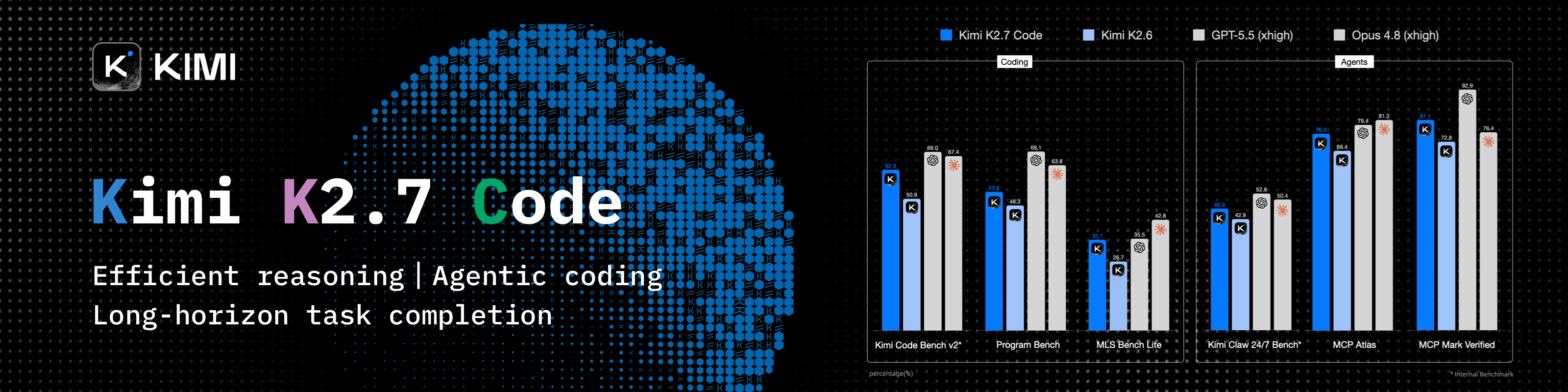](https://platform.kimi.ai?aff=cc-switch)
|
||||
|
||||
Get 10% OFF the GLM CODING PLAN with [this link](https://z.ai/subscribe?ic=8JVLJQFSKB)!
|
||||
Kimi K3 is Moonshot AI's most capable model and the world's first open 3T-class model. With 2.8 trillion parameters, native vision, and a 1-million-token context window, K3 delivers frontier performance across long-horizon coding, knowledge work, and reasoning. CC Switch makes it easy to configure and switch to Kimi across agentic tools. **[Click here to start using Kimi](https://platform.kimi.ai?aff=cc-switch)**
|
||||
|
||||
Doing mostly coding work? Try the **[Kimi Code subscription](https://www.kimi.com/code/?aff=cc-switch)**.
|
||||
|
||||
---
|
||||
|
||||
<table>
|
||||
<tr>
|
||||
<td width="180"><img src="assets/partners/logos/packycode.png" alt="PackyCode" width="150"></td>
|
||||
<td>Thanks to PackyCode for sponsoring this project! PackyCode is a reliable and efficient API relay service provider, offering relay services for Claude Code, Codex, Gemini, and more. PackyCode provides special discounts for our software users: register using <a href="https://www.packyapi.com/register?aff=cc-switch">this link</a> and enter the "cc-switch" promo code during recharge to get 10% off.</td>
|
||||
<td width="180"><a href="https://www.packyapi.com/register?aff=cc-switch"><img src="assets/partners/logos/packycode.png" alt="PackyCode" width="150"></a></td>
|
||||
<td>Thanks to PackyCode for sponsoring this project! PackyCode is a reliable and efficient API relay service provider, offering relay services for Claude Code, Codex, Gemini, and more. PackyCode provides special discounts for our software users: register using <a href="https://www.packyapi.com/register?aff=cc-switch">this link</a> and enter the "cc-switch" promo code during first recharge to get 10% off.</td>
|
||||
</tr>
|
||||
|
||||
<tr>
|
||||
<td width="180"><img src="assets/partners/logos/sds-en.png" alt="ShanDianShuo" width="150"></td>
|
||||
<td>Thanks to ShanDianShuo for sponsoring this project! ShanDianShuo is a local-first AI voice input: Millisecond latency, data stays on device, 4x faster than typing, AI-powered correction, Privacy-first, completely free. Doubles your coding efficiency with Claude Code! <a href="https://www.shandianshuo.cn">Free download</a> for Mac/Win</td>
|
||||
<td width="180"><a href="https://zetaapi.ai/go/u117"><img src="assets/partners/logos/zetaapi-banner.png" alt="ZetaAPI" width="150"></a></td>
|
||||
<td>Thanks to ZetaAPI for sponsoring this project! ZetaAPI focuses on real model fidelity, no watered-down responses, no quality degradation, and pricing as low as 35% of official rates. The platform does not mix traffic, secretly replace models with lower-quality alternatives, or use fake model routing. It supports Claude Code, Codex, Gemini, ChatGPT, and other mainstream AI models, helping users significantly reduce API costs while maintaining reliable model quality. At the same time, ZetaAPI provides enterprise-grade SLA-backed stability, standard API compatibility, one API key for multiple models, fast integration, and pay-as-you-go billing, making it suitable for AI products, coding agents, internal business tools, customer service systems, content generation, and automation workflows. If any model is verified to be inconsistent with its stated quality, ZetaAPI backs it with a 10x compensation guarantee, giving users a more stable, transparent, and trustworthy experience. Register via <a href="https://zetaapi.ai/go/u117">this link</a> and use the promo code CC-SWITCH during your first recharge to enjoy an exclusive 10% discount on your first top-up, just for CC Switch users!</td>
|
||||
</tr>
|
||||
|
||||
<tr>
|
||||
<td width="180"><a href="https://apinebula.com/VjM74M"><img src="assets/partners/logos/apinebula_banner.png" alt="APINebula" width="150"></a></td>
|
||||
<td>Thanks to APINEBULA for sponsoring this project! APINEBULA, an enterprise-grade AI aggregation platform under Galaxy Video Bureau, leverages extensive platform resources to provide developers, teams, and enterprises with stable, cost-effective access to large language model APIs. The platform integrates leading, full-powered models like Claude, GPT, and Gemini, allowing you to connect to the world's top AI models through a single API, with prices starting as low as 10% of the original cost. Designed for AI programming, Agent development, and business system integration, APINEBULA supports enterprise-grade high concurrency, formal contracts, corporate bank transfers, and invoicing services. APINEBULA provides special discounts for our software users: register using <a href="https://apinebula.com/VjM74M">this link</a> and enter the <strong>"ccswitch"</strong> promo code during your first recharge to get <strong>10% off</strong>.</td>
|
||||
</tr>
|
||||
|
||||
<tr>
|
||||
<td width="180"><a href="https://www.aicodemirror.com/register?invitecode=9915W3"><img src="assets/partners/logos/aicodemirror.jpg" alt="AICodeMirror" width="150"></a></td>
|
||||
<td>Thanks to AICodeMirror for sponsoring this project! AICodeMirror provides official high-stability relay services for Claude Code / Codex / Gemini CLI, with enterprise-grade concurrency, fast invoicing, and 24/7 dedicated technical support.
|
||||
Claude Code / Codex / Gemini official channels at 38% / 2% / 9% of original price, with extra discounts on top-ups! AICodeMirror offers special benefits for CC Switch users: register via <a href="https://www.aicodemirror.com/register?invitecode=9915W3">this link</a> to enjoy 20% off your first top-up, and enterprise customers can get up to 25% off!</td>
|
||||
</tr>
|
||||
|
||||
<tr>
|
||||
<td width="180"><a href="https://pateway.ai/?ch=etzpm8&aff=WB6M6F67#/"><img src="assets/partners/logos/pateway.png" alt="PatewayAI" width="150"></a></td>
|
||||
<td>Thanks to PatewayAI for sponsoring this project! PatewayAI is an API relay service provider built for heavy AI developers, focused on directly relaying official high-quality model APIs. It offers the full Claude lineup and the Codex series, 100% sourced from official channels — no dilution, no fakes, verification welcome. Billing is transparent and every token-level invoice can be audited line by line.
|
||||
It also supports enterprise-grade concurrency and provides a dedicated management platform for enterprise customers — formal contracts and invoicing are available; visit the official website for contact details.
|
||||
Register now via <a href="https://pateway.ai/?ch=etzpm8&aff=WB6M6F67#/">this link</a> to receive $3 in trial credit. Top-ups go as low as 60% of the original price, with a two-way referral bonus of up to $150!</td>
|
||||
</tr>
|
||||
|
||||
<tr>
|
||||
<td width="180"><a href="https://api.fenno.ai/register?redirect=/purchase?tab=subscription%26group=16&aff=P9MR3D3PLCNL"><img src="assets/partners/logos/fenno-banner.png" alt="Fenno.ai" width="150"></a></td>
|
||||
<td>Thanks to Fenno.ai for sponsoring this project! Fenno.ai is a stable and efficient API relay service provider, currently focused on Codex relay. It is compatible with the OpenAI and Anthropic protocols and can be flexibly used from Codex, Claude Code, OpenCode, and other mainstream coding tools. It reliably supports enterprise-grade workloads of hundreds of billions of tokens per day, with corporate (B2B) settlement and invoicing for both domestic and overseas entities. Fenno.ai offers an exclusive benefit for CC Switch users: subscribe via <a href="https://api.fenno.ai/register?redirect=/purchase?tab=subscription%26group=16&aff=P9MR3D3PLCNL">this link</a> to the incredible ¥9.9 Coding Plan worth $150 in credits, and earn up to 20% in referral rewards — invite more, earn more!</td>
|
||||
</tr>
|
||||
|
||||
<tr>
|
||||
<td width="180"><a href="https://runapi.co/register?aff=iOKB"><img src="assets/partners/logos/runapi.jpg" alt="RunAPI" width="150"></a></td>
|
||||
<td>Thanks to RunAPI for sponsoring this project! RunAPI is a high-performance and reliable AI model API gateway — one API key gives you access to 150+ mainstream models including OpenAI, Claude, Gemini, DeepSeek, and Grok, with prices as low as 10% of the official rate and excellent stability. It works seamlessly with Claude Code, OpenClaw, and other tools. Exclusive benefit for CC Switch users: register via <a href="https://runapi.co/register?aff=iOKB">this link</a> and enjoy a 10% discount on your first top-up!</td>
|
||||
</tr>
|
||||
|
||||
<tr>
|
||||
<td width="180"><a href="https://unity2.ai/register?source=ccs"><img src="assets/partners/logos/unity2.jpg" alt="Unity2.ai" width="150"></a></td>
|
||||
<td>Thanks to Unity2.ai for sponsoring this project! Unity2.ai is a high-performance AI model API relay platform for individual developers, teams, and enterprises. Long trusted by leading companies in China, it serves over 30 billion tokens per day and supports high concurrency at the 5,000 RPM level. It offers balance-based billing, first top-up bonuses, bundle subscriptions, corporate invoicing, and dedicated support. Register via <a href="https://unity2.ai/register?source=ccs">this link</a> to get $2 in credits, plus another $10 for joining the official group — up to $12 in free credits!</td>
|
||||
</tr>
|
||||
|
||||
<tr>
|
||||
<td width="180"><a href="https://www.shengsuanyun.com/?from=CH_4HHXMRYF"><img src="assets/partners/logos/shengsuanyun.png" alt="Shengsuanyun" width="150"></a></td>
|
||||
<td>Thanks to Shengsuanyun for sponsoring this project! Shengsuanyun is a super factory serving AI Native Teams — an industrial-grade AI task parallel execution platform. Its model marketplace aggregates Claude, ChatGPT, Gemini, and other domestic and international LLM and multimedia model capabilities with direct supply. Absolutely no reverse engineering or dilution — platform-wide model SLA availability reaches 99.7%, with <a href="https://watch.shengsuanyun.com/status/shengsuanyun">monitoring dashboards</a> showing green across the board. It also offers enterprise-grade custom gateways for fine-grained team cost and permission management, smart routing, security protection, and BYOK (Bring Your Own Key) hosting. The platform charges on a pay-per-use and tokens plan (coming soon) basis, with invoicing available. Register via <a href="https://www.shengsuanyun.com/?from=CH_4HHXMRYF">this link</a> as a new user to receive ¥10 in credits plus a 10% bonus on your first top-up.</td>
|
||||
</tr>
|
||||
|
||||
<tr>
|
||||
<td width="180"><a href="https://aigocode.com/invite/CC-SWITCH"><img src="assets/partners/logos/aigocode.png" alt="AIGoCode" width="150"></a></td>
|
||||
<td>Thanks to AIGoCode for sponsoring this project! AIGoCode is an all-in-one platform that integrates Claude Code, Codex, and the latest Gemini models, providing you with stable, efficient, and highly cost-effective AI coding services. The platform offers flexible subscription plans, zero risk of account suspension, direct access with no VPN required, and lightning-fast responses. AIGoCode has prepared a special benefit for CC Switch users: if you register via <a href="https://aigocode.com/invite/CC-SWITCH">this link</a>, you'll receive an extra 10% bonus credit on your first top-up!</td>
|
||||
</tr>
|
||||
|
||||
<tr>
|
||||
<td width="180"><a href="https://subrouter.ai/register?aff=l3ri"><img src="assets/partners/logos/subrouter-banner.png" alt="SubRouter" width="150"></a></td>
|
||||
<td>Thanks to SubRouter for sponsoring this project! SubRouter is a marketplace and smart routing platform for AI service operators. Merchants can launch operating sites, publish packages, manage users, models, and pricing, while users discover services and access reliable AI models through one unified API. Register via <a href="https://subrouter.ai/register?aff=l3ri">this link</a>!</td>
|
||||
</tr>
|
||||
|
||||
<tr>
|
||||
<td width="180"><a href="https://apikey.fun/register?aff=CCSwitch"><img src="assets/partners/logos/apikey_banner.png" alt="APIKEY.FUN" width="150"></a></td>
|
||||
<td>Thanks to APIKEY.FUN for sponsoring this project! APIKEY.FUN is a professional enterprise-grade AI relay platform dedicated to providing stable, efficient, and low-cost AI model API access for enterprises and individual developers. The platform supports popular mainstream models such as Claude, OpenAI, and Gemini, with prices as low as 7% of official rates. Register through this project's <a href="https://apikey.fun/register?aff=CCSwitch">exclusive link</a> to enjoy an exclusive offer of up to <strong>permanent 5% off top-ups</strong>.</td>
|
||||
</tr>
|
||||
|
||||
<tr>
|
||||
<td width="180"><a href="https://console.claudeapi.com/register?aff=pCLD"><img src="assets/partners/logos/claudeapi.png" alt="ClaudeAPI" width="150"></a></td>
|
||||
<td>This project is sponsored by <a href="https://console.claudeapi.com/register?aff=pCLD">Claude API</a>. Direct Claude API access — connect Claude Code and Agent apps in 3 minutes. New users can claim a free trial credit.Powered by official Anthropic API keys + AWS Bedrock official channels. No reverse engineering, no model degradation. Full support for Opus / Sonnet / Haiku model lineup, with official capabilities preserved including Tool Use, 1M context window, and more. Built for Claude Code power users, Agent engineers, and enterprise engineering teams. Invoicing and dedicated team support available. Click <a href="https://console.claudeapi.com/register?aff=pCLD">here</a> to register!</td>
|
||||
</tr>
|
||||
|
||||
<tr>
|
||||
<td width="180"><a href="https://code0.ai/agent/register/B2XHxGjGmRvqgznY"><img src="assets/partners/logos/code0.png" alt="code0.ai" width="150"></a></td>
|
||||
<td>Thanks to <a href="https://code0.ai/agent/register/B2XHxGjGmRvqgznY">code0.ai</a> for sponsoring this project! code0.ai is an AI coding service platform built for developers, supporting Claude Code, Codex, Gemini, and other mainstream AI coding capabilities. It helps individual developers and teams use AI Agents more stably and efficiently for coding, debugging, refactoring, and automation workflows. ccswitch users can contact customer support via the <a href="https://code0.ai/agent/register/B2XHxGjGmRvqgznY">code0.ai website</a> to claim test credits and experience a reliable AI coding service.</td>
|
||||
</tr>
|
||||
|
||||
<tr>
|
||||
<td width="180"><a href="https://teamorouter.com/?utm_source=cc_switch&utm_medium=referral&utm_campaign=ai_directory"><img src="assets/partners/logos/TeamoRouter-banner.png" alt="TeamoRouter" width="150"></a></td>
|
||||
<td>Thanks to TeamoRouter for sponsoring this project! TeamoRouter is an enterprise-grade Agentic LLM gateway built for developers, AI teams, and businesses. Without requiring any subscriptions, it lets you access Claude Code, Codex, Gemini CLI, OpenAI Codex, and other popular AI agents through a single unified API, while offering API pricing at discounts of up to 90%.
|
||||
Unlike typical API relay services, TeamoRouter aggregates hundreds of official model providers and trusted infrastructure partners, including OpenAI, Anthropic, Vertex, Azure, and AWS bedrock. Every provider is verified for 100% Agent protocol compatibility, cache performance, and request traceability, ensuring stable quality instead of reverse-engineered or diluted endpoints. The platform delivers near-official TTFT, 99.6% SLA, enterprise-scale throughput up to 5,000 QPM, and industry-leading cache hit rates that dramatically reduce token costs for long-running agent workflows.
|
||||
TeamoRouter also offers enterprise features including centralized billing, team management, BYOK, smart routing, usage analytics, dynamic provider optimization, and dedicated support. For an even simpler experience, Teamo Desktop lets you use Claude Code, Codex, Gemini CLI, and other popular AI agents with one-click setup—no API key management or manual gateway configuration required. Register via <a href="https://teamorouter.com/?utm_source=cc_switch&utm_medium=referral&utm_campaign=ai_directory">this link</a> as a new user to receive 10% off your first top-up.</td>
|
||||
</tr>
|
||||
|
||||
<tr>
|
||||
<td width="180"><a href="https://www.newapi.ai/"><img src="assets/partners/logos/newapi-banner.png" alt="new-api" width="150"></a></td>
|
||||
<td>Thanks to the open-source AI infrastructure project <a href="https://www.newapi.ai/">new-api</a> for its strong support of this project! new-api is an open-source AI infrastructure project from QuantumNous and one of the leading unified LLM access-and-distribution projects by activity and adoption, focused on helping developers, teams, and enterprises build manageable, scalable AI service platforms at lower cost. As a fellow project rooted in the open-source ecosystem, new-api hopes to sponsor and support the continued growth of more outstanding open-source projects. 🌟 Star new-api to show your support: <a href="https://github.com/QuantumNous/new-api">https://github.com/QuantumNous/new-api</a>. Website: <a href="https://www.newapi.ai/">https://www.newapi.ai/</a>.</td>
|
||||
</tr>
|
||||
|
||||
<tr>
|
||||
<td width="180"><a href="https://claudecn.ai/register?aff=HEL9"><img src="assets/partners/logos/claudecn.jpg" alt="ClaudeCN" width="150"></a></td>
|
||||
<td>Thanks to ClaudeCN for sponsoring this project! ClaudeCN is an enterprise-grade AI gateway platform operated by a registered company. It delivers high-availability commercial API access to popular models including Claude, GPT, and DeepSeek, and is built around formal enterprise procurement workflows — corporate bank transfers, signed contracts, and full compliance. Register via <a href="https://claudecn.ai/register?aff=HEL9">this link</a>!</td>
|
||||
</tr>
|
||||
|
||||
<tr>
|
||||
<td width="180"><a href="https://www.byteplus.com/en/product/modelark?utm_campaign=hw&utm_content=ccswitch&utm_medium=devrel_tool_web&utm_source=OWO&utm_term=ccswitch"><img src="assets/partners/logos/byteplus.png" alt="BytePlus" width="150"></a></td>
|
||||
<td>Thanks to Dola seed for sponsoring this project! Dola Seed 2.0 is a full‑modal general large model independently developed by ByteDance for the global market. Built on a unified multimodal architecture, it supports joint understanding and generation of text, images, audio, and video. It natively enables agent collaboration, with strong reasoning, long‑task execution, tool integration, and coding capabilities. It is widely applicable to smart cockpits, personal assistants, education, customer support, marketing, retail, and other scenarios. It excels in multimodal perception, end‑to‑end complex task delivery, stable interaction, and data security, and is readily accessible and deployable via the ModelArk platform.Register via <a href="https://www.byteplus.com/en/product/modelark?utm_campaign=hw&utm_content=ccswitch&utm_medium=devrel_tool_web&utm_source=OWO&utm_term=ccswitch">this link</a> to get 500,000 tokens of free inference quota per model.<a href="https://www.volcengine.com/activity/ai618?utm_campaign=hw&utm_content=hw&utm_medium=devrel_tool_web&utm_source=OWO&utm_term=ccswitch"> >>中国大陆地区的开发者请点击这里</a></td>
|
||||
</tr>
|
||||
|
||||
<tr>
|
||||
<td width="180"><a href="https://cloud.siliconflow.cn/i/YflgU2Ve"><img src="assets/partners/logos/silicon_en.jpg" alt="SiliconFlow" width="150"></a></td>
|
||||
<td>Thanks to SiliconFlow for sponsoring this project! SiliconFlow is a high-performance AI infrastructure and model API platform, providing fast and reliable access to language, speech, image, and video models in one place. With pay-as-you-go billing, broad multimodal model support, high-speed inference, and enterprise-grade stability, SiliconFlow helps developers and teams build and scale AI applications more efficiently. Register via <a href="https://cloud.siliconflow.cn/i/YflgU2Ve">this link</a> and complete real-name verification to receive ¥16 in bonus credit, usable across models on the platform. SiliconFlow is also now compatible with OpenClaw, allowing users to connect a SiliconFlow API key and call major AI models for free.</td>
|
||||
</tr>
|
||||
|
||||
<tr>
|
||||
<td width="180"><a href="https://nekocode.ai?aff=CCSWITCH"><img src="assets/partners/logos/nekocode-banner.png" alt="NekoCode" width="150"></a></td>
|
||||
<td>Thanks to <a href="https://nekocode.ai?aff=CCSWITCH">NekoCode</a> for sponsoring this project! NekoCode provides developers with a stable, efficient, and reliable API relay service for Claude, Codex, and other AI models. With transparent pricing and flexible pay-as-you-go billing, it offers a simple and cost-effective way to access AI models. CC Switch users can enjoy an exclusive 10% discount: register via <a href="https://nekocode.ai?aff=CCSWITCH">this link</a> and enter promo code <code>cc-switch</code> during recharge to receive 10% off your top-up!</td>
|
||||
</tr>
|
||||
|
||||
<tr>
|
||||
<td width="180"><a href="https://www.atlascloud.ai/coding-plan?utm_source=github&utm_campaign=cc-switch"><img src="assets/partners/logos/atlascloud_banner.png" alt="Atlas Cloud" width="150"></a></td>
|
||||
<td>Atlas Cloud is a full-modal AI inference platform that gives developers a single AI API to access video generation, image generation, and LLM APIs. Instead of managing multiple vendor integrations, you connect once and get unified access to 300+ curated models across all modalities. Check out Atlas Cloud's new <a href="https://www.atlascloud.ai/coding-plan?utm_source=github&utm_campaign=cc-switch">coding plan</a> promotion for more budget-friendly API access!</td>
|
||||
</tr>
|
||||
|
||||
<tr>
|
||||
<td width="180"><a href="https://www.compshare.cn/coding-plan?ytag=GPU_YY_YX_git_cc-switch"><img src="assets/partners/logos/ucloud.png" alt="Compshare" width="150"></a></td>
|
||||
<td>Thanks to Compshare for sponsoring this project! Compshare is UCloud's AI cloud platform, providing stable and comprehensive domestic and international model APIs with just one key. Featuring cost-effective monthly and per-use domestic-model Coding Plan packages, alongside stable officially-relayed overseas models. Supports Claude Code, Codex, and API access. Enterprise-grade high concurrency, 24/7 technical support, and self-service invoicing. Users who register via <a href="https://www.compshare.cn/coding-plan?ytag=GPU_YY_YX_git_cc-switch">this link</a> will receive a free 5 CNY platform trial credit!</td>
|
||||
</tr>
|
||||
|
||||
<tr>
|
||||
<td width="180"><a href="https://www.ccsub.net/register?ref=Y6Z8DXEA"><img src="assets/partners/logos/ccsub.svg" alt="CCSub" width="150"></a></td>
|
||||
<td>Thanks to CCSub for sponsoring this project! CCSub is a stable, affordable AI API relay platform — your drop-in replacement for a Claude.ai subscription. One API key gives you access to Claude Opus 4.8, Sonnet, Haiku, GPT-5, Gemini, and DeepSeek at roughly 30% of direct API cost, with no VPN required from anywhere in the world. Compatible with Claude Code, Codex, Cursor, Cline, Continue, Windsurf, and all major AI coding tools. Register via <a href="https://www.ccsub.net/register?ref=Y6Z8DXEA">this link</a> and get $5 free credit on sign-up.</td>
|
||||
</tr>
|
||||
|
||||
<tr>
|
||||
<td width="180"><a href="https://www.sssaicode.com/register?ref=DCP0SM"><img src="assets/partners/logos/sssaicode.png" alt="SSSAiCode" width="150"></a></td>
|
||||
<td>Thanks to SSSAiCode for sponsoring this project! SSSAiCode is a stable and reliable API relay service, dedicated to providing stable, reliable, and affordable Claude and Codex model services, with same-day fast invoicing. SSSAiCode offers a special deal for CC Switch users: register via <a href="https://www.sssaicode.com/register?ref=DCP0SM">this link</a> to enjoy $10 extra credit on every top-up!</td>
|
||||
</tr>
|
||||
|
||||
<tr>
|
||||
<td width="180"><a href="https://www.micuapi.ai/register?aff=aOYQ"><img src="assets/partners/logos/mikubanner.svg" alt="Micu" width="150"></a></td>
|
||||
<td>Thanks to Micu API for sponsoring this project! Micu API is a global LLM relay service provider dedicated to delivering the best cost-performance ratio with high stability. Backed by a registered enterprise for core assurance, eliminating any risk of service discontinuation, with fast official invoicing support! We champion "zero cost to try": top up from as low as ¥1 with no minimum, and get fee-free refunds anytime! Micu API offers an exclusive deal for CC Switch users: register via <a href="https://www.micuapi.ai/register?aff=aOYQ">this link</a> and enter promo code "ccswitch" when topping up to enjoy a <strong>10% discount</strong>!</td>
|
||||
</tr>
|
||||
|
||||
<tr>
|
||||
<td width="180"><a href="https://www.right.codes/register?aff=CCSWITCH"><img src="assets/partners/logos/rightcode.jpg" alt="RightCode" width="150"></a></td>
|
||||
<td>Thank you to Right Code for sponsoring this project! Right Code reliably provides routing services for models such as Claude Code, Codex, and Gemini, with both pay-as-you-go and monthly subscription billing options available. Invoices are available upon top-up, and enterprise and team users can receive dedicated one-on-one support. Right Code also offers an exclusive discount for CC Switch users: register via <a href="https://www.right.codes/register?aff=CCSWITCH">this link</a>, and with every top-up you will receive pay-as-you-go credit equivalent to 5% of the amount paid.</td>
|
||||
</tr>
|
||||
|
||||
<tr>
|
||||
<td width="180"><a href="https://etok.ai"><img src="assets/partners/logos/etok.png" alt="ETok" width="150"></a></td>
|
||||
<td>Thanks to ETok.ai for sponsoring this project! ETok.ai is dedicated to building a one-stop AI programming tool service platform. We offer professional Claude Code packages and technical community services, with support for Google Gemini and OpenAI Codex. Through carefully designed plans and a professional tech community, we provide developers with reliable service guarantees and continuous technical support, making AI-assisted programming a true productivity tool. Click <a href="https://etok.ai">here</a> to register!</td>
|
||||
</tr>
|
||||
|
||||
<tr>
|
||||
<td width="180"><a href="https://cubence.com/signup?code=CCSWITCH&source=ccs"><img src="assets/partners/logos/cubence.png" alt="Cubence" width="150"></a></td>
|
||||
<td>Thanks to Cubence for sponsoring this project! Cubence is a reliable and efficient API relay service provider, offering relay services for Claude Code, Codex, Gemini, and more with flexible billing options including pay-as-you-go and monthly plans. Cubence provides special discounts for CC Switch users: register using <a href="https://cubence.com/signup?code=CCSWITCH&source=ccs">this link</a> and enter the "CCSWITCH" promo code during recharge to get 10% off every top-up!</td>
|
||||
</tr>
|
||||
|
||||
<tr>
|
||||
<td width="180"><a href="https://crazyrouter.com/register?aff=OZcm&ref=cc-switch"><img src="assets/partners/logos/crazyrouter.png" alt="Crazyrouter" width="150"></a></td>
|
||||
<td>Thanks to Crazyrouter for sponsoring this project! Crazyrouter is a high-performance AI API aggregation platform — one API key for 300+ models including Claude Code, Codex, Gemini CLI, and more. All models at 55% of official pricing with auto-failover, smart routing, and unlimited concurrency. Crazyrouter offers an exclusive deal for CC Switch users: register via <a href="https://crazyrouter.com/register?aff=OZcm&ref=cc-switch">this link</a> and contact customer support to claim <strong>$2 free credit</strong>, plus enter promo code `CCSWITCH` on your first top-up for an extra <strong>30% bonus credit</strong>! </td>
|
||||
</tr>
|
||||
|
||||
<tr>
|
||||
<td width="180"><a href="https://www.dmxapi.cn/register?aff=bUHu"><img src="assets/partners/logos/dmx-en.jpg" alt="DMXAPI" width="150"></a></td>
|
||||
<td>Thanks to DMXAPI for sponsoring this project! DMXAPI provides global large model API services to 200+ enterprise users. One API key for all global models. Features include: instant invoicing, unlimited concurrency, starting from $0.15, 24/7 technical support. GPT/Claude/Gemini all at 32% off, domestic models 20-50% off, Claude Code exclusive models at 66% off! <a href="https://www.dmxapi.cn/register?aff=bUHu">Register here</a></td>
|
||||
</tr>
|
||||
|
||||
</table>
|
||||
|
||||
</details>
|
||||
|
||||
## Why CC Switch?
|
||||
|
||||
Modern AI-powered coding relies on tools like Claude Code, Claude Desktop, Codex, Gemini CLI, Grok Build, OpenCode, OpenClaw, and Hermes — but each has its own configuration format. Switching API providers means manually editing JSON, TOML, or `.env` files, and there is no unified way to manage MCP and Skills across multiple tools.
|
||||
|
||||
**CC Switch** gives you a single desktop app to manage all supported AI tools. Instead of editing config files by hand, you get a visual interface to import providers with one click, switch between them instantly, with 50+ built-in provider presets, unified MCP and Skills management, and system tray quick switching — all backed by a reliable SQLite database with atomic writes that protect your configs from corruption.
|
||||
|
||||
- **One App, Eight Tools** — Manage Claude Code, Claude Desktop, Codex, Gemini CLI, Grok Build, OpenCode, OpenClaw, and Hermes from a single interface
|
||||
- **No More Manual Editing** — 50+ provider presets including AWS Bedrock, NVIDIA NIM, and community relays; just pick and switch
|
||||
- **Unified MCP & Skills Management** — One panel to manage MCP servers and Skills across Claude, Codex, Gemini, Grok Build, OpenCode, and Hermes with bidirectional sync
|
||||
- **System Tray Quick Switch** — Switch providers instantly from the tray menu, no need to open the full app
|
||||
- **Cloud Sync** — Sync provider data across devices via Dropbox, OneDrive, iCloud, or WebDAV servers
|
||||
- **Cross-Platform** — Native desktop app for Windows, macOS, and Linux, built with Tauri 2
|
||||
- **Built-in Utilities** — Includes various utilities for first-launch login confirmation, signature bypass, plugin extension sync, and more
|
||||
|
||||
## Screenshots
|
||||
|
||||
| Main Interface | Add Provider |
|
||||
@@ -51,75 +215,138 @@ Get 10% OFF the GLM CODING PLAN with [this link](https://z.ai/subscribe?ic=8JVLJ
|
||||
|
||||
## Features
|
||||
|
||||
### Current Version: v3.7.0 | [Full Changelog](CHANGELOG.md) | [📋 Release Notes](docs/release-note-v3.7.0-en.md)
|
||||
[Full Changelog](CHANGELOG.md) | [Release Notes](docs/release-notes/v3.16.1-en.md)
|
||||
|
||||
**v3.7.0 Major Update (2025-11-19)**
|
||||
### Provider Management
|
||||
|
||||
**Six Core Features, 18,000+ Lines of New Code**
|
||||
- **8 supported tools, 50+ presets** — Claude Code, Claude Desktop, Codex, Gemini CLI, Grok Build, OpenCode, OpenClaw, Hermes; copy your key and import with one click
|
||||
- **Universal providers** — One config syncs to Claude Code, Codex, and Gemini CLI
|
||||
- One-click switching, system tray quick access, drag-and-drop sorting, import/export
|
||||
|
||||
- **Gemini CLI Integration**
|
||||
- Third supported AI CLI (Claude Code / Codex / Gemini)
|
||||
- Dual-file configuration support (`.env` + `settings.json`)
|
||||
- Complete MCP server management
|
||||
- Presets: Google Official (OAuth) / PackyCode / Custom
|
||||
### Proxy & Failover
|
||||
|
||||
- **Claude Skills Management System**
|
||||
- Auto-scan skills from GitHub repositories (3 pre-configured curated repos)
|
||||
- One-click install/uninstall to `~/.claude/skills/`
|
||||
- Custom repository support + subdirectory scanning
|
||||
- Complete lifecycle management (discover/install/update)
|
||||
- **Local proxy with hot-switching** — Format conversion, auto-failover, circuit breaker, provider health monitoring, and request rectifier
|
||||
- **App-level takeover** — Independently proxy Claude, Codex, Gemini, or Grok Build, down to individual providers
|
||||
|
||||
- **Prompts Management System**
|
||||
- Multi-preset system prompt management (unlimited presets, quick switching)
|
||||
- Cross-app support (Claude: `CLAUDE.md` / Codex: `AGENTS.md` / Gemini: `GEMINI.md`)
|
||||
- Markdown editor (CodeMirror 6 + real-time preview)
|
||||
- Smart backfill protection, preserves manual modifications
|
||||
### MCP, Prompts & Skills
|
||||
|
||||
- **MCP v3.7.0 Unified Architecture**
|
||||
- Single panel manages MCP servers across three applications
|
||||
- New SSE (Server-Sent Events) transport type
|
||||
- Smart JSON parser + Codex TOML format auto-correction
|
||||
- Unified import/export + bidirectional sync
|
||||
- **Unified MCP panel** — Manage MCP servers across Claude, Codex, Gemini, Grok Build, OpenCode, and Hermes with bidirectional sync and Deep Link import
|
||||
- **Prompts** — Markdown editor with cross-app sync (CLAUDE.md / AGENTS.md / GEMINI.md) and backfill protection
|
||||
- **Skills** — One-click install from GitHub repos or ZIP files, custom repository management, with symlink and file copy support
|
||||
|
||||
- **Deep Link Protocol**
|
||||
- `ccswitch://` protocol registration (all platforms)
|
||||
- One-click import provider configs via shared links
|
||||
- Security validation + lifecycle integration
|
||||
### Usage & Cost Tracking
|
||||
|
||||
- **Environment Variable Conflict Detection**
|
||||
- Auto-detect cross-app configuration conflicts (Claude/Codex/Gemini/MCP)
|
||||
- Visual conflict indicators + resolution suggestions
|
||||
- Override warnings + backup before changes
|
||||
- **Usage dashboard** — Track spending, requests, and tokens with trend charts, detailed request logs, and custom per-model pricing
|
||||
|
||||
**Core Capabilities**
|
||||
### Session Manager & Workspace
|
||||
|
||||
- **Provider Management**: One-click switching between Claude Code, Codex, and Gemini API configurations
|
||||
- **Speed Testing**: Measure API endpoint latency with visual quality indicators
|
||||
- **Import/Export**: Backup and restore configs with auto-rotation (keep 10 most recent)
|
||||
- **i18n Support**: Complete Chinese/English localization (UI, errors, tray)
|
||||
- **Claude Plugin Sync**: One-click apply/restore Claude plugin configurations
|
||||
- Browse, search, and restore conversation history across supported session sources
|
||||
- **Workspace editor** (OpenClaw) — Edit agent files (AGENTS.md, SOUL.md, etc.) with Markdown preview
|
||||
|
||||
**v3.6 Highlights**
|
||||
### System & Platform
|
||||
|
||||
- Provider duplication & drag-and-drop sorting
|
||||
- Multi-endpoint management & custom config directory (cloud sync ready)
|
||||
- Granular model configuration (4-tier: Haiku/Sonnet/Opus/Custom)
|
||||
- WSL environment support with auto-sync on directory change
|
||||
- 100% hooks test coverage & complete architecture refactoring
|
||||
- **Cloud sync** — Custom config directory (Dropbox, OneDrive, iCloud, NAS) and WebDAV server sync
|
||||
- **Deep Link** (`ccswitch://`) — Import providers, MCP servers, prompts, and skills via URL
|
||||
- Dark / Light / System theme, auto-launch, auto-updater, atomic writes, auto-backups, i18n (zh/zh-TW/en/ja)
|
||||
|
||||
**System Features**
|
||||
## FAQ
|
||||
|
||||
- System tray with quick switching
|
||||
- Single instance daemon
|
||||
- Built-in auto-updater
|
||||
- Atomic writes with rollback protection
|
||||
<details>
|
||||
<summary><strong>Which AI tools does CC Switch support?</strong></summary>
|
||||
|
||||
CC Switch supports eight tools: **Claude Code**, **Claude Desktop**, **Codex**, **Gemini CLI**, **Grok Build**, **OpenCode**, **OpenClaw**, and **Hermes**. Each tool has dedicated provider presets and configuration management.
|
||||
|
||||
</details>
|
||||
|
||||
<details>
|
||||
<summary><strong>Do I need to restart the terminal after switching providers?</strong></summary>
|
||||
|
||||
For most tools, yes — restart your terminal or the CLI tool for changes to take effect. The exception is **Claude Code**, which currently supports hot-switching of provider data without a restart.
|
||||
|
||||
</details>
|
||||
|
||||
<details>
|
||||
<summary><strong>My plugin configuration disappeared after switching providers — what happened?</strong></summary>
|
||||
|
||||
CC Switch provides a "Shared Config Snippet" feature to pass common data (beyond API keys and endpoints) between providers. Go to "Edit Provider" → "Shared Config Panel" → click "Extract from Current Provider" to save all common data. When creating a new provider, check "Write Shared Config" (enabled by default) to include plugin data in the new provider. All your configuration items are preserved in the default provider imported when you first launched the app.
|
||||
|
||||
</details>
|
||||
|
||||
<details>
|
||||
<summary><strong>macOS installation</strong></summary>
|
||||
|
||||
CC Switch for macOS is code-signed and notarized by Apple. You can download and install it directly — no extra steps needed. We recommend using the `.dmg` installer.
|
||||
|
||||
</details>
|
||||
|
||||
<details>
|
||||
<summary><strong>Why can't I delete the currently active provider?</strong></summary>
|
||||
|
||||
CC Switch follows a "minimal intrusion" design principle — even if you uninstall the app, your CLI tools will continue to work normally. The system always keeps one active configuration, because deleting all configurations would make the corresponding CLI tool unusable. If you rarely use a specific CLI tool, you can hide it in Settings. To switch back to official login, see the next question.
|
||||
|
||||
</details>
|
||||
|
||||
<details>
|
||||
<summary><strong>How do I switch back to official login?</strong></summary>
|
||||
|
||||
Add an official provider from the preset list. After switching to it, run the Log out / Log in flow, and then you can freely switch between the official provider and third-party providers. Codex supports switching between different official providers, making it easy to switch between multiple Plus or Team accounts.
|
||||
|
||||
</details>
|
||||
|
||||
<details>
|
||||
<summary><strong>Where is my data stored?</strong></summary>
|
||||
|
||||
- **Database**: `~/.cc-switch/cc-switch.db` (SQLite — providers, MCP, prompts, skills)
|
||||
- **Local settings**: `~/.cc-switch/settings.json` (device-level UI preferences)
|
||||
- **Backups**: `~/.cc-switch/backups/` (auto-rotated, keeps 10 most recent)
|
||||
- **Skills**: `~/.cc-switch/skills/` (symlinked to corresponding apps by default)
|
||||
- **Skill Backups**: `~/.cc-switch/skill-backups/` (created automatically before uninstall, keeps 20 most recent)
|
||||
|
||||
</details>
|
||||
|
||||
<details>
|
||||
<summary><strong>Linux (Wayland + NVIDIA): clicks don't register and the window black-screens on resize</strong></summary>
|
||||
|
||||
The AppImage forces `GDK_BACKEND=x11` (XWayland) to avoid a historical native-Wayland crash. On newer Wayland + NVIDIA setups this can leave the web content area unclickable (the title-bar buttons still work) and black-screen on resize. Launch with the opt-in escape hatch to switch back to native Wayland:
|
||||
|
||||
```bash
|
||||
CC_SWITCH_GDK_BACKEND=wayland ./CC-Switch-*.AppImage
|
||||
```
|
||||
|
||||
If you launch from a desktop icon, add it to the `.desktop` `Exec=` line (e.g. `env CC_SWITCH_GDK_BACKEND=wayland /path/to/AppImage`) or set it in your session environment. The variable is generic: on tiling Wayland compositors (sway/Hyprland) where clicks don't register, try `CC_SWITCH_GDK_BACKEND=x11` instead. Leaving it unset keeps the default behavior.
|
||||
|
||||
</details>
|
||||
|
||||
## Documentation
|
||||
|
||||
For detailed guides on every feature, check out the **[User Manual](docs/user-manual/en/README.md)** — covering provider management, MCP/Prompts/Skills, proxy & failover, and more.
|
||||
|
||||
## Quick Start
|
||||
|
||||
### Basic Usage
|
||||
|
||||
1. **Add Provider**: Click "Add Provider" → Choose a preset or create custom configuration
|
||||
2. **Switch Provider**:
|
||||
- Main UI: Select provider → Click "Enable"
|
||||
- System Tray: Click provider name directly (instant effect)
|
||||
3. **Takes Effect**: Restart your terminal or the corresponding CLI tool to apply changes (Claude Code does not require a restart)
|
||||
4. **Back to Official**: Add an "Official Login" preset, restart the CLI tool, then follow its login/OAuth flow
|
||||
|
||||
### MCP, Prompts, Skills & Sessions
|
||||
|
||||
- **MCP**: Click the "MCP" button → Add servers via templates or custom config → Toggle per-app sync
|
||||
- **Prompts**: Click "Prompts" → Create presets with Markdown editor → Activate to sync to live files
|
||||
- **Skills**: Click "Skills" → Browse GitHub repos → One-click install to supported apps
|
||||
- **Sessions**: Click "Sessions" → Browse, search, and restore conversation history across supported session sources
|
||||
|
||||
> **Note**: On first launch, you can manually import existing CLI tool configs as the default provider.
|
||||
|
||||
## Download & Installation
|
||||
|
||||
### System Requirements
|
||||
|
||||
- **Windows**: Windows 10 and above
|
||||
- **macOS**: macOS 10.15 (Catalina) and above
|
||||
- **macOS**: macOS 12 (Monterey) and above
|
||||
- **Linux**: Ubuntu 22.04+ / Debian 11+ / Fedora 34+ and other mainstream distributions
|
||||
|
||||
### Windows Users
|
||||
@@ -131,7 +358,6 @@ Download the latest `CC-Switch-v{version}-Windows.msi` installer or `CC-Switch-v
|
||||
**Method 1: Install via Homebrew (Recommended)**
|
||||
|
||||
```bash
|
||||
brew tap farion1231/ccswitch
|
||||
brew install --cask cc-switch
|
||||
```
|
||||
|
||||
@@ -143,11 +369,11 @@ brew upgrade --cask cc-switch
|
||||
|
||||
**Method 2: Manual Download**
|
||||
|
||||
Download `CC-Switch-v{version}-macOS.zip` from the [Releases](../../releases) page and extract to use.
|
||||
Download `CC-Switch-v{version}-macOS.dmg` (recommended) or `.zip` from the [Releases](../../releases) page.
|
||||
|
||||
> **Note**: Since the author doesn't have an Apple Developer account, you may see an "unidentified developer" warning on first launch. Please close it first, then go to "System Settings" → "Privacy & Security" → click "Open Anyway", and you'll be able to open it normally afterwards.
|
||||
> **Note**: CC Switch for macOS is code-signed and notarized by Apple. You can install and open it directly.
|
||||
|
||||
### ArchLinux 用户
|
||||
### Arch Linux Users
|
||||
|
||||
**Install via paru (Recommended)**
|
||||
|
||||
@@ -157,91 +383,16 @@ paru -S cc-switch-bin
|
||||
|
||||
### Linux Users
|
||||
|
||||
Download the latest `CC-Switch-v{version}-Linux.deb` package or `CC-Switch-v{version}-Linux.AppImage` from the [Releases](../../releases) page.
|
||||
Download the latest Linux build from the [Releases](../../releases) page:
|
||||
|
||||
## Quick Start
|
||||
- `CC-Switch-v{version}-Linux.deb` (Debian/Ubuntu)
|
||||
- `CC-Switch-v{version}-Linux.rpm` (Fedora/RHEL/openSUSE)
|
||||
- `CC-Switch-v{version}-Linux.AppImage` (Universal)
|
||||
|
||||
### Basic Usage
|
||||
> **Flatpak**: Not included in official releases. You can build it yourself from the `.deb` — see [`flatpak/README.md`](flatpak/README.md) for instructions.
|
||||
|
||||
1. **Add Provider**: Click "Add Provider" → Choose preset or create custom configuration
|
||||
2. **Switch Provider**:
|
||||
- Main UI: Select provider → Click "Enable"
|
||||
- System Tray: Click provider name directly (instant effect)
|
||||
3. **Takes Effect**: Restart your terminal or Claude Code / Codex / Gemini clients to apply changes
|
||||
4. **Back to Official**: Select the "Official Login" preset (Claude/Codex) or "Google Official" preset (Gemini), restart the corresponding client, then follow its login/OAuth flow
|
||||
|
||||
### MCP Management
|
||||
|
||||
- **Location**: Click "MCP" button in top-right corner
|
||||
- **Add Server**:
|
||||
- Use built-in templates (mcp-fetch, mcp-filesystem, etc.)
|
||||
- Support stdio / http / sse transport types
|
||||
- Configure independent MCP servers for different apps
|
||||
- **Enable/Disable**: Toggle switches to control which servers sync to live config
|
||||
- **Sync**: Enabled servers auto-sync to each app's live files
|
||||
- **Import/Export**: Import existing MCP servers from Claude/Codex/Gemini config files
|
||||
|
||||
### Skills Management (v3.7.0 New)
|
||||
|
||||
- **Location**: Click "Skills" button in top-right corner
|
||||
- **Discover Skills**:
|
||||
- Auto-scan pre-configured GitHub repositories (Anthropic official, ComposioHQ, community, etc.)
|
||||
- Add custom repositories (supports subdirectory scanning)
|
||||
- **Install Skills**: Click "Install" to one-click install to `~/.claude/skills/`
|
||||
- **Uninstall Skills**: Click "Uninstall" to safely remove and clean up state
|
||||
- **Manage Repositories**: Add/remove custom GitHub repositories
|
||||
|
||||
### Prompts Management (v3.7.0 New)
|
||||
|
||||
- **Location**: Click "Prompts" button in top-right corner
|
||||
- **Create Presets**:
|
||||
- Create unlimited system prompt presets
|
||||
- Use Markdown editor to write prompts (syntax highlighting + real-time preview)
|
||||
- **Switch Presets**: Select preset → Click "Activate" to apply immediately
|
||||
- **Sync Mechanism**:
|
||||
- Claude: `~/.claude/CLAUDE.md`
|
||||
- Codex: `~/.codex/AGENTS.md`
|
||||
- Gemini: `~/.gemini/GEMINI.md`
|
||||
- **Protection Mechanism**: Auto-save current prompt content before switching, preserves manual modifications
|
||||
|
||||
### Configuration Files
|
||||
|
||||
**Claude Code**
|
||||
|
||||
- Live config: `~/.claude/settings.json` (or `claude.json`)
|
||||
- API key field: `env.ANTHROPIC_AUTH_TOKEN` or `env.ANTHROPIC_API_KEY`
|
||||
- MCP servers: `~/.claude.json` → `mcpServers`
|
||||
|
||||
**Codex**
|
||||
|
||||
- Live config: `~/.codex/auth.json` (required) + `config.toml` (optional)
|
||||
- API key field: `OPENAI_API_KEY` in `auth.json`
|
||||
- MCP servers: `~/.codex/config.toml` → `[mcp_servers]` tables
|
||||
|
||||
**Gemini**
|
||||
|
||||
- Live config: `~/.gemini/.env` (API key) + `~/.gemini/settings.json` (auth mode)
|
||||
- API key field: `GEMINI_API_KEY` or `GOOGLE_GEMINI_API_KEY` in `.env`
|
||||
- Environment variables: Support `GOOGLE_GEMINI_BASE_URL`, `GEMINI_MODEL`, etc.
|
||||
- MCP servers: `~/.gemini/settings.json` → `mcpServers`
|
||||
- Tray quick switch: Each provider switch rewrites `~/.gemini/.env`, no need to restart Gemini CLI
|
||||
|
||||
**CC Switch Storage**
|
||||
|
||||
- Main config (SSOT): `~/.cc-switch/config.json` (includes providers, MCP, Prompts presets, etc.)
|
||||
- Settings: `~/.cc-switch/settings.json`
|
||||
- Backups: `~/.cc-switch/backups/` (auto-rotate, keep 10)
|
||||
|
||||
### Cloud Sync Setup
|
||||
|
||||
1. Go to Settings → "Custom Configuration Directory"
|
||||
2. Choose your cloud sync folder (Dropbox, OneDrive, iCloud, etc.)
|
||||
3. Restart app to apply
|
||||
4. Repeat on other devices to enable cross-device sync
|
||||
|
||||
> **Note**: First launch auto-imports existing Claude/Codex configs as default provider.
|
||||
|
||||
## Architecture Overview
|
||||
<details>
|
||||
<summary><strong>Architecture Overview</strong></summary>
|
||||
|
||||
### Design Principles
|
||||
|
||||
@@ -265,26 +416,26 @@ Download the latest `CC-Switch-v{version}-Linux.deb` package or `CC-Switch-v{ver
|
||||
|
||||
**Core Design Patterns**
|
||||
|
||||
- **SSOT** (Single Source of Truth): All provider configs stored in `~/.cc-switch/config.json`
|
||||
- **SSOT** (Single Source of Truth): All data stored in `~/.cc-switch/cc-switch.db` (SQLite)
|
||||
- **Dual-layer Storage**: SQLite for syncable data, JSON for device-level settings
|
||||
- **Dual-way Sync**: Write to live files on switch, backfill from live when editing active provider
|
||||
- **Atomic Writes**: Temp file + rename pattern prevents config corruption
|
||||
- **Concurrency Safe**: RwLock with scoped guards avoids deadlocks
|
||||
- **Layered Architecture**: Clear separation (Commands → Services → Models)
|
||||
- **Concurrency Safe**: Mutex-protected database connection avoids race conditions
|
||||
- **Layered Architecture**: Clear separation (Commands → Services → DAO → Database)
|
||||
|
||||
**Key Components**
|
||||
|
||||
- **ProviderService**: Provider CRUD, switching, backfill, sorting
|
||||
- **McpService**: MCP server management, import/export, live file sync
|
||||
- **ProxyService**: Local proxy mode with hot-switching and format conversion
|
||||
- **SessionManager**: Conversation history browsing across supported session sources
|
||||
- **ConfigService**: Config import/export, backup rotation
|
||||
- **SpeedtestService**: API endpoint latency measurement
|
||||
|
||||
**v3.6 Refactoring**
|
||||
</details>
|
||||
|
||||
- Backend: 5-phase refactoring (error handling → command split → tests → services → concurrency)
|
||||
- Frontend: 4-stage refactoring (test infra → hooks → components → cleanup)
|
||||
- Testing: 100% hooks coverage + integration tests (vitest + MSW)
|
||||
|
||||
## Development
|
||||
<details>
|
||||
<summary><strong>Development Guide</strong></summary>
|
||||
|
||||
### Environment Requirements
|
||||
|
||||
@@ -345,7 +496,7 @@ cargo test test_name
|
||||
cargo test --features test-hooks
|
||||
```
|
||||
|
||||
### Testing Guide (v3.6 New)
|
||||
### Testing Guide
|
||||
|
||||
**Frontend Testing**:
|
||||
|
||||
@@ -353,18 +504,6 @@ cargo test --features test-hooks
|
||||
- Uses **MSW (Mock Service Worker)** to mock Tauri API calls
|
||||
- Uses **@testing-library/react** for component testing
|
||||
|
||||
**Test Coverage**:
|
||||
|
||||
- Hooks unit tests (100% coverage)
|
||||
- `useProviderActions` - Provider operations
|
||||
- `useMcpActions` - MCP management
|
||||
- `useSettings` series - Settings management
|
||||
- `useImportExport` - Import/export
|
||||
- Integration tests
|
||||
- App main application flow
|
||||
- SettingsDialog complete interaction
|
||||
- MCP panel functionality
|
||||
|
||||
**Running Tests**:
|
||||
|
||||
```bash
|
||||
@@ -378,49 +517,56 @@ pnpm test:unit:watch
|
||||
pnpm test:unit --coverage
|
||||
```
|
||||
|
||||
## Tech Stack
|
||||
### Tech Stack
|
||||
|
||||
**Frontend**: React 18 · TypeScript · Vite · TailwindCSS 4 · TanStack Query v5 · react-i18next · react-hook-form · zod · shadcn/ui · @dnd-kit
|
||||
**Frontend**: React 18 · TypeScript · Vite · TailwindCSS 3.4 · TanStack Query v5 · react-i18next · react-hook-form · zod · shadcn/ui · @dnd-kit
|
||||
|
||||
**Backend**: Tauri 2.8 · Rust · serde · tokio · thiserror · tauri-plugin-updater/process/dialog/store/log
|
||||
|
||||
**Testing**: vitest · MSW · @testing-library/react
|
||||
|
||||
## Project Structure
|
||||
</details>
|
||||
|
||||
<details>
|
||||
<summary><strong>Project Structure</strong></summary>
|
||||
|
||||
```
|
||||
├── src/ # Frontend (React + TypeScript)
|
||||
│ ├── components/ # UI components (providers/settings/mcp/ui)
|
||||
│ ├── hooks/ # Custom hooks (business logic)
|
||||
├── src/ # Frontend (React + TypeScript)
|
||||
│ ├── components/
|
||||
│ │ ├── providers/ # Provider management
|
||||
│ │ ├── mcp/ # MCP panel
|
||||
│ │ ├── prompts/ # Prompts management
|
||||
│ │ ├── skills/ # Skills management
|
||||
│ │ ├── sessions/ # Session Manager
|
||||
│ │ ├── proxy/ # Proxy mode panel
|
||||
│ │ ├── openclaw/ # OpenClaw config panels
|
||||
│ │ ├── settings/ # Settings (Terminal/Backup/About)
|
||||
│ │ ├── deeplink/ # Deep Link import
|
||||
│ │ ├── env/ # Environment variable management
|
||||
│ │ ├── universal/ # Cross-app configuration
|
||||
│ │ ├── usage/ # Usage statistics
|
||||
│ │ └── ui/ # shadcn/ui component library
|
||||
│ ├── hooks/ # Custom hooks (business logic)
|
||||
│ ├── lib/
|
||||
│ │ ├── api/ # Tauri API wrapper (type-safe)
|
||||
│ │ └── query/ # TanStack Query config
|
||||
│ ├── i18n/locales/ # Translations (zh/en)
|
||||
│ ├── config/ # Presets (providers/mcp)
|
||||
│ └── types/ # TypeScript definitions
|
||||
├── src-tauri/ # Backend (Rust)
|
||||
│ │ ├── api/ # Tauri API wrapper (type-safe)
|
||||
│ │ └── query/ # TanStack Query config
|
||||
│ ├── locales/ # Translations (zh/zh-TW/en/ja)
|
||||
│ ├── config/ # Presets (providers/mcp)
|
||||
│ └── types/ # TypeScript definitions
|
||||
├── src-tauri/ # Backend (Rust)
|
||||
│ └── src/
|
||||
│ ├── commands/ # Tauri command layer (by domain)
|
||||
│ ├── services/ # Business logic layer
|
||||
│ ├── app_config.rs # Config data models
|
||||
│ ├── provider.rs # Provider domain models
|
||||
│ ├── mcp.rs # MCP sync & validation
|
||||
│ └── lib.rs # App entry & tray menu
|
||||
├── tests/ # Frontend tests
|
||||
│ ├── hooks/ # Unit tests
|
||||
│ └── components/ # Integration tests
|
||||
└── assets/ # Screenshots & partner resources
|
||||
│ ├── commands/ # Tauri command layer (by domain)
|
||||
│ ├── services/ # Business logic layer
|
||||
│ ├── database/ # SQLite DAO layer
|
||||
│ ├── proxy/ # Proxy module
|
||||
│ ├── session_manager/ # Session management
|
||||
│ ├── deeplink/ # Deep Link handling
|
||||
│ └── mcp/ # MCP sync module
|
||||
├── tests/ # Frontend tests
|
||||
└── assets/ # Screenshots & partner resources
|
||||
```
|
||||
|
||||
## Changelog
|
||||
|
||||
See [CHANGELOG.md](CHANGELOG.md) for version update details.
|
||||
|
||||
## Legacy Electron Version
|
||||
|
||||
[Releases](../../releases) retains v2.0.3 legacy Electron version
|
||||
|
||||
If you need legacy Electron code, you can pull the electron-legacy branch
|
||||
</details>
|
||||
|
||||
## Contributing
|
||||
|
||||
@@ -431,7 +577,8 @@ Before submitting PRs, please ensure:
|
||||
- Pass type check: `pnpm typecheck`
|
||||
- Pass format check: `pnpm format:check`
|
||||
- Pass unit tests: `pnpm test:unit`
|
||||
- 💡 For new features, please open an issue for discussion before submitting a PR
|
||||
|
||||
For new features, please open an issue for discussion before submitting a PR. PRs for features that are not a good fit for the project may be closed.
|
||||
|
||||
## Star History
|
||||
|
||||
|
||||
@@ -0,0 +1,589 @@
|
||||
<div align="center">
|
||||
|
||||
# CC Switch
|
||||
|
||||
### Der All-in-One-Manager für Claude Code, Claude Desktop, Codex, Gemini CLI, Grok Build, OpenCode, OpenClaw & Hermes Agent
|
||||
|
||||
[](https://github.com/farion1231/cc-switch/releases)
|
||||
[](https://github.com/farion1231/cc-switch/releases)
|
||||
[](https://tauri.app/)
|
||||
[](https://github.com/farion1231/cc-switch/releases/latest)
|
||||
|
||||
<a href="https://trendshift.io/repositories/15372" target="_blank"><img src="https://trendshift.io/api/badge/repositories/15372" alt="farion1231%2Fcc-switch | Trendshift" style="width: 250px; height: 55px;" width="250" height="55"/></a>
|
||||
<a href="https://www.star-history.com/#farion1231/cc-switch&Date"><picture><source media="(prefers-color-scheme: dark)" srcset="https://api.star-history.com/badge?repo=farion1231/cc-switch&theme=dark" /><img alt="Star History Rank" src="https://api.star-history.com/badge?repo=farion1231/cc-switch" width="196" height="55" /></picture></a>
|
||||
|
||||
### 🌐 Die einzige offizielle Website: **[ccswitch.io](https://ccswitch.io)**
|
||||
|
||||
[English](README.md) | [中文](README_ZH.md) | [日本語](README_JA.md) | Deutsch | [Changelog](CHANGELOG.md)
|
||||
|
||||
</div>
|
||||
|
||||
## ❤️Sponsoren
|
||||
|
||||
> [Möchten Sie hier erscheinen?](mailto:farion1231@gmail.com)
|
||||
|
||||
<details open>
|
||||
<summary>Zum Einklappen klicken</summary>
|
||||
|
||||
[](https://platform.kimi.ai?aff=cc-switch)
|
||||
|
||||
Kimi K3 ist das bislang leistungsstärkste Modell von Moonshot AI und das weltweit erste offene Modell der 3T-Klasse. Mit 2,8 Billionen Parametern, nativen visuellen Fähigkeiten und einem Kontextfenster von 1 Million Token liefert K3 Spitzenleistung bei langfristigen Programmieraufgaben, Wissensarbeit und Reasoning. Mit CC Switch lässt sich Kimi in den verschiedensten Agenten-Tools bequem konfigurieren und umschalten. **[Hier klicken, um Kimi zu nutzen](https://platform.kimi.ai?aff=cc-switch)**
|
||||
|
||||
Hauptsächlich mit Programmierung beschäftigt? Probieren Sie das **[Kimi-Code-Abo](https://www.kimi.com/code/?aff=cc-switch)** aus!
|
||||
|
||||
---
|
||||
|
||||
<table>
|
||||
<tr>
|
||||
<td width="180"><a href="https://www.packyapi.com/register?aff=cc-switch"><img src="assets/partners/logos/packycode.png" alt="PackyCode" width="150"></a></td>
|
||||
<td>Danke an PackyCode für die Unterstützung dieses Projekts! PackyCode ist ein zuverlässiger und effizienter API-Relay-Anbieter, der Relay-Dienste für Claude Code, Codex, Gemini und mehr bereitstellt. PackyCode bietet Sonderrabatte für Nutzer unserer Software: Registrieren Sie sich über <a href="https://www.packyapi.com/register?aff=cc-switch">diesen Link</a> und geben Sie beim ersten Aufladen den Gutscheincode „cc-switch" ein, um 10 % Rabatt zu erhalten.</td>
|
||||
</tr>
|
||||
|
||||
<tr>
|
||||
<td width="180"><a href="https://zetaapi.ai/go/u117"><img src="assets/partners/logos/zetaapi-banner.png" alt="ZetaAPI" width="150"></a></td>
|
||||
<td>Danke an ZetaAPI für die Unterstützung dieses Projekts! ZetaAPI legt den Fokus auf echte Modelltreue — keine verwässerten Antworten, keine Qualitätsminderung — und Preise von nur 35 % der offiziellen Tarife. Die Plattform mischt keinen Traffic, ersetzt Modelle nicht heimlich durch minderwertige Alternativen und nutzt kein gefälschtes Modell-Routing. Sie unterstützt Claude Code, Codex, Gemini, ChatGPT und weitere gängige KI-Modelle und hilft Nutzern, die API-Kosten deutlich zu senken und gleichzeitig eine zuverlässige Modellqualität zu gewährleisten. Gleichzeitig bietet ZetaAPI eine SLA-gestützte Stabilität auf Unternehmensniveau, Standard-API-Kompatibilität, einen API-Key für mehrere Modelle, schnelle Integration und nutzungsbasierte Abrechnung — geeignet für KI-Produkte, Coding-Agents, interne Unternehmenstools, Kundenservice-Systeme, Content-Erstellung und Automatisierungs-Workflows. Falls bei einem Modell nachgewiesen wird, dass es nicht der angegebenen Qualität entspricht, sichert ZetaAPI dies mit einer 10-fachen Entschädigungsgarantie ab und bietet Nutzern ein stabileres, transparenteres und vertrauenswürdigeres Erlebnis. Registrieren Sie sich über <a href="https://zetaapi.ai/go/u117">diesen Link</a> und verwenden Sie bei Ihrer ersten Aufladung den Promo-Code CC-SWITCH, um als CC-Switch-Nutzer einen exklusiven Rabatt von 10 % auf Ihre erste Aufladung zu erhalten!</td>
|
||||
</tr>
|
||||
|
||||
<tr>
|
||||
<td width="180"><a href="https://apinebula.com/VjM74M"><img src="assets/partners/logos/apinebula_banner.png" alt="APINebula" width="150"></a></td>
|
||||
<td>Danke an APINEBULA für die Unterstützung dieses Projekts! APINEBULA ist eine Enterprise-KI-Aggregationsplattform unter Galaxy Video Bureau und nutzt umfangreiche Plattformressourcen, um Entwicklern, Teams und Unternehmen stabilen und kosteneffizienten Zugang zu APIs großer Sprachmodelle zu bieten. Die Plattform bündelt führende vollwertige Modelle wie Claude, GPT und Gemini. Über eine einzige API erhalten Sie Zugriff auf weltweit führende KI-Modelle, mit Preisen ab 10 % des Originalpreises. APINEBULA ist für KI-Programmierung, Agent-Entwicklung und Integration in Geschäftssysteme ausgelegt und unterstützt enterprise-grade hohe Parallelität, formale Verträge, Firmenüberweisungen und Rechnungsstellung. APINEBULA bietet Nutzern dieser Software besondere Rabatte: Registrieren Sie sich über <a href="https://apinebula.com/VjM74M">diesen Link</a> und geben Sie beim ersten Aufladen den Aktionscode <strong>"ccswitch"</strong> ein, um <strong>10 % Rabatt</strong> zu erhalten.</td>
|
||||
</tr>
|
||||
|
||||
<tr>
|
||||
<td width="180"><a href="https://www.aicodemirror.com/register?invitecode=9915W3"><img src="assets/partners/logos/aicodemirror.jpg" alt="AICodeMirror" width="150"></a></td>
|
||||
<td>Danke an AICodeMirror für die Unterstützung dieses Projekts! AICodeMirror stellt offizielle, hochstabile Relay-Dienste für Claude Code / Codex / Gemini CLI bereit, mit unternehmensgerechter Nebenläufigkeit, schneller Rechnungsstellung und rund um die Uhr verfügbarem dediziertem technischem Support.
|
||||
Offizielle Kanäle von Claude Code / Codex / Gemini zu 38 % / 2 % / 9 % des Originalpreises, mit zusätzlichen Rabatten beim Aufladen! AICodeMirror bietet besondere Vorteile für CC-Switch-Nutzer: Registrieren Sie sich über <a href="https://www.aicodemirror.com/register?invitecode=9915W3">diesen Link</a> und erhalten Sie 20 % Rabatt auf Ihre erste Aufladung; Unternehmenskunden erhalten bis zu 25 % Rabatt!</td>
|
||||
</tr>
|
||||
|
||||
<tr>
|
||||
<td width="180"><a href="https://pateway.ai/?ch=etzpm8&aff=WB6M6F67#/"><img src="assets/partners/logos/pateway.png" alt="PatewayAI" width="150"></a></td>
|
||||
<td>Danke an PatewayAI für die Unterstützung dieses Projekts! PatewayAI ist ein API-Relay-Anbieter für anspruchsvolle KI-Entwickler, der sich auf das direkte Relayen offizieller hochwertiger Modell-APIs konzentriert. Er bietet die komplette Claude-Reihe und die Codex-Serie, zu 100 % aus offiziellen Kanälen bezogen — keine Verwässerung, keine Fälschungen, Überprüfung ausdrücklich erwünscht. Die Abrechnung ist transparent, und jede Rechnung auf Token-Ebene lässt sich Zeile für Zeile prüfen.
|
||||
Er unterstützt zudem unternehmensgerechte Nebenläufigkeit und stellt Unternehmenskunden eine dedizierte Verwaltungsplattform bereit — formelle Verträge und Rechnungsstellung sind verfügbar; Kontaktdaten finden Sie auf der offiziellen Website.
|
||||
Registrieren Sie sich jetzt über <a href="https://pateway.ai/?ch=etzpm8&aff=WB6M6F67#/">diesen Link</a> und erhalten Sie ein Testguthaben von 3 $. Aufladungen sind ab 60 % des Originalpreises möglich, mit einem beidseitigen Empfehlungsbonus von bis zu 150 $!</td>
|
||||
</tr>
|
||||
|
||||
<tr>
|
||||
<td width="180"><a href="https://api.fenno.ai/register?redirect=/purchase?tab=subscription%26group=16&aff=P9MR3D3PLCNL"><img src="assets/partners/logos/fenno-banner.png" alt="Fenno.ai" width="150"></a></td>
|
||||
<td>Danke an Fenno.ai für die Unterstützung dieses Projekts! Fenno.ai ist ein stabiler und effizienter API-Relay-Dienstleister, der sich derzeit hauptsächlich auf Codex-Relay konzentriert. Er ist mit den OpenAI- und Anthropic-Protokollen kompatibel und lässt sich flexibel mit Codex, Claude Code, OpenCode und anderen gängigen Coding-Tools nutzen. Er unterstützt zuverlässig Workloads auf Unternehmensniveau von Hunderten Milliarden Tokens pro Tag und bietet B2B-Abrechnung sowie Rechnungsstellung für Unternehmen im In- und Ausland. Fenno.ai bietet einen exklusiven Vorteil für CC-Switch-Nutzer: Abonnieren Sie über <a href="https://api.fenno.ai/register?redirect=/purchase?tab=subscription%26group=16&aff=P9MR3D3PLCNL">diesen Link</a> den unschlagbaren ¥9,9-Coding-Plan im Wert von $150 Guthaben und erhalten Sie bis zu 20% Empfehlungsprämien — je mehr Einladungen, desto mehr Belohnung!</td>
|
||||
</tr>
|
||||
|
||||
<tr>
|
||||
<td width="180"><a href="https://runapi.co/register?aff=iOKB"><img src="assets/partners/logos/runapi.jpg" alt="RunAPI" width="150"></a></td>
|
||||
<td>Danke an RunAPI für die Unterstützung dieses Projekts! RunAPI ist ein leistungsstarkes und zuverlässiges KI-Modell-API-Gateway — ein API-Schlüssel gibt Ihnen Zugriff auf mehr als 150 gängige Modelle, darunter OpenAI, Claude, Gemini, DeepSeek und Grok, zu Preisen ab 10 % des offiziellen Tarifs und mit ausgezeichneter Stabilität. Es arbeitet nahtlos mit Claude Code, OpenClaw und weiteren Werkzeugen zusammen. Exklusiver Vorteil für CC-Switch-Nutzer: Registrieren Sie sich über <a href="https://runapi.co/register?aff=iOKB">diesen Link</a> und erhalten Sie 10 % Rabatt auf Ihre erste Aufladung!</td>
|
||||
</tr>
|
||||
|
||||
<tr>
|
||||
<td width="180"><a href="https://unity2.ai/register?source=ccs"><img src="assets/partners/logos/unity2.jpg" alt="Unity2.ai" width="150"></a></td>
|
||||
<td>Danke an Unity2.ai für die Unterstützung dieses Projekts! Unity2.ai ist eine leistungsstarke AI-Modell-API-Relay-Plattform für Einzelentwickler, Teams und Unternehmen. Sie wird seit Langem von führenden Unternehmen in China genutzt, verarbeitet täglich über 30 Milliarden Tokens und unterstützt hohe Parallelität auf 5.000-RPM-Niveau. Geboten werden Guthaben-Abrechnung, Ersteinzahlungsbonus, Kombi-Abonnements, Firmenrechnungen und persönliche Betreuung. Registrieren Sie sich über <a href="https://unity2.ai/register?source=ccs">diesen Link</a> und erhalten Sie $2 Guthaben, plus weitere $10 für den Beitritt zur offiziellen Gruppe — bis zu $12 Gratis-Guthaben!</td>
|
||||
</tr>
|
||||
|
||||
<tr>
|
||||
<td width="180"><a href="https://www.shengsuanyun.com/?from=CH_4HHXMRYF"><img src="assets/partners/logos/shengsuanyun.png" alt="Shengsuanyun" width="150"></a></td>
|
||||
<td>Danke an Shengsuanyun für die Unterstützung dieses Projekts! Shengsuanyun ist eine Superfabrik für KI-native Teams — eine Plattform zur parallelen Ausführung von KI-Aufgaben in industrieller Qualität. Ihr Modellmarktplatz bündelt die Fähigkeiten von Claude, ChatGPT, Gemini und weiteren in- und ausländischen LLM- und Multimedia-Modellen mit Direktbezug. Absolut kein Reverse Engineering und keine Verwässerung — die plattformweite Modell-SLA-Verfügbarkeit erreicht 99,7 %, und die <a href="https://watch.shengsuanyun.com/status/shengsuanyun">Monitoring-Dashboards</a> zeigen durchgehend grün an. Es bietet außerdem unternehmensgerechte, anpassbare Gateways für fein abgestufte Kosten- und Berechtigungsverwaltung im Team, intelligentes Routing, Sicherheitsschutz und BYOK-Hosting (Bring Your Own Key). Die Plattform rechnet nach Nutzung sowie über einen Token-Plan (in Kürze verfügbar) ab, und Rechnungsstellung ist möglich. Registrieren Sie sich über <a href="https://www.shengsuanyun.com/?from=CH_4HHXMRYF">diesen Link</a> als Neukunde und erhalten Sie ein Guthaben von ¥10 sowie 10 % Bonus auf Ihre erste Aufladung.</td>
|
||||
</tr>
|
||||
|
||||
<tr>
|
||||
<td width="180"><a href="https://aigocode.com/invite/CC-SWITCH"><img src="assets/partners/logos/aigocode.png" alt="AIGoCode" width="150"></a></td>
|
||||
<td>Danke an AIGoCode für die Unterstützung dieses Projekts! AIGoCode ist eine All-in-One-Plattform, die Claude Code, Codex und die neuesten Gemini-Modelle integriert und Ihnen stabile, effiziente und äußerst kostengünstige KI-Coding-Dienste bietet. Die Plattform stellt flexible Abonnementpläne bereit, birgt kein Risiko einer Kontosperrung, ermöglicht Direktzugriff ohne VPN und reagiert blitzschnell. AIGoCode hat ein besonderes Angebot für CC-Switch-Nutzer vorbereitet: Wenn Sie sich über <a href="https://aigocode.com/invite/CC-SWITCH">diesen Link</a> registrieren, erhalten Sie bei Ihrer ersten Aufladung zusätzliche 10 % Bonusguthaben!</td>
|
||||
</tr>
|
||||
|
||||
<tr>
|
||||
<td width="180"><a href="https://subrouter.ai/register?aff=l3ri"><img src="assets/partners/logos/subrouter-banner.png" alt="SubRouter" width="150"></a></td>
|
||||
<td>Danke an SubRouter für die Unterstützung dieses Projekts! SubRouter ist ein Marktplatz und eine intelligente Routing-Plattform für Betreiber von KI-Diensten. Händler können eigene Betriebsseiten starten, Pakete veröffentlichen sowie Nutzer, Modelle und Preise verwalten, während Nutzer im Marktplatz Dienste entdecken und über eine einzige einheitliche API zuverlässige und effiziente Modellaufrufe nutzen. Registrieren Sie sich über <a href="https://subrouter.ai/register?aff=l3ri">diesen Link</a>!</td>
|
||||
</tr>
|
||||
|
||||
<tr>
|
||||
<td width="180"><a href="https://apikey.fun/register?aff=CCSwitch"><img src="assets/partners/logos/apikey_banner.png" alt="APIKEY.FUN" width="150"></a></td>
|
||||
<td>Danke an APIKEY.FUN für die Unterstützung dieses Projekts! APIKEY.FUN ist eine professionelle KI-Relay-Plattform auf Enterprise-Niveau, die Unternehmen und einzelnen Entwicklern stabilen, effizienten und kostengünstigen Zugriff auf KI-Modell-APIs bietet. Die Plattform unterstützt beliebte Mainstream-Modelle wie Claude, OpenAI und Gemini, mit Preisen ab 7 % der offiziellen Tarife. Wer sich über den <a href="https://apikey.fun/register?aff=CCSwitch">exklusiven Link</a> dieses Projekts registriert, kann ein exklusives Angebot von bis zu <strong>dauerhaft 5 % Rabatt auf Aufladungen</strong> erhalten.</td>
|
||||
</tr>
|
||||
|
||||
<tr>
|
||||
<td width="180"><a href="https://console.claudeapi.com/register?aff=pCLD"><img src="assets/partners/logos/claudeapi.png" alt="ClaudeAPI" width="150"></a></td>
|
||||
<td>Dieses Projekt wird von <a href="https://console.claudeapi.com/register?aff=pCLD">Claude API</a> gesponsert. Direkter Claude-API-Zugriff — verbinden Sie Claude Code und Agent-Apps in 3 Minuten. Neukunden können ein kostenloses Testguthaben einlösen. Betrieben mit offiziellen Anthropic-API-Schlüsseln + offiziellen AWS-Bedrock-Kanälen. Kein Reverse Engineering, keine Modellverschlechterung. Volle Unterstützung der Modellreihe Opus / Sonnet / Haiku, mit erhaltenen offiziellen Fähigkeiten einschließlich Tool Use, 1M-Kontextfenster und mehr. Entwickelt für Claude-Code-Power-User, Agent-Ingenieure und technische Unternehmensteams. Rechnungsstellung und dedizierter Team-Support verfügbar. Klicken Sie <a href="https://console.claudeapi.com/register?aff=pCLD">hier</a>, um sich zu registrieren!</td>
|
||||
</tr>
|
||||
|
||||
<tr>
|
||||
<td width="180"><a href="https://code0.ai/agent/register/B2XHxGjGmRvqgznY"><img src="assets/partners/logos/code0.png" alt="code0.ai" width="150"></a></td>
|
||||
<td>Vielen Dank an <a href="https://code0.ai/agent/register/B2XHxGjGmRvqgznY">code0.ai</a> für die Unterstützung dieses Projekts! code0.ai ist eine für Entwickler entwickelte AI-Coding-Service-Plattform, die Claude Code, Codex, Gemini und weitere gängige AI-Coding-Funktionen unterstützt. Sie hilft einzelnen Entwicklern und Teams, AI-Agents stabiler und effizienter für Programmierung, Debugging, Refactoring und Automatisierungs-Workflows zu nutzen. ccswitch-Nutzer können über die <a href="https://code0.ai/agent/register/B2XHxGjGmRvqgznY">code0.ai-Website</a> den Kundensupport kontaktieren, um Testguthaben zu erhalten und einen zuverlässigen AI-Coding-Service zu erleben.</td>
|
||||
</tr>
|
||||
|
||||
<tr>
|
||||
<td width="180"><a href="https://teamorouter.com/?utm_source=cc_switch&utm_medium=referral&utm_campaign=ai_directory"><img src="assets/partners/logos/TeamoRouter-banner.png" alt="TeamoRouter" width="150"></a></td>
|
||||
<td>Danke an TeamoRouter für die Unterstützung dieses Projekts! TeamoRouter ist ein Agentic-LLM-Gateway in Enterprise-Qualität, das für Entwickler, KI-Teams und Unternehmen entwickelt wurde. Ganz ohne Abonnement können Sie über eine einzige einheitliche API auf Claude Code, Codex, Gemini CLI, OpenAI Codex und weitere beliebte KI-Agenten zugreifen — bei API-Preisen mit Rabatten von bis zu 90 %.
|
||||
Anders als typische API-Relay-Dienste bündelt TeamoRouter Hunderte offizieller Modellanbieter und vertrauenswürdiger Infrastrukturpartner, darunter OpenAI, Anthropic, Vertex, Azure und AWS Bedrock. Jeder Anbieter wird auf 100%ige Kompatibilität mit dem Agent-Protokoll, Cache-Performance und Nachverfolgbarkeit von Anfragen geprüft und liefert so stabile Qualität statt reverse-engineerter oder verwässerter Endpunkte. Die Plattform bietet nahezu offizielle TTFT, 99,6 % SLA, Durchsatz in Unternehmensgröße von bis zu 5.000 QPM und branchenführende Cache-Trefferquoten, die die Token-Kosten für langlaufende Agent-Workflows drastisch senken.
|
||||
TeamoRouter bietet außerdem Enterprise-Funktionen wie zentrale Abrechnung, Team-Verwaltung, BYOK, intelligentes Routing, Nutzungsanalysen, dynamische Anbieter-Optimierung und dedizierten Support. Für ein noch einfacheres Erlebnis können Sie mit Teamo Desktop Claude Code, Codex, Gemini CLI und weitere beliebte KI-Agenten per Ein-Klick-Einrichtung nutzen — ohne Verwaltung von API-Schlüsseln oder manuelle Gateway-Konfiguration. Registrieren Sie sich als neuer Nutzer über <a href="https://teamorouter.com/?utm_source=cc_switch&utm_medium=referral&utm_campaign=ai_directory">diesen Link</a> und erhalten Sie 10 % Rabatt auf Ihre erste Aufladung.</td>
|
||||
</tr>
|
||||
|
||||
<tr>
|
||||
<td width="180"><a href="https://www.newapi.ai/"><img src="assets/partners/logos/newapi-banner.png" alt="new-api" width="150"></a></td>
|
||||
<td>Vielen Dank an das Open-Source-KI-Infrastrukturprojekt <a href="https://www.newapi.ai/">new-api</a> für die tatkräftige Unterstützung dieses Projekts! new-api ist ein Open-Source-KI-Infrastrukturprojekt von QuantumNous und eines der nach Aktivität und Verbreitung führenden Projekte für den einheitlichen Zugang zu und die Verteilung von LLMs, das sich darauf konzentriert, Entwicklern, Teams und Unternehmen beim Aufbau verwaltbarer und skalierbarer KI-Serviceplattformen zu geringeren Kosten zu helfen. Als ein ebenfalls im Open-Source-Ökosystem verwurzeltes Projekt möchte new-api durch Sponsoring die kontinuierliche Weiterentwicklung weiterer herausragender Open-Source-Projekte unterstützen. 🌟 Unterstützen Sie new-api mit einem Star: <a href="https://github.com/QuantumNous/new-api">https://github.com/QuantumNous/new-api</a>. Website: <a href="https://www.newapi.ai/">https://www.newapi.ai/</a>.</td>
|
||||
</tr>
|
||||
|
||||
<tr>
|
||||
<td width="180"><a href="https://claudecn.ai/register?aff=HEL9"><img src="assets/partners/logos/claudecn.jpg" alt="ClaudeCN" width="150"></a></td>
|
||||
<td>Danke an ClaudeCN für die Unterstützung dieses Projekts! ClaudeCN ist eine unternehmensgerechte KI-Gateway-Plattform, die von einem eingetragenen Unternehmen betrieben wird. Sie bietet hochverfügbaren kommerziellen API-Zugriff auf beliebte Modelle wie Claude, GPT und DeepSeek und ist auf formelle Unternehmensbeschaffungsprozesse ausgerichtet — Banküberweisungen von Firmen, unterzeichnete Verträge und volle Compliance. Registrieren Sie sich über <a href="https://claudecn.ai/register?aff=HEL9">diesen Link</a>!</td>
|
||||
</tr>
|
||||
|
||||
<tr>
|
||||
<td width="180"><a href="https://www.byteplus.com/en/product/modelark?utm_campaign=hw&utm_content=ccswitch&utm_medium=devrel_tool_web&utm_source=OWO&utm_term=ccswitch"><img src="assets/partners/logos/byteplus.png" alt="BytePlus" width="150"></a></td>
|
||||
<td>Danke an Dola seed für die Unterstützung dieses Projekts! Dola Seed 2.0 ist ein voll-modales Allzweck-Großmodell, das von ByteDance eigenständig für den globalen Markt entwickelt wurde. Aufbauend auf einer einheitlichen multimodalen Architektur unterstützt es das gemeinsame Verstehen und Generieren von Text, Bildern, Audio und Video. Es ermöglicht von Haus aus die Zusammenarbeit von Agenten und verfügt über starke Fähigkeiten in den Bereichen Schlussfolgern, Ausführung langer Aufgaben, Werkzeugintegration und Programmierung. Es ist breit einsetzbar — etwa für intelligente Cockpits, persönliche Assistenten, Bildung, Kundensupport, Marketing, Einzelhandel und weitere Szenarien. Es überzeugt bei multimodaler Wahrnehmung, der Ende-zu-Ende-Bewältigung komplexer Aufgaben, stabiler Interaktion und Datensicherheit und ist über die ModelArk-Plattform einfach zugänglich und bereitstellbar. Registrieren Sie sich über <a href="https://www.byteplus.com/en/product/modelark?utm_campaign=hw&utm_content=ccswitch&utm_medium=devrel_tool_web&utm_source=OWO&utm_term=ccswitch">diesen Link</a> und erhalten Sie pro Modell ein kostenloses Inferenzkontingent von 500.000 Token.<a href="https://www.volcengine.com/activity/ai618?utm_campaign=hw&utm_content=hw&utm_medium=devrel_tool_web&utm_source=OWO&utm_term=ccswitch"> >>中国大陆地区的开发者请点击这里</a></td>
|
||||
</tr>
|
||||
|
||||
<tr>
|
||||
<td width="180"><a href="https://cloud.siliconflow.cn/i/YflgU2Ve"><img src="assets/partners/logos/silicon_en.jpg" alt="SiliconFlow" width="150"></a></td>
|
||||
<td>Danke an SiliconFlow für die Unterstützung dieses Projekts! SiliconFlow ist eine leistungsstarke KI-Infrastruktur- und Modell-API-Plattform, die schnellen und zuverlässigen Zugriff auf Sprach-, Audio-, Bild- und Videomodelle an einem Ort bietet. Mit nutzungsbasierter Abrechnung, breiter Unterstützung multimodaler Modelle, Hochgeschwindigkeitsinferenz und unternehmensgerechter Stabilität hilft SiliconFlow Entwicklern und Teams, KI-Anwendungen effizienter zu erstellen und zu skalieren. Registrieren Sie sich über <a href="https://cloud.siliconflow.cn/i/YflgU2Ve">diesen Link</a> und schließen Sie die Identitätsverifizierung ab, um ein Bonusguthaben von ¥16 zu erhalten, das für alle Modelle der Plattform nutzbar ist. SiliconFlow ist zudem nun mit OpenClaw kompatibel, sodass Nutzer einen SiliconFlow-API-Schlüssel verbinden und große KI-Modelle kostenlos aufrufen können.</td>
|
||||
</tr>
|
||||
|
||||
<tr>
|
||||
<td width="180"><a href="https://nekocode.ai?aff=CCSWITCH"><img src="assets/partners/logos/nekocode-banner.png" alt="NekoCode" width="150"></a></td>
|
||||
<td>Vielen Dank an <a href="https://nekocode.ai?aff=CCSWITCH">NekoCode</a> für die Unterstützung dieses Projekts! NekoCode bietet Entwicklern einen stabilen, effizienten und zuverlässigen API-Relay-Dienst für Claude, Codex und weitere KI-Modelle. Mit transparenter Preisgestaltung und flexibler nutzungsbasierter Abrechnung bietet es einen einfachen und kostengünstigen Zugang zu KI-Modellen. CC-Switch-Nutzer erhalten einen exklusiven Rabatt von 10 %: Registrieren Sie sich über <a href="https://nekocode.ai?aff=CCSWITCH">diesen Link</a> und geben Sie beim Aufladen den Gutscheincode <code>cc-switch</code> ein, um 10 % Rabatt auf Ihre Aufladung zu erhalten!</td>
|
||||
</tr>
|
||||
|
||||
<tr>
|
||||
<td width="180"><a href="https://www.atlascloud.ai/coding-plan?utm_source=github&utm_campaign=cc-switch"><img src="assets/partners/logos/atlascloud_banner.png" alt="Atlas Cloud" width="150"></a></td>
|
||||
<td>Atlas Cloud ist eine vollmodale KI-Inferenzplattform, die Entwicklern über eine einzige KI-API Zugriff auf Videogenerierung, Bildgenerierung und LLM-APIs bietet. Statt mehrere Anbieterintegrationen zu verwalten, verbinden Sie sich einmal und erhalten einheitlichen Zugriff auf mehr als 300 kuratierte Modelle über alle Modalitäten hinweg. Sehen Sie sich die neue <a href="https://www.atlascloud.ai/coding-plan?utm_source=github&utm_campaign=cc-switch">Coding-Plan</a>-Aktion von Atlas Cloud für kostengünstigeren API-Zugang an!</td>
|
||||
</tr>
|
||||
|
||||
<tr>
|
||||
<td width="180"><a href="https://www.compshare.cn/coding-plan?ytag=GPU_YY_YX_git_cc-switch"><img src="assets/partners/logos/ucloud.png" alt="Compshare" width="150"></a></td>
|
||||
<td>Danke an Compshare für die Unterstützung dieses Projekts! Compshare ist die KI-Cloud-Plattform von UCloud, die mit nur einem Schlüssel stabile und umfassende in- und ausländische Modell-APIs bereitstellt. Sie bietet kostengünstige Coding-Plan-Pakete für inländische Modelle mit monatlicher und nutzungsbasierter Abrechnung sowie stabile, offiziell gerelayte ausländische Modelle. Unterstützt Claude Code, Codex und API-Zugriff. Unternehmensgerechte hohe Nebenläufigkeit, technischer Support rund um die Uhr und Self-Service-Rechnungsstellung. Wer sich über <a href="https://www.compshare.cn/coding-plan?ytag=GPU_YY_YX_git_cc-switch">diesen Link</a> registriert, erhält ein kostenloses Plattform-Testguthaben von 5 CNY!</td>
|
||||
</tr>
|
||||
|
||||
<tr>
|
||||
<td width="180"><a href="https://www.ccsub.net/register?ref=Y6Z8DXEA"><img src="assets/partners/logos/ccsub.svg" alt="CCSub" width="150"></a></td>
|
||||
<td>Danke an CCSub für die Unterstützung dieses Projekts! CCSub ist eine zuverlässige und kostengünstige AI-API-Relay-Plattform — Ihr direkter Ersatz für ein Claude.ai-Abonnement. Mit einem einzigen API-Schlüssel erhalten Sie Zugriff auf Claude Opus 4.8, Sonnet, Haiku, GPT-5, Gemini und DeepSeek zu etwa 30 % der Kosten der direkten API-Nutzung — ohne VPN, weltweit nutzbar. Kompatibel mit Claude Code, Codex, Cursor, Cline, Continue, Windsurf und allen gängigen AI-Coding-Tools. Registrieren Sie sich über <a href="https://www.ccsub.net/register?ref=Y6Z8DXEA">diesen Link</a> und erhalten Sie $5 Startguthaben bei der Anmeldung.</td>
|
||||
</tr>
|
||||
|
||||
<tr>
|
||||
<td width="180"><a href="https://www.sssaicode.com/register?ref=DCP0SM"><img src="assets/partners/logos/sssaicode.png" alt="SSSAiCode" width="150"></a></td>
|
||||
<td>Danke an SSSAiCode für die Unterstützung dieses Projekts! SSSAiCode ist ein stabiler und zuverlässiger API-Relay-Dienst, der sich der Bereitstellung stabiler, zuverlässiger und erschwinglicher Claude- und Codex-Modelldienste widmet, mit schneller Rechnungsstellung am selben Tag. SSSAiCode bietet ein besonderes Angebot für CC-Switch-Nutzer: Registrieren Sie sich über <a href="https://www.sssaicode.com/register?ref=DCP0SM">diesen Link</a> und erhalten Sie bei jeder Aufladung 10 $ zusätzliches Guthaben!</td>
|
||||
</tr>
|
||||
|
||||
<tr>
|
||||
<td width="180"><a href="https://www.micuapi.ai/register?aff=aOYQ"><img src="assets/partners/logos/mikubanner.svg" alt="Micu" width="150"></a></td>
|
||||
<td>Danke an Micu API für die Unterstützung dieses Projekts! Micu API ist ein globaler LLM-Relay-Anbieter, der sich der Bereitstellung des besten Preis-Leistungs-Verhältnisses bei hoher Stabilität widmet. Gestützt auf ein eingetragenes Unternehmen als Kernabsicherung wird jedes Risiko einer Diensteinstellung ausgeschlossen, mit schneller offizieller Rechnungsstellung! Wir stehen für „kostenloses Ausprobieren": Aufladungen sind schon ab ¥1 ohne Mindestbetrag möglich, und gebührenfreie Rückerstattungen sind jederzeit möglich! Micu API bietet ein exklusives Angebot für CC-Switch-Nutzer: Registrieren Sie sich über <a href="https://www.micuapi.ai/register?aff=aOYQ">diesen Link</a> und geben Sie beim Aufladen den Gutscheincode „ccswitch" ein, um <strong>10 % Rabatt</strong> zu erhalten!</td>
|
||||
</tr>
|
||||
|
||||
<tr>
|
||||
<td width="180"><a href="https://www.right.codes/register?aff=CCSWITCH"><img src="assets/partners/logos/rightcode.jpg" alt="RightCode" width="150"></a></td>
|
||||
<td>Danke an Right Code für die Unterstützung dieses Projekts! Right Code stellt zuverlässig Routing-Dienste für Modelle wie Claude Code, Codex und Gemini bereit, wahlweise mit nutzungsbasierter Abrechnung oder monatlichem Abonnement. Rechnungen sind beim Aufladen verfügbar, und Unternehmens- sowie Teamkunden erhalten dedizierten Einzelsupport. Right Code bietet außerdem einen exklusiven Rabatt für CC-Switch-Nutzer: Registrieren Sie sich über <a href="https://www.right.codes/register?aff=CCSWITCH">diesen Link</a> und erhalten Sie bei jeder Aufladung nutzungsbasiertes Guthaben in Höhe von 5 % des gezahlten Betrags.</td>
|
||||
</tr>
|
||||
|
||||
<tr>
|
||||
<td width="180"><a href="https://etok.ai"><img src="assets/partners/logos/etok.png" alt="ETok" width="150"></a></td>
|
||||
<td>Danke an ETok.ai für die Unterstützung dieses Projekts! ETok.ai widmet sich dem Aufbau einer Komplettlösung für KI-Programmierwerkzeuge. Wir bieten professionelle Claude-Code-Pakete und Dienste einer technischen Community, mit Unterstützung für Google Gemini und OpenAI Codex. Durch sorgfältig gestaltete Pläne und eine professionelle Tech-Community geben wir Entwicklern verlässliche Servicegarantien und kontinuierlichen technischen Support an die Hand und machen KI-gestützte Programmierung zu einem echten Produktivitätswerkzeug. Klicken Sie <a href="https://etok.ai">hier</a>, um sich zu registrieren!</td>
|
||||
</tr>
|
||||
|
||||
<tr>
|
||||
<td width="180"><a href="https://cubence.com/signup?code=CCSWITCH&source=ccs"><img src="assets/partners/logos/cubence.png" alt="Cubence" width="150"></a></td>
|
||||
<td>Danke an Cubence für die Unterstützung dieses Projekts! Cubence ist ein zuverlässiger und effizienter API-Relay-Anbieter, der Relay-Dienste für Claude Code, Codex, Gemini und mehr mit flexiblen Abrechnungsoptionen einschließlich nutzungsbasierter und monatlicher Pläne bereitstellt. Cubence bietet Sonderrabatte für CC-Switch-Nutzer: Registrieren Sie sich über <a href="https://cubence.com/signup?code=CCSWITCH&source=ccs">diesen Link</a> und geben Sie beim Aufladen den Gutscheincode „CCSWITCH" ein, um bei jeder Aufladung 10 % Rabatt zu erhalten!</td>
|
||||
</tr>
|
||||
|
||||
<tr>
|
||||
<td width="180"><a href="https://crazyrouter.com/register?aff=OZcm&ref=cc-switch"><img src="assets/partners/logos/crazyrouter.png" alt="Crazyrouter" width="150"></a></td>
|
||||
<td>Danke an Crazyrouter für die Unterstützung dieses Projekts! Crazyrouter ist eine leistungsstarke KI-API-Aggregationsplattform — ein API-Schlüssel für mehr als 300 Modelle, darunter Claude Code, Codex, Gemini CLI und weitere. Alle Modelle zu 55 % des offiziellen Preises, mit automatischem Failover, intelligentem Routing und unbegrenzter Nebenläufigkeit. Crazyrouter bietet ein exklusives Angebot für CC-Switch-Nutzer: Registrieren Sie sich über <a href="https://crazyrouter.com/register?aff=OZcm&ref=cc-switch">diesen Link</a> und kontaktieren Sie den Kundensupport, um <strong>2 $ Gratisguthaben</strong> zu erhalten; geben Sie zusätzlich bei Ihrer ersten Aufladung den Gutscheincode `CCSWITCH` ein, um <strong>30 % Bonusguthaben</strong> zu bekommen! </td>
|
||||
</tr>
|
||||
|
||||
<tr>
|
||||
<td width="180"><a href="https://www.dmxapi.cn/register?aff=bUHu"><img src="assets/partners/logos/dmx-en.jpg" alt="DMXAPI" width="150"></a></td>
|
||||
<td>Danke an DMXAPI für die Unterstützung dieses Projekts! DMXAPI stellt mehr als 200 Unternehmenskunden globale Großmodell-API-Dienste bereit. Ein API-Schlüssel für alle Modelle weltweit. Zu den Funktionen gehören: sofortige Rechnungsstellung, unbegrenzte Nebenläufigkeit, ab 0,15 $, technischer Support rund um die Uhr. GPT/Claude/Gemini durchgehend zu 32 % Rabatt, inländische Modelle 20–50 % Rabatt, exklusive Claude-Code-Modelle zu 66 % Rabatt! <a href="https://www.dmxapi.cn/register?aff=bUHu">Hier registrieren</a></td>
|
||||
</tr>
|
||||
|
||||
</table>
|
||||
|
||||
</details>
|
||||
|
||||
## Warum CC Switch?
|
||||
|
||||
Modernes KI-gestütztes Programmieren stützt sich auf Werkzeuge wie Claude Code, Claude Desktop, Codex, Gemini CLI, Grok Build, OpenCode, OpenClaw und Hermes — doch jedes hat sein eigenes Konfigurationsformat. Der Wechsel des API-Anbieters bedeutet, JSON-, TOML- oder `.env`-Dateien von Hand zu bearbeiten, und es gibt keine einheitliche Möglichkeit, MCP und Skills über mehrere Werkzeuge hinweg zu verwalten.
|
||||
|
||||
**CC Switch** gibt Ihnen eine einzige Desktop-App, um alle unterstützten KI-Werkzeuge zu verwalten. Statt Konfigurationsdateien von Hand zu bearbeiten, erhalten Sie eine visuelle Oberfläche, um Anbieter mit einem Klick zu importieren und sofort zwischen ihnen zu wechseln — mit 50+ integrierten Anbieter-Presets, einheitlicher MCP- und Skills-Verwaltung und schnellem Umschalten über das System-Tray. Das Ganze gestützt auf eine zuverlässige SQLite-Datenbank mit atomaren Schreibvorgängen, die Ihre Konfigurationen vor Beschädigung schützen.
|
||||
|
||||
- **Eine App, acht Werkzeuge** — Verwalten Sie Claude Code, Claude Desktop, Codex, Gemini CLI, Grok Build, OpenCode, OpenClaw und Hermes über eine einzige Oberfläche
|
||||
- **Kein manuelles Bearbeiten mehr** — 50+ Anbieter-Presets einschließlich AWS Bedrock, NVIDIA NIM und Community-Relays; einfach auswählen und umschalten
|
||||
- **Einheitliche MCP- & Skills-Verwaltung** — Ein Panel zur Verwaltung von MCP-Servern und Skills für Claude, Codex, Gemini, Grok Build, OpenCode und Hermes mit bidirektionaler Synchronisierung
|
||||
- **Schnellumschaltung über System-Tray** — Wechseln Sie Anbieter sofort über das Tray-Menü, ohne die vollständige App öffnen zu müssen
|
||||
- **Cloud-Synchronisierung** — Synchronisieren Sie Anbieterdaten geräteübergreifend über Dropbox, OneDrive, iCloud oder WebDAV-Server
|
||||
- **Plattformübergreifend** — Native Desktop-App für Windows, macOS und Linux, gebaut mit Tauri 2
|
||||
- **Integrierte Hilfsprogramme** — Enthält diverse Hilfsprogramme für die Login-Bestätigung beim Erststart, das Umgehen von Signaturen, die Synchronisierung von Plugin-Erweiterungen und mehr
|
||||
|
||||
## Screenshots
|
||||
|
||||
| Hauptoberfläche | Anbieter hinzufügen |
|
||||
| :-----------------------------------------------: | :--------------------------------------------: |
|
||||
|  |  |
|
||||
|
||||
## Funktionen
|
||||
|
||||
[Vollständiges Changelog](CHANGELOG.md) | [Release Notes](docs/release-notes/v3.16.1-en.md)
|
||||
|
||||
### Anbieterverwaltung
|
||||
|
||||
- **8 unterstützte Werkzeuge, 50+ Presets** — Claude Code, Claude Desktop, Codex, Gemini CLI, Grok Build, OpenCode, OpenClaw, Hermes; Schlüssel kopieren und mit einem Klick importieren
|
||||
- **Universelle Anbieter** — Eine Konfiguration synchronisiert sich mit Claude Code, Codex und Gemini CLI
|
||||
- Umschaltung mit einem Klick, Schnellzugriff über System-Tray, Sortierung per Drag-and-drop, Import/Export
|
||||
|
||||
### Proxy & Failover
|
||||
|
||||
- **Lokaler Proxy mit Hot-Switching** — Formatkonvertierung, automatisches Failover, Circuit Breaker, Anbieter-Health-Monitoring und Request-Rectifier
|
||||
- **Übernahme auf App-Ebene** — Claude, Codex, Gemini oder Grok Build unabhängig über den Proxy leiten, bis hinunter auf einzelne Anbieter
|
||||
|
||||
### MCP, Prompts & Skills
|
||||
|
||||
- **Einheitliches MCP-Panel** — Verwalten Sie MCP-Server für Claude, Codex, Gemini, Grok Build, OpenCode und Hermes mit bidirektionaler Synchronisierung und Deep-Link-Import
|
||||
- **Prompts** — Markdown-Editor mit App-übergreifender Synchronisierung (CLAUDE.md / AGENTS.md / GEMINI.md) und Backfill-Schutz
|
||||
- **Skills** — Installation mit einem Klick aus GitHub-Repositorys oder ZIP-Dateien, Verwaltung eigener Repositorys, mit Unterstützung für Symlinks und Dateikopien
|
||||
|
||||
### Nutzungs- & Kostenverfolgung
|
||||
|
||||
- **Nutzungs-Dashboard** — Verfolgen Sie Ausgaben, Anfragen und Token mit Trenddiagrammen, detaillierten Anfrageprotokollen und eigener Preisgestaltung pro Modell
|
||||
|
||||
### Session Manager & Workspace
|
||||
|
||||
- Gesprächsverlauf aus unterstützten Sitzungsquellen durchsuchen, suchen und wiederherstellen
|
||||
- **Workspace-Editor** (OpenClaw) — Bearbeiten Sie Agent-Dateien (AGENTS.md, SOUL.md usw.) mit Markdown-Vorschau
|
||||
|
||||
### System & Plattform
|
||||
|
||||
- **Cloud-Synchronisierung** — Eigenes Konfigurationsverzeichnis (Dropbox, OneDrive, iCloud, NAS) und WebDAV-Server-Synchronisierung
|
||||
- **Deep Link** (`ccswitch://`) — Importieren Sie Anbieter, MCP-Server, Prompts und Skills per URL
|
||||
- Dunkles / Helles / System-Theme, automatischer Start, automatischer Updater, atomare Schreibvorgänge, automatische Backups, i18n (zh/zh-TW/en/ja)
|
||||
|
||||
## FAQ
|
||||
|
||||
<details>
|
||||
<summary><strong>Welche KI-Werkzeuge unterstützt CC Switch?</strong></summary>
|
||||
|
||||
CC Switch unterstützt acht Werkzeuge: **Claude Code**, **Claude Desktop**, **Codex**, **Gemini CLI**, **Grok Build**, **OpenCode**, **OpenClaw** und **Hermes**. Jedes Werkzeug verfügt über dedizierte Anbieter-Presets und Konfigurationsverwaltung.
|
||||
|
||||
</details>
|
||||
|
||||
<details>
|
||||
<summary><strong>Muss ich das Terminal nach einem Anbieterwechsel neu starten?</strong></summary>
|
||||
|
||||
Bei den meisten Werkzeugen ja — starten Sie Ihr Terminal oder das CLI-Werkzeug neu, damit die Änderungen wirksam werden. Die Ausnahme ist **Claude Code**, das derzeit das Hot-Switching von Anbieterdaten ohne Neustart unterstützt.
|
||||
|
||||
</details>
|
||||
|
||||
<details>
|
||||
<summary><strong>Meine Plugin-Konfiguration ist nach einem Anbieterwechsel verschwunden — was ist passiert?</strong></summary>
|
||||
|
||||
CC Switch bietet eine Funktion „Gemeinsames Konfigurations-Snippet", um gemeinsame Daten (über API-Schlüssel und Endpunkte hinaus) zwischen Anbietern weiterzugeben. Gehen Sie zu „Anbieter bearbeiten" → „Panel für gemeinsame Konfiguration" → klicken Sie auf „Aus aktuellem Anbieter extrahieren", um alle gemeinsamen Daten zu speichern. Aktivieren Sie beim Anlegen eines neuen Anbieters die Option „Gemeinsame Konfiguration schreiben" (standardmäßig aktiviert), um die Plugin-Daten in den neuen Anbieter aufzunehmen. Alle Ihre Konfigurationspunkte bleiben im Standardanbieter erhalten, der beim ersten Start der App importiert wurde.
|
||||
|
||||
</details>
|
||||
|
||||
<details>
|
||||
<summary><strong>Installation unter macOS</strong></summary>
|
||||
|
||||
CC Switch für macOS ist von Apple code-signiert und notarisiert. Sie können es direkt herunterladen und installieren — es sind keine zusätzlichen Schritte erforderlich. Wir empfehlen die Verwendung des `.dmg`-Installationsprogramms.
|
||||
|
||||
</details>
|
||||
|
||||
<details>
|
||||
<summary><strong>Warum kann ich den aktuell aktiven Anbieter nicht löschen?</strong></summary>
|
||||
|
||||
CC Switch folgt dem Designprinzip der „minimalen Eingriffstiefe" — selbst wenn Sie die App deinstallieren, funktionieren Ihre CLI-Werkzeuge weiterhin normal. Das System behält immer eine aktive Konfiguration bei, da das Löschen aller Konfigurationen das entsprechende CLI-Werkzeug unbrauchbar machen würde. Wenn Sie ein bestimmtes CLI-Werkzeug selten verwenden, können Sie es in den Einstellungen ausblenden. Wie Sie zurück zum offiziellen Login wechseln, erfahren Sie in der nächsten Frage.
|
||||
|
||||
</details>
|
||||
|
||||
<details>
|
||||
<summary><strong>Wie wechsle ich zurück zum offiziellen Login?</strong></summary>
|
||||
|
||||
Fügen Sie einen offiziellen Anbieter aus der Preset-Liste hinzu. Führen Sie nach dem Wechsel den Abmelde-/Anmelde-Vorgang aus; anschließend können Sie frei zwischen dem offiziellen Anbieter und Drittanbietern wechseln. Codex unterstützt den Wechsel zwischen verschiedenen offiziellen Anbietern, was das Umschalten zwischen mehreren Plus- oder Team-Konten erleichtert.
|
||||
|
||||
</details>
|
||||
|
||||
<details>
|
||||
<summary><strong>Wo werden meine Daten gespeichert?</strong></summary>
|
||||
|
||||
- **Datenbank**: `~/.cc-switch/cc-switch.db` (SQLite — Anbieter, MCP, Prompts, Skills)
|
||||
- **Lokale Einstellungen**: `~/.cc-switch/settings.json` (gerätebezogene UI-Einstellungen)
|
||||
- **Backups**: `~/.cc-switch/backups/` (automatisch rotiert, behält die 10 neuesten)
|
||||
- **Skills**: `~/.cc-switch/skills/` (standardmäßig per Symlink mit den entsprechenden Apps verbunden)
|
||||
- **Skill-Backups**: `~/.cc-switch/skill-backups/` (vor der Deinstallation automatisch erstellt, behält die 20 neuesten)
|
||||
|
||||
</details>
|
||||
|
||||
<details>
|
||||
<summary><strong>Linux (Wayland + NVIDIA): Klicks im Webinhalt reagieren nicht, schwarzer Bildschirm beim Größenändern</strong></summary>
|
||||
|
||||
Das AppImage erzwingt `GDK_BACKEND=x11` (XWayland), um einen historischen nativen Wayland-Absturz zu vermeiden. Auf neueren Wayland-+-NVIDIA-Systemen kann das dazu führen, dass der Webinhalt nicht anklickbar ist (die Titelleisten-Schaltflächen funktionieren weiterhin) und das Fenster beim Größenändern schwarz wird. Starten Sie mit dem optionalen Notausgang, um zu nativem Wayland zu wechseln:
|
||||
|
||||
```bash
|
||||
CC_SWITCH_GDK_BACKEND=wayland ./CC-Switch-*.AppImage
|
||||
```
|
||||
|
||||
Wenn Sie über ein Desktop-Symbol starten, fügen Sie es der `Exec=`-Zeile der `.desktop`-Datei hinzu (z. B. `env CC_SWITCH_GDK_BACKEND=wayland /pfad/zum/AppImage`) oder setzen Sie es in Ihrer Sitzungsumgebung. Die Variable ist generisch: Auf Tiling-Wayland-Compositors (sway/Hyprland), bei denen Klicks nicht reagieren, versuchen Sie umgekehrt `CC_SWITCH_GDK_BACKEND=x11`. Bleibt sie ungesetzt, bleibt das Standardverhalten erhalten.
|
||||
|
||||
</details>
|
||||
|
||||
## Dokumentation
|
||||
|
||||
Ausführliche Anleitungen zu jeder Funktion finden Sie im **[Benutzerhandbuch](docs/user-manual/en/README.md)** — es deckt Anbieterverwaltung, MCP/Prompts/Skills, Proxy & Failover und mehr ab.
|
||||
|
||||
## Schnellstart
|
||||
|
||||
### Grundlegende Verwendung
|
||||
|
||||
1. **Anbieter hinzufügen**: Klicken Sie auf „Add Provider" → Wählen Sie ein Preset oder erstellen Sie eine eigene Konfiguration
|
||||
2. **Anbieter wechseln**:
|
||||
- Hauptoberfläche: Anbieter auswählen → auf „Enable" klicken
|
||||
- System-Tray: Anbietername direkt anklicken (sofort wirksam)
|
||||
3. **Wirksam werden**: Starten Sie Ihr Terminal oder das entsprechende CLI-Werkzeug neu, um die Änderungen anzuwenden (Claude Code erfordert keinen Neustart)
|
||||
4. **Zurück zum Offiziellen**: Fügen Sie ein „Official Login"-Preset hinzu, starten Sie das CLI-Werkzeug neu und folgen Sie dann seinem Login-/OAuth-Vorgang
|
||||
|
||||
### MCP, Prompts, Skills & Sessions
|
||||
|
||||
- **MCP**: Klicken Sie auf die Schaltfläche „MCP" → Server über Vorlagen oder eigene Konfiguration hinzufügen → Synchronisierung pro App umschalten
|
||||
- **Prompts**: Klicken Sie auf „Prompts" → Presets mit dem Markdown-Editor erstellen → Aktivieren, um mit den Live-Dateien zu synchronisieren
|
||||
- **Skills**: Klicken Sie auf „Skills" → GitHub-Repositorys durchsuchen → mit einem Klick in unterstützte Apps installieren
|
||||
- **Sessions**: Klicken Sie auf „Sessions" → Gesprächsverlauf aus unterstützten Sitzungsquellen durchsuchen, suchen und wiederherstellen
|
||||
|
||||
> **Hinweis**: Beim Erststart können Sie bestehende CLI-Werkzeug-Konfigurationen manuell als Standardanbieter importieren.
|
||||
|
||||
## Download & Installation
|
||||
|
||||
### Systemanforderungen
|
||||
|
||||
- **Windows**: Windows 10 und höher
|
||||
- **macOS**: macOS 12 (Monterey) und höher
|
||||
- **Linux**: Ubuntu 22.04+ / Debian 11+ / Fedora 34+ und andere gängige Distributionen
|
||||
|
||||
### Windows-Nutzer
|
||||
|
||||
Laden Sie das neueste Installationsprogramm `CC-Switch-v{version}-Windows.msi` oder die portable Version `CC-Switch-v{version}-Windows-Portable.zip` von der Seite [Releases](../../releases) herunter.
|
||||
|
||||
### macOS-Nutzer
|
||||
|
||||
**Methode 1: Installation über Homebrew (empfohlen)**
|
||||
|
||||
```bash
|
||||
brew install --cask cc-switch
|
||||
```
|
||||
|
||||
Aktualisieren:
|
||||
|
||||
```bash
|
||||
brew upgrade --cask cc-switch
|
||||
```
|
||||
|
||||
**Methode 2: Manueller Download**
|
||||
|
||||
Laden Sie `CC-Switch-v{version}-macOS.dmg` (empfohlen) oder `.zip` von der Seite [Releases](../../releases) herunter.
|
||||
|
||||
> **Hinweis**: CC Switch für macOS ist von Apple code-signiert und notarisiert. Sie können es direkt installieren und öffnen.
|
||||
|
||||
### Arch-Linux-Nutzer
|
||||
|
||||
**Installation über paru (empfohlen)**
|
||||
|
||||
```bash
|
||||
paru -S cc-switch-bin
|
||||
```
|
||||
|
||||
### Linux-Nutzer
|
||||
|
||||
Laden Sie den neuesten Linux-Build von der Seite [Releases](../../releases) herunter:
|
||||
|
||||
- `CC-Switch-v{version}-Linux.deb` (Debian/Ubuntu)
|
||||
- `CC-Switch-v{version}-Linux.rpm` (Fedora/RHEL/openSUSE)
|
||||
- `CC-Switch-v{version}-Linux.AppImage` (universell)
|
||||
|
||||
> **Flatpak**: Nicht in den offiziellen Releases enthalten. Sie können es selbst aus dem `.deb` bauen — eine Anleitung finden Sie unter [`flatpak/README.md`](flatpak/README.md).
|
||||
|
||||
<details>
|
||||
<summary><strong>Architekturüberblick</strong></summary>
|
||||
|
||||
### Designprinzipien
|
||||
|
||||
```
|
||||
┌─────────────────────────────────────────────────────────────┐
|
||||
│ Frontend (React + TS) │
|
||||
│ ┌─────────────┐ ┌──────────────┐ ┌──────────────────┐ │
|
||||
│ │ Components │ │ Hooks │ │ TanStack Query │ │
|
||||
│ │ (UI) │──│ (Bus. Logic) │──│ (Cache/Sync) │ │
|
||||
│ └─────────────┘ └──────────────┘ └──────────────────┘ │
|
||||
└────────────────────────┬────────────────────────────────────┘
|
||||
│ Tauri IPC
|
||||
┌────────────────────────▼────────────────────────────────────┐
|
||||
│ Backend (Tauri + Rust) │
|
||||
│ ┌─────────────┐ ┌──────────────┐ ┌──────────────────┐ │
|
||||
│ │ Commands │ │ Services │ │ Models/Config │ │
|
||||
│ │ (API Layer) │──│ (Bus. Layer) │──│ (Data) │ │
|
||||
│ └─────────────┘ └──────────────┘ └──────────────────┘ │
|
||||
└─────────────────────────────────────────────────────────────┘
|
||||
```
|
||||
|
||||
**Kern-Designmuster**
|
||||
|
||||
- **SSOT** (Single Source of Truth): Alle Daten werden in `~/.cc-switch/cc-switch.db` (SQLite) gespeichert
|
||||
- **Zweischichtiger Speicher**: SQLite für synchronisierbare Daten, JSON für gerätebezogene Einstellungen
|
||||
- **Bidirektionale Synchronisierung**: Schreiben in Live-Dateien beim Umschalten, Backfill aus den Live-Dateien beim Bearbeiten des aktiven Anbieters
|
||||
- **Atomare Schreibvorgänge**: Das Muster aus temporärer Datei + Umbenennen verhindert die Beschädigung von Konfigurationen
|
||||
- **Nebenläufigkeitssicher**: Eine durch Mutex geschützte Datenbankverbindung vermeidet Race Conditions
|
||||
- **Geschichtete Architektur**: Klare Trennung (Commands → Services → DAO → Database)
|
||||
|
||||
**Schlüsselkomponenten**
|
||||
|
||||
- **ProviderService**: Anbieter-CRUD, Umschaltung, Backfill, Sortierung
|
||||
- **McpService**: Verwaltung von MCP-Servern, Import/Export, Synchronisierung von Live-Dateien
|
||||
- **ProxyService**: Lokaler Proxy-Modus mit Hot-Switching und Formatkonvertierung
|
||||
- **SessionManager**: Durchsuchen des Gesprächsverlaufs über alle unterstützten Apps hinweg
|
||||
- **ConfigService**: Konfigurations-Import/-Export, Backup-Rotation
|
||||
- **SpeedtestService**: Messung der Latenz von API-Endpunkten
|
||||
|
||||
</details>
|
||||
|
||||
<details>
|
||||
<summary><strong>Entwicklungsleitfaden</strong></summary>
|
||||
|
||||
### Umgebungsanforderungen
|
||||
|
||||
- Node.js 18+
|
||||
- pnpm 8+
|
||||
- Rust 1.85+
|
||||
- Tauri CLI 2.8+
|
||||
|
||||
### Entwicklungsbefehle
|
||||
|
||||
```bash
|
||||
# Abhängigkeiten installieren
|
||||
pnpm install
|
||||
|
||||
# Entwicklungsmodus (Hot Reload)
|
||||
pnpm dev
|
||||
|
||||
# Typprüfung
|
||||
pnpm typecheck
|
||||
|
||||
# Code formatieren
|
||||
pnpm format
|
||||
|
||||
# Codeformatierung prüfen
|
||||
pnpm format:check
|
||||
|
||||
# Frontend-Unit-Tests ausführen
|
||||
pnpm test:unit
|
||||
|
||||
# Tests im Watch-Modus ausführen (für die Entwicklung empfohlen)
|
||||
pnpm test:unit:watch
|
||||
|
||||
# Anwendung bauen
|
||||
pnpm build
|
||||
|
||||
# Debug-Version bauen
|
||||
pnpm tauri build --debug
|
||||
```
|
||||
|
||||
### Entwicklung des Rust-Backends
|
||||
|
||||
```bash
|
||||
cd src-tauri
|
||||
|
||||
# Rust-Code formatieren
|
||||
cargo fmt
|
||||
|
||||
# Clippy-Prüfungen ausführen
|
||||
cargo clippy
|
||||
|
||||
# Backend-Tests ausführen
|
||||
cargo test
|
||||
|
||||
# Bestimmte Tests ausführen
|
||||
cargo test test_name
|
||||
|
||||
# Tests mit dem Feature test-hooks ausführen
|
||||
cargo test --features test-hooks
|
||||
```
|
||||
|
||||
### Testleitfaden
|
||||
|
||||
**Frontend-Tests**:
|
||||
|
||||
- Verwendet **vitest** als Test-Framework
|
||||
- Verwendet **MSW (Mock Service Worker)**, um Tauri-API-Aufrufe zu mocken
|
||||
- Verwendet **@testing-library/react** für Komponententests
|
||||
|
||||
**Tests ausführen**:
|
||||
|
||||
```bash
|
||||
# Alle Tests ausführen
|
||||
pnpm test:unit
|
||||
|
||||
# Watch-Modus (automatische erneute Ausführung)
|
||||
pnpm test:unit:watch
|
||||
|
||||
# Mit Coverage-Bericht
|
||||
pnpm test:unit --coverage
|
||||
```
|
||||
|
||||
### Tech-Stack
|
||||
|
||||
**Frontend**: React 18 · TypeScript · Vite · TailwindCSS 3.4 · TanStack Query v5 · react-i18next · react-hook-form · zod · shadcn/ui · @dnd-kit
|
||||
|
||||
**Backend**: Tauri 2.8 · Rust · serde · tokio · thiserror · tauri-plugin-updater/process/dialog/store/log
|
||||
|
||||
**Testing**: vitest · MSW · @testing-library/react
|
||||
|
||||
</details>
|
||||
|
||||
<details>
|
||||
<summary><strong>Projektstruktur</strong></summary>
|
||||
|
||||
```
|
||||
├── src/ # Frontend (React + TypeScript)
|
||||
│ ├── components/
|
||||
│ │ ├── providers/ # Anbieterverwaltung
|
||||
│ │ ├── mcp/ # MCP-Panel
|
||||
│ │ ├── prompts/ # Prompts-Verwaltung
|
||||
│ │ ├── skills/ # Skills-Verwaltung
|
||||
│ │ ├── sessions/ # Session Manager
|
||||
│ │ ├── proxy/ # Proxy-Modus-Panel
|
||||
│ │ ├── openclaw/ # OpenClaw-Konfigurationspanels
|
||||
│ │ ├── settings/ # Einstellungen (Terminal/Backup/About)
|
||||
│ │ ├── deeplink/ # Deep-Link-Import
|
||||
│ │ ├── env/ # Verwaltung von Umgebungsvariablen
|
||||
│ │ ├── universal/ # App-übergreifende Konfiguration
|
||||
│ │ ├── usage/ # Nutzungsstatistik
|
||||
│ │ └── ui/ # shadcn/ui-Komponentenbibliothek
|
||||
│ ├── hooks/ # Eigene Hooks (Geschäftslogik)
|
||||
│ ├── lib/
|
||||
│ │ ├── api/ # Tauri-API-Wrapper (typsicher)
|
||||
│ │ └── query/ # TanStack-Query-Konfiguration
|
||||
│ ├── locales/ # Übersetzungen (zh/zh-TW/en/ja)
|
||||
│ ├── config/ # Presets (providers/mcp)
|
||||
│ └── types/ # TypeScript-Definitionen
|
||||
├── src-tauri/ # Backend (Rust)
|
||||
│ └── src/
|
||||
│ ├── commands/ # Tauri-Befehlsschicht (nach Domäne)
|
||||
│ ├── services/ # Geschäftslogikschicht
|
||||
│ ├── database/ # SQLite-DAO-Schicht
|
||||
│ ├── proxy/ # Proxy-Modul
|
||||
│ ├── session_manager/ # Sitzungsverwaltung
|
||||
│ ├── deeplink/ # Deep-Link-Verarbeitung
|
||||
│ └── mcp/ # MCP-Synchronisierungsmodul
|
||||
├── tests/ # Frontend-Tests
|
||||
└── assets/ # Screenshots & Partnerressourcen
|
||||
```
|
||||
|
||||
</details>
|
||||
|
||||
## Mitwirken
|
||||
|
||||
Issues und Vorschläge sind willkommen!
|
||||
|
||||
Bitte stellen Sie vor dem Einreichen von PRs Folgendes sicher:
|
||||
|
||||
- Typprüfung besteht: `pnpm typecheck`
|
||||
- Formatprüfung besteht: `pnpm format:check`
|
||||
- Unit-Tests bestehen: `pnpm test:unit`
|
||||
|
||||
Eröffnen Sie für neue Funktionen bitte vor dem Einreichen eines PR ein Issue zur Diskussion. PRs für Funktionen, die nicht gut zum Projekt passen, können geschlossen werden.
|
||||
|
||||
## Star History
|
||||
|
||||
[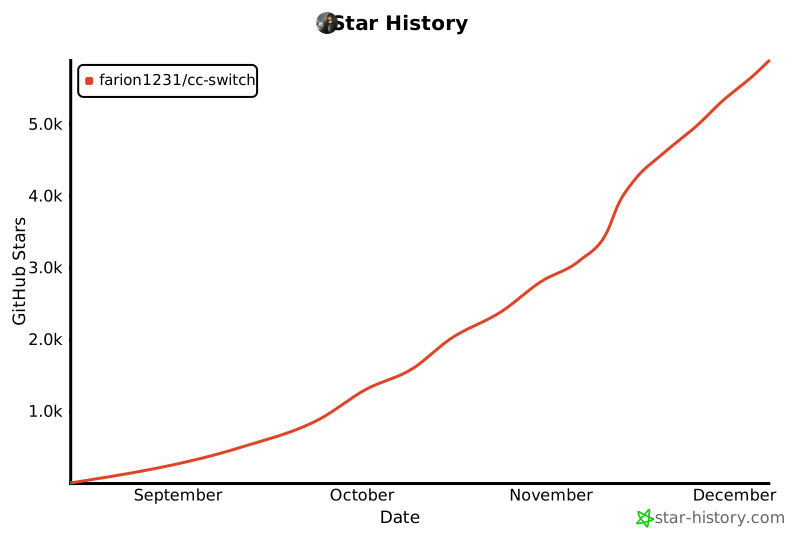](https://www.star-history.com/#farion1231/cc-switch&Date)
|
||||
|
||||
## Lizenz
|
||||
|
||||
MIT © Jason Young
|
||||
@@ -0,0 +1,589 @@
|
||||
<div align="center">
|
||||
|
||||
# CC Switch
|
||||
|
||||
### Claude Code、Claude Desktop、Codex、Gemini CLI、Grok Build、OpenCode、OpenClaw、Hermes Agent のオールインワン管理ツール
|
||||
|
||||
[](https://github.com/farion1231/cc-switch/releases)
|
||||
[](https://github.com/farion1231/cc-switch/releases)
|
||||
[](https://tauri.app/)
|
||||
[](https://github.com/farion1231/cc-switch/releases/latest)
|
||||
|
||||
<a href="https://trendshift.io/repositories/15372" target="_blank"><img src="https://trendshift.io/api/badge/repositories/15372" alt="farion1231%2Fcc-switch | Trendshift" style="width: 250px; height: 55px;" width="250" height="55"/></a>
|
||||
<a href="https://www.star-history.com/#farion1231/cc-switch&Date"><picture><source media="(prefers-color-scheme: dark)" srcset="https://api.star-history.com/badge?repo=farion1231/cc-switch&theme=dark" /><img alt="Star History Rank" src="https://api.star-history.com/badge?repo=farion1231/cc-switch" width="196" height="55" /></picture></a>
|
||||
|
||||
### 🌐 唯一の公式サイト:**[ccswitch.io](https://ccswitch.io)**
|
||||
|
||||
[English](README.md) | [中文](README_ZH.md) | 日本語 | [Deutsch](README_DE.md) | [Changelog](CHANGELOG.md)
|
||||
|
||||
</div>
|
||||
|
||||
## ❤️スポンサー
|
||||
|
||||
> [ここに掲載しませんか?](mailto:farion1231@gmail.com)
|
||||
|
||||
<details open>
|
||||
<summary>クリックで折りたたむ</summary>
|
||||
|
||||
[](https://platform.kimi.ai?aff=cc-switch)
|
||||
|
||||
Kimi K3 は Moonshot AI がこれまでに開発した中で最も高性能なモデルであり、世界初のオープンソース 3T クラスモデルです。2.8 兆パラメータ、ネイティブな視覚能力、100 万トークンのコンテキストウィンドウを備え、長期にわたるコーディング、ナレッジワーク、推論タスクにおいてフロンティア級の性能を発揮します。CC Switch を使えば、さまざまなエージェントツールで Kimi を手軽に設定・切り替えできます。**[ここをクリックして Kimi を使い始める](https://platform.kimi.ai?aff=cc-switch)**
|
||||
|
||||
コーディング作業がメインですか?**[Kimi Code サブスクリプション](https://www.kimi.com/code/?aff=cc-switch)** をぜひお試しください!
|
||||
|
||||
---
|
||||
|
||||
<table>
|
||||
<tr>
|
||||
<td width="180"><a href="https://www.packyapi.com/register?aff=cc-switch"><img src="assets/partners/logos/packycode.png" alt="PackyCode" width="150"></a></td>
|
||||
<td>PackyCode のご支援に感謝します!PackyCode は Claude Code、Codex、Gemini などのリレーサービスを提供する信頼性の高い API 中継プラットフォームです。本ソフト利用者向けに特別割引があります:<a href="https://www.packyapi.com/register?aff=cc-switch">このリンク</a>で登録し、チャージ時に「cc-switch」クーポンを入力すると 10% オフになります。</td>
|
||||
</tr>
|
||||
|
||||
<tr>
|
||||
<td width="180"><a href="https://zetaapi.ai/go/u117"><img src="assets/partners/logos/zetaapi-banner.png" alt="ZetaAPI" width="150"></a></td>
|
||||
<td>本プロジェクトをご支援いただいている ZetaAPI に感謝します!ZetaAPI は、モデル品質の忠実性、水増しなし、性能劣化なし、公式価格の 35% から利用できる低価格を主な特徴としています。プラットフォームはトラフィックの混在、低品質モデルへの密かな切り替え、虚偽のモデルルーティングを行わず、Claude Code、Codex、Gemini、ChatGPT などの主要 AI モデルに対応しており、モデル品質を維持しながら API 利用コストを大幅に削減できます。同時に、ZetaAPI はエンタープライズ級の SLA 安定性保証、標準 API 互換、1つの Key による複数モデル接続、迅速な導入、従量課金などの機能を提供し、AI プロダクト、コード生成、企業内ツール、カスタマーサポート、コンテンツ生成、自動化ワークフローなどの用途に適しています。万が一、モデル品質が表記内容と一致しないことが確認された場合、ZetaAPI は 10 倍補償保証を提供し、ユーザーがより安定して、透明性高く、安心して利用できる環境を実現します。<a href="https://zetaapi.ai/go/u117">こちらのリンク</a>から登録し、初回チャージ時にプロモコード CC-SWITCH を使用すると、CC Switch ユーザー限定の初回チャージ 10% オフ特典をご利用いただけます!</td>
|
||||
</tr>
|
||||
|
||||
<tr>
|
||||
<td width="180"><a href="https://apinebula.com/VjM74M"><img src="assets/partners/logos/apinebula_banner.png" alt="APINebula" width="150"></a></td>
|
||||
<td>本プロジェクトは「APINEBULA」のスポンサーシップにより運営されています!APINEBULA は、「銀河録像局」傘下のエンタープライズ向け AI 統合プラットフォームです。大手の豊富なリソースを背景に、開発者、チーム、そして企業ユーザーの皆様へ、安定性とコストパフォーマンスに優れた大規模言語モデル(LLM)の API 連携サービスを提供しています。Claude、GPT、Gemini をはじめとする世界中の主要なフルスペック(満血)モデルを 1 つの API に集約。世界トップクラスの AI モデルを、<strong>最大 90% OFF(元の価格の 1 割〜)</strong>という圧倒的な低価格でご利用いただけます。また、企業向けの高度な並行処理(高コンカレンシー)、正式な契約締結、法人口座振り込み、請求書・領収書発行など、ビジネス利用に必要なサポートも万全です。AI プログラミング、AI エージェント開発、業務システムへの統合など、様々なシーンに最適です。<a href="https://apinebula.com/VjM74M">こちらのリンク</a>から登録し、チャージ時にプロモコード <strong>「ccswitch」を入力すると、さらに 10% OFF</strong> の割引特典が適用されます!</td>
|
||||
</tr>
|
||||
|
||||
<tr>
|
||||
<td width="180"><a href="https://www.aicodemirror.com/register?invitecode=9915W3"><img src="assets/partners/logos/aicodemirror.jpg" alt="AICodeMirror" width="150"></a></td>
|
||||
<td>AICodeMirror のご支援に感謝します!AICodeMirror は Claude Code / Codex / Gemini CLI の公式高安定リレーサービスを提供しており、エンタープライズ級の同時接続、迅速な請求書発行、24時間年中無休の専用テクニカルサポートを備えています。
|
||||
Claude Code / Codex / Gemini 公式チャンネルが最安で元価格の 38% / 2% / 9%、チャージ時にはさらに割引!AICodeMirror は CC Switch ユーザー向けに特別特典を用意:<a href="https://www.aicodemirror.com/register?invitecode=9915W3">このリンク</a>から登録すると初回チャージ 20% オフ、法人のお客様は最大 25% オフ!</td>
|
||||
</tr>
|
||||
|
||||
<tr>
|
||||
<td width="180"><a href="https://pateway.ai/?ch=etzpm8&aff=WB6M6F67#/"><img src="assets/partners/logos/pateway.png" alt="PatewayAI" width="150"></a></td>
|
||||
<td>PatewayAI のご支援に感謝します!PatewayAI はヘビーな AI 開発者向けに、公式直結の高品質モデル API 中継サービスを専門に提供するプロバイダーです。Claude シリーズ全モデルおよび Codex シリーズに対応し、100% 公式ソースから直接提供。混ぜ物・水増しは一切なく、検証も歓迎します。課金は透明で、トークン単位の請求書を 1 件ずつ照合可能です。
|
||||
エンタープライズ級の高同時接続にも対応し、法人のお客様には専用の管理プラットフォームを提供。正式契約および請求書発行に対応しており、詳細は公式サイトの連絡先よりお問い合わせください。
|
||||
現在、<a href="https://pateway.ai/?ch=etzpm8&aff=WB6M6F67#/">このリンク</a>からご登録いただくと $3 のトライアルクレジットを進呈。チャージは最安で元価格の 60%、友達紹介は双方にボーナスが付与され、紹介報酬は最大 $150!</td>
|
||||
</tr>
|
||||
|
||||
<tr>
|
||||
<td width="180"><a href="https://api.fenno.ai/register?redirect=/purchase?tab=subscription%26group=16&aff=P9MR3D3PLCNL"><img src="assets/partners/logos/fenno-banner.png" alt="Fenno.ai" width="150"></a></td>
|
||||
<td>Fenno.ai のご支援に感謝します!Fenno.ai は安定かつ高効率な API 中継サービスプロバイダーで、現在は主に Codex の中継を提供しています。OpenAI および Anthropic プロトコルに対応し、Codex・Claude Code・OpenCode などの主要なコーディングツールから柔軟に利用できます。1 日あたり数千億トークンというエンタープライズ級の呼び出し需要を安定して支え、国内外の法人による B2B 決済・請求書発行に対応しています。Fenno.ai は CC Switch 利用者限定の特典を用意しています:<a href="https://api.fenno.ai/register?redirect=/purchase?tab=subscription%26group=16&aff=P9MR3D3PLCNL">こちらのリンク</a>から 9.9 元(150 ドル相当)のお得な Coding Plan を購入でき、友達紹介で最大 20% の特典がもらえます。紹介すればするほどお得です!</td>
|
||||
</tr>
|
||||
|
||||
<tr>
|
||||
<td width="180"><a href="https://runapi.co/register?aff=iOKB"><img src="assets/partners/logos/runapi.jpg" alt="RunAPI" width="150"></a></td>
|
||||
<td>本プロジェクトのスポンサーである RunAPI に感謝いたします!RunAPI は高効率で安定した AI モデル API ゲートウェイです。一つの API Key で、OpenAI、Claude、Gemini、DeepSeek、Grok など 150 種類以上の主要モデルにアクセス可能。料金は公式価格の最大 10%、安定性にも優れ、Claude Code や OpenClaw などのツールとシームレスに連携できます。CC Switch ユーザー限定特典:<a href="https://runapi.co/register?aff=iOKB">こちらのリンク</a>から登録し、初回チャージで 10% オフの割引をお楽しみいただけます!</td>
|
||||
</tr>
|
||||
|
||||
<tr>
|
||||
<td width="180"><a href="https://unity2.ai/register?source=ccs"><img src="assets/partners/logos/unity2.jpg" alt="Unity2.ai" width="150"></a></td>
|
||||
<td>Unity2.ai のご支援に感謝します!Unity2.ai は個人開発者・チーム・企業向けの高性能 AI モデル API リレープラットフォームです。中国の大手企業に長年利用されており、1 日 300 億トークン以上を処理し、5000 RPM クラスの高並列に対応しています。残高課金、初回チャージボーナス、組み合わせサブスクリプション、企業向け請求書発行、専任サポートを提供。<a href="https://unity2.ai/register?source=ccs">こちらのリンク</a>から登録すると $2 のクレジット、公式グループへの参加でさらに $10、最大 $12 の無料クレジットがもらえます!</td>
|
||||
</tr>
|
||||
|
||||
<tr>
|
||||
<td width="180"><a href="https://www.shengsuanyun.com/?from=CH_4HHXMRYF"><img src="assets/partners/logos/shengsuanyun.png" alt="Shengsuanyun" width="150"></a></td>
|
||||
<td>胜算雲(Shengsuanyun)のご支援に感謝します!胜算雲は AI ネイティブチーム向けのスーパーファクトリーであり、産業グレードの AI タスク並列実行プラットフォームです。モデルマーケットプレイスでは Claude、ChatGPT、Gemini をはじめとする国内外の LLM およびマルチメディアモデルの計算リソースを集約・直接提供。リバースエンジニアリングや品質低下は一切なく、プラットフォーム全体のモデル SLA 可用性は 99.7% に達し、<a href="https://watch.shengsuanyun.com/status/shengsuanyun">監視ダッシュボード</a>は常時グリーン表示です。さらにエンタープライズ向けカスタムゲートウェイを提供し、チームのきめ細かなコスト・権限管理、スマートルーティング、セキュリティ保護、BYOK(自社キー持ち込み)ホスティングを実現します。従量課金およびトークンプラン(近日公開)対応で、請求書発行にも対応。<a href="https://www.shengsuanyun.com/?from=CH_4HHXMRYF">このリンク</a>から新規登録すると 10 元分のクレジットと初回チャージ 10% ボーナスが付与されます。</td>
|
||||
</tr>
|
||||
|
||||
<tr>
|
||||
<td width="180"><a href="https://aigocode.com/invite/CC-SWITCH"><img src="assets/partners/logos/aigocode.png" alt="AIGoCode" width="150"></a></td>
|
||||
<td>本プロジェクトは AIGoCode のスポンサー提供でお届けしています。AIGoCode は、Claude Code・Codex・最新の Gemini モデルを統合したオールインワンのAIコーディングプラットフォームで、安定性・高速性・コストパフォーマンスに優れた開発サービスを提供します。柔軟なサブスクリプションプランを備え、レスポンスも非常に高速です。さらに、CC Switch ユーザー向けの特典として、<a href="https://aigocode.com/invite/CC-SWITCH">このリンク</a>から登録すると、初回チャージ時に10%分のボーナスクレジットが付与されます!</td>
|
||||
</tr>
|
||||
|
||||
<tr>
|
||||
<td width="180"><a href="https://subrouter.ai/register?aff=l3ri"><img src="assets/partners/logos/subrouter-banner.png" alt="SubRouter" width="150"></a></td>
|
||||
<td>本プロジェクトをご支援いただいている SubRouter に感謝します!SubRouter は、AI サービス事業者向けのマーケットプレイス兼スマートルーティングプラットフォームです。事業者は独立した運営サイトを立ち上げ、プランを公開し、ユーザー・モデル・価格を管理でき、ユーザーはマーケットでサービスを見つけ、統一された API を通じて安定かつ高効率なモデル呼び出しを利用できます。<a href="https://subrouter.ai/register?aff=l3ri">こちらのリンク</a>から登録してください!</td>
|
||||
</tr>
|
||||
|
||||
<tr>
|
||||
<td width="180"><a href="https://apikey.fun/register?aff=CCSwitch"><img src="assets/partners/logos/apikey_banner.png" alt="APIKEY.FUN" width="150"></a></td>
|
||||
<td>APIKEY.FUN のご支援に感謝します!APIKEY.FUN は、企業および個人開発者向けに安定・高効率・低コストな AI モデル API 接続サービスを提供する、プロフェッショナルなエンタープライズ級 AI リレープラットフォームです。Claude、OpenAI、Gemini などの主要人気モデルに対応し、料金は公式価格の 7% から利用できます。本プロジェクトの<a href="https://apikey.fun/register?aff=CCSwitch">専用リンク</a>から登録すると、最大で<strong>チャージ永久 5% オフ</strong>の特別優待も受けられます。</td>
|
||||
</tr>
|
||||
|
||||
<tr>
|
||||
<td width="180"><a href="https://console.claudeapi.com/register?aff=pCLD"><img src="assets/partners/logos/claudeapi.png" alt="ClaudeAPI" width="150"></a></td>
|
||||
<td>本プロジェクトは <a href="https://console.claudeapi.com/register?aff=pCLD">Claude API</a> がスポンサーです。Claude API 直結 — わずか 3 分で Claude Code や Agent アプリに接続可能。新規ユーザーにはテストクレジットを提供しています。Anthropic 公式キーおよび AWS Bedrock 公式チャネルに基づいており、リバースエンジニアリングや性能劣化はありません。Opus / Sonnet / Haiku の全モデルラインナップをサポートし、Tool Use や 1M コンテキストなどの公式機能をすべて保持しています。Claude Code ヘビーユーザー、Agent エンジニア、企業技術チームに最適です。請求書発行およびチーム対応が可能です。<a href="https://console.claudeapi.com/register?aff=pCLD">こちら</a>から登録してください!</td>
|
||||
</tr>
|
||||
|
||||
<tr>
|
||||
<td width="180"><a href="https://code0.ai/agent/register/B2XHxGjGmRvqgznY"><img src="assets/partners/logos/code0.png" alt="code0.ai" width="150"></a></td>
|
||||
<td>本プロジェクトをご支援いただいている <a href="https://code0.ai/agent/register/B2XHxGjGmRvqgznY">code0.ai</a> に感謝します!code0.ai は開発者向けの AI コーディングサービスプラットフォームで、Claude Code、Codex、Gemini などの主要な AI コーディング機能に対応しています。個人開発者やチームが、コーディング、デバッグ、リファクタリング、自動化ワークフローで AI Agent をより安定かつ効率的に活用できるよう支援します。ccswitch ユーザーは <a href="https://code0.ai/agent/register/B2XHxGjGmRvqgznY">code0.ai 公式サイト</a> からカスタマーサポートに連絡することで、テストクレジットを受け取り、信頼性の高い AI コーディングサービスを体験できます。</td>
|
||||
</tr>
|
||||
|
||||
<tr>
|
||||
<td width="180"><a href="https://teamorouter.com/?utm_source=cc_switch&utm_medium=referral&utm_campaign=ai_directory"><img src="assets/partners/logos/TeamoRouter-banner.png" alt="TeamoRouter" width="150"></a></td>
|
||||
<td>このプロジェクトをご支援いただいている TeamoRouter に感謝します!TeamoRouter は、開発者、AI チーム、企業向けに構築されたエンタープライズグレードの Agentic LLM ゲートウェイです。サブスクリプション不要で、単一の統合 API を通じて Claude Code、Codex、Gemini CLI、OpenAI Codex、その他の人気 AI エージェントにアクセスでき、API 料金は最大 90% オフで利用できます。
|
||||
一般的な API リレーサービスとは異なり、TeamoRouter は OpenAI、Anthropic、Vertex、Azure、AWS Bedrock など、数百の公式モデルプロバイダーと信頼できるインフラパートナーを集約しています。各プロバイダーは、Agent プロトコルとの 100% 互換性、キャッシュ性能、リクエストの追跡可能性について検証されており、リバースエンジニアリングされたものや品質が薄められたエンドポイントではなく、安定した品質を提供します。プラットフォームは公式に近い TTFT、99.6% の SLA、最大 5,000 QPM のエンタープライズ規模のスループット、そして業界トップクラスのキャッシュヒット率を提供し、長時間稼働するエージェントワークフローのトークンコストを大幅に削減します。
|
||||
TeamoRouter は、集中請求、チーム管理、BYOK、スマートルーティング、利用状況分析、動的なプロバイダー最適化、専任サポートなどのエンタープライズ機能も提供しています。さらにシンプルな体験を求める場合は、Teamo Desktop を使うことで、Claude Code、Codex、Gemini CLI、その他の人気 AI エージェントをワンクリックで利用できます。API キー管理や手動のゲートウェイ設定は不要です。新規ユーザーとして<a href="https://teamorouter.com/?utm_source=cc_switch&utm_medium=referral&utm_campaign=ai_directory">こちらのリンク</a>から登録すると、初回チャージが 10% オフになります。</td>
|
||||
</tr>
|
||||
|
||||
<tr>
|
||||
<td width="180"><a href="https://www.newapi.ai/"><img src="assets/partners/logos/newapi-banner.png" alt="new-api" width="150"></a></td>
|
||||
<td>オープンソースの AI インフラプロジェクト <a href="https://www.newapi.ai/">new-api</a> による本プロジェクトへの多大なご支援に感謝します!new-api は QuantumNous(锟腾科技)が開発したオープンソースの AI インフラプロジェクトであり、活発さと利用規模の面でリードする LLM 統合アクセス・配信プロジェクトの一つで、開発者・チーム・企業がより低コストで管理・拡張可能な AI サービスプラットフォームを構築できるよう支援することに注力しています。同じくオープンソースエコシステムに根ざすプロジェクトとして、new-api はスポンサーシップを通じて、より多くの優れたオープンソースプロジェクトの継続的な発展を支援したいと考えています。🌟 new-api への Star で応援をお願いします:<a href="https://github.com/QuantumNous/new-api">https://github.com/QuantumNous/new-api</a>。公式サイト:<a href="https://www.newapi.ai/">https://www.newapi.ai/</a>。</td>
|
||||
</tr>
|
||||
|
||||
<tr>
|
||||
<td width="180"><a href="https://claudecn.ai/register?aff=HEL9"><img src="assets/partners/logos/claudecn.jpg" alt="ClaudeCN" width="150"></a></td>
|
||||
<td>本プロジェクトのスポンサーである ClaudeCN に感謝いたします!ClaudeCN は、実体のある企業によって運営されるエンタープライズ向け AI ゲートウェイプラットフォームです。Claude、GPT、DeepSeek など主要モデルへの高可用な商用 API アクセスを提供し、企業の調達プロセスにも対応 — 法人振込や正式契約に対応し、コンプライアンス面でも安心してご利用いただけます。<a href="https://claudecn.ai/register?aff=HEL9">こちら</a>からご登録ください!</td>
|
||||
</tr>
|
||||
|
||||
<tr>
|
||||
<td width="180"><a href="https://www.byteplus.com/en/product/modelark?utm_campaign=hw&utm_content=ccswitch&utm_medium=devrel_tool_web&utm_source=OWO&utm_term=ccswitch"><img src="assets/partners/logos/byteplus.png" alt="BytePlus" width="150"></a></td>
|
||||
<td>Dola seed のご支援に感謝します!Dola Seed 2.0 は ByteDance がグローバル市場向けに独自開発したフルモーダル汎用大規模モデルです。統一されたマルチモーダルアーキテクチャを基盤に、テキスト・画像・音声・動画の統合的な理解と生成をサポートします。エージェント連携をネイティブに実現し、強力な推論、長時間タスクの実行、ツール統合、コーディング能力を備えています。スマートコックピット、パーソナルアシスタント、教育、カスタマーサポート、マーケティング、リテールなど幅広いシナリオに適用可能で、マルチモーダル認識、エンドツーエンドの複雑なタスク遂行、安定したインタラクション、データセキュリティに優れ、ModelArk プラットフォームを通じて手軽に利用・デプロイできます。<a href="https://www.byteplus.com/en/product/modelark?utm_campaign=hw&utm_content=ccswitch&utm_medium=devrel_tool_web&utm_source=OWO&utm_term=ccswitch">このリンク</a>からご登録いただくと、モデルごとに 500,000 トークンの無料推論クォータを進呈します。<a href="https://www.volcengine.com/activity/ai618?utm_campaign=hw&utm_content=hw&utm_medium=devrel_tool_web&utm_source=OWO&utm_term=ccswitch"> >>中国大陆地区的开发者请点击这里</a></td>
|
||||
</tr>
|
||||
|
||||
<tr>
|
||||
<td width="180"><a href="https://cloud.siliconflow.cn/i/YflgU2Ve"><img src="assets/partners/logos/silicon_en.jpg" alt="SiliconFlow" width="150"></a></td>
|
||||
<td>SiliconFlow のご支援に感謝します!SiliconFlow は高性能 AI インフラストラクチャおよびモデル API プラットフォームで、言語・音声・画像・動画モデルへの高速かつ信頼性の高いアクセスをワンストップで提供します。従量課金制、豊富なマルチモーダルモデル対応、高速推論、エンタープライズグレードの安定性を備え、開発者やチームがより効率的に AI アプリケーションを構築・拡張できるようサポートします。<a href="https://cloud.siliconflow.cn/i/YflgU2Ve">このリンク</a>から登録し、本人確認を完了すると、プラットフォーム内の全モデルで利用可能な ¥16 のボーナスクレジットが付与されます。SiliconFlow は OpenClaw にも対応しており、SiliconFlow の API キーを接続することで主要な AI モデルを無料で呼び出すことができます。</td>
|
||||
</tr>
|
||||
|
||||
<tr>
|
||||
<td width="180"><a href="https://nekocode.ai?aff=CCSWITCH"><img src="assets/partners/logos/nekocode-banner.png" alt="NekoCode" width="150"></a></td>
|
||||
<td>本プロジェクトをご支援いただいている <a href="https://nekocode.ai?aff=CCSWITCH">NekoCode</a> に感謝します!NekoCode は、Claude や Codex などの AI モデルに対応した、安定性・効率性・信頼性に優れた API 中継サービスを提供しています。料金体系は明瞭で、柔軟な従量課金にも対応しています。CC Switch ユーザー限定の 10%オフ特典:<a href="https://nekocode.ai?aff=CCSWITCH">こちらのリンク</a> から登録し、チャージ時にクーポンコード <code>cc-switch</code> を入力すると、チャージが 10%オフになります!</td>
|
||||
</tr>
|
||||
|
||||
<tr>
|
||||
<td width="180"><a href="https://www.atlascloud.ai/coding-plan?utm_source=github&utm_campaign=cc-switch"><img src="assets/partners/logos/atlascloud_banner.png" alt="Atlas Cloud" width="150"></a></td>
|
||||
<td>Atlas Cloud は、1 つの API で動画・画像生成や LLM(大規模言語モデル)を利用できる全モーダル対応の AI 推論プラットフォームです。複数のベンダーを個別に管理する手間を省き、一度の接続で 300 以上の厳選されたマルチモーダルモデルにアクセスできます。より低コストで API を利用できる、開発者向けの新しい<a href="https://www.atlascloud.ai/coding-plan?utm_source=github&utm_campaign=cc-switch">「コーディングプラン」</a>プロモーションをぜひチェックしてください!</td>
|
||||
</tr>
|
||||
|
||||
<tr>
|
||||
<td width="180"><a href="https://www.compshare.cn/coding-plan?ytag=GPU_YY_YX_git_cc-switch"><img src="assets/partners/logos/ucloud.png" alt="Compshare" width="150"></a></td>
|
||||
<td>Compshare のご支援に感謝します!Compshare は UCloud 傘下の AI クラウドプラットフォームで、国内外の安定した包括的なモデル API を 1 つのキーだけで利用可能。月額・都度課金のコストパフォーマンスに優れた国内モデル Coding Plan パッケージを提供し、公式リレーによる安定した海外モデルも利用できます。Claude Code、Codex および API アクセスに対応。エンタープライズ級の高同時接続、24 時間年中無休のテクニカルサポート、セルフサービス請求書発行に対応。<a href="https://www.compshare.cn/coding-plan?ytag=GPU_YY_YX_git_cc-switch">こちらのリンク</a>から登録すると、無料で 5 元分のプラットフォーム体験クレジットがもらえます!</td>
|
||||
</tr>
|
||||
|
||||
<tr>
|
||||
<td width="180"><a href="https://www.ccsub.net/register?ref=Y6Z8DXEA"><img src="assets/partners/logos/ccsub.svg" alt="CCSub" width="150"></a></td>
|
||||
<td>CCSub のご支援に感謝します!CCSub は安定した低価格の AI API リレープラットフォームで、Claude Code 公式サブスクリプションの強力な代替です。1 つの API キーで Claude Opus 4.8、Sonnet 4.6、Haiku 4.5、GPT-5、Gemini、DeepSeek の全モデルを公式直接利用の約 1/3 のコストでご利用いただけます。VPN 不要で世界中から直接接続可能。Claude Code、Codex、Cursor、Cline、Continue、Windsurf など主要な AI コーディングツールすべてに対応しています。<a href="https://www.ccsub.net/register?ref=Y6Z8DXEA">こちらのリンク</a>から登録すると $5 の無料クレジットがもらえます。</td>
|
||||
</tr>
|
||||
|
||||
<tr>
|
||||
<td width="180"><a href="https://www.sssaicode.com/register?ref=DCP0SM"><img src="assets/partners/logos/sssaicode.png" alt="SSSAiCode" width="150"></a></td>
|
||||
<td>SSSAiCode のご支援に感謝します!SSSAiCode は安定性と信頼性に優れた API 中継サービスで、安定的で信頼性が高く、手頃な価格の Claude・Codex モデルサービスを提供しています。当日の迅速な請求書発行をサポート。CC Switch ユーザー向けの特別特典:<a href="https://www.sssaicode.com/register?ref=DCP0SM">こちらのリンク</a>から登録すると、毎回のチャージで $10 の追加ボーナスを受けられます!</td>
|
||||
</tr>
|
||||
|
||||
<tr>
|
||||
<td width="180"><a href="https://www.micuapi.ai/register?aff=aOYQ"><img src="assets/partners/logos/mikubanner.svg" alt="Micu" width="150"></a></td>
|
||||
<td>Micu API のご支援に感謝します!Micu API は、最高のコストパフォーマンスと高い安定性を追求するグローバル大規模言語モデル中継サービスプロバイダーです。法人企業がバックアップしており、サービス停止のリスクを排除、迅速な正規請求書発行に対応!「試行コストゼロ」をモットーに、最低 1 元からチャージ可能で手数料無料、いつでも返金可能!CC Switch ユーザー向けの限定特典:<a href="https://www.micuapi.ai/register?aff=aOYQ">こちらのリンク</a>から登録し、チャージ時にプロモコード「ccswitch」を入力すると <strong>10% 割引</strong> が適用されます!</td>
|
||||
</tr>
|
||||
|
||||
<tr>
|
||||
<td width="180"><a href="https://www.right.codes/register?aff=CCSWITCH"><img src="assets/partners/logos/rightcode.jpg" alt="RightCode" width="150"></a></td>
|
||||
<td>本プロジェクトへのご支援として、Right Code にご協賛いただき誠にありがとうございます。Right Code は、Claude Code、Codex、Gemini などのモデル向け中継サービスを安定して提供しており、従量課金と月額プランの 2 つの料金体系から選択できます。チャージ後に請求書の発行が可能で、法人・チームのお客様には専任担当による個別対応も行っています。さらに、CC Switch ユーザー向けの特別優待として、<a href="https://www.right.codes/register?aff=CCSWITCH">こちらのリンク</a>から登録すると、チャージのたびに実際の支払額の 5% 相当の従量課金クレジットが付与されます。</td>
|
||||
</tr>
|
||||
|
||||
<tr>
|
||||
<td width="180"><a href="https://etok.ai"><img src="assets/partners/logos/etok.png" alt="ETok" width="150"></a></td>
|
||||
<td>ETok.ai のご支援に感謝します!ETok.ai はワンストップ AI プログラミングツールサービスプラットフォームの構築に取り組んでいます。Claude Code のプロフェッショナルプランと技術コミュニティサービスを提供し、Google Gemini や OpenAI Codex にも対応しています。丁寧に設計されたプランと専門的な技術コミュニティを通じて、開発者に安定したサービス保証と継続的な技術サポートを提供し、AI アシストプログラミングを真の生産性ツールにします。<a href="https://etok.ai">こちら</a>から登録してください!</td>
|
||||
</tr>
|
||||
|
||||
<tr>
|
||||
<td width="180"><a href="https://cubence.com/signup?code=CCSWITCH&source=ccs"><img src="assets/partners/logos/cubence.png" alt="Cubence" width="150"></a></td>
|
||||
<td>Cubence のご支援に感謝します!Cubence は Claude Code、Codex、Gemini などのリレーサービスを提供する信頼性の高い API 中継プラットフォームで、従量課金や月額プランなど柔軟な料金体系を提供しています。CC Switch ユーザー向けの特別割引:<a href="https://cubence.com/signup?code=CCSWITCH&source=ccs">このリンク</a>で登録し、チャージ時に「CCSWITCH」クーポンを入力すると、毎回 10% オフになります!</td>
|
||||
</tr>
|
||||
|
||||
<tr>
|
||||
<td width="180"><a href="https://crazyrouter.com/register?aff=OZcm&ref=cc-switch"><img src="assets/partners/logos/crazyrouter.png" alt="Crazyrouter" width="150"></a></td>
|
||||
<td>Crazyrouter のご支援に感謝します!Crazyrouter は高性能 AI API アグリゲーションプラットフォームです。1 つの API キーで Claude Code、Codex、Gemini CLI など 300 以上のモデルにアクセス可能。全モデルが公式価格の 55% で利用でき、自動フェイルオーバー、スマートルーティング、無制限同時接続に対応。CC Switch ユーザー向けの限定特典:<a href="https://crazyrouter.com/register?aff=OZcm&ref=cc-switch">こちらのリンク</a>から登録後、カスタマーサポートまでご連絡いただくと <strong>$2 の無料クレジット</strong> を受け取れます。さらに初回チャージ時にプロモコード `CCSWITCH` を入力すると <strong>30% のボーナスクレジット</strong> が追加されます!</td>
|
||||
</tr>
|
||||
|
||||
<tr>
|
||||
<td width="180"><a href="https://www.dmxapi.cn/register?aff=bUHu"><img src="assets/partners/logos/dmx-en.jpg" alt="DMXAPI" width="150"></a></td>
|
||||
<td>DMXAPI のご支援に感謝します!DMXAPI は 200 社以上の企業ユーザーにグローバル大規模モデル API サービスを提供しています。1 つの API キーで全世界のモデルにアクセス可能。即時請求書発行、同時接続数無制限、最低 $0.15 から、24 時間年中無休のテクニカルサポート。GPT/Claude/Gemini が全て 32% オフ、国内モデルは 20〜50% オフ、Claude Code 専用モデルは 66% オフ実施中!<a href="https://www.dmxapi.cn/register?aff=bUHu">登録はこちら</a></td>
|
||||
</tr>
|
||||
|
||||
</table>
|
||||
|
||||
</details>
|
||||
|
||||
## CC Switch を選ぶ理由
|
||||
|
||||
最新の AI コーディングは Claude Code、Claude Desktop、Codex、Gemini CLI、Grok Build、OpenCode、OpenClaw、Hermes などのツールに依存していますが、各ツールの設定形式はバラバラです。API プロバイダを切り替えるたびに JSON、TOML、`.env` ファイルを手動で編集する必要があり、複数ツール間で MCP や Skills を統一的に管理する手段もありません。
|
||||
|
||||
**CC Switch** は、対応する AI ツールを 1 つのデスクトップアプリで一元管理できます。設定ファイルを手作業で編集する代わりに、ワンクリックでプロバイダをインポートし、瞬時に切り替えられるビジュアルインターフェースを提供します。50 以上の組み込みプリセット、統一 MCP・Skills 管理、システムトレイからの即時切り替え機能を搭載。すべてはアトミック書き込みによる信頼性の高い SQLite データベースに支えられており、設定の破損を防ぎます。
|
||||
|
||||
- **1 つのアプリで 8 つのツール** -- Claude Code、Claude Desktop、Codex、Gemini CLI、Grok Build、OpenCode、OpenClaw、Hermes を単一インターフェースで管理
|
||||
- **手動編集は不要** -- AWS Bedrock、NVIDIA NIM、コミュニティリレーなど 50 以上のプロバイダプリセットを内蔵。選んで切り替えるだけ
|
||||
- **統一 MCP・Skills 管理** -- 1 つのパネルで Claude、Codex、Gemini、Grok Build、OpenCode、Hermes の MCP サーバーと Skills を双方向同期で管理
|
||||
- **システムトレイでクイック切り替え** -- トレイメニューから即座にプロバイダを切り替え。アプリを開く必要なし
|
||||
- **クラウド同期** -- Dropbox、OneDrive、iCloud、または WebDAV サーバー経由でデバイス間のプロバイダデータを同期
|
||||
- **クロスプラットフォーム** -- Tauri 2 で構築された Windows、macOS、Linux 対応のネイティブデスクトップアプリ
|
||||
- **便利ツール内蔵** -- 初回起動時のログイン確認、署名バイパス、プラグイン拡張の同期など、さまざまなユーティリティを搭載
|
||||
|
||||
## スクリーンショット
|
||||
|
||||
| メイン画面 | プロバイダ追加 |
|
||||
| :-------------------------------------------: | :----------------------------------------------: |
|
||||
|  |  |
|
||||
|
||||
## 特長
|
||||
|
||||
[完全な更新履歴](CHANGELOG.md) | [リリースノート](docs/release-notes/v3.16.1-ja.md)
|
||||
|
||||
### プロバイダ管理
|
||||
|
||||
- **8 つの対応ツール、50 以上のプリセット** -- Claude Code、Claude Desktop、Codex、Gemini CLI、Grok Build、OpenCode、OpenClaw、Hermes。キーをコピーしてワンクリックでインポート
|
||||
- **ユニバーサルプロバイダ** -- 1 つの設定を Claude Code、Codex、Gemini CLI に同期
|
||||
- ワンクリック切り替え、システムトレイクイックアクセス、ドラッグ&ドロップ並び替え、インポート/エクスポート
|
||||
|
||||
### プロキシ & フェイルオーバー
|
||||
|
||||
- **ローカルプロキシのホットスイッチ** -- フォーマット変換、自動フェイルオーバー、サーキットブレーカー、プロバイダヘルスモニタリング、リクエストレクティファイア
|
||||
- **アプリレベルのテイクオーバー** -- Claude、Codex、Gemini、Grok Build を個別にプロキシ経由でルーティング、プロバイダ単位で設定可能
|
||||
|
||||
### MCP、Prompts & Skills
|
||||
|
||||
- **統一 MCP パネル** -- Claude、Codex、Gemini、Grok Build、OpenCode、Hermes の MCP サーバーを管理、双方向同期、Deep Link インポート対応
|
||||
- **Prompts** -- Markdown エディタ、クロスアプリ同期(CLAUDE.md / AGENTS.md / GEMINI.md)、バックフィル保護
|
||||
- **Skills** -- GitHub リポジトリまたは ZIP ファイルからワンクリックインストール、カスタムリポジトリ管理、シンボリックリンクとファイルコピーに対応
|
||||
|
||||
### 使用量 & コストトラッキング
|
||||
|
||||
- **使用量ダッシュボード** -- プロバイダ横断で支出・リクエスト数・トークン使用量を追跡、トレンドチャート、詳細リクエストログ、カスタムモデル価格設定
|
||||
|
||||
### Session Manager & ワークスペース
|
||||
|
||||
- 対応するセッションソースの会話履歴を閲覧・検索・復元
|
||||
- **ワークスペースエディタ**(OpenClaw)-- エージェントファイル(AGENTS.md、SOUL.md など)を Markdown プレビュー付きで編集
|
||||
|
||||
### システム & プラットフォーム
|
||||
|
||||
- **クラウド同期** -- カスタム設定ディレクトリ(Dropbox、OneDrive、iCloud、NAS)および WebDAV サーバー同期
|
||||
- **Deep Link** (`ccswitch://`) -- URL 経由でプロバイダ、MCP サーバー、Prompts、Skills をワンクリックインポート
|
||||
- ダーク / ライト / システムテーマ、自動起動、自動アップデーター、アトミック書き込み、自動バックアップ、多言語対応(簡体中文/繁體中文/英/日)
|
||||
|
||||
## よくある質問
|
||||
|
||||
<details>
|
||||
<summary><strong>CC Switch はどの AI ツールに対応していますか?</strong></summary>
|
||||
|
||||
CC Switch は **Claude Code**、**Claude Desktop**、**Codex**、**Gemini CLI**、**Grok Build**、**OpenCode**、**OpenClaw**、**Hermes** の 8 つのツールに対応しています。各ツールに専用のプロバイダプリセットと設定管理が用意されています。
|
||||
|
||||
</details>
|
||||
|
||||
<details>
|
||||
<summary><strong>プロバイダを切り替えた後、ターミナルの再起動は必要ですか?</strong></summary>
|
||||
|
||||
ほとんどのツールでは、はい。変更を反映するにはターミナルまたは CLI ツールを再起動してください。ただし **Claude Code** は例外で、現在プロバイダデータのホットスイッチに対応しており、再起動は不要です。
|
||||
|
||||
</details>
|
||||
|
||||
<details>
|
||||
<summary><strong>プロバイダを切り替えた後、プラグイン設定が消えてしまいました。どうすればよいですか?</strong></summary>
|
||||
|
||||
CC Switch には「共有設定スニペット」機能があり、APIキーやエンドポイント以外の共通データをプロバイダ間で引き継ぐことができます。「プロバイダ編集」→「共有設定パネル」→「現在のプロバイダから抽出」をクリックして、すべての共通データを保存してください。新しいプロバイダを作成する際に「共有設定を適用」にチェック(デフォルトで有効)を入れれば、プラグインなどのデータが新しいプロバイダ設定に含まれます。すべての設定項目は、アプリ初回起動時にインポートされたデフォルトプロバイダに保存されており、失われることはありません。
|
||||
|
||||
</details>
|
||||
|
||||
<details>
|
||||
<summary><strong>macOS のインストールについて</strong></summary>
|
||||
|
||||
CC Switch の macOS 版は Apple によるコード署名と公証が完了しています。直接ダウンロードしてインストールできます — 追加の手順は不要です。`.dmg` インストーラの使用を推奨します。
|
||||
|
||||
</details>
|
||||
|
||||
<details>
|
||||
<summary><strong>現在アクティブなプロバイダを削除できないのはなぜですか?</strong></summary>
|
||||
|
||||
CC Switch は「最小限の介入」という設計原則に従っています。アプリをアンインストールしても、CLI ツールは正常に動作し続けます。すべての設定を削除すると対応する CLI ツールが使用できなくなるため、システムは常にアクティブな設定を 1 つ保持します。特定の CLI ツールをあまり使用しない場合は、設定で非表示にできます。公式ログインに戻す方法は、次の質問をご覧ください。
|
||||
|
||||
</details>
|
||||
|
||||
<details>
|
||||
<summary><strong>公式ログインに戻すにはどうすればよいですか?</strong></summary>
|
||||
|
||||
プリセットリストから公式プロバイダを追加してください。切り替え後、ログアウト/ログインのフローを実行すれば、以降は公式プロバイダとサードパーティプロバイダを自由に切り替えられます。Codex では異なる公式プロバイダ間の切り替えに対応しており、複数の Plus アカウントや Team アカウントの切り替えに便利です。
|
||||
|
||||
</details>
|
||||
|
||||
<details>
|
||||
<summary><strong>データはどこに保存されますか?</strong></summary>
|
||||
|
||||
- **データベース**: `~/.cc-switch/cc-switch.db`(SQLite -- プロバイダ、MCP、Prompts、Skills)
|
||||
- **ローカル設定**: `~/.cc-switch/settings.json`(デバイスレベルの UI 設定)
|
||||
- **バックアップ**: `~/.cc-switch/backups/`(自動ローテーション、最新 10 件を保持)
|
||||
- **Skills**: `~/.cc-switch/skills/`(デフォルトでシンボリックリンクにより対応アプリに接続)
|
||||
- **Skill バックアップ**: `~/.cc-switch/skill-backups/`(アンインストール前に自動作成、最新 20 件を保持)
|
||||
|
||||
</details>
|
||||
|
||||
<details>
|
||||
<summary><strong>Linux(Wayland + NVIDIA):Web コンテンツがクリックできない・リサイズで黒画面になる</strong></summary>
|
||||
|
||||
AppImage は過去のネイティブ Wayland クラッシュを避けるため `GDK_BACKEND=x11`(XWayland)を強制します。新しい Wayland + NVIDIA 環境ではこれが原因で Web コンテンツ領域がクリックできなくなり(タイトルバーのボタンは動作します)、リサイズ時に黒画面になることがあります。内蔵のエスケープハッチでネイティブ Wayland に戻せます:
|
||||
|
||||
```bash
|
||||
CC_SWITCH_GDK_BACKEND=wayland ./CC-Switch-*.AppImage
|
||||
```
|
||||
|
||||
デスクトップアイコンから起動する場合は、`.desktop` の `Exec=` 行に追記するか(例:`env CC_SWITCH_GDK_BACKEND=wayland /path/to/AppImage`)、セッション環境で設定してください。この変数は汎用です:タイル型 Wayland コンポジタ(sway/Hyprland)でクリックが効かない場合は、逆に `CC_SWITCH_GDK_BACKEND=x11` を試してください。未設定の場合は既定の動作のままです。
|
||||
|
||||
</details>
|
||||
|
||||
## ドキュメント
|
||||
|
||||
各機能の詳しい使い方については、**[ユーザーマニュアル](docs/user-manual/ja/README.md)** をご覧ください。プロバイダ管理、MCP/Prompts/Skills、プロキシとフェイルオーバーなど、すべての機能を網羅しています。
|
||||
|
||||
## クイックスタート
|
||||
|
||||
### 基本的な使い方
|
||||
|
||||
1. **プロバイダ追加**: 「Add Provider」をクリック → プリセットを選ぶかカスタム設定を作成
|
||||
2. **プロバイダ切り替え**:
|
||||
- メイン UI: プロバイダを選択 → 「Enable」をクリック
|
||||
- システムトレイ: プロバイダ名をクリック(即時反映)
|
||||
3. **反映**: ターミナルまたは対応する CLI ツールを再起動して適用(Claude Code は再起動不要)
|
||||
4. **公式設定に戻す**: 「Official Login」プリセットを追加し、CLI ツールを再起動してログイン/OAuth フローを実行
|
||||
|
||||
### MCP、Prompts、Skills & Sessions
|
||||
|
||||
- **MCP**: 「MCP」ボタンをクリック → テンプレートまたはカスタム設定でサーバーを追加 → アプリごとの同期をトグルで切り替え
|
||||
- **Prompts**: 「Prompts」をクリック → Markdown エディタでプリセットを作成 → 有効化してライブファイルに同期
|
||||
- **Skills**: 「Skills」をクリック → GitHub リポジトリを閲覧 → 対応アプリへワンクリックでインストール
|
||||
- **Sessions**: 「Sessions」をクリック → 対応するセッションソースの会話履歴を閲覧・検索・復元
|
||||
|
||||
> **補足**: 初回起動時に、既存の CLI ツール設定を手動でインポートしてデフォルトプロバイダとして使用できます。
|
||||
|
||||
## ダウンロード & インストール
|
||||
|
||||
### システム要件
|
||||
|
||||
- **Windows**: Windows 10 以上
|
||||
- **macOS**: macOS 12 (Monterey) 以上
|
||||
- **Linux**: Ubuntu 22.04+ / Debian 11+ / Fedora 34+ など主要ディストリビューション
|
||||
|
||||
### Windows ユーザー
|
||||
|
||||
[Releases](../../releases) ページから最新版の `CC-Switch-v{version}-Windows.msi` インストーラー、またはポータブル版 `CC-Switch-v{version}-Windows-Portable.zip` をダウンロード。
|
||||
|
||||
### macOS ユーザー
|
||||
|
||||
**方法 1: Homebrew でインストール(推奨)**
|
||||
|
||||
```bash
|
||||
brew install --cask cc-switch
|
||||
```
|
||||
|
||||
アップデート:
|
||||
|
||||
```bash
|
||||
brew upgrade --cask cc-switch
|
||||
```
|
||||
|
||||
**方法 2: 手動ダウンロード**
|
||||
|
||||
[Releases](../../releases) から `CC-Switch-v{version}-macOS.zip` をダウンロードして展開。
|
||||
|
||||
> **注意**: 開発者アカウント未登録のため、初回起動時に「開発元を確認できません」と表示される場合があります。一度閉じてから「システム設定」→「プライバシーとセキュリティ」→「このまま開く」をクリックしてください。以降は通常通り起動できます。
|
||||
|
||||
### Arch Linux ユーザー
|
||||
|
||||
**paru でインストール(推奨)**
|
||||
|
||||
```bash
|
||||
paru -S cc-switch-bin
|
||||
```
|
||||
|
||||
### Linux ユーザー
|
||||
|
||||
[Releases](../../releases) から最新版の Linux ビルドをダウンロード:
|
||||
|
||||
- `CC-Switch-v{version}-Linux.deb`(Debian/Ubuntu)
|
||||
- `CC-Switch-v{version}-Linux.rpm`(Fedora/RHEL/openSUSE)
|
||||
- `CC-Switch-v{version}-Linux.AppImage`(汎用)
|
||||
|
||||
> **Flatpak**:公式リリースには含まれていません。`.deb` から自分でビルドできます — 手順は [`flatpak/README.md`](flatpak/README.md) を参照してください。
|
||||
|
||||
<details>
|
||||
<summary><strong>アーキテクチャ概要</strong></summary>
|
||||
|
||||
### 設計原則
|
||||
|
||||
```
|
||||
┌─────────────────────────────────────────────────────────────┐
|
||||
│ Frontend (React + TS) │
|
||||
│ ┌─────────────┐ ┌──────────────┐ ┌──────────────────┐ │
|
||||
│ │ Components │ │ Hooks │ │ TanStack Query │ │
|
||||
│ │ (UI) │──│ (Bus. Logic) │──│ (Cache/Sync) │ │
|
||||
│ └─────────────┘ └──────────────┘ └──────────────────┘ │
|
||||
└────────────────────────┬────────────────────────────────────┘
|
||||
│ Tauri IPC
|
||||
┌────────────────────────▼────────────────────────────────────┐
|
||||
│ Backend (Tauri + Rust) │
|
||||
│ ┌─────────────┐ ┌──────────────┐ ┌──────────────────┐ │
|
||||
│ │ Commands │ │ Services │ │ Models/Config │ │
|
||||
│ │ (API Layer) │──│ (Bus. Layer) │──│ (Data) │ │
|
||||
│ └─────────────┘ └──────────────┘ └──────────────────┘ │
|
||||
└─────────────────────────────────────────────────────────────┘
|
||||
```
|
||||
|
||||
**コア設計パターン**
|
||||
|
||||
- **SSOT** (Single Source of Truth): すべてのデータを `~/.cc-switch/cc-switch.db`(SQLite)に集約
|
||||
- **二層ストレージ**: 同期データは SQLite、デバイスデータは JSON
|
||||
- **双方向同期**: 切り替え時はライブファイルへ書き込み、編集時はアクティブプロバイダから逆同期
|
||||
- **アトミック書き込み**: 一時ファイル + rename パターンで設定破損を防止
|
||||
- **並行安全**: Mutex で保護された DB 接続でレースコンディションを防止
|
||||
- **レイヤードアーキテクチャ**: Commands → Services → DAO → Database を明確に分離
|
||||
|
||||
**主要コンポーネント**
|
||||
|
||||
- **ProviderService**: プロバイダの CRUD、切り替え、バックフィル、ソート
|
||||
- **McpService**: MCP サーバー管理、インポート/エクスポート、ライブファイル同期
|
||||
- **ProxyService**: ローカル Proxy モードのホットスイッチとフォーマット変換
|
||||
- **SessionManager**: 対応する全アプリの会話履歴閲覧
|
||||
- **ConfigService**: 設定のインポート/エクスポート、バックアップローテーション
|
||||
- **SpeedtestService**: API エンドポイントの遅延計測
|
||||
|
||||
</details>
|
||||
|
||||
<details>
|
||||
<summary><strong>開発ガイド</strong></summary>
|
||||
|
||||
### 開発環境
|
||||
|
||||
- Node.js 18+
|
||||
- pnpm 8+
|
||||
- Rust 1.85+
|
||||
- Tauri CLI 2.8+
|
||||
|
||||
### 開発コマンド
|
||||
|
||||
```bash
|
||||
# 依存関係をインストール
|
||||
pnpm install
|
||||
|
||||
# ホットリロード付き開発モード
|
||||
pnpm dev
|
||||
|
||||
# 型チェック
|
||||
pnpm typecheck
|
||||
|
||||
# コード整形
|
||||
pnpm format
|
||||
|
||||
# フォーマット検証
|
||||
pnpm format:check
|
||||
|
||||
# フロントエンド単体テスト
|
||||
pnpm test:unit
|
||||
|
||||
# ウォッチモード(開発に推奨)
|
||||
pnpm test:unit:watch
|
||||
|
||||
# アプリをビルド
|
||||
pnpm build
|
||||
|
||||
# デバッグビルド
|
||||
pnpm tauri build --debug
|
||||
```
|
||||
|
||||
### Rust バックエンド開発
|
||||
|
||||
```bash
|
||||
cd src-tauri
|
||||
|
||||
# Rust コード整形
|
||||
cargo fmt
|
||||
|
||||
# clippy チェック
|
||||
cargo clippy
|
||||
|
||||
# バックエンドテスト
|
||||
cargo test
|
||||
|
||||
# 特定テストのみ実行
|
||||
cargo test test_name
|
||||
|
||||
# test-hooks フィーチャー付きでテスト
|
||||
cargo test --features test-hooks
|
||||
```
|
||||
|
||||
### テストガイド
|
||||
|
||||
**フロントエンドテスト**:
|
||||
|
||||
- テストフレームワークに **vitest** を使用
|
||||
- **MSW (Mock Service Worker)** で Tauri API 呼び出しをモック
|
||||
- コンポーネントテストに **@testing-library/react** を採用
|
||||
|
||||
**テスト実行**:
|
||||
|
||||
```bash
|
||||
# 全テストを実行
|
||||
pnpm test:unit
|
||||
|
||||
# ウォッチモード(自動再実行)
|
||||
pnpm test:unit:watch
|
||||
|
||||
# カバレッジレポート付き
|
||||
pnpm test:unit --coverage
|
||||
```
|
||||
|
||||
### 技術スタック
|
||||
|
||||
**フロントエンド**: React 18 · TypeScript · Vite · TailwindCSS 3.4 · TanStack Query v5 · react-i18next · react-hook-form · zod · shadcn/ui · @dnd-kit
|
||||
|
||||
**バックエンド**: Tauri 2.8 · Rust · serde · tokio · thiserror · tauri-plugin-updater/process/dialog/store/log
|
||||
|
||||
**テスト**: vitest · MSW · @testing-library/react
|
||||
|
||||
</details>
|
||||
|
||||
<details>
|
||||
<summary><strong>プロジェクト構成</strong></summary>
|
||||
|
||||
```
|
||||
├── src/ # フロントエンド (React + TypeScript)
|
||||
│ ├── components/
|
||||
│ │ ├── providers/ # プロバイダ管理
|
||||
│ │ ├── mcp/ # MCP パネル
|
||||
│ │ ├── prompts/ # Prompts 管理
|
||||
│ │ ├── skills/ # Skills 管理
|
||||
│ │ ├── sessions/ # Session Manager
|
||||
│ │ ├── proxy/ # Proxy モードパネル
|
||||
│ │ ├── openclaw/ # OpenClaw 設定パネル
|
||||
│ │ ├── settings/ # 設定 (Terminal/Backup/About)
|
||||
│ │ ├── deeplink/ # Deep Link インポート
|
||||
│ │ ├── env/ # 環境変数管理
|
||||
│ │ ├── universal/ # クロスアプリ設定
|
||||
│ │ ├── usage/ # 使用量統計
|
||||
│ │ └── ui/ # shadcn/ui コンポーネントライブラリ
|
||||
│ ├── hooks/ # カスタムフック(ビジネスロジック)
|
||||
│ ├── lib/
|
||||
│ │ ├── api/ # Tauri API ラッパー(型安全)
|
||||
│ │ └── query/ # TanStack Query 設定
|
||||
│ ├── locales/ # 翻訳 (zh/zh-TW/en/ja)
|
||||
│ ├── config/ # プリセット (providers/mcp)
|
||||
│ └── types/ # TypeScript 型定義
|
||||
├── src-tauri/ # バックエンド (Rust)
|
||||
│ └── src/
|
||||
│ ├── commands/ # Tauri コマンド層(ドメイン別)
|
||||
│ ├── services/ # ビジネスロジック層
|
||||
│ ├── database/ # SQLite DAO 層
|
||||
│ ├── proxy/ # Proxy モジュール
|
||||
│ ├── session_manager/ # セッション管理
|
||||
│ ├── deeplink/ # Deep Link 処理
|
||||
│ └── mcp/ # MCP 同期モジュール
|
||||
├── tests/ # フロントエンドテスト
|
||||
└── assets/ # スクリーンショット & パートナーリソース
|
||||
```
|
||||
|
||||
</details>
|
||||
|
||||
## 貢献
|
||||
|
||||
Issue や提案を歓迎します!
|
||||
|
||||
PR を送る前に以下をご確認ください:
|
||||
|
||||
- 型チェック: `pnpm typecheck`
|
||||
- フォーマットチェック: `pnpm format:check`
|
||||
- 単体テスト: `pnpm test:unit`
|
||||
|
||||
新機能の場合は、PR を送る前に Issue でディスカッションしてください。プロジェクトに合わない機能の PR はクローズされる場合があります。
|
||||
|
||||
## Star History
|
||||
|
||||
[](https://www.star-history.com/#farion1231/cc-switch&Date)
|
||||
|
||||
## ライセンス
|
||||
|
||||
MIT © Jason Young
|
||||
@@ -1,48 +1,213 @@
|
||||
<div align="center">
|
||||
|
||||
# Claude Code / Codex / Gemini CLI 全方位辅助工具
|
||||
# CC Switch
|
||||
|
||||
[](https://github.com/farion1231/cc-switch/releases)
|
||||
[](https://github.com/trending/typescript)
|
||||
### Claude Code、Claude Desktop、Codex、Gemini CLI、Grok Build、OpenCode、OpenClaw 和 Hermes Agent 的全方位管理工具
|
||||
|
||||
[](https://github.com/farion1231/cc-switch/releases)
|
||||
[](https://github.com/farion1231/cc-switch/releases)
|
||||
[](https://tauri.app/)
|
||||
[](https://github.com/farion1231/cc-switch/releases/latest)
|
||||
[](https://github.com/farion1231/cc-switch/releases/latest)
|
||||
|
||||
<a href="https://trendshift.io/repositories/15372" target="_blank"><img src="https://trendshift.io/api/badge/repositories/15372" alt="farion1231%2Fcc-switch | Trendshift" style="width: 250px; height: 55px;" width="250" height="55"/></a>
|
||||
<a href="https://www.star-history.com/#farion1231/cc-switch&Date"><picture><source media="(prefers-color-scheme: dark)" srcset="https://api.star-history.com/badge?repo=farion1231/cc-switch&theme=dark" /><img alt="Star History Rank" src="https://api.star-history.com/badge?repo=farion1231/cc-switch" width="196" height="55" /></picture></a>
|
||||
|
||||
[English](README.md) | 中文 | [更新日志](CHANGELOG.md) | [📋 v3.7.0 发布说明](docs/release-note-v3.7.0-zh.md)
|
||||
### 🌐 唯一官方网站:**[ccswitch.io](https://ccswitch.io)**
|
||||
|
||||
**从供应商切换器到 AI CLI 一体化管理平台**
|
||||
|
||||
统一管理 Claude Code、Codex 与 Gemini CLI 的供应商配置、MCP 服务器、Skills 扩展和系统提示词。
|
||||
[English](README.md) | 中文 | [日本語](README_JA.md) | [Deutsch](README_DE.md) | [更新日志](CHANGELOG.md)
|
||||
|
||||
</div>
|
||||
|
||||
## ❤️赞助商
|
||||
|
||||

|
||||
> [想出现在这里?](mailto:farion1231@gmail.com)
|
||||
|
||||
感谢智谱AI的 GLM CODING PLAN 赞助了本项目!
|
||||
<details open>
|
||||
<summary>点击折叠</summary>
|
||||
|
||||
GLM CODING PLAN 是专为AI编码打造的订阅套餐,每月最低仅需20元,即可在十余款主流AI编码工具如 Claude Code、Cline 中畅享智谱旗舰模型 GLM-4.6,为开发者提供顶尖、高速、稳定的编码体验。
|
||||
[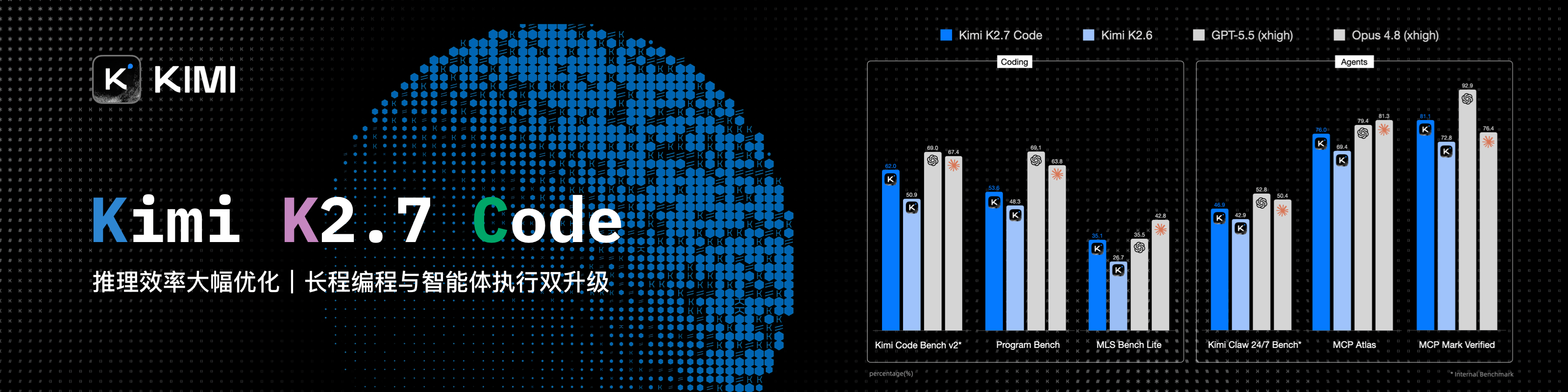](https://platform.kimi.com?aff=cc-switch)
|
||||
|
||||
CC Switch 已经预设了智谱GLM,只需要填写 key 即可一键导入编程工具。智谱AI为本软件的用户提供了特别优惠,使用[此链接](https://www.bigmodel.cn/claude-code?ic=RRVJPB5SII)购买可以享受九折优惠。
|
||||
Kimi K3 是 Moonshot AI 迄今能力最强的模型,也是全球首个开源 3T 级模型。K3 拥有 2.8T 参数、原生视觉能力与 100 万 Token 上下文,在长程编码、知识工作和推理任务中展现前沿性能。使用 CC Switch,可以在各类 Agent 工具中便捷配置和切换 Kimi。**[点击此处开始使用 Kimi](https://platform.kimi.com?aff=cc-switch)**
|
||||
|
||||
主要进行编程工作?可以试试 **[Kimi Code 订阅](https://www.kimi.com/code/?aff=cc-switch)**。
|
||||
|
||||
---
|
||||
|
||||
<table>
|
||||
<tr>
|
||||
<td width="180"><img src="assets/partners/logos/packycode.png" alt="PackyCode" width="150"></td>
|
||||
<td>感谢 PackyCode 赞助了本项目!PackyCode 是一家稳定、高效的API中转服务商,提供 Claude Code、Codex、Gemini 等多种中转服务。PackyCode 为本软件的用户提供了特别优惠,使用<a href="https://www.packyapi.com/register?aff=cc-switch">此链接</a>注册并在充值时填写"cc-switch"优惠码,可以享受9折优惠。</td>
|
||||
<td width="180"><a href="https://www.packyapi.com/register?aff=cc-switch"><img src="assets/partners/logos/packycode.png" alt="PackyCode" width="150"></a></td>
|
||||
<td>感谢 PackyCode 赞助了本项目!PackyCode 是一家稳定、高效的API中转服务商,提供 Claude Code、Codex、Gemini 等多种中转服务。PackyCode 为本软件的用户提供了特别优惠,使用<a href="https://www.packyapi.com/register?aff=cc-switch">此链接</a>注册并在充值时填写"cc-switch"优惠码,首次充值可以享受9折优惠!</td>
|
||||
</tr>
|
||||
|
||||
<tr>
|
||||
<td width="180"><img src="assets/partners/logos/sds-zh.png" alt="ShanDianShuo" width="150"></td>
|
||||
<td>感谢闪电说赞助了本项目!闪电说是本地优先的 AI 语音输入法:毫秒级响应,数据不离设备;打字速度提升 4 倍,AI 智能纠错;绝对隐私安全,完全免费,配合 Claude Code 写代码效率翻倍!支持 Mac/Win 双平台,<a href="https://www.shandianshuo.cn">免费下载</a></td>
|
||||
<td width="180"><a href="https://zetaapi.ai/go/u117"><img src="assets/partners/logos/zetaapi-banner.png" alt="ZetaAPI" width="150"></a></td>
|
||||
<td>感谢 ZetaAPI 赞助本项目!ZetaAPI 主打模型不掺水、保真不降智、价格低至官方价 35 折,平台不混量、不暗中替换低质量模型、不做虚假路由,支持 Claude Code、Codex、Gemini、ChatGPT 等主流模型接入,帮助用户在保证模型质量的同时大幅降低 API 使用成本。同时,ZetaAPI 提供企业级 SLA 稳定性保障、标准接口兼容、一个 Key 接入多模型、快速集成、按量计费等能力,适用于 AI 产品、代码生成、企业内部工具、客服系统、内容生产和自动化流程等场景。若经验证发现模型质量与标称不符,ZetaAPI 承诺假一赔十,让用户用得更稳定、更透明、更放心。通过<a href="https://zetaapi.ai/go/u117">此链接</a>注册,并在首次充值时使用优惠码 CC-SWITCH,即可享受 CC Switch 用户专属的首次充值九折优惠!</td>
|
||||
</tr>
|
||||
|
||||
<tr>
|
||||
<td width="180"><a href="https://apinebula.com/VjM74M"><img src="assets/partners/logos/apinebula_banner.png" alt="APINebula" width="150"></a></td>
|
||||
<td>感谢 APINEBULA 赞助本项目!APINEBULA 是银河录像局旗下的企业级 AI 聚合平台,背靠大平台资源,面向开发者、团队与企业用户提供稳定、高性价比的大模型 API 接入服务。平台聚合 Claude、GPT、Gemini 等主流满血模型,一个接口,接入全球顶尖 AI 大模型,各大模型价格低至 1 折起,支持企业级高并发、正式合同、对公打款与开票服务,适合 AI 编程、Agent 开发、业务系统集成等多种场景!使用<a href="https://apinebula.com/VjM74M">此链接</a>注册并在充值时填写 <strong>"ccswitch"</strong> 优惠码可享<strong>九折优惠</strong>!</td>
|
||||
</tr>
|
||||
|
||||
<tr>
|
||||
<td width="180"><a href="https://www.aicodemirror.com/register?invitecode=9915W3"><img src="assets/partners/logos/aicodemirror.jpg" alt="AICodeMirror" width="150"></a></td>
|
||||
<td>感谢 AICodeMirror 赞助了本项目!AICodeMirror 提供 Claude Code / Codex / Gemini CLI 官方高稳定中转服务,支持企业级高并发、极速开票、7×24 专属技术支持。
|
||||
Claude Code / Codex / Gemini 官方渠道低至 3.8 / 0.2 / 0.9 折,充值更有折上折!AICodeMirror 为 CCSwitch 的用户提供了特别福利,通过<a href="https://www.aicodemirror.com/register?invitecode=9915W3">此链接</a>注册的用户,可享受首充8折,企业客户最高可享 7.5 折!</td>
|
||||
</tr>
|
||||
|
||||
<tr>
|
||||
<td width="180"><a href="https://pateway.ai/?ch=etzpm8&aff=WB6M6F67#/"><img src="assets/partners/logos/pateway.png" alt="PatewayAI" width="150"></a></td>
|
||||
<td>感谢 PatewayAI 赞助了本项目!PatewayAI 是一家面向重度 AI 开发者、专注官方直连高品质模型 API 中转服务商。提供 Claude 全系列与 Codex 系列模型,100% 官方源直供,不掺假不注水,欢迎检验。计费透明,Token 级账单可逐笔核验。
|
||||
同时支持企业级高并发,并为企业客户提供了专业的管理平台,企业客户可签订正式合同并开具发票,更多详情进入官网获取联系方式。
|
||||
现在通过<a href="https://pateway.ai/?ch=etzpm8&aff=WB6M6F67#/">此链接</a>注册即送 $3 试用额度,用户充值低至 6 折,邀请好友双向赠送,邀请奖励可达 $150!</td>
|
||||
</tr>
|
||||
|
||||
<tr>
|
||||
<td width="180"><a href="https://api.fenno.ai/register?redirect=/purchase?tab=subscription%26group=16&aff=P9MR3D3PLCNL"><img src="assets/partners/logos/fenno-banner.png" alt="Fenno.ai" width="150"></a></td>
|
||||
<td>感谢 Fenno.ai 赞助了本项目!Fenno.ai 是一家稳定、高效的 API 中转服务商,目前主要提供 Codex 中转服务,兼容 OpenAI 及 Anthropic 协议,可灵活接入 Codex、Claude Code、OpenCode 等主流编程工具,可稳定支撑千亿 Token/日的企业级调用需求,支持国内及海外主体公对公结算、开票。Fenno.ai 为 CC Switch 的用户提供了专属福利:通过<a href="https://api.fenno.ai/register?redirect=/purchase?tab=subscription%26group=16&aff=P9MR3D3PLCNL">此链接</a>即可订阅 9.9 元/150 刀额度的超值 Coding Plan,邀请好友最高可享 20% 奖励,多邀多得!</td>
|
||||
</tr>
|
||||
|
||||
<tr>
|
||||
<td width="180"><a href="https://runapi.co/register?aff=iOKB"><img src="assets/partners/logos/runapi.jpg" alt="RunAPI" width="150"></a></td>
|
||||
<td>感谢 RunAPI 赞助本项目!RunAPI 是高效稳定的 AI 模型 API 中转平台,一个 API Key 即可访问 OpenAI、Claude、Gemini、DeepSeek、Grok 等 150+ 主流模型,低至 1 折,极其稳定,可以无缝兼容 Claude Code、OpenClaw 等工具。RunAPI为CC switch的用户提供了特别福利,使用<a href="https://runapi.co/register?aff=iOKB">此链接</a>注册并首次充值即可享受10%的优惠折扣!</td>
|
||||
</tr>
|
||||
|
||||
<tr>
|
||||
<td width="180"><a href="https://unity2.ai/register?source=ccs"><img src="assets/partners/logos/unity2.jpg" alt="Unity2.ai" width="150"></a></td>
|
||||
<td>感谢 Unity2.ai 赞助了本项目!Unity2.ai 是面向个人开发者、团队和企业的高性能 AI 模型 API 中转平台,长期服务国内头部企业,日均承载超 300 亿 token 调用,支持 5000 RPM 级高并发。支持余额计费、首充赠额、组合订阅、企业开票和专属对接。通过<a href="https://unity2.ai/register?source=ccs">此链接</a>注册可领取 $2 余额,加入官方群再送 $10 余额,最高可领 $12 免费额度!</td>
|
||||
</tr>
|
||||
|
||||
<tr>
|
||||
<td width="180"><a href="https://www.shengsuanyun.com/?from=CH_4HHXMRYF"><img src="assets/partners/logos/shengsuanyun.png" alt="Shengsuanyun" width="150"></a></td>
|
||||
<td>感谢胜算云赞助了本项目!胜算云是专为AI Native Teams服务的超级工厂,工业级AI任务并行执行平台,模型商城集采直供聚合接入了Claude、Chatgpt、Gemini等海内外LLM及图片视频多媒体模型算力,绝无逆向掺水、全站模型SLA可用性高达99.7%、<a href="https://watch.shengsuanyun.com/status/shengsuanyun">监测接口</a>日常全绿。更有企业级专属定制网关,实现团队精细化成本与权限管控,智能路由+安全防护+BYOK企业自带密钥托管。平台按量及tokens plan(即将上线)计费,可开票,使用<a href="https://www.shengsuanyun.com/?from=CH_4HHXMRYF">此链接</a>注册新用户可获10元模力及首充10%赠送。</td>
|
||||
</tr>
|
||||
|
||||
<tr>
|
||||
<td width="180"><a href="https://aigocode.com/invite/CC-SWITCH"><img src="assets/partners/logos/aigocode.png" alt="AIGoCode" width="150"></a></td>
|
||||
<td>感谢 AIGoCode 赞助了本项目!AIGoCode 是一个集成了 Claude Code、Codex 以及 Gemini 最新模型的一站式平台,为你提供稳定、高效且高性价比的AI编程服务。本站提供灵活的订阅计划,零封号风险,国内直连,无需魔法,极速响应。AIGoCode 为 CC Switch 的用户提供了特别福利,通过<a href="https://aigocode.com/invite/CC-SWITCH">此链接</a>注册的用户首次充值可以获得额外10%奖励额度!</td>
|
||||
</tr>
|
||||
|
||||
<tr>
|
||||
<td width="180"><a href="https://subrouter.ai/register?aff=l3ri"><img src="assets/partners/logos/subrouter-banner.png" alt="SubRouter" width="150"></a></td>
|
||||
<td>感谢 SubRouter 赞助本项目!SubRouter 是面向 AI 服务经营者的公开市场与智能路由平台。商家可快速开通独立经营站,发布套餐、管理用户与模型价格;用户可在市场发现服务,并通过统一 API 获得稳定高效的模型调用。通过<a href="https://subrouter.ai/register?aff=l3ri">此链接</a>注册!</td>
|
||||
</tr>
|
||||
|
||||
<tr>
|
||||
<td width="180"><a href="https://apikey.fun/register?aff=CCSwitch"><img src="assets/partners/logos/apikey_banner.png" alt="APIKEY.FUN" width="150"></a></td>
|
||||
<td>感谢 APIKEY.FUN 赞助本项目!APIKEY.FUN 是一家专业的企业级 AI 中转站,致力于为企业和个人开发者提供稳定、高效、低成本的 AI 模型 API 接入服务。平台支持 Claude、OpenAI、Gemini 等主流热门模型,价格低至官方原价的 7%。通过本项目<a href="https://apikey.fun/register?aff=CCSwitch">专属链接</a>注册,还可享受最高 <strong>充值永久 95 折</strong> 专属优惠。</td>
|
||||
</tr>
|
||||
|
||||
<tr>
|
||||
<td width="180"><a href="https://console.claudeapi.com/register?aff=pCLD"><img src="assets/partners/logos/claudeapi.png" alt="ClaudeAPI" width="150"></a></td>
|
||||
<td>本项目由 <a href="https://console.claudeapi.com/register?aff=pCLD">Claude API</a> 赞助。Claude API 直连,三分钟接入 Claude Code 与 Agent 应用 新用户可领取测试额度。基于 Anthropic 官方 Key + AWS Bedrock 官方渠道,非逆向、非降智,支持 Opus / Sonnet / Haiku 全系列模型,保留 Tool Use、1M 上下文等官方能力。适合 Claude Code 深度用户、Agent 工程师与企业技术团队,支持开票和团队对接。点击<a href="https://console.claudeapi.com/register?aff=pCLD">这里</a>注册!</td>
|
||||
</tr>
|
||||
|
||||
<tr>
|
||||
<td width="180"><a href="https://code0.ai/agent/register/B2XHxGjGmRvqgznY"><img src="assets/partners/logos/code0.png" alt="code0.ai" width="150"></a></td>
|
||||
<td>感谢 <a href="https://code0.ai/agent/register/B2XHxGjGmRvqgznY">code0.ai</a> 赞助本项目!code0.ai 是专为开发者打造的 AI 编程服务平台,支持 Claude Code、Codex、Gemini 等主流 AI 编程能力,帮助个人开发者和团队更稳定、更高效地使用 AI Agent 完成代码开发、调试与自动化任务。ccswitch 用户可通过 <a href="https://code0.ai/agent/register/B2XHxGjGmRvqgznY">code0.ai 官网</a> 联系客服领取测试额度,体验高效稳定的 AI 编程服务!</td>
|
||||
</tr>
|
||||
|
||||
<tr>
|
||||
<td width="180"><a href="https://teamorouter.com/zh?utm_source=cc_switch&utm_medium=referral&utm_campaign=ai_directory"><img src="assets/partners/logos/TeamoRouter-banner.png" alt="TeamoRouter" width="150"></a></td>
|
||||
<td>感谢 TeamoRouter 赞助本项目!TeamoRouter 是一款面向开发者、AI 团队和企业的企业级 Agentic LLM 网关。无需任何订阅,你就可以通过一个统一 API 访问 Claude Code、Codex、Gemini CLI、OpenAI Codex 以及其他热门 AI Agent,同时享受最高可达 90% 折扣的 API 价格。
|
||||
不同于常见的 API 中转服务,TeamoRouter 聚合了数百家官方模型提供商和可信基础设施合作伙伴,包括 OpenAI、Anthropic、Vertex、Azure 和 AWS Bedrock。每个提供商都经过验证,确保 100% 兼容 Agent 协议,并具备可靠的缓存性能和请求可追踪性,从而提供稳定质量,而不是反向工程或缩水后的接口。平台提供接近官方水平的 TTFT、99.6% SLA、最高 5,000 QPM 的企业级吞吐量,以及行业领先的缓存命中率,可大幅降低长时间运行的 Agent 工作流中的 token 成本。
|
||||
TeamoRouter 还提供企业级功能,包括集中账单、团队管理、BYOK、智能路由、用量分析、动态提供商优化和专属支持。为了获得更简单的使用体验,Teamo Desktop 支持你一键使用 Claude Code、Codex、Gemini CLI 和其他热门 AI Agent,无需管理 API Key,也无需手动配置网关。新用户通过<a href="https://teamorouter.com/zh?utm_source=cc_switch&utm_medium=referral&utm_campaign=ai_directory">此链接</a>注册,首次充值可享受 10% 折扣。</td>
|
||||
</tr>
|
||||
|
||||
<tr>
|
||||
<td width="180"><a href="https://www.newapi.ai/"><img src="assets/partners/logos/newapi-banner.png" alt="new-api" width="150"></a></td>
|
||||
<td>感谢开源 AI 基础设施项目 <a href="https://www.newapi.ai/">new-api</a> 对本项目的鼎力支持!new-api 是由 QuantumNous(锟腾科技)推出的开源 AI 基础设施项目,也是活跃度与使用规模领先的大模型统一接入与分发项目之一,专注于帮助开发者、团队和企业以更低成本构建可管理、可扩展的 AI 服务平台。作为同样扎根开源生态的项目,new-api 希望通过赞助支持更多优秀开源项目持续发展。🌟 欢迎 Star 支持 new-api:<a href="https://github.com/QuantumNous/new-api">https://github.com/QuantumNous/new-api</a>,官网:<a href="https://www.newapi.ai/">https://www.newapi.ai/</a>。</td>
|
||||
</tr>
|
||||
|
||||
<tr>
|
||||
<td width="180"><a href="https://claudecn.ai/register?aff=HEL9"><img src="assets/partners/logos/claudecn.jpg" alt="ClaudeCN" width="150"></a></td>
|
||||
<td>感谢 ClaudeCN 赞助本项目!ClaudeCN 由是一家实体企业运营的企业级AI中转平台。平台可提供高可用性的商用API服务,提供Claude、GPT、Deepseek等热门模型,支持企业采购流程,可对公打款、签约,服务合规有保障。点击<a href="https://claudecn.ai/register?aff=HEL9">此链接</a>注册!</td>
|
||||
</tr>
|
||||
|
||||
<tr>
|
||||
<td width="180"><a href="https://www.volcengine.com/activity/ai618?utm_campaign=hw&utm_content=hw&utm_medium=devrel_tool_web&utm_source=OWO&utm_term=ccswitch"><img src="assets/partners/logos/huoshan.png" alt="HuoShan" width="150"></a></td>
|
||||
<td>感谢火山方舟 Agent Plan 模型赞助了本项目!方舟 Agent Plan 模型订阅套餐集成了包含 Doubao-Seed、Doubao-Seedance、Doubao-Seedream 等在内的字节跳动自研 SOTA 级模型,覆盖文本、代码、图像、视频等多模态任务。最新支持 MiniMax-M3、DeepSeek-V4 系列、GLM-5.1、Doubao-Seed-2.0 系列、Kimi-K2.6 等模型,工具不限。超全模态模型与 Harness 升级一步到位,深度支持 Agent 框架与 AI 编程工具。一次订阅,可以为不同任务切换合适的 AI 引擎。方舟 Coding Plan 为 CC Switch 的用户提供了专属福利:通过<a href="https://www.volcengine.com/activity/ai618?utm_campaign=hw&utm_content=hw&utm_medium=devrel_tool_web&utm_source=OWO&utm_term=ccswitch">此链接</a>订阅方舟 Coding Plan,新客户首两个月享 2.5 折优惠,再用专属邀请码 6J6FV5N2 领取奖励叠加 9.5 折,低至 9.4 元/月!<a href="https://www.byteplus.com/en/product/modelark?utm_campaign=hw&utm_content=ccswitch&utm_medium=devrel_tool_web&utm_source=OWO&utm_term=ccswitch">>>For developers outside Mainland China, please click here</a></td>
|
||||
</tr>
|
||||
|
||||
<tr>
|
||||
<td width="180"><a href="https://cloud.siliconflow.cn/i/YflgU2Ve"><img src="assets/partners/logos/silicon_zh.jpg" alt="SiliconFlow" width="150"></a></td>
|
||||
<td>感谢硅基流动赞助了本项目!硅基流动是一个高性能 AI 基础设施与模型 API 平台,一站式提供语言、语音、图像、视频等多模态模型的快速、可靠访问。平台支持按量计费、丰富的多模态模型选择、高速推理和企业级稳定性,帮助开发者和团队更高效地构建和扩展 AI 应用。通过<a href="https://cloud.siliconflow.cn/i/YflgU2Ve">此链接</a>注册并完成实名认证,即可获得 ¥16 奖励金,可在平台内跨模型使用。硅基流动现已兼容 OpenClaw,用户可接入硅基流动 API Key 免费调用主流 AI 模型。</td>
|
||||
</tr>
|
||||
|
||||
<tr>
|
||||
<td width="180"><a href="https://nekocode.ai?aff=CCSWITCH"><img src="assets/partners/logos/nekocode-banner.png" alt="NekoCode" width="150"></a></td>
|
||||
<td>感谢 <a href="https://nekocode.ai?aff=CCSWITCH">NekoCode</a> 赞助本项目!NekoCode 为开发者提供稳定、高效、可靠的 Claude、Codex 等 AI 模型 API 中转服务,价格透明,接入便捷,支持灵活的按量计费。CC Switch 用户专享 9 折福利:通过 <a href="https://nekocode.ai?aff=CCSWITCH">此链接</a> 注册,并在充值时输入优惠码 <code>cc-switch</code>,即可享受充值 9 折优惠!</td>
|
||||
</tr>
|
||||
|
||||
<tr>
|
||||
<td width="180"><a href="https://www.atlascloud.ai/coding-plan?utm_source=github&utm_campaign=cc-switch"><img src="assets/partners/logos/atlascloud_banner.png" alt="Atlas Cloud" width="150"></a></td>
|
||||
<td>Atlas Cloud 是一个全模态 AI 推理平台,通过单一 API 为开发者提供视频生成、图像生成及 LLM 接入。免去繁琐的多供应商对接,一次连接即可调用 300+ 款全模态精选模型。立即查看 Atlas Cloud 全新<a href="https://www.atlascloud.ai/coding-plan?utm_source=github&utm_campaign=cc-switch">“编程计划”</a>优惠,获取更具性价比的 API 接入!</td>
|
||||
</tr>
|
||||
|
||||
<tr>
|
||||
<td width="180"><a href="https://www.compshare.cn/coding-plan?ytag=GPU_YY_YX_git_cc-switch"><img src="assets/partners/logos/ucloud.png" alt="优云智算" width="150"></a></td>
|
||||
<td>感谢优云智算赞助了本项目!优云智算是UCloud旗下AI云平台,提供稳定、全面的国内外模型API,仅一个key即可调用。主打包月、按次的高性价比 国模Coding Plan套餐,同时提供官转稳定海外模型。支持接入 Claude Code、Codex 及 API 调用。支持企业高并发、7*24技术支持、自助开票。通过<a href="https://www.compshare.cn/coding-plan?ytag=GPU_YY_YX_git_cc-switch">此链接</a>注册的用户,可得免费5元平台体验金!</td>
|
||||
</tr>
|
||||
|
||||
<tr>
|
||||
<td width="180"><a href="https://www.ccsub.net/register?ref=Y6Z8DXEA"><img src="assets/partners/logos/ccsub.svg" alt="CCSub" width="150"></a></td>
|
||||
<td>感谢 CCSub 赞助本项目!CCSub 是稳定、实惠的 AI API 中转平台,是 Claude Code 官方订阅的超强平替。一个 API Key 即可调用 Claude Opus 4.8、Sonnet 4.6、Haiku 4.5、GPT-5、Gemini、DeepSeek 全系列模型,价格约为官方直连的 1/3,全球直连无需梯子。兼容 Claude Code、Codex、Cursor、Cline、Continue、Windsurf 等所有主流 AI 编程工具。通过<a href="https://www.ccsub.net/register?ref=Y6Z8DXEA">此链接</a>注册即送 $5 体验额度!</td>
|
||||
</tr>
|
||||
|
||||
<tr>
|
||||
<td width="180"><a href="https://www.sssaicode.com/register?ref=DCP0SM"><img src="assets/partners/logos/sssaicode.png" alt="SSSAiCode" width="150"></a></td>
|
||||
<td>感谢 SSSAiCode 赞助了本项目!SSSAiCode 是一家稳定可靠的API中转站,致力于提供稳定、可靠、平价的Claude、CodeX模型服务,支持当日快速开票,SSSAiCode为本软件的用户提供特别优惠,使用<a href="https://www.sssaicode.com/register?ref=DCP0SM">此链接</a>注册每次充值均可享受10$的额外奖励!</td>
|
||||
</tr>
|
||||
|
||||
<tr>
|
||||
<td width="180"><a href="https://www.micuapi.ai/register?aff=aOYQ"><img src="assets/partners/logos/mikubanner.svg" alt="Micu" width="150"></a></td>
|
||||
<td>感谢 米醋API 赞助了本项目!米醋API 是一家致力于提供极致性价比与高稳定性的全球大模型中转服务商。米醋API 背后有实体企业做核心保障,杜绝跑路风险,支持极速正规开票!我们主打“试错零成本”:1 元起充低门槛,0 手续费随时退款!米醋API 为本软件的用户提供了特别优惠,使用<a href="https://www.micuapi.ai/register?aff=aOYQ">此链接</a>注册并在充值时填写"ccswitch"优惠码可享九折优惠!</td>
|
||||
</tr>
|
||||
|
||||
<tr>
|
||||
<td width="180"><a href="https://www.right.codes/register?aff=CCSWITCH"><img src="assets/partners/logos/rightcode.jpg" alt="RightCode" width="150"></a></td>
|
||||
<td>感谢 Right Code 赞助了本项目!Right Code 稳定提供 Claude Code、Codex、Gemini 等模型的中转服务,并可选按量、包月两种计费模式。充值即可开票,企业、团队用户一对一对接。同时为 CC Switch 的用户提供了特别优惠:通过<a href="https://www.right.codes/register?aff=CCSWITCH">此链接</a>注册,每次充值均可获得实付金额5%的按量额度!</td>
|
||||
</tr>
|
||||
|
||||
<tr>
|
||||
<td width="180"><a href="https://etok.ai"><img src="assets/partners/logos/etok.png" alt="ETok" width="150"></a></td>
|
||||
<td>感谢 ETok.ai 赞助了本项目!ETok.ai 致力于打造一站式 AI 编程工具服务平台。我们提供 Claude Code 专业套餐及技术社群服务,同时支持 Google Gemini 和 OpenAI Codex。通过精心设计的套餐方案和专业的技术社群,为开发者提供稳定的服务保障和持续的技术支持,让 AI 辅助编程真正成为开发者的生产力工具。点击<a href="https://etok.ai">这里</a>注册!</td>
|
||||
</tr>
|
||||
|
||||
<tr>
|
||||
<td width="180"><a href="https://cubence.com/signup?code=CCSWITCH&source=ccs"><img src="assets/partners/logos/cubence.png" alt="Cubence" width="150"></a></td>
|
||||
<td>感谢 Cubence 赞助本项目!Cubence 是一家可靠高效的 API 中继服务提供商,提供对 Claude Code、Codex、Gemini 等模型的中继服务,并提供按量、包月等灵活的计费方式。Cubence 为 CC Switch 的用户提供了特别优惠:使用 <a href="https://cubence.com/signup?code=CCSWITCH&source=ccs">此链接</a> 注册,并在充值时输入 "CCSWITCH" 优惠码,每次充值均可享受九折优惠!</td>
|
||||
</tr>
|
||||
|
||||
<tr>
|
||||
<td width="180"><a href="https://crazyrouter.com/register?aff=OZcm&ref=cc-switch"><img src="assets/partners/logos/crazyrouter.png" alt="Crazyrouter" width="150"></a></td>
|
||||
<td>感谢 Crazyrouter 赞助了本项目!Crazyrouter 是一个高性能 AI API 聚合平台——一个 API Key 即可访问 300+ 模型,包括 Claude Code、Codex、Gemini CLI 等。全部模型低至官方定价的 55%,支持自动故障转移、智能路由和无限并发。Crazyrouter 为 CC Switch 用户提供了专属优惠:通过<a href="https://crazyrouter.com/register?aff=OZcm&ref=cc-switch">此链接</a>注册后联系客服即可领取 <strong>$2 免费额度</strong>,首次充值时输入优惠码 `CCSWITCH` 还可获得额外 <strong>30% 奖励额度</strong>!</td>
|
||||
</tr>
|
||||
|
||||
<tr>
|
||||
<td width="180"><a href="https://www.dmxapi.cn/register?aff=bUHu"><img src="assets/partners/logos/dmx-zh.jpeg" alt="DMXAPI" width="150"></a></td>
|
||||
<td>感谢 DMXAPI(大模型API)赞助了本项目! DMXAPI,一个Key用全球大模型。
|
||||
为200多家企业用户提供全球大模型API服务。· 充值即开票 ·当天开票 ·并发不限制 ·1元起充 · 7x24 在线技术辅导,GPT/Claude/Gemini全部6.8折,国内模型5~8折,Claude Code 专属模型3.4折进行中!<a href="https://www.dmxapi.cn/register?aff=bUHu">点击这里注册</a></td>
|
||||
</tr>
|
||||
|
||||
</table>
|
||||
|
||||
</details>
|
||||
|
||||
## 为什么选择 CC Switch?
|
||||
|
||||
现代 AI 编程依赖于 Claude Code、Claude Desktop、Codex、Gemini CLI、Grok Build、OpenCode、OpenClaw 和 Hermes 等工具——但每个工具都有自己的配置格式。切换 API 供应商意味着手动编辑 JSON、TOML 或 `.env` 文件,而在多个工具之间缺乏一个统一管理 MCP, SKILLS 的方式。
|
||||
|
||||
**CC Switch** 为你提供一个桌面应用来管理所有支持的 AI 工具。无需手动编辑配置文件,你将获得一个可视化界面,一键将供应商导入应用,一键在不同的供应商之间进行切换,内置 50+ 供应商预设、统一的 MCP, SKILLS 管理以及系统托盘即时切换功能——所有操作都基于可靠的 SQLite 数据库和原子写入机制,保护你的配置不被损坏。
|
||||
|
||||
- **一个应用,八个工具** — 在单一界面中管理 Claude Code、Claude Desktop、Codex、Gemini CLI、Grok Build、OpenCode、OpenClaw 和 Hermes
|
||||
- **告别手动编辑** — 50+ 供应商预设,包括 AWS Bedrock、NVIDIA NIM 和社区中转服务;一键即可切换
|
||||
- **统一 MCP, SKILLS 管理** — 一个面板管理 Claude、Codex、Gemini、Grok Build、OpenCode 和 Hermes 的 MCP, SKILLS, 支持双向同步
|
||||
- **系统托盘快速切换** — 从托盘菜单即时切换供应商,无需打开完整应用
|
||||
- **云同步** — 通过 Dropbox、OneDrive、iCloud 或 WebDAV 服务器在不同设备之间同步供应商数据
|
||||
- **跨平台** — 基于 Tauri 2 构建的原生桌面应用,支持 Windows、macOS 和 Linux
|
||||
- **小工具** - 内置了多种小工具来解决首次安装登录确认、禁止签名、插件拓展同步等多种功能
|
||||
|
||||
## 界面预览
|
||||
|
||||
| 主界面 | 添加供应商 |
|
||||
@@ -51,87 +216,151 @@ CC Switch 已经预设了智谱GLM,只需要填写 key 即可一键导入编
|
||||
|
||||
## 功能特性
|
||||
|
||||
### 当前版本:v3.7.0 | [完整更新日志](CHANGELOG.md)
|
||||
[完整更新日志](CHANGELOG.md) | [发布说明](docs/release-notes/v3.16.1-zh.md)
|
||||
|
||||
**v3.7.0 重大更新(2025-11-19)**
|
||||
### 供应商管理
|
||||
|
||||
**六大核心功能,18,000+ 行新增代码**
|
||||
- **8 个支持工具,50+ 预设** — Claude Code、Claude Desktop、Codex、Gemini CLI、Grok Build、OpenCode、OpenClaw、Hermes;复制 key 即可一键导入
|
||||
- **通用供应商** — 一份配置同步到 Claude Code、Codex 和 Gemini CLI
|
||||
- 一键切换、系统托盘快速访问、拖拽排序、导入导出
|
||||
|
||||
- **Gemini CLI 集成**
|
||||
- 第三个支持的 AI CLI(Claude Code / Codex / Gemini)
|
||||
- 双文件配置支持(`.env` + `settings.json`)
|
||||
- 完整 MCP 服务器管理
|
||||
- 预设:Google Official (OAuth) / PackyCode / 自定义
|
||||
### 代理与故障转移
|
||||
|
||||
- **Claude Skills 管理系统**
|
||||
- 从 GitHub 仓库自动扫描技能(预配置 3 个精选仓库)
|
||||
- 一键安装/卸载到 `~/.claude/skills/`
|
||||
- 自定义仓库支持 + 子目录扫描
|
||||
- 完整生命周期管理(发现/安装/更新)
|
||||
- **本地代理热切换** — 格式转换、自动故障转移、熔断器、供应商健康监控和整流器
|
||||
- **应用级代理接管** — 独立为 Claude、Codex、Gemini 或 Grok Build 配置代理,具体到单个供应商
|
||||
|
||||
- **Prompts 管理系统**
|
||||
- 多预设系统提示词管理(无限数量,快速切换)
|
||||
- 跨应用支持(Claude: `CLAUDE.md` / Codex: `AGENTS.md` / Gemini: `GEMINI.md`)
|
||||
- Markdown 编辑器(CodeMirror 6 + 实时预览)
|
||||
- 智能回填保护,保留手动修改
|
||||
### MCP、Prompts 与 Skills
|
||||
|
||||
- **MCP v3.7.0 统一架构**
|
||||
- 单一面板管理三个应用的 MCP 服务器
|
||||
- 新增 SSE (Server-Sent Events) 传输类型
|
||||
- 智能 JSON 解析器 + Codex TOML 格式自动修正
|
||||
- 统一导入/导出 + 双向同步
|
||||
- **统一 MCP 面板** — 管理 Claude、Codex、Gemini、Grok Build、OpenCode 和 Hermes 的 MCP 服务器,双向同步,支持 Deep Link 导入
|
||||
- **Prompts** — Markdown 编辑器,跨应用同步(CLAUDE.md / AGENTS.md / GEMINI.md),回填保护
|
||||
- **Skills** — 从 GitHub 仓库或 ZIP 文件一键安装,自定义仓库管理,支持软连接和文件复制
|
||||
|
||||
- **深度链接协议**
|
||||
- `ccswitch://` 协议注册(全平台)
|
||||
- 通过共享链接一键导入供应商配置
|
||||
- 安全验证 + 生命周期集成
|
||||
### 用量与成本追踪
|
||||
|
||||
- **环境变量冲突检测**
|
||||
- 自动检测跨应用配置冲突(Claude/Codex/Gemini/MCP)
|
||||
- 可视化冲突指示器 + 解决建议
|
||||
- 覆盖警告 + 更改前备份
|
||||
- **用量仪表盘** — 跨供应商追踪支出、请求数和 Token 用量,趋势图表、详细请求日志和自定义模型定价
|
||||
|
||||
**核心功能**
|
||||
### 会话管理器与工作区
|
||||
|
||||
- **供应商管理**:一键切换 Claude Code、Codex 与 Gemini 的 API 配置
|
||||
- **速度测试**:测量 API 端点延迟,可视化连接质量指示器
|
||||
- **导入导出**:备份和恢复配置,自动轮换(保留最近 10 个)
|
||||
- **国际化支持**:完整的中英文本地化(UI、错误、托盘)
|
||||
- **Claude 插件同步**:一键应用或恢复 Claude 插件配置
|
||||
- 浏览、搜索和恢复支持的会话来源
|
||||
- **工作区编辑器**(OpenClaw)— 编辑 Agent 文件(AGENTS.md、SOUL.md 等),支持 Markdown 预览
|
||||
|
||||
**v3.6 亮点**
|
||||
### 系统与平台
|
||||
|
||||
- 供应商复制 & 拖拽排序
|
||||
- 多端点管理 & 自定义配置目录(支持云同步)
|
||||
- 细粒度模型配置(四层:Haiku/Sonnet/Opus/自定义)
|
||||
- WSL 环境支持,配置目录切换自动同步
|
||||
- 100% hooks 测试覆盖 & 完整架构重构
|
||||
- **云同步** — 自定义配置目录(Dropbox、OneDrive、iCloud、坚果云、NAS)及 WebDAV 服务器同步
|
||||
- **Deep Link** (`ccswitch://`) — 通过 URL 一键导入供应商、MCP 服务器、提示词和技能
|
||||
- 深色 / 浅色 / 跟随系统主题、开机自启、自动更新、原子写入、自动备份、国际化(简中/繁中/英/日)
|
||||
|
||||
**系统功能**
|
||||
## 常见问题
|
||||
|
||||
- 系统托盘快速切换
|
||||
- 单实例守护
|
||||
- 内置自动更新器
|
||||
- 原子写入与回滚保护
|
||||
<details>
|
||||
<summary><strong>CC Switch 支持哪些 AI 工具?</strong></summary>
|
||||
|
||||
CC Switch 支持八个工具:**Claude Code**、**Claude Desktop**、**Codex**、**Gemini CLI**、**Grok Build**、**OpenCode**、**OpenClaw** 和 **Hermes**。每个工具都有专属的供应商预设和配置管理。
|
||||
|
||||
</details>
|
||||
|
||||
<details>
|
||||
<summary><strong>切换供应商后需要重启终端吗?</strong></summary>
|
||||
|
||||
大多数工具需要重启终端或 CLI 工具才能使更改生效。例外的是 **Claude Code**,它目前支持供应商数据的热切换,无需重启。
|
||||
|
||||
</details>
|
||||
|
||||
<details>
|
||||
<summary><strong>切换供应商之后我的插件配置怎么不见了?</strong></summary>
|
||||
|
||||
CC Switch 使用“通用配置片段”功能,在不同的供应商之间传递 Key 和请求地址之外的通用数据,您可以在“编辑供应商”菜单的“通用配置面板”里,点击“从当前供应商提取”,把所有的通用数据提取到通用配置中,之后在新建“供应商”的时候,只要勾选“应用通用配置”(默认勾选),就会把插件等数据写入到新的供应商配置中。您的所有配置项都会保存在运行本软件的时候,第一次导入的默认供应商里面,不会丢失。
|
||||
|
||||
</details>
|
||||
|
||||
<details>
|
||||
<summary><strong>macOS 安装</strong></summary>
|
||||
|
||||
CC Switch macOS 版本已通过 Apple 代码签名和公证,可直接下载安装,无需额外操作。推荐使用 `.dmg` 安装包。
|
||||
|
||||
</details>
|
||||
|
||||
<details>
|
||||
<summary><strong>为什么总有一个正在激活中的供应商无法删除?</strong></summary>
|
||||
|
||||
本软件的设计原则是“最小侵入性”,即使卸载本软件,也不会影响应用的正常使用。
|
||||
|
||||
所以系统总会保留一个正在激活中的配置,因为如果将所有配置全部删除,该应用将无法正常使用。如果你不经常使用某个对应的应用,可以在设置中关掉该应用的显示。如果你想切换回官方登录,可以参考下条。
|
||||
|
||||
</details>
|
||||
|
||||
<details>
|
||||
<summary><strong>如何切换回官方登录?</strong></summary>
|
||||
|
||||
可以在预设供应商里面添加一个官方供应商。切换过去之后,执行一遍 Log out / Log in 流程,之后便可以在官方供应商和第三方供应商之间随意切换。CodeX 可以在不同官方供应商之间进行切换,方便多个 Plus 或者 Team 账号之间切换。
|
||||
|
||||
</details>
|
||||
|
||||
<details>
|
||||
<summary><strong>我的数据存储在哪里?</strong></summary>
|
||||
|
||||
- **数据库**:`~/.cc-switch/cc-switch.db`(SQLite — 供应商、MCP、提示词、技能)
|
||||
- **本地设置**:`~/.cc-switch/settings.json`(设备级 UI 偏好设置)
|
||||
- **备份**:`~/.cc-switch/backups/`(自动轮换,保留最近 10 个)
|
||||
- **SKILLS**:`~/.cc-switch/skills/`(默认通过软链接连接到对应应用)
|
||||
- **技能备份**:`~/.cc-switch/skill-backups/`(卸载前自动创建,保留最近 20 个)
|
||||
|
||||
</details>
|
||||
|
||||
<details>
|
||||
<summary><strong>Linux(Wayland + NVIDIA):网页内容点不动、缩放后黑屏</strong></summary>
|
||||
|
||||
AppImage 会强制 `GDK_BACKEND=x11`(走 XWayland)以规避历史上的原生 Wayland 崩溃。但在较新的 Wayland + NVIDIA 环境下,这会导致网页内容区点不动(标题栏按钮仍可点)、窗口缩放后黑屏。可用内置的逃生开关切回原生 Wayland:
|
||||
|
||||
```bash
|
||||
CC_SWITCH_GDK_BACKEND=wayland ./CC-Switch-*.AppImage
|
||||
```
|
||||
|
||||
如果你是从桌面图标启动的,请把它写进 `.desktop` 的 `Exec=` 行(如 `env CC_SWITCH_GDK_BACKEND=wayland /path/to/AppImage`),或在会话环境中设置。该变量是通用的:在 tiling Wayland 合成器(sway/Hyprland)下若出现点击失效,可反过来设 `CC_SWITCH_GDK_BACKEND=x11`。不设置则保持默认行为。
|
||||
|
||||
</details>
|
||||
|
||||
## 文档
|
||||
|
||||
如需了解各项功能的详细使用方法,请查阅 **[用户手册](docs/user-manual/zh/README.md)** — 涵盖供应商管理、MCP/Prompts/Skills、代理与故障转移等全部功能。
|
||||
|
||||
## 快速开始
|
||||
|
||||
### 基本使用
|
||||
|
||||
1. **添加供应商**:点击"添加供应商" → 选择预设或创建自定义配置
|
||||
2. **切换供应商**:
|
||||
- 主界面:选择供应商 → 点击"启用"
|
||||
- 系统托盘:直接点击供应商名称(立即生效)
|
||||
3. **生效方式**:重启终端或对应的 CLI 工具以应用更改(CLaude Code 无需重启)
|
||||
4. **恢复官方登录**:添加"官方登录"预设,重启 CLI 工具后按照其登录/OAuth 流程操作
|
||||
|
||||
### MCP、Prompts、Skills 与会话
|
||||
|
||||
- **MCP**:点击"MCP"按钮 → 通过模板或自定义配置添加服务器 → 切换各应用同步开关
|
||||
- **Prompts**:点击"Prompts" → 使用 Markdown 编辑器创建预设 → 激活后同步到 live 文件
|
||||
- **Skills**:点击"Skills" → 浏览 GitHub 仓库 → 一键安装到支持的应用
|
||||
- **会话**:点击"Sessions" → 浏览、搜索和恢复支持的会话来源
|
||||
|
||||
> **注意**:首次启动可以手动导入现有 CLI 工具配置作为默认供应商。
|
||||
|
||||
## 下载安装
|
||||
|
||||
### 系统要求
|
||||
|
||||
- **Windows**: Windows 10 及以上
|
||||
- **macOS**: macOS 10.15 (Catalina) 及以上
|
||||
- **Linux**: Ubuntu 22.04+ / Debian 11+ / Fedora 34+ 等主流发行版
|
||||
- **Windows**:Windows 10 及以上
|
||||
- **macOS**:macOS 12 (Monterey) 及以上
|
||||
- **Linux**:Ubuntu 22.04+ / Debian 11+ / Fedora 34+ 等主流发行版
|
||||
|
||||
### Windows 用户
|
||||
|
||||
从 [Releases](../../releases) 页面下载最新版本的 `CC-Switch-v{版本号}-Windows.msi` 安装包或者 `CC-Switch-v{版本号}-Windows-Portable.zip` 绿色版。
|
||||
从 [Releases](../../releases) 页面下载最新版本的 `CC-Switch-v{版本号}-Windows.msi` 安装包或 `CC-Switch-v{版本号}-Windows-Portable.zip` 绿色版。
|
||||
|
||||
### macOS 用户
|
||||
|
||||
**方式一:通过 Homebrew 安装(推荐)**
|
||||
|
||||
```bash
|
||||
brew tap farion1231/ccswitch
|
||||
brew install --cask cc-switch
|
||||
```
|
||||
|
||||
@@ -143,11 +372,11 @@ brew upgrade --cask cc-switch
|
||||
|
||||
**方式二:手动下载**
|
||||
|
||||
从 [Releases](../../releases) 页面下载 `CC-Switch-v{版本号}-macOS.zip` 解压使用。
|
||||
从 [Releases](../../releases) 页面下载 `CC-Switch-v{版本号}-macOS.dmg`(推荐)或 `.zip`。
|
||||
|
||||
> **注意**:由于作者没有苹果开发者账号,首次打开可能出现"未知开发者"警告,请先关闭,然后前往"系统设置" → "隐私与安全性" → 点击"仍要打开",之后便可以正常打开
|
||||
> **注意**:CC Switch macOS 版本已通过 Apple 代码签名和公证,可直接安装打开。
|
||||
|
||||
### ArchLinux 用户
|
||||
### Arch Linux 用户
|
||||
|
||||
**通过 paru 安装(推荐)**
|
||||
|
||||
@@ -157,91 +386,16 @@ paru -S cc-switch-bin
|
||||
|
||||
### Linux 用户
|
||||
|
||||
从 [Releases](../../releases) 页面下载最新版本的 `CC-Switch-v{版本号}-Linux.deb` 包或者 `CC-Switch-v{版本号}-Linux.AppImage` 安装包。
|
||||
从 [Releases](../../releases) 页面下载最新版本的 Linux 安装包:
|
||||
|
||||
## 快速开始
|
||||
- `CC-Switch-v{版本号}-Linux.deb`(Debian/Ubuntu)
|
||||
- `CC-Switch-v{版本号}-Linux.rpm`(Fedora/RHEL/openSUSE)
|
||||
- `CC-Switch-v{版本号}-Linux.AppImage`(通用)
|
||||
|
||||
### 基本使用
|
||||
> **Flatpak**:官方 Release 不包含 Flatpak 包。如需使用,可从 `.deb` 自行构建 — 参见 [`flatpak/README.md`](flatpak/README.md)。
|
||||
|
||||
1. **添加供应商**:点击"添加供应商" → 选择预设或创建自定义配置
|
||||
2. **切换供应商**:
|
||||
- 主界面:选择供应商 → 点击"启用"
|
||||
- 系统托盘:直接点击供应商名称(立即生效)
|
||||
3. **生效方式**:重启终端或 Claude Code / Codex / Gemini 客户端以应用更改
|
||||
4. **恢复官方登录**:选择"官方登录"预设(Claude/Codex)或"Google 官方"预设(Gemini),重启对应客户端后按照其登录/OAuth 流程操作
|
||||
|
||||
### MCP 管理
|
||||
|
||||
- **位置**:点击右上角"MCP"按钮
|
||||
- **添加服务器**:
|
||||
- 使用内置模板(mcp-fetch、mcp-filesystem 等)
|
||||
- 支持 stdio / http / sse 三种传输类型
|
||||
- 为不同应用配置独立的 MCP 服务器
|
||||
- **启用/禁用**:切换开关以控制哪些服务器同步到 live 配置
|
||||
- **同步**:启用的服务器自动同步到各应用的 live 文件
|
||||
- **导入/导出**:支持从 Claude/Codex/Gemini 配置文件导入现有 MCP 服务器
|
||||
|
||||
### Skills 管理(v3.7.0 新增)
|
||||
|
||||
- **位置**:点击右上角"Skills"按钮
|
||||
- **发现技能**:
|
||||
- 自动扫描预配置的 GitHub 仓库(Anthropic 官方、ComposioHQ、社区等)
|
||||
- 添加自定义仓库(支持子目录扫描)
|
||||
- **安装技能**:点击"安装"一键安装到 `~/.claude/skills/`
|
||||
- **卸载技能**:点击"卸载"安全移除并清理状态
|
||||
- **管理仓库**:添加/删除自定义 GitHub 仓库
|
||||
|
||||
### Prompts 管理(v3.7.0 新增)
|
||||
|
||||
- **位置**:点击右上角"Prompts"按钮
|
||||
- **创建预设**:
|
||||
- 创建无限数量的系统提示词预设
|
||||
- 使用 Markdown 编辑器编写提示词(语法高亮 + 实时预览)
|
||||
- **切换预设**:选择预设 → 点击"激活"立即应用
|
||||
- **同步机制**:
|
||||
- Claude: `~/.claude/CLAUDE.md`
|
||||
- Codex: `~/.codex/AGENTS.md`
|
||||
- Gemini: `~/.gemini/GEMINI.md`
|
||||
- **保护机制**:切换前自动保存当前提示词内容,保留手动修改
|
||||
|
||||
### 配置文件
|
||||
|
||||
**Claude Code**
|
||||
|
||||
- Live 配置:`~/.claude/settings.json`(或 `claude.json`)
|
||||
- API key 字段:`env.ANTHROPIC_AUTH_TOKEN` 或 `env.ANTHROPIC_API_KEY`
|
||||
- MCP 服务器:`~/.claude.json` → `mcpServers`
|
||||
|
||||
**Codex**
|
||||
|
||||
- Live 配置:`~/.codex/auth.json`(必需)+ `config.toml`(可选)
|
||||
- API key 字段:`auth.json` 中的 `OPENAI_API_KEY`
|
||||
- MCP 服务器:`~/.codex/config.toml` → `[mcp_servers]` 表
|
||||
|
||||
**Gemini**
|
||||
|
||||
- Live 配置:`~/.gemini/.env`(API Key)+ `~/.gemini/settings.json`(保存认证模式)
|
||||
- API key 字段:`.env` 文件中的 `GEMINI_API_KEY` 或 `GOOGLE_GEMINI_API_KEY`
|
||||
- 环境变量:支持 `GOOGLE_GEMINI_BASE_URL`、`GEMINI_MODEL` 等自定义变量
|
||||
- MCP 服务器:`~/.gemini/settings.json` → `mcpServers`
|
||||
- 托盘快速切换:每次切换供应商都会重写 `~/.gemini/.env`,无需重启 Gemini CLI 即可生效
|
||||
|
||||
**CC Switch 存储**
|
||||
|
||||
- 主配置(SSOT):`~/.cc-switch/config.json`(包含供应商、MCP、Prompts 预设等)
|
||||
- 设置:`~/.cc-switch/settings.json`
|
||||
- 备份:`~/.cc-switch/backups/`(自动轮换,保留 10 个)
|
||||
|
||||
### 云同步设置
|
||||
|
||||
1. 前往设置 → "自定义配置目录"
|
||||
2. 选择您的云同步文件夹(Dropbox、OneDrive、iCloud、坚果云等)
|
||||
3. 重启应用以应用
|
||||
4. 在其他设备上重复操作以启用跨设备同步
|
||||
|
||||
> **注意**:首次启动会自动导入现有 Claude/Codex 配置作为默认供应商。
|
||||
|
||||
## 架构总览
|
||||
<details>
|
||||
<summary><strong>架构总览</strong></summary>
|
||||
|
||||
### 设计原则
|
||||
|
||||
@@ -265,26 +419,26 @@ paru -S cc-switch-bin
|
||||
|
||||
**核心设计模式**
|
||||
|
||||
- **SSOT**(单一事实源):所有供应商配置存储在 `~/.cc-switch/config.json`
|
||||
- **SSOT**(单一事实源):所有数据存储在 `~/.cc-switch/cc-switch.db`(SQLite)
|
||||
- **双层存储**:SQLite 存储可同步数据,JSON 存储设备级设置
|
||||
- **双向同步**:切换时写入 live 文件,编辑当前供应商时从 live 回填
|
||||
- **原子写入**:临时文件 + 重命名模式防止配置损坏
|
||||
- **并发安全**:RwLock 与作用域守卫避免死锁
|
||||
- **分层架构**:清晰分离(Commands → Services → Models)
|
||||
- **并发安全**:Mutex 保护的数据库连接避免竞态条件
|
||||
- **分层架构**:清晰分离(Commands → Services → DAO → Database)
|
||||
|
||||
**核心组件**
|
||||
|
||||
- **ProviderService**:供应商增删改查、切换、回填、排序
|
||||
- **McpService**:MCP 服务器管理、导入导出、live 文件同步
|
||||
- **ProxyService**:本地 Proxy 模式,支持热切换和格式转换
|
||||
- **SessionManager**:全应用会话历史浏览
|
||||
- **ConfigService**:配置导入导出、备份轮换
|
||||
- **SpeedtestService**:API 端点延迟测量
|
||||
|
||||
**v3.6 重构**
|
||||
</details>
|
||||
|
||||
- 后端:5 阶段重构(错误处理 → 命令拆分 → 测试 → 服务 → 并发)
|
||||
- 前端:4 阶段重构(测试基础 → hooks → 组件 → 清理)
|
||||
- 测试:100% hooks 覆盖 + 集成测试(vitest + MSW)
|
||||
|
||||
## 开发
|
||||
<details>
|
||||
<summary><strong>开发指南</strong></summary>
|
||||
|
||||
### 环境要求
|
||||
|
||||
@@ -345,7 +499,7 @@ cargo test test_name
|
||||
cargo test --features test-hooks
|
||||
```
|
||||
|
||||
### 测试说明(v3.6 新增)
|
||||
### 测试说明
|
||||
|
||||
**前端测试**:
|
||||
|
||||
@@ -353,18 +507,6 @@ cargo test --features test-hooks
|
||||
- 使用 **MSW (Mock Service Worker)** 模拟 Tauri API 调用
|
||||
- 使用 **@testing-library/react** 进行组件测试
|
||||
|
||||
**测试覆盖**:
|
||||
|
||||
- Hooks 单元测试(100% 覆盖)
|
||||
- `useProviderActions` - 供应商操作
|
||||
- `useMcpActions` - MCP 管理
|
||||
- `useSettings` 系列 - 设置管理
|
||||
- `useImportExport` - 导入导出
|
||||
- 集成测试
|
||||
- App 主应用流程
|
||||
- SettingsDialog 完整交互
|
||||
- MCP 面板功能
|
||||
|
||||
**运行测试**:
|
||||
|
||||
```bash
|
||||
@@ -378,49 +520,56 @@ pnpm test:unit:watch
|
||||
pnpm test:unit --coverage
|
||||
```
|
||||
|
||||
## 技术栈
|
||||
### 技术栈
|
||||
|
||||
**前端**:React 18 · TypeScript · Vite · TailwindCSS 4 · TanStack Query v5 · react-i18next · react-hook-form · zod · shadcn/ui · @dnd-kit
|
||||
**前端**:React 18 · TypeScript · Vite · TailwindCSS 3.4 · TanStack Query v5 · react-i18next · react-hook-form · zod · shadcn/ui · @dnd-kit
|
||||
|
||||
**后端**:Tauri 2.8 · Rust · serde · tokio · thiserror · tauri-plugin-updater/process/dialog/store/log
|
||||
|
||||
**测试**:vitest · MSW · @testing-library/react
|
||||
|
||||
## 项目结构
|
||||
</details>
|
||||
|
||||
<details>
|
||||
<summary><strong>项目结构</strong></summary>
|
||||
|
||||
```
|
||||
├── src/ # 前端 (React + TypeScript)
|
||||
│ ├── components/ # UI 组件 (providers/settings/mcp/ui)
|
||||
│ ├── hooks/ # 自定义 hooks (业务逻辑)
|
||||
├── src/ # 前端 (React + TypeScript)
|
||||
│ ├── components/
|
||||
│ │ ├── providers/ # 供应商管理
|
||||
│ │ ├── mcp/ # MCP 面板
|
||||
│ │ ├── prompts/ # Prompts 管理
|
||||
│ │ ├── skills/ # Skills 管理
|
||||
│ │ ├── sessions/ # 会话管理器
|
||||
│ │ ├── proxy/ # Proxy 模式面板
|
||||
│ │ ├── openclaw/ # OpenClaw 配置面板
|
||||
│ │ ├── settings/ # 设置(终端/备份/关于)
|
||||
│ │ ├── deeplink/ # Deep Link 导入
|
||||
│ │ ├── env/ # 环境变量管理
|
||||
│ │ ├── universal/ # 跨应用配置
|
||||
│ │ ├── usage/ # 用量统计
|
||||
│ │ └── ui/ # shadcn/ui 组件库
|
||||
│ ├── hooks/ # 自定义 hooks(业务逻辑)
|
||||
│ ├── lib/
|
||||
│ │ ├── api/ # Tauri API 封装(类型安全)
|
||||
│ │ └── query/ # TanStack Query 配置
|
||||
│ ├── i18n/locales/ # 翻译 (zh/en)
|
||||
│ ├── config/ # 预设 (providers/mcp)
|
||||
│ └── types/ # TypeScript 类型定义
|
||||
├── src-tauri/ # 后端 (Rust)
|
||||
│ │ ├── api/ # Tauri API 封装(类型安全)
|
||||
│ │ └── query/ # TanStack Query 配置
|
||||
│ ├── locales/ # 翻译 (zh/zh-TW/en/ja)
|
||||
│ ├── config/ # 预设 (providers/mcp)
|
||||
│ └── types/ # TypeScript 类型定义
|
||||
├── src-tauri/ # 后端 (Rust)
|
||||
│ └── src/
|
||||
│ ├── commands/ # Tauri 命令层(按领域)
|
||||
│ ├── services/ # 业务逻辑层
|
||||
│ ├── app_config.rs # 配置数据模型
|
||||
│ ├── provider.rs # 供应商领域模型
|
||||
│ ├── mcp.rs # MCP 同步与校验
|
||||
│ └── lib.rs # 应用入口 & 托盘菜单
|
||||
├── tests/ # 前端测试
|
||||
│ ├── hooks/ # 单元测试
|
||||
│ └── components/ # 集成测试
|
||||
└── assets/ # 截图 & 合作商资源
|
||||
│ ├── commands/ # Tauri 命令层(按领域)
|
||||
│ ├── services/ # 业务逻辑层
|
||||
│ ├── database/ # SQLite DAO 层
|
||||
│ ├── proxy/ # Proxy 模块
|
||||
│ ├── session_manager/ # 会话管理
|
||||
│ ├── deeplink/ # Deep Link 处理
|
||||
│ └── mcp/ # MCP 同步模块
|
||||
├── tests/ # 前端测试
|
||||
└── assets/ # 截图 & 合作商资源
|
||||
```
|
||||
|
||||
## 更新日志
|
||||
|
||||
查看 [CHANGELOG.md](CHANGELOG.md) 了解版本更新详情。
|
||||
|
||||
## Electron 旧版
|
||||
|
||||
[Releases](../../releases) 里保留 v2.0.3 Electron 旧版
|
||||
|
||||
如果需要旧版 Electron 代码,可以拉取 electron-legacy 分支
|
||||
</details>
|
||||
|
||||
## 贡献
|
||||
|
||||
@@ -431,7 +580,8 @@ pnpm test:unit --coverage
|
||||
- 通过类型检查:`pnpm typecheck`
|
||||
- 通过格式检查:`pnpm format:check`
|
||||
- 通过单元测试:`pnpm test:unit`
|
||||
- 💡 新功能开发前,欢迎先开 issue 讨论实现方案
|
||||
|
||||
新功能开发前,欢迎先开 Issue 讨论实现方案,不适合项目的功能性 PR 有可能会被关闭。
|
||||
|
||||
## Star History
|
||||
|
||||
|
||||
@@ -1,76 +0,0 @@
|
||||
# CC Switch 国际化功能说明
|
||||
|
||||
## 已完成的工作
|
||||
|
||||
1. **安装依赖**:添加了 `react-i18next` 和 `i18next` 包
|
||||
2. **配置国际化**:在 `src/i18n/` 目录下创建了配置文件
|
||||
3. **翻译文件**:创建了英文和中文翻译文件
|
||||
4. **组件更新**:替换了主要组件中的硬编码文案
|
||||
5. **语言切换器**:添加了语言切换按钮
|
||||
|
||||
## 文件结构
|
||||
|
||||
```
|
||||
src/
|
||||
├── i18n/
|
||||
│ ├── index.ts # 国际化配置文件
|
||||
│ └── locales/
|
||||
│ ├── en.json # 英文翻译
|
||||
│ └── zh.json # 中文翻译
|
||||
├── components/
|
||||
│ └── LanguageSwitcher.tsx # 语言切换组件
|
||||
└── main.tsx # 导入国际化配置
|
||||
```
|
||||
|
||||
## 默认语言设置
|
||||
|
||||
- **默认语言**:英文 (en)
|
||||
- **回退语言**:英文 (en)
|
||||
|
||||
## 使用方式
|
||||
|
||||
1. 在组件中导入 `useTranslation`:
|
||||
```tsx
|
||||
import { useTranslation } from 'react-i18next';
|
||||
|
||||
function MyComponent() {
|
||||
const { t } = useTranslation();
|
||||
return <div>{t('common.save')}</div>;
|
||||
}
|
||||
```
|
||||
|
||||
2. 切换语言:
|
||||
```tsx
|
||||
const { i18n } = useTranslation();
|
||||
i18n.changeLanguage('zh'); // 切换到中文
|
||||
```
|
||||
|
||||
## 翻译键结构
|
||||
|
||||
- `common.*` - 通用文案(保存、取消、设置等)
|
||||
- `header.*` - 头部相关文案
|
||||
- `provider.*` - 供应商相关文案
|
||||
- `notifications.*` - 通知消息
|
||||
- `settings.*` - 设置页面文案
|
||||
- `apps.*` - 应用名称
|
||||
- `console.*` - 控制台日志信息
|
||||
|
||||
## 测试功能
|
||||
|
||||
应用已添加了语言切换按钮(地球图标),点击可以在中英文之间切换,验证国际化功能是否正常工作。
|
||||
|
||||
## 已更新的组件
|
||||
|
||||
- ✅ App.tsx - 主应用组件
|
||||
- ✅ ConfirmDialog.tsx - 确认对话框
|
||||
- ✅ AddProviderModal.tsx - 添加供应商弹窗
|
||||
- ✅ EditProviderModal.tsx - 编辑供应商弹窗
|
||||
- ✅ ProviderList.tsx - 供应商列表
|
||||
- ✅ LanguageSwitcher.tsx - 语言切换器
|
||||
- ✅ settings/SettingsDialog.tsx - 设置对话框
|
||||
|
||||
## 注意事项
|
||||
|
||||
1. 所有新的文案都应该添加到翻译文件中,而不是硬编码
|
||||
2. 翻译键名应该有意义且结构化
|
||||
3. 可以通过修改 `src/i18n/index.ts` 中的 `lng` 配置来更改默认语言
|
||||
@@ -0,0 +1,58 @@
|
||||
# Security Policy / 安全策略
|
||||
|
||||
## Supported Versions / 支持的版本
|
||||
|
||||
Only the latest release of CC Switch receives security updates.
|
||||
|
||||
仅最新版本的 CC Switch 会收到安全更新。
|
||||
|
||||
| Version / 版本 | Supported / 是否支持 |
|
||||
|----------------|---------------------|
|
||||
| Latest 3.x | ✅ Yes / 是 |
|
||||
| < 3.0 | ❌ No / 否 |
|
||||
|
||||
## Reporting a Vulnerability / 报告漏洞
|
||||
|
||||
**Please do NOT report security vulnerabilities through public GitHub issues.**
|
||||
|
||||
**请不要通过公开的 GitHub Issue 报告安全漏洞。**
|
||||
|
||||
Instead, please report them through [GitHub Security Advisories](https://github.com/farion1231/cc-switch/security/advisories/new).
|
||||
|
||||
请通过 [GitHub 安全公告](https://github.com/farion1231/cc-switch/security/advisories/new) 进行报告。
|
||||
|
||||
When reporting, please include:
|
||||
|
||||
报告时请包含以下信息:
|
||||
|
||||
- A description of the vulnerability / 漏洞描述
|
||||
- Steps to reproduce / 复现步骤
|
||||
- Potential impact / 潜在影响
|
||||
- Affected versions / 受影响版本
|
||||
|
||||
## Response Timeline / 响应时间
|
||||
|
||||
- **Acknowledgment / 确认**: within 48 hours / 48 小时内
|
||||
- **Initial assessment / 初步评估**: within 7 days / 7 天内
|
||||
- **Fix for critical issues / 关键问题修复**: within 14 days / 14 天内
|
||||
|
||||
## Disclosure Policy / 披露政策
|
||||
|
||||
We follow a coordinated disclosure process:
|
||||
|
||||
我们遵循协调披露流程:
|
||||
|
||||
1. The reporter submits the vulnerability privately. / 报告者私下提交漏洞。
|
||||
2. We confirm and work on a fix. / 我们确认并修复漏洞。
|
||||
3. A patch release is published. / 发布修复版本。
|
||||
4. The vulnerability is publicly disclosed. / 公开披露漏洞详情。
|
||||
|
||||
Reporters will be credited in the release notes unless they prefer to remain anonymous.
|
||||
|
||||
除非报告者希望匿名,否则将在发布说明中致谢。
|
||||
|
||||
## Security Updates / 安全更新
|
||||
|
||||
Security fixes are released as patch versions and announced via [GitHub Releases](https://github.com/farion1231/cc-switch/releases). We recommend always updating to the latest version.
|
||||
|
||||
安全修复通过补丁版本发布,并通过 [GitHub Releases](https://github.com/farion1231/cc-switch/releases) 通知。建议始终更新到最新版本。
|
||||
@@ -0,0 +1,59 @@
|
||||
# Support / 获取帮助
|
||||
|
||||
> [中文版本](#获取帮助)
|
||||
|
||||
## How to Get Help
|
||||
|
||||
CC Switch is an open-source project maintained by volunteers. We're happy to help, but please use the right channel so we can respond efficiently.
|
||||
|
||||
### Before Asking
|
||||
|
||||
1. **Read the [FAQ](https://github.com/farion1231/cc-switch#faq)** — most common questions are answered there.
|
||||
2. **Search [existing issues](https://github.com/farion1231/cc-switch/issues)** (including closed ones) — someone may have had the same question.
|
||||
|
||||
### Asking a Question
|
||||
|
||||
- **Usage or configuration questions**: [Open a Question issue](https://github.com/farion1231/cc-switch/issues/new?template=question.yml)
|
||||
- **General discussion**: [GitHub Discussions](https://github.com/farion1231/cc-switch/discussions)
|
||||
|
||||
### Reporting Problems
|
||||
|
||||
- **Bug reports**: [Open a Bug Report](https://github.com/farion1231/cc-switch/issues/new?template=bug_report.yml)
|
||||
- **Documentation issues**: [Open a Doc Issue](https://github.com/farion1231/cc-switch/issues/new?template=doc_issue.yml)
|
||||
- **Security vulnerabilities**: Please do NOT use public issues. See our [Security Policy](./SECURITY.md).
|
||||
|
||||
### Feature Requests
|
||||
|
||||
- [Submit a Feature Request](https://github.com/farion1231/cc-switch/issues/new?template=feature_request.yml)
|
||||
- Please open an issue for discussion before submitting a PR for new features.
|
||||
|
||||
---
|
||||
|
||||
# 获取帮助
|
||||
|
||||
> [English Version](#support--获取帮助)
|
||||
|
||||
## 如何获取帮助
|
||||
|
||||
CC Switch 是一个由志愿者维护的开源项目。我们很乐意提供帮助,但请使用合适的渠道,以便我们高效响应。
|
||||
|
||||
### 提问之前
|
||||
|
||||
1. **阅读 [常见问题](https://github.com/farion1231/cc-switch#常见问题)** — 大多数常见问题都已在其中解答。
|
||||
2. **搜索 [已有的 Issue](https://github.com/farion1231/cc-switch/issues)**(包括已关闭的) — 可能已经有人问过相同的问题。
|
||||
|
||||
### 提问
|
||||
|
||||
- **使用或配置问题**:[提交问题 Issue](https://github.com/farion1231/cc-switch/issues/new?template=question.yml)
|
||||
- **一般讨论**:[GitHub 讨论区](https://github.com/farion1231/cc-switch/discussions)
|
||||
|
||||
### 报告问题
|
||||
|
||||
- **Bug 报告**:[提交 Bug 报告](https://github.com/farion1231/cc-switch/issues/new?template=bug_report.yml)
|
||||
- **文档问题**:[提交文档问题](https://github.com/farion1231/cc-switch/issues/new?template=doc_issue.yml)
|
||||
- **安全漏洞**:请不要使用公开 Issue。请参阅我们的[安全策略](./SECURITY.md)。
|
||||
|
||||
### 功能请求
|
||||
|
||||
- [提交功能请求](https://github.com/farion1231/cc-switch/issues/new?template=feature_request.yml)
|
||||
- 提交新功能的 PR 之前,请先开 Issue 讨论。
|
||||

|
After Width: | Height: | Size: 1.2 MiB |

|
Before Width: | Height: | Size: 102 KiB After Width: | Height: | Size: 264 KiB |

|
Before Width: | Height: | Size: 110 KiB After Width: | Height: | Size: 299 KiB |

|
After Width: | Height: | Size: 1.2 MiB |

|
After Width: | Height: | Size: 1.2 MiB |

|
After Width: | Height: | Size: 902 KiB |

|
After Width: | Height: | Size: 895 KiB |

|
After Width: | Height: | Size: 5.5 KiB |

|
After Width: | Height: | Size: 51 KiB |

|
After Width: | Height: | Size: 62 KiB |

|
After Width: | Height: | Size: 270 KiB |

|
After Width: | Height: | Size: 95 KiB |

|
After Width: | Height: | Size: 26 KiB |

|
After Width: | Height: | Size: 32 KiB |

|
After Width: | Height: | Size: 84 KiB |

|
After Width: | Height: | Size: 43 KiB |

|
After Width: | Height: | Size: 415 KiB |

|
After Width: | Height: | Size: 101 KiB |

|
After Width: | Height: | Size: 54 KiB |

|
After Width: | Height: | Size: 37 KiB |

|
After Width: | Height: | Size: 42 KiB |

|
After Width: | Height: | Size: 138 KiB |

|
After Width: | Height: | Size: 99 KiB |

|
After Width: | Height: | Size: 193 KiB |

|
After Width: | Height: | Size: 60 KiB |

|
After Width: | Height: | Size: 22 KiB |

|
After Width: | Height: | Size: 1.2 MiB |

|
After Width: | Height: | Size: 137 KiB |

|
After Width: | Height: | Size: 105 KiB |

|
After Width: | Height: | Size: 129 KiB |

@@ -0,0 +1,63 @@
|
||||
<?xml version="1.0" encoding="UTF-8"?>
|
||||
<svg id="_图层_2" data-name="图层 2" xmlns="http://www.w3.org/2000/svg" viewBox="0 0 1075.78 240.6">
|
||||
<defs>
|
||||
<style>
|
||||
.cls-1 {
|
||||
fill: #068cde;
|
||||
}
|
||||
|
||||
.cls-2 {
|
||||
fill: #02a4fd;
|
||||
}
|
||||
|
||||
.cls-3 {
|
||||
fill: #fff;
|
||||
}
|
||||
|
||||
.cls-4 {
|
||||
fill: #02a6ff;
|
||||
}
|
||||
</style>
|
||||
</defs>
|
||||
<g id="_图层_1-2" data-name="图层 1">
|
||||
<path class="cls-1" d="M226.14,157.63c-3.62,0-7.24,0-10.95,0v-24.96c5.2,0,10.17,0,15.13,0,5.55-.01,8.52-4.01,10.18-8.16,1.34-3.37,1.36-7.51-1.34-11.1-3.16-4.2-7.23-5.72-12.25-5.63-3.87.07-7.74.01-11.66.01v-24.79c6.56-.43,12.93.45,19.3-1.13.4-.42.85-1.05,1.44-1.49,4.61-3.47,6.48-9.22,4.67-14.51-1.63-4.76-6.67-8.03-12.22-7.99-4.37.03-8.74,0-13.42,0,0-5.79.1-11.16-.04-16.54-.08-3.23-1.09-6.23-3.22-8.79-7.6-9.17-17.84-6.02-28.13-6.29-.39-.23-.63-1.14-.45-2.35.73-4.72.37-9.44-.24-14.13-.51-3.95-5.79-9.24-9.1-9.56-10.42-1-15.88,5.21-15.83,14.89.02,3.54,0,7.08,0,10.92h-24.44c-.76-1.03-.45-2.13-.42-3.19.15-5.2.71-10.35-1.11-15.5-2.15-6.08-11.68-9.27-17.05-5.79-5.27,3.41-7.22,7.95-6.99,13.99.14,3.56.53,7.22-.44,10.6h-23.98c-.22-.38-.37-.51-.37-.66-.05-4.56,0-9.12-.14-13.68-.15-5.18-4.72-10.76-9.31-11.57-8.81-1.55-15.64,4.23-15.64,13.24,0,4.11,0,8.21,0,12.61-4.92,0-9.32.08-13.72-.02-10.41-.22-18.81,7.79-17.84,18.57.39,4.32.06,8.7.06,13.34-5.17,0-9.9-.05-14.63.01-5.36.07-11.08,5.57-11.83,10.1-1.39,8.44,6.23,15.25,14.55,14.78,3.86-.22,7.74-.04,11.75-.04v24.92c-4.45,0-8.67-.07-12.89.02-3.2.07-6.5.62-8.75,2.93-3.6,3.69-6.1,8.11-4.12,13.5,2.13,5.8,6.42,8.43,12.98,8.43,4.21,0,8.42,0,12.83,0v24.95c-3.48,0-6.79-.12-10.08.03-3.74.18-7.43.36-10.78,2.69-4.11,2.87-6.48,8.21-5.32,12.83,1.1,4.36,7.17,9.83,11.59,9.41,4.82-.46,9.72-.1,14.69-.1,0,5.18.51,9.88-.1,14.44-1.36,10,8.64,18.06,17.22,17.5,4.62-.3,9.28-.05,14.15-.05,1.26,9.11-3.28,19.95,9.5,25.9,10.27,1.43,15.74-3.33,15.75-15.14,0-3.45,0-6.9,0-10.55h24.94c0,3.39,0,6.6,0,9.8,0,3.81.26,7.41,2.73,10.76,3.09,4.2,8.64,6.68,14,4.87,3.62-1.22,8.31-5.43,8.3-10.7,0-4.85,0-9.7,0-14.7h24.92c0,3.98-.14,7.7.03,11.41.22,4.83,1.4,9.35,5.68,12.32,5.16,3.59,12.81,2.96,17.28-2.41,3.93-7.43,2.05-14.57,2.39-21.58,5.71,0,11.1.03,16.49-.02,1.98-.02,4.05-.06,5.8-1.09,6.78-3.99,9.8-9.94,9.36-17.81-.23-4.18-.04-8.39-.04-12.56,8.59-1.68,18.23,2.96,24.73-6.3.08-.31.31-1.1.5-1.9.97-4.19,1.82-8.06-1.59-12.01-3.49-4.05-7.66-5.05-12.52-5.04ZM168.3,160.54c0,3.41-1.48,4.58-4.69,4.49-4.41-.12-8.82-.09-13.23-.05-3.15.03-4.43-1.39-4.41-4.56.06-16.85.02-33.69-.03-50.54,0-.99.44-2.13-.73-3.15-4.49,13.97-8.94,27.8-13.44,41.79h-21.8c-4.39-13.78-8.8-27.62-13.55-42.54-.15,1.94-.29,2.89-.29,3.84-.01,16.68-.08,33.36.04,50.04.03,3.7-1.18,5.38-5.05,5.16-5.51-.31-11.08.38-16.22-.44-1.24-1.59-1.21-2.95-1.21-4.26.07-27.3.18-54.6.22-81.9,0-2.16.89-3.46,2.97-3.48,9.9-.06,19.8,0,29.7.05.31,0,.63.19,1.39.44,4.22,14.29,8.51,28.79,12.8,43.3.29.05.58.1.87.15,4.53-14.59,9.07-29.17,13.66-43.95,10.35,0,20.48-.03,30.62.03,1.76.01,2.38,1.37,2.42,2.92.08,2.57.1,5.14.1,7.71-.06,24.98-.16,49.95-.15,74.93Z"/>
|
||||
<rect class="cls-4" x="48.86" y="48.46" width="143.67" height="143.67" rx="10.57" ry="10.57"/>
|
||||
<path class="cls-3" d="M165.55,75.28c-10.14-.06-20.27-.03-30.62-.03-4.59,14.78-9.12,29.36-13.66,43.95-.29-.05-.58-.1-.87-.15-4.29-14.51-8.58-29.01-12.8-43.3-.77-.25-1.08-.44-1.39-.44-9.9-.04-19.8-.1-29.7-.05-2.08.01-2.96,1.32-2.97,3.48-.04,27.3-.15,54.6-.22,81.9,0,1.31-.03,2.67,1.21,4.26,5.13.82,10.7.13,16.22.44,3.87.22,5.07-1.46,5.05-5.16-.12-16.68-.06-33.36-.04-50.04,0-.95.14-1.9.29-3.84,4.75,14.91,9.16,28.76,13.55,42.54h21.8c4.5-13.99,8.94-27.82,13.44-41.79,1.18,1.01.73,2.16.73,3.15.04,16.85.09,33.69.03,50.54-.01,3.17,1.26,4.59,4.41,4.56,4.41-.04,8.82-.07,13.23.05,3.21.09,4.69-1.08,4.69-4.49-.01-24.98.09-49.95.15-74.93,0-2.57-.02-5.14-.1-7.71-.05-1.55-.67-2.91-2.42-2.92Z"/>
|
||||
<g>
|
||||
<path class="cls-2" d="M372.64,135.48c-.13-.49-.54-.78-.71-.89-7.15-4.87-14.15-9.95-21.35-14.75-4.85-3.24-7.95-5.93-8.98-6.85-3.54-3.13-6.16-6.05-7.88-8.11,18.27.05,31.65-.03,32.44-.05.12,0,.6-.03.98-.42.22-.22.31-.45.35-.59.02-4.96.04-9.91.06-14.87,0-.78-.62-1.42-1.39-1.42-8.12.04-16.23.08-24.35.12,4.03-4.67,7.45-8.18,9.86-10.55,2.43-2.39,4.46-5.14,6.77-7.64,1.93-2.09,4.11-4.37,3.5-6.38-.2-.66-.63-1.08-.87-1.29-3.46-2.9-6.93-5.8-10.39-8.7-.41-.25-1.2-.63-2.04-.42-.82.21-1.3.88-1.47,1.12-3.4,4.75-5.17,7.07-5.2,7.12,0,0-1.32,2.51-13.36,16.27-.12.14-.48.54-.48,1.08,0,.5.31.88.49,1.07,2.96,2.73,5.93,5.46,8.89,8.2h-10.94v-37.5c0-.78-.62-1.42-1.39-1.42h-15.19c-.77,0-1.39.64-1.39,1.42v37.5h-13.87l10.91-9.45c.55-.48.65-1.31.23-1.91-1.08-1.54-2.47-3.35-4.11-5.37-1.64-2.02-3.6-4.28-5.8-6.7-2.13-2.43-4.13-4.59-5.93-6.43-1.8-1.83-3.5-3.43-5.06-4.75-.53-.45-1.31-.43-1.82.04l-10.51,9.67c-.29.27-.46.65-.46,1.05s.17.78.46,1.05c.96.88,2.1,2.06,3.39,3.49,1.33,1.47,2.71,3.04,4.15,4.7,1.44,1.66,2.87,3.36,4.26,5.04,1.41,1.71,2.71,3.27,3.89,4.68,1.17,1.39,2.11,2.54,2.83,3.44.86,1.09,1.04,1.35,1.04,1.35.02.03.03.06.05.09h-23.14c-.77,0-1.39.64-1.39,1.42v14.45c0,.78.62,1.42,1.39,1.42,10.73.14,21.47.29,32.2.43-3.44,3.44-6.64,6.34-9.41,8.73-4.74,4.08-8.53,6.9-9.53,7.64-5.15,3.8-7.72,5.7-9.46,6.47,0,0-1.99,2.06-9.47,6.03-.37.2-.63.55-.72.96-.09.41.01.84.27,1.18,3.31,4.84,6.62,9.68,9.93,14.51,2.17-1.39,5.05-3.3,8.34-5.71,1.13-.83,4.24-3.11,8.34-6.5,6.58-5.43,8.21-7.48,15.62-13.59,1.43-1.18,2.61-2.13,3.36-2.73v32.48c0,.78.62,1.42,1.39,1.42h15.19c.77,0,1.39-.64,1.39-1.42v-32.91c2.78,2.65,6.21,5.83,10.21,9.33,10.52,9.2,9.2,6.82,12.78,10.6,0,0,7.52,6.23,12.33,9.29.65.41,1.5.21,1.91-.45l8.68-14c.21-.34.27-.75.17-1.13Z"/>
|
||||
<g>
|
||||
<path class="cls-2" d="M481.65,98.3h-43.96c-.78,0-1.42.63-1.42,1.42v51.72c0,.78.63,1.42,1.42,1.42h43.96c.78,0,1.42-.63,1.42-1.42v-51.72c0-.78-.63-1.42-1.42-1.42ZM467.34,137.4h-15.33v-4.1h15.33v4.1ZM467.34,118.08h-15.33v-4.1h15.33v4.1Z"/>
|
||||
<path class="cls-2" d="M485.91,80.91h-8.67v-6.03h6.54c.78,0,1.42-.63,1.42-1.42v-13.3c0-.78-.63-1.42-1.42-1.42h-6.54v-9.15c0-.78-.63-1.42-1.42-1.42h-12.56c-.78,0-1.42.63-1.42,1.42v9.15h-4.46v-9.15c0-.78-.63-1.42-1.42-1.42h-12.45c-.78,0-1.42.63-1.42,1.42v9.15h-5.54c-.56,0-1.04.32-1.27.79v-5.86c0-.78-.63-1.42-1.42-1.42h-48.55c-.78,0-1.42.63-1.42,1.42v12.96c0,.78.63,1.42,1.42,1.42h11.48v5.24h-9.91c-.78,0-1.42.63-1.42,1.42v76.27c0,.78.63,1.42,1.42,1.42h46.2c.78,0,1.42-.63,1.42-1.42v-54.75c.26.29.63.46,1.05.46h50.35c.78,0,1.42-.63,1.42-1.42v-12.96c0-.78-.63-1.42-1.42-1.42ZM421.7,136.6h-23.18v-3.98h23.18v3.98ZM421.7,117.28h-19.16c1.54-2.24,2.74-4.23,3.57-5.91.83-1.69,1.57-3.33,2.19-4.91,1.19-3.22,1.77-7.95,1.77-14.47v-3.02h.08v13.36c0,3.98.93,7.04,2.78,9.08,1.84,2.04,4.77,3.29,8.61,3.69l.17.03v2.16ZM442.11,80.91h-6.54c-.42,0-.79.18-1.05.46v-6.66c0-.78-.63-1.42-1.42-1.42h-9.57v-5.24h10.36c.56,0,1.04-.32,1.27-.79v6.2c0,.78.63,1.42,1.42,1.42h5.54v6.03ZM461.85,80.91h-4.46v-6.03h4.46v6.03Z"/>
|
||||
</g>
|
||||
<path class="cls-2" d="M608.47,127.84c-4.56-1.17-9.11-2.33-13.67-3.5-.16-20.74-.33-41.47-.49-62.21,0-.79-.63-1.43-1.42-1.43h-34.31v-10.58c0-.79-.63-1.43-1.42-1.43h-14.6c-.78,0-1.42.64-1.42,1.43v10.58h-32.96c-.78,0-1.42.64-1.42,1.43v66c0,.79.63,1.43,1.42,1.43h32.96v6.12c0,3.15.28,5.89.83,8.12.57,2.35,1.57,4.34,2.95,5.92,1.39,1.59,3.28,2.81,5.6,3.61,2.2.76,4.97,1.27,8.25,1.51,1.43.07,3.35.15,5.76.23,2.44.08,4.95.11,7.46.11s5-.02,7.33-.06c2.4-.04,4.24-.14,5.62-.29,3.19-.31,5.93-.72,8.16-1.23,3.05-.7,5.13-2.13,5.99-2.65,1.51-.92,3.64-2.22,5.55-4.66,1.81-2.3,2.48-4.4,3.28-6.89.81-2.52,1.79-5.71,1.06-9.61-.15-.82-.35-1.48-.5-1.94ZM541.15,112.97h-17.16v-9.73h17.16v9.73ZM541.15,87.12h-17.16v-9.84h17.16v9.84ZM558.59,77.28h18.51v9.84h-18.51v-9.84ZM558.59,103.24h18.51v9.73h-18.51v-9.73ZM590.3,133.5c-.06.19-.43,1.31-.83,1.94-1.12,1.76-3.83,1.83-12.61,1.89-7.06.05-.21-.03-7.33-.06-5.89-.02-7.51.05-8.56-1.22-1.02-1.24-1.31-3.54-1.44-4.56-.1-.8-.12-1.48-.11-1.95,10.48.04,20.96.08,31.44.12.02.9-.05,2.27-.56,3.83Z"/>
|
||||
<path class="cls-2" d="M721.16,93.62h-39.92v-.2c6.24-3.1,12.4-6.63,18.31-10.49,6.14-4.01,12.31-8.35,18.34-12.9.35-.27.56-.69.56-1.13v-14.44c0-.78-.63-1.42-1.42-1.42h-87.02c-.78,0-1.42.63-1.42,1.42v14.32c0,.78.63,1.42,1.42,1.42h54.17c-.81.75-2.1,1.91-3.75,3.22-3.49,2.77-5.95,4.13-9.75,6.58-1.85,1.19-4.54,2.98-7.75,5.33-.03,2.76-.06,5.52-.1,8.29h-41.41c-.78,0-1.41.63-1.41,1.42v15c0,.78.63,1.42,1.41,1.42h41.41v21.77c0,1.22-.04,2.25-.11,3.05-.05.57-.06,1.11-.42,1.34-.35.22-.82.04-1.08-.04-1.08-.36-2.28-.11-3.42-.17-2.27-.12-2.51.11-5,.04-2.39-.07-4.79.16-7.17-.08-.27-.03-.93-.1-1.29.29-.44.48-.17,1.38-.04,1.75,1.43,4.35,2.86,8.69,4.29,13.04.11.5.34,1.22.92,1.83,1.16,1.24,2.98,1.26,4.12,1.25,9.2-.06,11.21-.21,11.21-.21,4.83-.36,5.78-.39,7.58-.96,1.76-.56,3.69-1.19,5.38-2.95,1.68-1.74,2.36-3.6,2.76-5.45.44-2.03.66-4.52.66-7.4v-27.11h39.92c.78,0,1.41-.63,1.41-1.42v-15c0-.78-.63-1.42-1.41-1.42Z"/>
|
||||
<path class="cls-2" d="M839.47,131.72h-40.52v-59.68h33.89c.78,0,1.42-.63,1.42-1.42v-15.57c0-.78-.63-1.42-1.42-1.42h-86.74c-.78,0-1.42.63-1.42,1.42v15.57c0,.78.63,1.42,1.42,1.42h33.55v59.68h-40.41c-.78,0-1.42.63-1.42,1.42v15.35c0,.78.63,1.42,1.42,1.42h100.22c.78,0,1.42-.63,1.42-1.42v-15.35c0-.78-.63-1.42-1.42-1.42Z"/>
|
||||
<path class="cls-2" d="M955.36,61.13h-39.83c.46-1.11.9-2.22,1.3-3.32.65-1.74,1.31-3.52,2-5.34.14-.37.12-.79-.06-1.14-.18-.35-.5-.62-.88-.72l-14.29-3.98c-.73-.2-1.49.2-1.73.93-2.48,7.62-5.66,15.09-9.45,22.22-3,5.64-6.11,10.87-9.28,15.62v-12.58c1.19-3.03,2.37-6.23,3.52-9.52,1.16-3.3,2.38-6.9,3.73-10.99.12-.36.09-.76-.09-1.1-.18-.34-.48-.59-.85-.7l-13.84-4.21c-.36-.11-.76-.07-1.09.11-.33.18-.58.49-.68.86-1.13,4.04-2.62,8.43-4.42,13.05-1.81,4.65-3.82,9.34-5.97,13.95-2.16,4.62-4.45,9.15-6.82,13.44-2.37,4.3-4.71,8.14-6.96,11.42-.42.61-.3,1.43.27,1.9l11.21,9.21c.31.26.72.37,1.12.31.4-.06.75-.29.97-.63l1.97-3.03v46.25c0,.78.63,1.42,1.42,1.42h15.09c.78,0,1.42-.63,1.42-1.42v-57.07l8.02,6.03c.62.47,1.5.35,1.98-.27,2.9-3.8,5.62-7.74,8.08-11.71,2.03-3.29,3.95-6.68,5.73-10.12v73.83c0,.78.63,1.42,1.42,1.42h14.98c.78,0,1.42-.63,1.42-1.42v-20.29h27.52c.78,0,1.42-.63,1.42-1.42v-15.12c0-.78-.63-1.42-1.42-1.42h-27.52v-10.01h25.11c.78,0,1.42-.63,1.42-1.42v-14.89c0-.78-.63-1.42-1.42-1.42h-25.11v-9.21h30.6c.78,0,1.42-.63,1.42-1.42v-14.66c0-.78-.63-1.42-1.42-1.42Z"/>
|
||||
<path class="cls-2" d="M1074.36,137.97h-41.39v-4.55h31.04c.78,0,1.42-.63,1.42-1.42v-13.19c0-.78-.63-1.42-1.42-1.42h-2.25l8.41-9.22c.49-.53.5-1.35.02-1.89-2.83-3.22-6.98-7.17-12.38-11.75l-3.96-3.29h9.69c.78,0,1.42-.63,1.42-1.42v-10.52h8.59c.78,0,1.42-.63,1.42-1.42v-19.1c0-.78-.63-1.42-1.42-1.42h-39.96l-2.28-8.83c-.17-.67-.81-1.12-1.49-1.06l-16.17,1.36c-.42.04-.8.25-1.04.59-.24.34-.32.77-.21,1.18.61,2.31,1.17,4.58,1.68,6.75h-39.86c-.78,0-1.42.63-1.42,1.42v19.1c0,.78.63,1.42,1.42,1.42h8.47v10.52c0,.78.63,1.42,1.42,1.42h11.51c-1.07.86-2.12,1.69-3.13,2.46-1.91,1.47-3.64,2.66-5.15,3.54-1.12.66-2.24,1.28-3.31,1.84-.94.49-1.91.8-2.9.93-.38.05-.71.25-.94.55-.23.3-.33.68-.28,1.06l1.63,11.71c.1.69.68,1.21,1.38,1.22,5.55.08,11.18.06,16.74-.06,5.06-.1,10.15-.22,15.25-.36v3.26h-31.39c-.78,0-1.42.63-1.42,1.42v13.19c0,.78.63,1.42,1.42,1.42h31.39v4.55h-41.86c-.78,0-1.42.63-1.42,1.42v12.62c0,.78.63,1.42,1.42,1.42h101.32c.78,0,1.42-.63,1.42-1.42v-12.62c0-.78-.63-1.42-1.42-1.42ZM1055.75,115.62c.57.62,1.11,1.21,1.64,1.77h-24.42v-3.81c3.26-.13,6.47-.27,9.64-.4,3.37-.14,6.82-.32,10.27-.53,1.04,1.03,2.01,2.03,2.87,2.97ZM990.4,76.13v-3.3h66.73v3.3h-66.73ZM1009.78,99.75c1.14-.79,2.29-1.62,3.43-2.48,2.38-1.78,4.82-3.8,7.26-6.03h15.11l-2.47,2.47c-.29.29-.44.7-.41,1.11s.24.79.58,1.03c.92.68,1.91,1.41,2.95,2.2.21.16.43.33.66.51-5.44.39-10.57.68-15.27.87-4.02.16-7.98.26-11.83.31Z"/>
|
||||
</g>
|
||||
<g>
|
||||
<polygon class="cls-2" points="700.41 193.09 700.29 193.09 695.84 175.52 688.42 175.52 688.42 199.6 692.65 199.6 692.65 179.03 692.76 178.9 698.35 199.6 702.12 199.6 708.05 178.9 708.05 179.03 708.05 199.6 712.28 199.6 712.28 175.52 705.2 175.52 700.41 193.09"/>
|
||||
<path class="cls-2" d="M727.36,178.51c3.04.09,4.65,1.61,4.83,4.56h5.64c-.36-5.47-3.85-8.24-10.47-8.33-6.62.26-10.07,4.47-10.33,12.63.18,7.98,3.62,12.06,10.33,12.23,6.71-.09,10.2-2.78,10.47-8.07h-5.64c-.09,2.95-1.7,4.47-4.83,4.56-2.95-.17-4.52-3.08-4.7-8.72.18-5.73,1.75-8.68,4.7-8.85Z"/>
|
||||
<path class="cls-2" d="M756.74,188.14c.08,2.86-.24,4.82-.98,5.86-.73,1.22-2.03,1.82-3.9,1.82s-3.21-.61-4.02-1.82c-.73-1.04-1.06-2.99-.97-5.86v-13.15h-4.87v15.1c.16,5.99,3.45,9.07,9.87,9.24,6.25-.17,9.5-3.25,9.75-9.24v-15.1h-4.87v13.15Z"/>
|
||||
<polygon class="cls-2" points="782.14 188.79 792.21 188.79 792.21 184.76 782.14 184.76 782.14 179.16 792.98 179.16 792.98 175.13 776.98 175.13 776.98 199.2 793.37 199.2 793.37 195.17 782.14 195.17 782.14 188.79"/>
|
||||
<rect class="cls-2" x="797.64" y="174.74" width="4.33" height="24.08"/>
|
||||
<path class="cls-2" d="M822.27,188.31c-.09-1.04-.4-2.04-.94-2.99-1.34-2.6-3.8-3.9-7.38-3.9-5.19.26-7.92,3.21-8.19,8.85-.09,5.81,2.64,8.68,8.19,8.59,4.83,0,7.47-1.73,7.92-5.21h-4.7c-.45,1.48-1.52,2.17-3.22,2.08-2.06.09-3.04-1.3-2.95-4.17h11.41c0-1.13-.05-2.21-.13-3.25ZM810.99,188.18c.09-2.34,1.07-3.51,2.95-3.51,2.06,0,3.09,1.17,3.09,3.51h-6.04Z"/>
|
||||
<path class="cls-2" d="M831.26,189.46c.28-3.34,1.07-5.01,2.37-5.01,1.67,0,2.6,1.08,2.79,3.25h5.3c-.19-4.24-2.84-6.45-7.96-6.63-4.93.36-7.63,3.43-8.1,9.2.37,5.78,3.07,8.75,8.1,8.93,5.02,0,7.68-2.21,7.96-6.63h-5.3c-.09,2.26-.98,3.38-2.65,3.38-1.49,0-2.33-1.8-2.51-5.41v-1.08Z"/>
|
||||
<path class="cls-2" d="M927.16,189.69c.28-3.34,1.07-5.01,2.37-5.01,1.67,0,2.6,1.08,2.79,3.25h5.3c-.19-4.24-2.84-6.45-7.96-6.63-4.93.36-7.63,3.43-8.1,9.2.37,5.78,3.07,8.75,8.1,8.93,5.02,0,7.68-2.21,7.96-6.63h-5.3c-.09,2.26-.98,3.38-2.65,3.38-1.49,0-2.33-1.8-2.51-5.41v-1.08Z"/>
|
||||
<path class="cls-2" d="M854.41,195.73c-1.36.26-1.97-.65-1.8-2.73v-7.81h3.37v-3.38h-3.37v-5.08c-1.56,0-3.12,0-4.69,0,0,1.69,0,3.39,0,5.08h-3.13v3.38h3.13c0,3.23-.02,6.45-.03,9.68.03.49.17,2.15,1.47,3.24.82.7,1.73.84,2.75,1,.82.13,2.18.24,3.88-.17,0-1.11,0-2.23-.01-3.34-.48.09-1,.13-1.56.13Z"/>
|
||||
<path class="cls-2" d="M999.9,195.61c-1.36.26-1.97-.65-1.8-2.73v-7.81h3.37v-3.38h-3.37v-5.08c-1.56,0-3.12,0-4.69,0,0,1.69,0,3.39,0,5.08h-3.13v3.38h3.13l-.03,9.68c.03.49.17,2.15,1.47,3.24.82.7,1.73.84,2.75,1,.82.13,2.18.24,3.88-.17v-3.34c-.5.09-1.02.13-1.58.13Z"/>
|
||||
<path class="cls-2" d="M863.85,184.64h-.13v-3.25h-4.7c0,.54.04,1.31.13,2.3v15.17h5.1v-9.21c.18-1.08.4-1.94.67-2.57.45-.54,1.3-.95,2.55-1.22h2.28v-4.6c-2.95-.18-4.92.95-5.91,3.39Z"/>
|
||||
<path class="cls-2" d="M881.19,181.41c-5.4.26-8.23,3.21-8.49,8.85.25,5.55,3.08,8.42,8.49,8.59,5.4-.17,8.23-3.04,8.49-8.59-.25-5.64-3.08-8.59-8.49-8.85ZM881.19,195.73c-2.28,0-3.42-1.82-3.42-5.47s1.14-5.6,3.42-5.6c2.45,0,3.63,1.87,3.55,5.6,0,3.64-1.18,5.47-3.55,5.47Z"/>
|
||||
<path class="cls-2" d="M908.77,185.85c-.08-.78-.14-1.32-.38-1.9-.5-1.26-1.5-1.96-1.82-2.16-1.45-.93-2.93-.77-3.33-.71-.79-.01-2.53.08-4.12,1.26-.46.34-.82.71-1.1,1.06,0-.67,0-1.34-.01-2h-5.1v17.48h5.1v-10.43c.27-2.53,1.3-3.88,3.09-4.07,2.06,0,3.09,1.36,3.09,4.07v10.43c1.56,0,3.12,0,4.68.01,0-3.79-.02-7.57-.03-11.36.01-.42,0-.99-.07-1.67Z"/>
|
||||
<rect class="cls-2" x="913.06" y="174.68" width="4.81" height="4.29"/>
|
||||
<rect class="cls-2" x="913.18" y="181.97" width="4.58" height="16.79"/>
|
||||
<path class="cls-2" d="M950.52,188.05c-2.08-.52-3.12-1.13-3.12-1.82,0-1.04.62-1.56,1.87-1.56,1.33.09,2.04.65,2.12,1.69h4.37c-.25-3.3-2.41-4.95-6.49-4.95-4.41.35-6.7,2-6.86,4.95-.17,2.86,1.79,4.69,5.86,5.47,2.08.44,3.16,1.13,3.24,2.08,0,1.22-.75,1.82-2.24,1.82-1.58-.09-2.45-.74-2.62-1.95h-4.49c.17,3.3,2.54,4.99,7.11,5.08,4.57-.35,6.99-2.08,7.24-5.21-.67-3.47-2.66-5.34-5.99-5.6Z"/>
|
||||
<path class="cls-2" d="M980.42,184.99c-.32-.09-.51-.13-.59-.13-2.84-.43-4.18-1.56-4.02-3.38.08-1.91,1.26-2.95,3.55-3.12,2.29,0,3.47,1.22,3.55,3.64h4.5c-.24-4.69-2.72-7.16-7.45-7.42-5.84.35-8.87,2.99-9.11,7.94,0,3.21,2.4,5.42,7.22,6.64.16.09.43.17.83.26,2.76.61,4.14,1.74,4.14,3.38-.08,2-1.54,3.04-4.38,3.12-2.45-.17-3.67-1.65-3.67-4.43h-4.73c-.08,5.29,2.72,7.94,8.4,7.94,6.15-.17,9.26-2.78,9.34-7.81.08-3.3-2.45-5.51-7.57-6.64Z"/>
|
||||
<path class="cls-2" d="M1020.78,181.81h-3.98c0,3.43.01,6.87.02,10.3,0,.19-.07,2.13-1.58,3.1-.96.62-2.02.54-2.38.52-.37-.03-1.06-.05-1.65-.47-.81-.57-1.24-1.68-1.29-3.31v-10.15h-4.23c-.01,3.67-.03,7.34-.04,11.01-.01.42.01,1.04.21,1.75.62,2.23,2.61,4.11,4.98,4.62,2.07.45,3.82-.28,4.27-.48.4-.17.72-.36.95-.5,0,.34,0,.68.01,1.02,1.58-.01,3.15-.03,4.73-.04,0-1.2-.01-2.39-.02-3.59v-13.8Z"/>
|
||||
<path class="cls-2" d="M1042.61,174.52h-4.95v9.24c-1.1-1.47-2.58-2.26-4.44-2.34-4.74.26-7.27,3.21-7.61,8.85.34,5.55,2.71,8.42,7.1,8.59,2.37,0,4.01-.87,4.95-2.6,0,.26.04.65.13,1.17v1.17h4.95c-.09-1.04-.13-2.17-.13-3.38v-20.69ZM1034.24,195.73c-2.45,0-3.64-1.82-3.55-5.47-.09-3.73,1.1-5.6,3.55-5.6,2.11.17,3.25,2.04,3.42,5.6-.17,3.47-1.31,5.29-3.42,5.47Z"/>
|
||||
<rect class="cls-2" x="1046.8" y="174.52" width="4.96" height="4.29"/>
|
||||
<rect class="cls-2" x="1046.92" y="181.81" width="4.71" height="16.79"/>
|
||||
<path class="cls-2" d="M1063.98,181.41c-5.35.26-8.14,3.21-8.39,8.85.25,5.55,3.05,8.42,8.39,8.59,5.34-.17,8.14-3.04,8.39-8.59-.25-5.64-3.05-8.59-8.39-8.85ZM1063.98,195.73c-2.25,0-3.38-1.82-3.38-5.47s1.13-5.6,3.38-5.6c2.42,0,3.59,1.87,3.51,5.6,0,3.64-1.17,5.47-3.51,5.47Z"/>
|
||||
</g>
|
||||
</g>
|
||||
</svg>
|
||||
|
After Width: | Height: | Size: 17 KiB |

|
After Width: | Height: | Size: 424 KiB |

|
After Width: | Height: | Size: 61 KiB |

|
Before Width: | Height: | Size: 8.1 KiB After Width: | Height: | Size: 162 KiB |

|
After Width: | Height: | Size: 92 KiB |

|
After Width: | Height: | Size: 95 KiB |

|
After Width: | Height: | Size: 206 KiB |

|
Before Width: | Height: | Size: 179 KiB |

|
Before Width: | Height: | Size: 6.5 KiB |

|
After Width: | Height: | Size: 170 KiB |

|
After Width: | Height: | Size: 116 KiB |

|
After Width: | Height: | Size: 43 KiB |

|
After Width: | Height: | Size: 54 KiB |

|
After Width: | Height: | Size: 400 KiB |

|
After Width: | Height: | Size: 861 KiB |

|
After Width: | Height: | Size: 170 KiB |

|
After Width: | Height: | Size: 88 KiB |

|
After Width: | Height: | Size: 42 KiB |

|
Before Width: | Height: | Size: 185 KiB After Width: | Height: | Size: 206 KiB |

|
After Width: | Height: | Size: 216 KiB |

|
Before Width: | Height: | Size: 203 KiB After Width: | Height: | Size: 212 KiB |

|
Before Width: | Height: | Size: 227 KiB After Width: | Height: | Size: 227 KiB |

|
After Width: | Height: | Size: 226 KiB |

|
Before Width: | Height: | Size: 227 KiB After Width: | Height: | Size: 225 KiB |
@@ -4,7 +4,7 @@
|
||||
"rsc": false,
|
||||
"tsx": true,
|
||||
"tailwind": {
|
||||
"config": "tailwind.config.js",
|
||||
"config": "tailwind.config.cjs",
|
||||
"css": "src/index.css",
|
||||
"baseColor": "neutral",
|
||||
"cssVariables": true,
|
||||
@@ -19,3 +19,4 @@
|
||||
"hooks": "@/hooks"
|
||||
}
|
||||
}
|
||||
|
||||
|
||||
@@ -1,169 +0,0 @@
|
||||
# CC Switch Rust 后端重构方案
|
||||
|
||||
## 目录
|
||||
- [背景与现状](#背景与现状)
|
||||
- [问题确认](#问题确认)
|
||||
- [方案评估](#方案评估)
|
||||
- [渐进式重构路线](#渐进式重构路线)
|
||||
- [测试策略](#测试策略)
|
||||
- [风险与对策](#风险与对策)
|
||||
- [总结](#总结)
|
||||
|
||||
## 背景与现状
|
||||
- 前端已完成重构,后端 (Tauri + Rust) 仍维持历史结构。
|
||||
- 核心文件集中在 `src-tauri/src/commands.rs`、`lib.rs` 等超大文件中,业务逻辑与界面事件耦合严重。
|
||||
- 测试覆盖率低,只有零散单元测试,缺乏集成验证。
|
||||
|
||||
## 问题确认
|
||||
|
||||
| 提案问题 | 实际情况 | 严重程度 |
|
||||
| --- | --- | --- |
|
||||
| `commands.rs` 过长 | ✅ 1526 行,包含 32 个命令,职责混杂 | 🔴 高 |
|
||||
| `lib.rs` 缺少服务层 | ✅ 541 行,托盘/事件/业务逻辑耦合 | 🟡 中 |
|
||||
| `Result<T, String>` 泛滥 | ✅ 118 处,错误上下文丢失 | 🟡 中 |
|
||||
| 全局 `Mutex` 阻塞 | ✅ 31 处 `.lock()` 调用,读写不分离 | 🟡 中 |
|
||||
| 配置逻辑分散 | ✅ 分布在 5 个文件 (`config`/`app_config`/`app_store`/`settings`/`codex_config`) | 🟢 低 |
|
||||
|
||||
代码规模分布(约 5.4k SLOC):
|
||||
- `commands.rs`: 1526 行(28%)→ 第一优先级 🎯
|
||||
- `lib.rs`: 541 行(10%)→ 托盘逻辑与业务耦合
|
||||
- `mcp.rs`: 732 行(14%)→ 相对清晰
|
||||
- `migration.rs`: 431 行(8%)→ 一次性逻辑
|
||||
- 其他文件合计:2156 行(40%)
|
||||
|
||||
## 方案评估
|
||||
|
||||
### ✅ 优点
|
||||
1. **分层架构清晰**
|
||||
- `commands/`:Tauri 命令薄层
|
||||
- `services/`:业务流程,如供应商切换、MCP 同步
|
||||
- `infrastructure/`:配置读写、外设交互
|
||||
- `domain/`:数据模型 (`Provider`, `AppType` 等)
|
||||
→ 提升可测试性、降低耦合度、方便团队协作。
|
||||
|
||||
2. **统一错误处理**
|
||||
- 引入 `AppError`(`thiserror`),保留错误链和上下文。
|
||||
- Tauri 命令仍返回 `Result<T, String>`,通过 `From<AppError>` 自动转换。
|
||||
- 改善日志可读性,利于排查。
|
||||
|
||||
3. **并发优化**
|
||||
- `AppState` 切换为 `RwLock<MultiAppConfig>`。
|
||||
- 读多写少的场景提升吞吐(如频繁查询供应商列表)。
|
||||
|
||||
### ⚠️ 风险
|
||||
1. **过度设计**
|
||||
- 完整 DDD 四层在 5k 行项目中会增加 30-50% 维护成本。
|
||||
- Rust trait + repository 样板较多,收益不足。
|
||||
- 推荐“轻量分层”而非正统 DDD。
|
||||
|
||||
2. **迁移成本高**
|
||||
- `commands.rs` 拆分、错误统一、锁改造触及多文件。
|
||||
- 测试缺失导致重构风险高,需先补测试。
|
||||
- 估算完整改造需 5-6 周;建议分阶段输出可落地价值。
|
||||
|
||||
3. **技术选型需谨慎**
|
||||
- `parking_lot` 相比标准库 `RwLock` 提升有限,不必引入。
|
||||
- `spawn_blocking` 仅用于 >100ms 的阻塞任务,避免滥用。
|
||||
- 以现有依赖为主,控制复杂度。
|
||||
|
||||
## 实施进度
|
||||
- **阶段 1:统一错误处理 ✅**
|
||||
- 引入 `thiserror` 并在 `src-tauri/src/error.rs` 定义 `AppError`,提供常用构造函数和 `From<AppError> for String`,保留错误链路。
|
||||
- 配置、存储、同步等核心模块(`config.rs`、`app_config.rs`、`app_store.rs`、`store.rs`、`codex_config.rs`、`claude_mcp.rs`、`claude_plugin.rs`、`import_export.rs`、`mcp.rs`、`migration.rs`、`speedtest.rs`、`usage_script.rs`、`settings.rs`、`lib.rs` 等)已统一返回 `Result<_, AppError>`,避免字符串错误丢失上下文。
|
||||
- Tauri 命令层继续返回 `Result<_, String>`,通过 `?` + `Into<String>` 统一转换,前端无需调整。
|
||||
- `cargo check` 通过,`rg "Result<[^>]+, String"` 巡检确认除命令层外已无字符串错误返回。
|
||||
- **阶段 2:拆分命令层 ✅**
|
||||
- 已将单一 `src-tauri/src/commands.rs` 拆分为 `commands/{provider,mcp,config,settings,misc,plugin}.rs` 并通过 `commands/mod.rs` 统一导出,保持对外 API 不变。
|
||||
- 每个文件聚焦单一功能域(供应商、MCP、配置、设置、杂项、插件),命令函数平均 150-250 行,可读性与后续维护性显著提升。
|
||||
- 相关依赖调整后 `cargo check` 通过,静态巡检确认无重复定义或未注册命令。
|
||||
- **阶段 3:补充测试 ✅**
|
||||
- `tests/import_export_sync.rs` 集成测试涵盖配置备份、Claude/Codex live 同步、MCP 投影与 Codex/Claude 双向导入流程,并新增启用项清理、非法 TOML 抛错等失败场景验证;统一使用隔离 HOME 目录避免污染真实用户环境。
|
||||
- 扩展 `lib.rs` re-export,暴露 `AppType`、`MultiAppConfig`、`AppError`、配置 IO 以及 Codex/Claude MCP 路径与同步函数,方便服务层及测试直接复用核心逻辑。
|
||||
- 新增负向测试验证 Codex 供应商缺少 `auth` 字段时的错误返回,并补充备份数量上限测试;顺带修复 `create_backup` 采用内存读写避免拷贝继承旧的修改时间,确保最新备份不会在清理阶段被误删。
|
||||
- 针对 `codex_config::write_codex_live_atomic` 补充成功与失败场景测试,覆盖 auth/config 原子写入与失败回滚逻辑(模拟目标路径为目录时的 rename 失败),降低 Codex live 写入回归风险。
|
||||
- 新增 `tests/provider_commands.rs` 覆盖 `switch_provider` 的 Codex 正常流程与供应商缺失分支,并抽取 `switch_provider_internal` 以复用 `AppError`,通过 `switch_provider_test_hook` 暴露测试入口;同时共享 `tests/support.rs` 提供隔离 HOME / 互斥工具函数。
|
||||
- 补充 Claude 切换集成测试,验证 live `settings.json` 覆写、新旧供应商快照回填以及 `.cc-switch/config.json` 持久化结果,确保阶段四提取服务层时拥有可回归的用例。
|
||||
- 增加 Codex 缺失 `auth` 场景测试,确认 `switch_provider_internal` 在关键字段缺失时返回带上下文的 `AppError`,同时保持内存状态未被污染。
|
||||
- 为配置导入命令抽取复用逻辑 `import_config_from_path` 并补充成功/失败集成测试,校验备份生成、状态同步、JSON 解析与文件缺失等错误回退路径;`export_config_to_file` 亦具备成功/缺失源文件的命令级回归。
|
||||
- 新增 `tests/mcp_commands.rs`,通过测试钩子覆盖 `import_default_config`、`import_mcp_from_claude`、`set_mcp_enabled` 等命令层行为,验证缺失文件/非法 JSON 的错误回滚以及成功路径落盘效果;阶段三目标达成,命令层关键边界已具备回归保障。
|
||||
- **阶段 4:服务层抽象 🚧(进行中)**
|
||||
- 新增 `services/provider.rs` 并实现 `ProviderService::switch` / `delete`,集中处理供应商切换、回填、MCP 同步等核心业务;命令层改为薄封装并在 `tests/provider_service.rs`、`tests/provider_commands.rs` 中完成成功与失败路径的集成验证。
|
||||
- 新增 `services/mcp.rs` 提供 `McpService`,封装 MCP 服务器的查询、增删改、启用同步与导入流程;命令层改为参数解析 + 调用服务,`tests/mcp_commands.rs` 直接使用 `McpService` 验证成功与失败路径,阶段三测试继续适配。
|
||||
- `McpService` 在内部先复制内存快照、释放写锁,再执行文件同步,避免阶段五升级后的 `RwLock` 在 I/O 场景被长时间占用;`upsert/delete/set_enabled/sync_enabled` 均已修正。
|
||||
- 新增 `services/config.rs` 提供 `ConfigService`,统一处理配置导入导出、备份与 live 同步;命令层迁移至 `commands/import_export.rs`,在落盘操作前释放锁并复用现有集成测试。
|
||||
- 新增 `services/speedtest.rs` 并实现 `SpeedtestService::test_endpoints`,将 URL 校验、超时裁剪与网络请求封装在服务层,命令改为薄封装;补充单元测试覆盖空列表与非法 URL 分支。
|
||||
- 后续可选:应用设置(Store)命令仍较薄,可按需评估是否抽象;当前阶段四核心服务已基本齐备。
|
||||
- **阶段 5:锁与阻塞优化 ✅(首轮)**
|
||||
- `AppState` 已由 `Mutex<MultiAppConfig>` 切换为 `RwLock<MultiAppConfig>`,托盘、命令与测试均按读写语义区分 `read()` / `write()`;`cargo test` 全量通过验证并未破坏现有流程。
|
||||
- 针对高开销 IO 的配置导入/导出命令提取 `load_config_for_import`,并通过 `tauri::async_runtime::spawn_blocking` 将文件读写与备份迁至阻塞线程,保持命令处理线程轻量。
|
||||
- 其余命令梳理后确认仍属轻量同步操作,暂不额外引入 `spawn_blocking`;若后续出现新的长耗时流程,再按同一模式扩展。
|
||||
|
||||
## 渐进式重构路线
|
||||
|
||||
### 阶段 1:统一错误处理(高收益 / 低风险)
|
||||
- 新增 `src-tauri/src/error.rs`,定义 `AppError`。
|
||||
- 底层文件 IO、配置解析等函数返回 `Result<T, AppError>`。
|
||||
- 命令层通过 `?` 自动传播,最终 `.map_err(Into::into)`。
|
||||
- 预估 3-5 天,立即启动。
|
||||
|
||||
### 阶段 2:拆分 `commands.rs`(高收益 / 中风险)
|
||||
- 按业务拆分为 `commands/provider.rs`、`commands/mcp.rs`、`commands/config.rs`、`commands/settings.rs`、`commands/misc.rs`。
|
||||
- `commands/mod.rs` 统一导出和注册。
|
||||
- 文件行数降低到 200-300 行/文件,职责单一。
|
||||
- 预估 5-7 天,可并行进行部分重构。
|
||||
|
||||
### 阶段 3:补充测试(中收益 / 中风险)
|
||||
- 引入 `tests/` 或 `src-tauri/tests/` 集成测试,覆盖供应商切换、MCP 同步、配置迁移。
|
||||
- 使用 `tempfile`/`tempdir` 隔离文件系统,组合少量回归脚本。
|
||||
- 预估 5-7 天,为后续重构提供安全网。
|
||||
|
||||
### 阶段 4:提取轻量服务层(中收益 / 中风险)
|
||||
- 新增 `services/provider_service.rs`、`services/mcp_service.rs`。
|
||||
- 不强制使用 trait;直接以自由函数/结构体实现业务流程。
|
||||
```rust
|
||||
pub struct ProviderService;
|
||||
impl ProviderService {
|
||||
pub fn switch(config: &mut MultiAppConfig, app: AppType, id: &str) -> Result<(), AppError> {
|
||||
// 业务流程:验证、回填、落盘、更新 current、触发事件
|
||||
}
|
||||
}
|
||||
```
|
||||
- 命令层负责参数解析,服务层处理业务逻辑,托盘逻辑重用同一接口。
|
||||
- 预估 7-10 天,可在测试补齐后执行。
|
||||
|
||||
### 阶段 5:锁与阻塞优化(低收益 / 低风险)
|
||||
- ✅ `AppState` 已从 `Mutex` 切换为 `RwLock`,命令与托盘读写按需区分,现有测试全部通过。
|
||||
- ✅ 配置导入/导出命令通过 `spawn_blocking` 处理高开销文件 IO;其他命令维持同步执行以避免不必要调度。
|
||||
- 🔄 持续监控:若后续引入新的批量迁移或耗时任务,再按相同模式扩展到阻塞线程;观察运行时锁竞争情况,必要时考虑进一步拆分状态或引入缓存。
|
||||
|
||||
## 测试策略
|
||||
- **优先覆盖场景**
|
||||
- 供应商切换:状态更新 + live 配置同步
|
||||
- MCP 同步:enabled 服务器快照与落盘
|
||||
- 配置迁移:归档、备份与版本升级
|
||||
- **推荐结构**
|
||||
```rust
|
||||
#[cfg(test)]
|
||||
mod integration {
|
||||
use super::*;
|
||||
#[test]
|
||||
fn switch_provider_updates_live_config() { /* ... */ }
|
||||
#[test]
|
||||
fn sync_mcp_to_codex_updates_claude_config() { /* ... */ }
|
||||
#[test]
|
||||
fn migration_preserves_backup() { /* ... */ }
|
||||
}
|
||||
```
|
||||
- 目标覆盖率:关键路径 >80%,文件 IO/迁移 >70%。
|
||||
|
||||
## 风险与对策
|
||||
- **测试不足** → 阶段 3 强制补齐,建立基础集成测试。
|
||||
- **重构跨度大** → 按阶段在独立分支推进(如 `refactor/backend-step1` 等)。
|
||||
- **回滚困难** → 每阶段结束打 tag(如 `v3.6.0-backend-step1`),保留回滚点。
|
||||
- **功能回归** → 重构后执行手动冒烟流程:供应商切换、托盘操作、MCP 同步、配置导入导出。
|
||||
|
||||
## 总结
|
||||
- 当前规模下不建议整体引入完整 DDD/四层架构,避免过度设计。
|
||||
- 建议遵循“错误统一 → 命令拆分 → 补测试 → 服务层抽象 → 锁优化”的渐进式策略。
|
||||
- 完成阶段 1-3 后即可显著提升可维护性与可靠性;阶段 4-5 可根据资源灵活安排。
|
||||
- 重构过程中同步维护文档与测试,确保团队成员对架构演进保持一致认知。
|
||||
@@ -1,490 +0,0 @@
|
||||
# CC Switch 重构实施清单
|
||||
|
||||
> 用于跟踪重构进度的详细检查清单
|
||||
|
||||
**开始日期**: ___________
|
||||
**预计完成**: ___________
|
||||
**当前阶段**: ___________
|
||||
|
||||
---
|
||||
|
||||
## 📋 阶段 0: 准备阶段 (预计 1 天)
|
||||
|
||||
### 环境准备
|
||||
|
||||
- [ ] 创建新分支 `refactor/modernization`
|
||||
- [ ] 创建备份标签 `git tag backup-before-refactor`
|
||||
- [ ] 备份用户配置文件 `~/.cc-switch/config.json`
|
||||
- [ ] 通知团队成员重构开始
|
||||
|
||||
### 依赖安装
|
||||
|
||||
```bash
|
||||
pnpm add @tanstack/react-query
|
||||
pnpm add react-hook-form @hookform/resolvers
|
||||
pnpm add zod
|
||||
pnpm add sonner
|
||||
pnpm add next-themes
|
||||
pnpm add @radix-ui/react-dialog @radix-ui/react-dropdown-menu
|
||||
pnpm add @radix-ui/react-label @radix-ui/react-select
|
||||
pnpm add @radix-ui/react-slot @radix-ui/react-switch @radix-ui/react-tabs
|
||||
pnpm add class-variance-authority clsx tailwind-merge tailwindcss-animate
|
||||
```
|
||||
|
||||
- [ ] 安装核心依赖 (上述命令)
|
||||
- [ ] 验证依赖安装成功 `pnpm install`
|
||||
- [ ] 验证编译通过 `pnpm typecheck`
|
||||
|
||||
### 配置文件
|
||||
|
||||
- [ ] 创建 `components.json`
|
||||
- [ ] 更新 `tsconfig.json` 添加路径别名
|
||||
- [ ] 更新 `vite.config.mts` 添加路径解析
|
||||
- [ ] 验证开发服务器启动 `pnpm dev`
|
||||
|
||||
**完成时间**: ___________
|
||||
**遇到的问题**: ___________
|
||||
|
||||
---
|
||||
|
||||
## 📋 阶段 1: 基础设施 (预计 2-3 天)
|
||||
|
||||
### 1.1 工具函数和基础组件
|
||||
|
||||
- [ ] 创建 `src/lib/utils.ts` (cn 函数)
|
||||
- [ ] 创建 `src/components/ui/button.tsx`
|
||||
- [ ] 创建 `src/components/ui/dialog.tsx`
|
||||
- [ ] 创建 `src/components/ui/input.tsx`
|
||||
- [ ] 创建 `src/components/ui/label.tsx`
|
||||
- [ ] 创建 `src/components/ui/textarea.tsx`
|
||||
- [ ] 创建 `src/components/ui/select.tsx`
|
||||
- [ ] 创建 `src/components/ui/switch.tsx`
|
||||
- [ ] 创建 `src/components/ui/tabs.tsx`
|
||||
- [ ] 创建 `src/components/ui/sonner.tsx`
|
||||
- [ ] 创建 `src/components/ui/form.tsx`
|
||||
|
||||
**测试**:
|
||||
- [ ] 验证所有 UI 组件可以正常导入
|
||||
- [ ] 创建一个测试页面验证组件样式
|
||||
|
||||
### 1.2 Query Client 设置
|
||||
|
||||
- [ ] 创建 `src/lib/query/queryClient.ts`
|
||||
- [ ] 配置默认选项 (retry, staleTime 等)
|
||||
- [ ] 导出 queryClient 实例
|
||||
|
||||
### 1.3 API 层
|
||||
|
||||
- [ ] 创建 `src/lib/api/providers.ts`
|
||||
- [ ] getAll
|
||||
- [ ] getCurrent
|
||||
- [ ] add
|
||||
- [ ] update
|
||||
- [ ] delete
|
||||
- [ ] switch
|
||||
- [ ] importDefault
|
||||
- [ ] updateTrayMenu
|
||||
|
||||
- [ ] 创建 `src/lib/api/settings.ts`
|
||||
- [ ] get
|
||||
- [ ] save
|
||||
|
||||
- [ ] 创建 `src/lib/api/mcp.ts`
|
||||
- [ ] getConfig
|
||||
- [ ] upsertServer
|
||||
- [ ] deleteServer
|
||||
|
||||
- [ ] 创建 `src/lib/api/index.ts` (聚合导出)
|
||||
|
||||
**测试**:
|
||||
- [ ] 验证 API 调用不会出现运行时错误
|
||||
- [ ] 确认类型定义正确
|
||||
|
||||
### 1.4 Query Hooks
|
||||
|
||||
- [ ] 创建 `src/lib/query/queries.ts`
|
||||
- [ ] useProvidersQuery
|
||||
- [ ] useSettingsQuery
|
||||
- [ ] useMcpConfigQuery
|
||||
|
||||
- [ ] 创建 `src/lib/query/mutations.ts`
|
||||
- [ ] useAddProviderMutation
|
||||
- [ ] useSwitchProviderMutation
|
||||
- [ ] useDeleteProviderMutation
|
||||
- [ ] useUpdateProviderMutation
|
||||
- [ ] useSaveSettingsMutation
|
||||
|
||||
- [ ] 创建 `src/lib/query/index.ts` (聚合导出)
|
||||
|
||||
**测试**:
|
||||
- [ ] 在临时组件中测试每个 hook
|
||||
- [ ] 验证 loading/error 状态正确
|
||||
- [ ] 验证缓存和自动刷新工作
|
||||
|
||||
**完成时间**: ___________
|
||||
**遇到的问题**: ___________
|
||||
|
||||
---
|
||||
|
||||
## 📋 阶段 2: 核心功能重构 (预计 3-4 天)
|
||||
|
||||
### 2.1 主题系统
|
||||
|
||||
- [ ] 创建 `src/components/theme-provider.tsx`
|
||||
- [ ] 创建 `src/components/mode-toggle.tsx`
|
||||
- [ ] 更新 `src/index.css` 添加主题变量
|
||||
- [ ] 删除 `src/hooks/useDarkMode.ts`
|
||||
- [ ] 更新所有组件使用新的主题系统
|
||||
|
||||
**测试**:
|
||||
- [ ] 验证主题切换正常工作
|
||||
- [ ] 验证系统主题跟随功能
|
||||
- [ ] 验证主题持久化
|
||||
|
||||
### 2.2 更新 main.tsx
|
||||
|
||||
- [ ] 引入 QueryClientProvider
|
||||
- [ ] 引入 ThemeProvider
|
||||
- [ ] 添加 Toaster 组件
|
||||
- [ ] 移除旧的 API 导入
|
||||
|
||||
**测试**:
|
||||
- [ ] 验证应用可以正常启动
|
||||
- [ ] 验证 Context 正确传递
|
||||
|
||||
### 2.3 重构 App.tsx
|
||||
|
||||
- [ ] 使用 useProvidersQuery 替代手动状态管理
|
||||
- [ ] 移除所有 loadProviders 相关代码
|
||||
- [ ] 移除手动 notification 状态
|
||||
- [ ] 简化事件监听逻辑
|
||||
- [ ] 更新对话框为新的 Dialog 组件
|
||||
|
||||
**目标**: 将 412 行代码减少到 ~100 行
|
||||
|
||||
**测试**:
|
||||
- [ ] 验证供应商列表正常加载
|
||||
- [ ] 验证切换 Claude/Codex 正常工作
|
||||
- [ ] 验证事件监听正常工作
|
||||
|
||||
### 2.4 重构 ProviderList
|
||||
|
||||
- [ ] 创建 `src/components/providers/ProviderList.tsx`
|
||||
- [ ] 使用 mutation hooks 处理操作
|
||||
- [ ] 移除 onNotify prop
|
||||
- [ ] 移除手动状态管理
|
||||
|
||||
**测试**:
|
||||
- [ ] 验证供应商列表渲染
|
||||
- [ ] 验证切换操作
|
||||
- [ ] 验证删除操作
|
||||
|
||||
### 2.5 重构表单系统
|
||||
|
||||
- [ ] 创建 `src/lib/schemas/provider.ts` (Zod schema)
|
||||
- [ ] 创建 `src/components/providers/ProviderForm.tsx`
|
||||
- [ ] 使用 react-hook-form
|
||||
- [ ] 使用 zodResolver
|
||||
- [ ] 字段级验证
|
||||
|
||||
- [ ] 创建 `src/components/providers/AddProviderDialog.tsx`
|
||||
- [ ] 使用新的 Dialog 组件
|
||||
- [ ] 集成 ProviderForm
|
||||
- [ ] 使用 useAddProviderMutation
|
||||
|
||||
- [ ] 创建 `src/components/providers/EditProviderDialog.tsx`
|
||||
- [ ] 使用新的 Dialog 组件
|
||||
- [ ] 集成 ProviderForm
|
||||
- [ ] 使用 useUpdateProviderMutation
|
||||
|
||||
**测试**:
|
||||
- [ ] 验证表单验证正常工作
|
||||
- [ ] 验证错误提示显示正确
|
||||
- [ ] 验证提交操作成功
|
||||
- [ ] 验证表单重置功能
|
||||
|
||||
### 2.6 清理旧组件
|
||||
|
||||
- [x] 删除 `src/components/AddProviderModal.tsx`
|
||||
- [x] 删除 `src/components/EditProviderModal.tsx`
|
||||
- [x] 更新所有引用这些组件的地方
|
||||
- [x] 删除 `src/components/ProviderForm.tsx` 及 `src/components/ProviderForm/`
|
||||
|
||||
**完成时间**: ___________
|
||||
**遇到的问题**: ___________
|
||||
|
||||
---
|
||||
|
||||
## 📋 阶段 3: 设置和辅助功能 (预计 2-3 天)
|
||||
|
||||
### 3.1 重构 SettingsDialog
|
||||
|
||||
- [ ] 创建 `src/components/settings/SettingsDialog.tsx`
|
||||
- [ ] 使用 Tabs 组件
|
||||
- [ ] 集成各个设置子组件
|
||||
|
||||
- [ ] 创建 `src/components/settings/GeneralSettings.tsx`
|
||||
- [ ] 语言设置
|
||||
- [ ] 配置目录设置
|
||||
- [ ] 其他通用设置
|
||||
|
||||
- [ ] 创建 `src/components/settings/AboutSection.tsx`
|
||||
- [ ] 版本信息
|
||||
- [ ] 更新检查
|
||||
- [ ] 链接
|
||||
|
||||
- [ ] 创建 `src/components/settings/ImportExportSection.tsx`
|
||||
- [ ] 导入功能
|
||||
- [ ] 导出功能
|
||||
|
||||
**目标**: 将 643 行拆分为 4-5 个小组件,每个 100-150 行
|
||||
|
||||
**测试**:
|
||||
- [ ] 验证设置保存功能
|
||||
- [ ] 验证导入导出功能
|
||||
- [ ] 验证更新检查功能
|
||||
|
||||
### 3.2 重构通知系统
|
||||
|
||||
- [ ] 在所有 mutations 中使用 `toast` 替代 `showNotification`
|
||||
- [ ] 移除 App.tsx 中的 notification 状态
|
||||
- [ ] 移除自定义通知组件
|
||||
|
||||
**测试**:
|
||||
- [ ] 验证成功通知显示
|
||||
- [ ] 验证错误通知显示
|
||||
- [ ] 验证通知自动消失
|
||||
|
||||
### 3.3 重构确认对话框
|
||||
|
||||
- [ ] 更新 `src/components/ConfirmDialog.tsx` 使用新的 Dialog
|
||||
- [ ] 或者直接使用 shadcn/ui 的 AlertDialog
|
||||
|
||||
**测试**:
|
||||
- [ ] 验证删除确认对话框
|
||||
- [ ] 验证其他确认场景
|
||||
|
||||
**完成时间**: ___________
|
||||
**遇到的问题**: ___________
|
||||
|
||||
---
|
||||
|
||||
## 📋 阶段 4: 清理和优化 (预计 1-2 天)
|
||||
|
||||
### 4.1 移除旧代码
|
||||
|
||||
- [x] 删除 `src/lib/styles.ts`
|
||||
- [x] 从 `src/lib/tauri-api.ts` 移除 `window.api` 绑定
|
||||
- [x] 精简 `src/lib/tauri-api.ts`,只保留事件监听相关
|
||||
- [x] 删除或更新 `src/vite-env.d.ts` 中的过时类型
|
||||
|
||||
### 4.2 代码审查
|
||||
|
||||
- [ ] 检查所有 TODO 注释
|
||||
- [x] 检查是否还有 `window.api` 调用
|
||||
- [ ] 检查是否还有手动状态管理
|
||||
- [x] 统一代码风格
|
||||
|
||||
### 4.3 类型检查
|
||||
|
||||
- [x] 运行 `pnpm typecheck` 确保无错误
|
||||
- [x] 修复所有类型错误
|
||||
- [x] 更新类型定义
|
||||
|
||||
### 4.4 性能优化
|
||||
|
||||
- [ ] 检查是否有不必要的重渲染
|
||||
- [ ] 添加必要的 React.memo
|
||||
- [ ] 优化 Query 缓存配置
|
||||
|
||||
**完成时间**: ___________
|
||||
**遇到的问题**: ___________
|
||||
|
||||
---
|
||||
|
||||
## 📋 阶段 5: 测试和修复 (预计 2-3 天)
|
||||
|
||||
### 5.1 功能测试
|
||||
|
||||
#### 供应商管理
|
||||
- [ ] 添加供应商 (Claude)
|
||||
- [ ] 添加供应商 (Codex)
|
||||
- [ ] 编辑供应商
|
||||
- [ ] 删除供应商
|
||||
- [ ] 切换供应商
|
||||
- [ ] 导入默认配置
|
||||
|
||||
#### 应用切换
|
||||
- [ ] Claude <-> Codex 切换
|
||||
- [ ] 切换后数据正确加载
|
||||
- [ ] 切换后托盘菜单更新
|
||||
|
||||
#### 设置
|
||||
- [ ] 保存通用设置
|
||||
- [ ] 切换语言
|
||||
- [ ] 配置目录选择
|
||||
- [ ] 导入配置
|
||||
- [ ] 导出配置
|
||||
|
||||
#### UI 交互
|
||||
- [ ] 主题切换 (亮色/暗色)
|
||||
- [ ] 对话框打开/关闭
|
||||
- [ ] 表单验证
|
||||
- [ ] Toast 通知
|
||||
|
||||
#### MCP 管理
|
||||
- [ ] 列表显示
|
||||
- [ ] 添加 MCP
|
||||
- [ ] 编辑 MCP
|
||||
- [ ] 删除 MCP
|
||||
- [ ] 启用/禁用 MCP
|
||||
|
||||
### 5.2 边界情况测试
|
||||
|
||||
- [ ] 空供应商列表
|
||||
- [ ] 无效配置文件
|
||||
- [ ] 网络错误
|
||||
- [ ] 后端错误响应
|
||||
- [ ] 并发操作
|
||||
- [ ] 表单输入边界值
|
||||
|
||||
### 5.3 兼容性测试
|
||||
|
||||
- [ ] Windows 测试
|
||||
- [ ] macOS 测试
|
||||
- [ ] Linux 测试
|
||||
|
||||
### 5.4 性能测试
|
||||
|
||||
- [ ] 100+ 供应商加载速度
|
||||
- [ ] 快速切换供应商
|
||||
- [ ] 内存使用情况
|
||||
- [ ] CPU 使用情况
|
||||
|
||||
### 5.5 Bug 修复
|
||||
|
||||
**Bug 列表** (发现后记录):
|
||||
|
||||
1. ___________
|
||||
- [ ] 已修复
|
||||
- [ ] 已验证
|
||||
|
||||
2. ___________
|
||||
- [ ] 已修复
|
||||
- [ ] 已验证
|
||||
|
||||
**完成时间**: ___________
|
||||
**遇到的问题**: ___________
|
||||
|
||||
---
|
||||
|
||||
## 📋 最终检查
|
||||
|
||||
### 代码质量
|
||||
|
||||
- [ ] 所有 TypeScript 错误已修复
|
||||
- [ ] 运行 `pnpm format` 格式化代码
|
||||
- [ ] 运行 `pnpm typecheck` 通过
|
||||
- [ ] 代码审查完成
|
||||
|
||||
### 文档更新
|
||||
|
||||
- [ ] 更新 `CLAUDE.md` 反映新架构
|
||||
- [ ] 更新 `README.md` (如有必要)
|
||||
- [ ] 添加 Migration Guide (可选)
|
||||
|
||||
### 性能基准
|
||||
|
||||
记录性能数据:
|
||||
|
||||
**旧版本**:
|
||||
- 启动时间: _____ms
|
||||
- 供应商加载: _____ms
|
||||
- 内存占用: _____MB
|
||||
|
||||
**新版本**:
|
||||
- 启动时间: _____ms
|
||||
- 供应商加载: _____ms
|
||||
- 内存占用: _____MB
|
||||
|
||||
### 代码统计
|
||||
|
||||
**代码行数对比**:
|
||||
|
||||
| 文件 | 旧版本 | 新版本 | 减少 |
|
||||
|------|--------|--------|------|
|
||||
| App.tsx | 412 | ~100 | -76% |
|
||||
| tauri-api.ts | 712 | ~50 | -93% |
|
||||
| ProviderForm.tsx | 271 | ~150 | -45% |
|
||||
| settings 模块 | 1046 | ~470 (拆分) | -55% |
|
||||
| **总计** | 2038 | ~700 | **-66%** |
|
||||
|
||||
---
|
||||
|
||||
## 📦 发布准备
|
||||
|
||||
### Pre-release 测试
|
||||
|
||||
- [ ] 创建 beta 版本 `v4.0.0-beta.1`
|
||||
- [ ] 在测试环境验证
|
||||
- [ ] 收集用户反馈
|
||||
|
||||
### 正式发布
|
||||
|
||||
- [ ] 合并到 main 分支
|
||||
- [ ] 创建 Release Tag `v4.0.0`
|
||||
- [ ] 更新 Changelog
|
||||
- [ ] 发布 GitHub Release
|
||||
- [ ] 通知用户更新
|
||||
|
||||
---
|
||||
|
||||
## 🚨 回滚触发条件
|
||||
|
||||
如果出现以下情况,考虑回滚:
|
||||
|
||||
- [ ] 重大功能无法使用
|
||||
- [ ] 用户数据丢失
|
||||
- [ ] 严重性能问题
|
||||
- [ ] 无法修复的兼容性问题
|
||||
|
||||
**回滚命令**:
|
||||
```bash
|
||||
git reset --hard backup-before-refactor
|
||||
# 或
|
||||
git revert <commit-range>
|
||||
```
|
||||
|
||||
---
|
||||
|
||||
## 📝 总结报告
|
||||
|
||||
### 成功指标
|
||||
|
||||
- [ ] 所有现有功能正常工作
|
||||
- [ ] 代码量减少 40%+
|
||||
- [ ] 无用户数据丢失
|
||||
- [ ] 性能未下降
|
||||
|
||||
### 经验教训
|
||||
|
||||
**遇到的主要挑战**:
|
||||
1. ___________
|
||||
2. ___________
|
||||
3. ___________
|
||||
|
||||
**解决方案**:
|
||||
1. ___________
|
||||
2. ___________
|
||||
3. ___________
|
||||
|
||||
**未来改进**:
|
||||
1. ___________
|
||||
2. ___________
|
||||
3. ___________
|
||||
|
||||
---
|
||||
|
||||
**重构完成日期**: ___________
|
||||
**总耗时**: _____ 天
|
||||
**参与人员**: ___________
|
||||
@@ -1,834 +0,0 @@
|
||||
# 重构快速参考指南
|
||||
|
||||
> 常见模式和代码示例的速查表
|
||||
|
||||
---
|
||||
|
||||
## 📑 目录
|
||||
|
||||
1. [React Query 使用](#react-query-使用)
|
||||
2. [react-hook-form 使用](#react-hook-form-使用)
|
||||
3. [shadcn/ui 组件使用](#shadcnui-组件使用)
|
||||
4. [代码迁移示例](#代码迁移示例)
|
||||
|
||||
---
|
||||
|
||||
## React Query 使用
|
||||
|
||||
### 基础查询
|
||||
|
||||
```typescript
|
||||
// 定义查询 Hook
|
||||
export const useProvidersQuery = (appId: AppId) => {
|
||||
return useQuery({
|
||||
queryKey: ['providers', appId],
|
||||
queryFn: async () => {
|
||||
const data = await providersApi.getAll(appId)
|
||||
return data
|
||||
},
|
||||
})
|
||||
}
|
||||
|
||||
// 在组件中使用
|
||||
function MyComponent() {
|
||||
const { data, isLoading, error } = useProvidersQuery('claude')
|
||||
|
||||
if (isLoading) return <div>Loading...</div>
|
||||
if (error) return <div>Error: {error.message}</div>
|
||||
|
||||
return <div>{/* 使用 data */}</div>
|
||||
}
|
||||
```
|
||||
|
||||
### Mutation (变更操作)
|
||||
|
||||
```typescript
|
||||
// 定义 Mutation Hook
|
||||
export const useAddProviderMutation = (appId: AppId) => {
|
||||
const queryClient = useQueryClient()
|
||||
|
||||
return useMutation({
|
||||
mutationFn: async (provider: Provider) => {
|
||||
return await providersApi.add(provider, appId)
|
||||
},
|
||||
onSuccess: () => {
|
||||
// 重新获取数据
|
||||
queryClient.invalidateQueries({ queryKey: ['providers', appId] })
|
||||
toast.success('添加成功')
|
||||
},
|
||||
onError: (error: Error) => {
|
||||
toast.error(`添加失败: ${error.message}`)
|
||||
},
|
||||
})
|
||||
}
|
||||
|
||||
// 在组件中使用
|
||||
function AddProviderDialog() {
|
||||
const mutation = useAddProviderMutation('claude')
|
||||
|
||||
const handleSubmit = (data: Provider) => {
|
||||
mutation.mutate(data)
|
||||
}
|
||||
|
||||
return (
|
||||
<button
|
||||
onClick={() => handleSubmit(formData)}
|
||||
disabled={mutation.isPending}
|
||||
>
|
||||
{mutation.isPending ? '添加中...' : '添加'}
|
||||
</button>
|
||||
)
|
||||
}
|
||||
```
|
||||
|
||||
### 乐观更新
|
||||
|
||||
```typescript
|
||||
export const useSwitchProviderMutation = (appId: AppId) => {
|
||||
const queryClient = useQueryClient()
|
||||
|
||||
return useMutation({
|
||||
mutationFn: async (providerId: string) => {
|
||||
return await providersApi.switch(providerId, appId)
|
||||
},
|
||||
// 乐观更新: 在请求发送前立即更新 UI
|
||||
onMutate: async (providerId) => {
|
||||
// 取消正在进行的查询
|
||||
await queryClient.cancelQueries({ queryKey: ['providers', appId] })
|
||||
|
||||
// 保存当前数据(以便回滚)
|
||||
const previousData = queryClient.getQueryData(['providers', appId])
|
||||
|
||||
// 乐观更新
|
||||
queryClient.setQueryData(['providers', appId], (old: any) => ({
|
||||
...old,
|
||||
currentProviderId: providerId,
|
||||
}))
|
||||
|
||||
return { previousData }
|
||||
},
|
||||
// 如果失败,回滚
|
||||
onError: (err, providerId, context) => {
|
||||
queryClient.setQueryData(['providers', appId], context?.previousData)
|
||||
toast.error('切换失败')
|
||||
},
|
||||
// 无论成功失败,都重新获取数据
|
||||
onSettled: () => {
|
||||
queryClient.invalidateQueries({ queryKey: ['providers', appId] })
|
||||
},
|
||||
})
|
||||
}
|
||||
```
|
||||
|
||||
### 依赖查询
|
||||
|
||||
```typescript
|
||||
// 第二个查询依赖第一个查询的结果
|
||||
const { data: providers } = useProvidersQuery(appId)
|
||||
const currentProviderId = providers?.currentProviderId
|
||||
|
||||
const { data: currentProvider } = useQuery({
|
||||
queryKey: ['provider', currentProviderId],
|
||||
queryFn: () => providersApi.getById(currentProviderId!),
|
||||
enabled: !!currentProviderId, // 只有当 ID 存在时才执行
|
||||
})
|
||||
```
|
||||
|
||||
---
|
||||
|
||||
## react-hook-form 使用
|
||||
|
||||
### 基础表单
|
||||
|
||||
```typescript
|
||||
import { useForm } from 'react-hook-form'
|
||||
import { zodResolver } from '@hookform/resolvers/zod'
|
||||
import { z } from 'zod'
|
||||
|
||||
// 定义验证 schema
|
||||
const schema = z.object({
|
||||
name: z.string().min(1, '请输入名称'),
|
||||
email: z.string().email('邮箱格式不正确'),
|
||||
age: z.number().min(18, '年龄必须大于18'),
|
||||
})
|
||||
|
||||
type FormData = z.infer<typeof schema>
|
||||
|
||||
function MyForm() {
|
||||
const form = useForm<FormData>({
|
||||
resolver: zodResolver(schema),
|
||||
defaultValues: {
|
||||
name: '',
|
||||
email: '',
|
||||
age: 0,
|
||||
},
|
||||
})
|
||||
|
||||
const onSubmit = (data: FormData) => {
|
||||
console.log(data)
|
||||
}
|
||||
|
||||
return (
|
||||
<form onSubmit={form.handleSubmit(onSubmit)}>
|
||||
<input {...form.register('name')} />
|
||||
{form.formState.errors.name && (
|
||||
<span>{form.formState.errors.name.message}</span>
|
||||
)}
|
||||
|
||||
<button type="submit">提交</button>
|
||||
</form>
|
||||
)
|
||||
}
|
||||
```
|
||||
|
||||
### 使用 shadcn/ui Form 组件
|
||||
|
||||
```typescript
|
||||
import { useForm } from 'react-hook-form'
|
||||
import { zodResolver } from '@hookform/resolvers/zod'
|
||||
import {
|
||||
Form,
|
||||
FormControl,
|
||||
FormField,
|
||||
FormItem,
|
||||
FormLabel,
|
||||
FormMessage,
|
||||
} from '@/components/ui/form'
|
||||
import { Input } from '@/components/ui/input'
|
||||
import { Button } from '@/components/ui/button'
|
||||
|
||||
function MyForm() {
|
||||
const form = useForm<FormData>({
|
||||
resolver: zodResolver(schema),
|
||||
})
|
||||
|
||||
return (
|
||||
<Form {...form}>
|
||||
<form onSubmit={form.handleSubmit(onSubmit)} className="space-y-4">
|
||||
<FormField
|
||||
control={form.control}
|
||||
name="name"
|
||||
render={({ field }) => (
|
||||
<FormItem>
|
||||
<FormLabel>名称</FormLabel>
|
||||
<FormControl>
|
||||
<Input placeholder="请输入名称" {...field} />
|
||||
</FormControl>
|
||||
<FormMessage />
|
||||
</FormItem>
|
||||
)}
|
||||
/>
|
||||
|
||||
<Button type="submit">提交</Button>
|
||||
</form>
|
||||
</Form>
|
||||
)
|
||||
}
|
||||
```
|
||||
|
||||
### 动态表单验证
|
||||
|
||||
```typescript
|
||||
// 根据条件动态验证
|
||||
const schema = z.object({
|
||||
type: z.enum(['official', 'custom']),
|
||||
apiKey: z.string().optional(),
|
||||
baseUrl: z.string().optional(),
|
||||
}).refine(
|
||||
(data) => {
|
||||
// 如果是自定义供应商,必须填写 baseUrl
|
||||
if (data.type === 'custom') {
|
||||
return !!data.baseUrl
|
||||
}
|
||||
return true
|
||||
},
|
||||
{
|
||||
message: '自定义供应商必须填写 Base URL',
|
||||
path: ['baseUrl'],
|
||||
}
|
||||
)
|
||||
```
|
||||
|
||||
### 手动触发验证
|
||||
|
||||
```typescript
|
||||
function MyForm() {
|
||||
const form = useForm<FormData>()
|
||||
|
||||
const handleBlur = async () => {
|
||||
// 验证单个字段
|
||||
await form.trigger('name')
|
||||
|
||||
// 验证多个字段
|
||||
await form.trigger(['name', 'email'])
|
||||
|
||||
// 验证所有字段
|
||||
const isValid = await form.trigger()
|
||||
}
|
||||
|
||||
return <form>...</form>
|
||||
}
|
||||
```
|
||||
|
||||
---
|
||||
|
||||
## shadcn/ui 组件使用
|
||||
|
||||
### Dialog (对话框)
|
||||
|
||||
```typescript
|
||||
import {
|
||||
Dialog,
|
||||
DialogContent,
|
||||
DialogHeader,
|
||||
DialogTitle,
|
||||
DialogDescription,
|
||||
DialogFooter,
|
||||
} from '@/components/ui/dialog'
|
||||
import { Button } from '@/components/ui/button'
|
||||
|
||||
function MyDialog() {
|
||||
const [open, setOpen] = useState(false)
|
||||
|
||||
return (
|
||||
<Dialog open={open} onOpenChange={setOpen}>
|
||||
<DialogContent>
|
||||
<DialogHeader>
|
||||
<DialogTitle>标题</DialogTitle>
|
||||
<DialogDescription>描述信息</DialogDescription>
|
||||
</DialogHeader>
|
||||
|
||||
{/* 内容 */}
|
||||
<div>对话框内容</div>
|
||||
|
||||
<DialogFooter>
|
||||
<Button variant="outline" onClick={() => setOpen(false)}>
|
||||
取消
|
||||
</Button>
|
||||
<Button onClick={handleConfirm}>确认</Button>
|
||||
</DialogFooter>
|
||||
</DialogContent>
|
||||
</Dialog>
|
||||
)
|
||||
}
|
||||
```
|
||||
|
||||
### Select (选择器)
|
||||
|
||||
```typescript
|
||||
import {
|
||||
Select,
|
||||
SelectContent,
|
||||
SelectItem,
|
||||
SelectTrigger,
|
||||
SelectValue,
|
||||
} from '@/components/ui/select'
|
||||
|
||||
function MySelect() {
|
||||
const [value, setValue] = useState('')
|
||||
|
||||
return (
|
||||
<Select value={value} onValueChange={setValue}>
|
||||
<SelectTrigger>
|
||||
<SelectValue placeholder="请选择" />
|
||||
</SelectTrigger>
|
||||
<SelectContent>
|
||||
<SelectItem value="option1">选项1</SelectItem>
|
||||
<SelectItem value="option2">选项2</SelectItem>
|
||||
<SelectItem value="option3">选项3</SelectItem>
|
||||
</SelectContent>
|
||||
</Select>
|
||||
)
|
||||
}
|
||||
```
|
||||
|
||||
### Tabs (标签页)
|
||||
|
||||
```typescript
|
||||
import { Tabs, TabsContent, TabsList, TabsTrigger } from '@/components/ui/tabs'
|
||||
|
||||
function MyTabs() {
|
||||
return (
|
||||
<Tabs defaultValue="tab1">
|
||||
<TabsList>
|
||||
<TabsTrigger value="tab1">标签1</TabsTrigger>
|
||||
<TabsTrigger value="tab2">标签2</TabsTrigger>
|
||||
<TabsTrigger value="tab3">标签3</TabsTrigger>
|
||||
</TabsList>
|
||||
|
||||
<TabsContent value="tab1">
|
||||
<div>标签1的内容</div>
|
||||
</TabsContent>
|
||||
|
||||
<TabsContent value="tab2">
|
||||
<div>标签2的内容</div>
|
||||
</TabsContent>
|
||||
|
||||
<TabsContent value="tab3">
|
||||
<div>标签3的内容</div>
|
||||
</TabsContent>
|
||||
</Tabs>
|
||||
)
|
||||
}
|
||||
```
|
||||
|
||||
### Toast 通知 (Sonner)
|
||||
|
||||
```typescript
|
||||
import { toast } from 'sonner'
|
||||
|
||||
// 成功通知
|
||||
toast.success('操作成功')
|
||||
|
||||
// 错误通知
|
||||
toast.error('操作失败')
|
||||
|
||||
// 加载中
|
||||
const toastId = toast.loading('处理中...')
|
||||
// 完成后更新
|
||||
toast.success('处理完成', { id: toastId })
|
||||
// 或
|
||||
toast.dismiss(toastId)
|
||||
|
||||
// 自定义持续时间
|
||||
toast.success('消息', { duration: 5000 })
|
||||
|
||||
// 带操作按钮
|
||||
toast('确认删除?', {
|
||||
action: {
|
||||
label: '删除',
|
||||
onClick: () => handleDelete(),
|
||||
},
|
||||
})
|
||||
```
|
||||
|
||||
---
|
||||
|
||||
## 代码迁移示例
|
||||
|
||||
### 示例 1: 状态管理迁移
|
||||
|
||||
**旧代码** (手动状态管理):
|
||||
|
||||
```typescript
|
||||
const [providers, setProviders] = useState<Record<string, Provider>>({})
|
||||
const [currentProviderId, setCurrentProviderId] = useState('')
|
||||
const [loading, setLoading] = useState(false)
|
||||
const [error, setError] = useState<Error | null>(null)
|
||||
|
||||
useEffect(() => {
|
||||
const load = async () => {
|
||||
setLoading(true)
|
||||
setError(null)
|
||||
try {
|
||||
const data = await window.api.getProviders(appType)
|
||||
const currentId = await window.api.getCurrentProvider(appType)
|
||||
setProviders(data)
|
||||
setCurrentProviderId(currentId)
|
||||
} catch (err) {
|
||||
setError(err as Error)
|
||||
} finally {
|
||||
setLoading(false)
|
||||
}
|
||||
}
|
||||
load()
|
||||
}, [appId])
|
||||
```
|
||||
|
||||
**新代码** (React Query):
|
||||
|
||||
```typescript
|
||||
const { data, isLoading, error } = useProvidersQuery(appId)
|
||||
const providers = data?.providers || {}
|
||||
const currentProviderId = data?.currentProviderId || ''
|
||||
```
|
||||
|
||||
**减少**: 从 20+ 行到 3 行
|
||||
|
||||
---
|
||||
|
||||
### 示例 2: 表单验证迁移
|
||||
|
||||
**旧代码** (手动验证):
|
||||
|
||||
```typescript
|
||||
const [name, setName] = useState('')
|
||||
const [nameError, setNameError] = useState('')
|
||||
const [apiKey, setApiKey] = useState('')
|
||||
const [apiKeyError, setApiKeyError] = useState('')
|
||||
|
||||
const validate = () => {
|
||||
let valid = true
|
||||
|
||||
if (!name.trim()) {
|
||||
setNameError('请输入名称')
|
||||
valid = false
|
||||
} else {
|
||||
setNameError('')
|
||||
}
|
||||
|
||||
if (!apiKey.trim()) {
|
||||
setApiKeyError('请输入 API Key')
|
||||
valid = false
|
||||
} else if (apiKey.length < 10) {
|
||||
setApiKeyError('API Key 长度不足')
|
||||
valid = false
|
||||
} else {
|
||||
setApiKeyError('')
|
||||
}
|
||||
|
||||
return valid
|
||||
}
|
||||
|
||||
const handleSubmit = () => {
|
||||
if (validate()) {
|
||||
// 提交
|
||||
}
|
||||
}
|
||||
|
||||
return (
|
||||
<form>
|
||||
<input value={name} onChange={e => setName(e.target.value)} />
|
||||
{nameError && <span>{nameError}</span>}
|
||||
|
||||
<input value={apiKey} onChange={e => setApiKey(e.target.value)} />
|
||||
{apiKeyError && <span>{apiKeyError}</span>}
|
||||
|
||||
<button onClick={handleSubmit}>提交</button>
|
||||
</form>
|
||||
)
|
||||
```
|
||||
|
||||
**新代码** (react-hook-form + zod):
|
||||
|
||||
```typescript
|
||||
const schema = z.object({
|
||||
name: z.string().min(1, '请输入名称'),
|
||||
apiKey: z.string().min(10, 'API Key 长度不足'),
|
||||
})
|
||||
|
||||
const form = useForm({
|
||||
resolver: zodResolver(schema),
|
||||
})
|
||||
|
||||
return (
|
||||
<Form {...form}>
|
||||
<form onSubmit={form.handleSubmit(onSubmit)}>
|
||||
<FormField
|
||||
control={form.control}
|
||||
name="name"
|
||||
render={({ field }) => (
|
||||
<FormItem>
|
||||
<FormControl>
|
||||
<Input {...field} />
|
||||
</FormControl>
|
||||
<FormMessage />
|
||||
</FormItem>
|
||||
)}
|
||||
/>
|
||||
|
||||
<FormField
|
||||
control={form.control}
|
||||
name="apiKey"
|
||||
render={({ field }) => (
|
||||
<FormItem>
|
||||
<FormControl>
|
||||
<Input {...field} />
|
||||
</FormControl>
|
||||
<FormMessage />
|
||||
</FormItem>
|
||||
)}
|
||||
/>
|
||||
|
||||
<Button type="submit">提交</Button>
|
||||
</form>
|
||||
</Form>
|
||||
)
|
||||
```
|
||||
|
||||
**减少**: 从 40+ 行到 30 行,且更健壮
|
||||
|
||||
---
|
||||
|
||||
### 示例 3: 通知系统迁移
|
||||
|
||||
**旧代码** (自定义通知):
|
||||
|
||||
```typescript
|
||||
const [notification, setNotification] = useState<{
|
||||
message: string
|
||||
type: 'success' | 'error'
|
||||
} | null>(null)
|
||||
const [isVisible, setIsVisible] = useState(false)
|
||||
|
||||
const showNotification = (message: string, type: 'success' | 'error') => {
|
||||
setNotification({ message, type })
|
||||
setIsVisible(true)
|
||||
setTimeout(() => {
|
||||
setIsVisible(false)
|
||||
setTimeout(() => setNotification(null), 300)
|
||||
}, 3000)
|
||||
}
|
||||
|
||||
return (
|
||||
<>
|
||||
{notification && (
|
||||
<div className={`notification ${isVisible ? 'visible' : ''} ${notification.type}`}>
|
||||
{notification.message}
|
||||
</div>
|
||||
)}
|
||||
{/* 其他内容 */}
|
||||
</>
|
||||
)
|
||||
```
|
||||
|
||||
**新代码** (Sonner):
|
||||
|
||||
```typescript
|
||||
import { toast } from 'sonner'
|
||||
|
||||
// 在需要的地方直接调用
|
||||
toast.success('操作成功')
|
||||
toast.error('操作失败')
|
||||
|
||||
// 在 main.tsx 中只需添加一次
|
||||
import { Toaster } from '@/components/ui/sonner'
|
||||
|
||||
<Toaster />
|
||||
```
|
||||
|
||||
**减少**: 从 20+ 行到 1 行调用
|
||||
|
||||
---
|
||||
|
||||
### 示例 4: 对话框迁移
|
||||
|
||||
**旧代码** (自定义 Modal):
|
||||
|
||||
```typescript
|
||||
const [isOpen, setIsOpen] = useState(false)
|
||||
|
||||
return (
|
||||
<>
|
||||
<button onClick={() => setIsOpen(true)}>打开</button>
|
||||
|
||||
{isOpen && (
|
||||
<div className="modal-backdrop" onClick={() => setIsOpen(false)}>
|
||||
<div className="modal-content" onClick={e => e.stopPropagation()}>
|
||||
<div className="modal-header">
|
||||
<h2>标题</h2>
|
||||
<button onClick={() => setIsOpen(false)}>×</button>
|
||||
</div>
|
||||
<div className="modal-body">
|
||||
{/* 内容 */}
|
||||
</div>
|
||||
<div className="modal-footer">
|
||||
<button onClick={() => setIsOpen(false)}>取消</button>
|
||||
<button onClick={handleConfirm}>确认</button>
|
||||
</div>
|
||||
</div>
|
||||
</div>
|
||||
)}
|
||||
</>
|
||||
)
|
||||
```
|
||||
|
||||
**新代码** (shadcn/ui Dialog):
|
||||
|
||||
```typescript
|
||||
import { Dialog, DialogContent, DialogHeader, DialogTitle } from '@/components/ui/dialog'
|
||||
|
||||
const [isOpen, setIsOpen] = useState(false)
|
||||
|
||||
return (
|
||||
<>
|
||||
<Button onClick={() => setIsOpen(true)}>打开</Button>
|
||||
|
||||
<Dialog open={isOpen} onOpenChange={setIsOpen}>
|
||||
<DialogContent>
|
||||
<DialogHeader>
|
||||
<DialogTitle>标题</DialogTitle>
|
||||
</DialogHeader>
|
||||
{/* 内容 */}
|
||||
<DialogFooter>
|
||||
<Button variant="outline" onClick={() => setIsOpen(false)}>取消</Button>
|
||||
<Button onClick={handleConfirm}>确认</Button>
|
||||
</DialogFooter>
|
||||
</DialogContent>
|
||||
</Dialog>
|
||||
</>
|
||||
)
|
||||
```
|
||||
|
||||
**优势**:
|
||||
- 无需自定义样式
|
||||
- 内置无障碍支持
|
||||
- 自动管理焦点和 ESC 键
|
||||
|
||||
---
|
||||
|
||||
### 示例 5: API 调用迁移
|
||||
|
||||
**旧代码** (window.api):
|
||||
|
||||
```typescript
|
||||
// 添加供应商
|
||||
const handleAdd = async (provider: Provider) => {
|
||||
try {
|
||||
await window.api.addProvider(provider, appType)
|
||||
await loadProviders()
|
||||
showNotification('添加成功', 'success')
|
||||
} catch (error) {
|
||||
showNotification('添加失败', 'error')
|
||||
}
|
||||
}
|
||||
```
|
||||
|
||||
**新代码** (React Query Mutation):
|
||||
|
||||
```typescript
|
||||
// 在组件中
|
||||
const addMutation = useAddProviderMutation(appId)
|
||||
|
||||
const handleAdd = (provider: Provider) => {
|
||||
addMutation.mutate(provider)
|
||||
// 成功和错误处理已在 mutation 定义中处理
|
||||
}
|
||||
```
|
||||
|
||||
**优势**:
|
||||
- 自动处理 loading 状态
|
||||
- 统一的错误处理
|
||||
- 自动刷新数据
|
||||
- 更少的样板代码
|
||||
|
||||
---
|
||||
|
||||
## 常见问题
|
||||
|
||||
### Q: 如何在 mutation 成功后关闭对话框?
|
||||
|
||||
```typescript
|
||||
const mutation = useAddProviderMutation(appId)
|
||||
|
||||
const handleSubmit = (data: Provider) => {
|
||||
mutation.mutate(data, {
|
||||
onSuccess: () => {
|
||||
setIsOpen(false) // 关闭对话框
|
||||
},
|
||||
})
|
||||
}
|
||||
```
|
||||
|
||||
### Q: 如何在表单中使用异步验证?
|
||||
|
||||
```typescript
|
||||
const schema = z.object({
|
||||
name: z.string().refine(
|
||||
async (name) => {
|
||||
// 检查名称是否已存在
|
||||
const exists = await checkNameExists(name)
|
||||
return !exists
|
||||
},
|
||||
{ message: '名称已存在' }
|
||||
),
|
||||
})
|
||||
```
|
||||
|
||||
### Q: 如何手动刷新 Query 数据?
|
||||
|
||||
```typescript
|
||||
const queryClient = useQueryClient()
|
||||
|
||||
// 方式1: 使缓存失效,触发重新获取
|
||||
queryClient.invalidateQueries({ queryKey: ['providers', appId] })
|
||||
|
||||
// 方式2: 直接刷新
|
||||
queryClient.refetchQueries({ queryKey: ['providers', appId] })
|
||||
|
||||
// 方式3: 更新缓存数据
|
||||
queryClient.setQueryData(['providers', appId], newData)
|
||||
```
|
||||
|
||||
### Q: 如何在组件外部使用 toast?
|
||||
|
||||
```typescript
|
||||
// 直接导入并使用即可
|
||||
import { toast } from 'sonner'
|
||||
|
||||
export const someUtil = () => {
|
||||
toast.success('工具函数中的通知')
|
||||
}
|
||||
```
|
||||
|
||||
---
|
||||
|
||||
## 调试技巧
|
||||
|
||||
### React Query DevTools
|
||||
|
||||
```typescript
|
||||
// 在 main.tsx 中添加
|
||||
import { ReactQueryDevtools } from '@tanstack/react-query-devtools'
|
||||
|
||||
<QueryClientProvider client={queryClient}>
|
||||
<App />
|
||||
<ReactQueryDevtools initialIsOpen={false} />
|
||||
</QueryClientProvider>
|
||||
```
|
||||
|
||||
### 查看表单状态
|
||||
|
||||
```typescript
|
||||
const form = useForm()
|
||||
|
||||
// 在开发模式下打印表单状态
|
||||
console.log('Form values:', form.watch())
|
||||
console.log('Form errors:', form.formState.errors)
|
||||
console.log('Is valid:', form.formState.isValid)
|
||||
```
|
||||
|
||||
---
|
||||
|
||||
## 性能优化建议
|
||||
|
||||
### 1. 避免不必要的重渲染
|
||||
|
||||
```typescript
|
||||
// 使用 React.memo
|
||||
export const ProviderCard = React.memo(({ provider, onEdit }: Props) => {
|
||||
// ...
|
||||
})
|
||||
|
||||
// 或使用 useMemo
|
||||
const sortedProviders = useMemo(
|
||||
() => Object.values(providers).sort(...),
|
||||
[providers]
|
||||
)
|
||||
```
|
||||
|
||||
### 2. Query 配置优化
|
||||
|
||||
```typescript
|
||||
const { data } = useQuery({
|
||||
queryKey: ['providers', appId],
|
||||
queryFn: fetchProviders,
|
||||
staleTime: 1000 * 60 * 5, // 5分钟内不重新获取
|
||||
gcTime: 1000 * 60 * 10, // 10分钟后清除缓存
|
||||
})
|
||||
```
|
||||
|
||||
### 3. 表单性能优化
|
||||
|
||||
```typescript
|
||||
// 使用 mode 控制验证时机
|
||||
const form = useForm({
|
||||
mode: 'onBlur', // 失去焦点时验证
|
||||
// mode: 'onChange', // 每次输入都验证(较慢)
|
||||
// mode: 'onSubmit', // 提交时验证(最快)
|
||||
})
|
||||
```
|
||||
|
||||
---
|
||||
|
||||
**提示**: 将此文档保存在浏览器书签或编辑器中,方便随时查阅!
|
||||
@@ -1,73 +0,0 @@
|
||||
# 前端测试开发计划
|
||||
|
||||
## 1. 背景与目标
|
||||
- **背景**:v3.5.0 起前端功能快速扩张(供应商管理、MCP、导入导出、端点测速、国际化),缺失系统化测试导致回归风险与人工验证成本攀升。
|
||||
- **目标**:在 3 个迭代内建立覆盖关键业务的自动化测试体系,形成稳定的手动冒烟流程,并将测试执行纳入 CI/CD。
|
||||
|
||||
## 2. 范围与优先级
|
||||
| 范围 | 内容 | 优先级 |
|
||||
| --- | --- | --- |
|
||||
| 供应商管理 | 列表、排序、预设/自定义表单、切换、复制、删除 | P0 |
|
||||
| 配置导入导出 | JSON 校验、备份、进度反馈、失败回滚 | P0 |
|
||||
| MCP 管理 | 列表、启停、模板、命令校验 | P1 |
|
||||
| 设置面板 | 主题/语言切换、目录设置、关于、更新检查 | P1 |
|
||||
| 端点速度测试 & 使用脚本 | 启动测试、状态指示、脚本保存 | P2 |
|
||||
| 国际化 | 中英切换、缺省文案回退 | P2 |
|
||||
|
||||
## 3. 测试分层策略
|
||||
- **单元测试(Vitest)**:纯函数与 Hook(`useProviderActions`、`useSettingsForm`、`useDragSort`、`useImportExport` 等)验证数据处理、错误分支、排序逻辑。
|
||||
- **组件测试(React Testing Library)**:关键组件(`ProviderList`、`AddProviderDialog`、`SettingsDialog`、`McpPanel`)模拟交互、校验、提示;结合 MSW 模拟 API。
|
||||
- **集成测试(App 级别)**:挂载 `App.tsx`,覆盖应用切换、编辑模式、导入导出回调、语言切换,验证状态同步与 toast 提示。
|
||||
- **端到端测试(Playwright)**:依赖 `pnpm dev:renderer`,串联供应商 CRUD、排序拖拽、MCP 启停、语言切换即时刷新、更新检查跳转。
|
||||
- **手动冒烟**:Tauri 桌面包 + dev server 双通道,验证托盘、系统权限、真实文件写入。
|
||||
|
||||
## 4. 环境与工具
|
||||
- 依赖:Node 18+、pnpm 8+、Vitest、React Testing Library、MSW、Playwright、Testing Library User Event、Playwright Trace Viewer。
|
||||
- 配置要点:
|
||||
- 在 `tsconfig` 中共享别名,Vitest 配合 `vite.config.mts`。
|
||||
- `setupTests.ts` 统一注册 MSW/RTL、自定义 matcher。
|
||||
- Playwright 使用多浏览器矩阵(Chromium 必选,WebKit 可选),并共享 `.env.test`。
|
||||
- Mock `@tauri-apps/api` 与 `providersApi`/`settingsApi`,隔离 Rust 层。
|
||||
|
||||
## 5. 自动化建设里程碑
|
||||
| 周期 | 目标 | 交付 |
|
||||
| --- | --- | --- |
|
||||
| Sprint 1 | Vitest 基础设施、核心 Hook 单测(P0) | `pnpm test:unit`、覆盖率报告、10+ 用例 |
|
||||
| Sprint 2 | 组件/集成测试、MSW Mock 层 | `pnpm test:component`、App 主流程用例 |
|
||||
| Sprint 3 | Playwright E2E、CI 接入 | `pnpm test:e2e`、CI job、冒烟脚本 |
|
||||
| 持续 | 回归用例补齐、视觉比对探索 | Playwright Trace、截图基线 |
|
||||
|
||||
## 6. 用例规划概览
|
||||
- **供应商管理**:新增(预设+自定义)、编辑校验、复制排序、切换失败回退、删除确认、使用脚本保存。
|
||||
- **导入导出**:成功、重复导入、校验失败、备份失败提示、导入后托盘刷新。
|
||||
- **MCP**:模板应用、协议切换(stdio/http)、命令校验、启停状态持久化。
|
||||
- **设置**:主题/语言即时生效、目录路径更新、更新检查按钮外链、关于信息渲染。
|
||||
- **端点速度测试**:触发测试、loading/成功/失败状态、指示器颜色、测速数据排序。
|
||||
- **国际化**:默认中文、切换英文后主界面/对话框文案变化、缺失 key fallback。
|
||||
|
||||
## 7. 数据与 Mock 策略
|
||||
- 在 `tests/fixtures/` 维护标准供应商、MCP、设置数据集。
|
||||
- 使用 MSW 拦截 `providersApi`、`settingsApi`、`providersApi.onSwitched` 等调用;提供延迟/错误注入接口以覆盖异常分支。
|
||||
- Playwright 端提供临时用户目录(`TMP_CC_SWITCH_HOME`)+ 伪配置文件,以验证真实文件交互路径。
|
||||
|
||||
## 8. 质量门禁与指标
|
||||
- 覆盖率目标:单元 ≥75%,分支 ≥70%,逐步提升至 80%+。
|
||||
- CI 阶段:`pnpm typecheck` → `pnpm format:check` → `pnpm test:unit` → `pnpm test:component` → `pnpm test:e2e`(可在 nightly 执行)。
|
||||
- 缺陷处理:修复前补充最小复现测试;E2E 冒烟必须陪跑重大功能发布。
|
||||
|
||||
## 9. 工作流与职责
|
||||
- **测试负责人**:前端工程师轮值;负责测试计划维护、PR 流水线健康。
|
||||
- **开发者职责**:提交功能需附新增/更新测试、列出手动验证步骤、如涉及 UI 提交截图。
|
||||
- **Code Review 检查**:测试覆盖说明、mock 合理性、易读性。
|
||||
|
||||
## 10. 风险与缓解
|
||||
| 风险 | 影响 | 缓解 |
|
||||
| --- | --- | --- |
|
||||
| Tauri API Mock 难度高 | 单测无法稳定 | 抽象 API 适配层 + MSW 统一模拟 |
|
||||
| Playwright 运行时间长 | CI 变慢 | 拆分冒烟/完整版,冒烟只跑关键路径 |
|
||||
| 国际化文案频繁变化 | 用例脆弱 | 优先断言 data-testid/结构,文案使用翻译 key |
|
||||
|
||||
## 11. 输出与维护
|
||||
- 文档维护者:前端团队;每个版本更新后检查测试覆盖清单。
|
||||
- 交付物:测试报告(CI artifact)、Playwright Trace、覆盖率摘要。
|
||||
- 复盘:每次发布后召开 30 分钟测试复盘,记录缺陷、补齐用例。
|
||||
@@ -0,0 +1,141 @@
|
||||
# Using GPT Models in Claude Code with CC Switch
|
||||
|
||||
> Applies to CC Switch 3.17.0 and later. (Both integration methods in this guide existed in earlier versions, but the gpt-5.6 preset and the client-identity fix landed in 3.17.0; on older versions, requesting new models like `gpt-5.6-luna` falsely returns 404.) This guide is compiled from the repository's documentation and code, and all sample data has been de-identified.
|
||||
|
||||
## Why local routing is needed
|
||||
|
||||
Claude Code targets the Anthropic Messages protocol — that is, `/v1/messages` — whereas the upstreams for Codex-family models, whether the OpenAI Responses API exposed by a third-party gateway or the Codex service behind a ChatGPT subscription, all speak the Responses protocol. The two protocols use completely different request bodies, streaming events, and response structures, so putting such an endpoint directly into Claude Code's config leaves the upstream receiving a `/v1/messages` request it doesn't recognize — which can only fail.
|
||||
|
||||
CC Switch's approach is to keep Claude Code always connected to the local route and still sending requests as Anthropic Messages; once the route detects that the active provider is Responses-format, it converts the request into Responses for the upstream, then converts the response back into the Messages shape it returns to Claude Code — tool calls, images, PDFs, and thinking configuration are all within the conversion scope.
|
||||
|
||||
This guide covers both integration methods:
|
||||
|
||||
- **Method 1 (API Key)**: you have a gateway endpoint and key compatible with the OpenAI Responses API, and you want to run the GPT-family models behind it inside Claude Code.
|
||||
- **Method 2 (ChatGPT subscription)**: you have a ChatGPT Plus/Pro subscription and use its quota directly by signing in through Codex OAuth — no API key needed at any point.
|
||||
|
||||
The chain has four main steps:
|
||||
|
||||
1. When Claude Code is taken over, `ANTHROPIC_BASE_URL` in `~/.claude/settings.json` is written as the local route address (default `http://127.0.0.1:15721`), the auth entry keeps only a placeholder, and real credentials never enter the live config.
|
||||
2. The provider's `API Format` is set to OpenAI Responses, telling the route that the real upstream speaks the Responses protocol.
|
||||
3. The route converts the `/v1/messages` request into a Responses request body for the upstream; Method 2 additionally carries the OAuth token and the official client identity to reach ChatGPT's Codex service.
|
||||
4. After the upstream responds, the route converts the Responses JSON/SSE back into the Messages shape Claude Code understands.
|
||||
|
||||

|
||||
|
||||
## Prerequisites
|
||||
|
||||
- CC Switch installed and able to start (3.17.0 or later; see the version note at the top for why).
|
||||
- Claude Code installed and run at least once.
|
||||
- For Method 1: a service endpoint compatible with the OpenAI Responses API and its API Key; follow the gateway's documentation for the endpoint and model names. Note it's the **Responses API**, not Chat Completions; a gateway that only offers the Chat format still works — see the `API Format` note in Step 1.
|
||||
- For Method 2: a ChatGPT Plus/Pro subscription account.
|
||||
|
||||
## Step 1: Add a provider
|
||||
|
||||
### Method 1: Third-party Responses gateway (API Key)
|
||||
|
||||
Open CC Switch, switch to the top-level `Claude Code` tab, click the plus button in the upper-right corner to add a provider, keep the default `Custom Configuration`, then fill in:
|
||||
|
||||
- **Provider Name**: anything you like, e.g. `GPT Gateway`.
|
||||
- **API Key**: your gateway key. The real key is stored only in CC Switch and injected by the local route when forwarding.
|
||||
- **API Endpoint**: just the gateway's service root, e.g. `https://gpt-gateway.example.com`, without a trailing slash — the route sends requests to the gateway's Responses endpoint (`/v1/responses`) automatically. When the gateway path is unusual, turn on the `Full URL` toggle next to it and paste the complete endpoint verbatim.
|
||||
|
||||
Then expand `Advanced Options`:
|
||||
|
||||
- **API Format**: change from the default `Anthropic Messages (Native)` to **`OpenAI Responses API (Requires routing)`**. If the gateway only offers the Chat Completions protocol, choose `OpenAI Chat Completions (Requires routing)` here instead; every other step is identical.
|
||||
- **Auth Field**: keep the default `ANTHROPIC_AUTH_TOKEN (Default)`; the route sends `Authorization: Bearer <key>` to the upstream — exactly the auth header an OpenAI-compatible gateway expects. Unless the gateway's documentation explicitly requires `x-api-key`, don't switch to `ANTHROPIC_API_KEY`; the wrong choice typically shows up as 401/403.
|
||||
- **Model Mapping**: map Claude Code's model roles to the real models the gateway recognizes. **At minimum, fill in the `Default fallback model`** (e.g. `gpt-5.6`, per the gateway's documentation) — if left empty, unmatched requests pass through to the upstream under the original Claude model name and error out, while roles you haven't configured individually fall back to it. For finer control, specify per row: put your main model in `Sonnet`/`Opus`, and a cheap, fast model in `Haiku` (Claude Code's background sub-tasks use this tier). The `Display name` only affects what shows in the `/model` menu; leave it empty to show the real model name directly.
|
||||
- **Declare 1M**: the `1M` checkbox on each model-mapping row declares to Claude Code that the tier supports a 1M context. Check it only when the gateway truly serves that model with a window of one million tokens or more (e.g. a gateway offering gpt-5.6 at its API spec); otherwise long conversations will error out at the upstream's real ceiling.
|
||||
|
||||

|
||||
|
||||
After saving, a `Needs Routing` marker appears on the card — providers like this only work while local routing is running.
|
||||
|
||||
### Method 2: ChatGPT subscription (Codex OAuth)
|
||||
|
||||
Again on the `Claude Code` tab, click the plus button and pick the **`Codex`** preset with the OpenAI icon from the preset list — it appearing under the Claude Code tab is not a mistake; this preset is built precisely for "using a ChatGPT subscription inside Claude Code":
|
||||
|
||||
- **No API Key and no address needed** — requests always go to ChatGPT's Codex service, so the address field in the form needs no changes.
|
||||
- Click **`Sign in with ChatGPT`**. This is a device-code flow: CC Switch opens the browser automatically and copies the verification code to the clipboard; paste the code on the browser page to complete authorization, while the app shows `Waiting for authorization...`.
|
||||
- After a successful sign-in, `Auth status` shows the signed-in account (email). Multiple accounts are supported: you can `Add another account`, `Set as default`, or pin a specific account to this provider; day-to-day management can also go through `Settings` → `OAuth Authentication Center`.
|
||||
- **FAST mode**: an optional toggle; when on, requests carry `service_tier="priority"` for lower latency but consume ChatGPT quota at a higher rate. Keep it off by default.
|
||||
- The model tiers are pre-filled: `Sonnet`/`Opus` map to `gpt-5.6`, and `Haiku` maps to `gpt-5.6-luna` (used for background sub-tasks — faster and lighter on quota).
|
||||
|
||||

|
||||
|
||||
The login credentials are stored in `~/.cc-switch/codex_oauth_auth.json` (not `~/.codex/`), independent of the Codex CLI's own login; the token refreshes automatically before it expires.
|
||||
|
||||
## Step 2: Enable local routing and take over Claude Code
|
||||
|
||||
Go to the `Routing` page in Settings, expand `Local Routing`, and complete two toggles:
|
||||
|
||||
1. Turn on the `Routing Master Switch` to start the local service (the first time you enable it, an explanatory confirmation dialog appears). The default address is `127.0.0.1:15721`.
|
||||
2. Turn on `Claude Code` under `Routing Enabled`. If you only want Claude Code to use routing, leave the other apps off.
|
||||
|
||||
After takeover, CC Switch points Claude Code's live config at the local route, with only a placeholder in the auth entry; both Method 1's gateway key and Method 2's OAuth token are injected by the local route on forward.
|
||||
|
||||
> **Note**: the live config is read when the Claude Code process starts. After you first enable takeover (or disable it to restore a direct connection), if Claude Code is already running, open a new terminal session. Afterward, switching providers in routing mode is a hot switch and needs no further restart.
|
||||
|
||||
## Step 3: Switch providers and verify
|
||||
|
||||
Return to the Claude Code provider list and click `Enable` on the target provider. If routing isn't running, CC Switch shows "This provider uses OpenAI Responses API format, requires the routing service to work properly. Start routing first." — this notice doesn't block the switch, but with routing off the request is bound to fail, so go back to Step 2 and turn it on.
|
||||
|
||||
Inside Claude Code you can verify step by step:
|
||||
|
||||
- Open a new session and use `/model` to view the model menu: each tier shows the display name from the model mapping (by default, Method 2 shows `gpt-5.6` and `gpt-5.6-luna`). A few spots in the UI may still show Claude-family model names — those are the internal role aliases the routing takeover uses; this is normal, and the `/model` menu and usage dashboard are authoritative.
|
||||
- Send a small question and watch the `Current Provider` on the Settings → Routing page change to your provider and `Total Requests` start to climb.
|
||||
- In the usage dashboard, these requests show under the upstream's real models: a tier mapped to `gpt-5.6` resolves to the Sol tier and displays as `GPT-5.6 Sol`, while `gpt-5.6-luna` displays as `GPT-5.6 Luna`; you can filter by provider to reconcile token usage.
|
||||
- The Method 2 provider card also shows subscription quota: utilization and reset countdowns for the 5-hour and 7-day windows, drawn from the ChatGPT account itself and shared with the official Codex client.
|
||||
|
||||
## Capabilities and known limitations
|
||||
|
||||
- **Prompt caching is automatic**: the route injects a stable `prompt_cache_key` per session, and together with OpenAI's automatic prefix caching, long conversations don't resend everything at full price each turn — no configuration needed.
|
||||
- **Thinking is mapped to reasoning effort**: Claude Code's thinking toggle and thinking level are mapped to GPT's `reasoning.effort` (low/medium/high); GPT's reasoning content round-trips across turns intact in encrypted form, so multi-turn reasoning coherence is unaffected by the conversion. Method 2 also accesses in stateless mode (`store:false`), leaving no conversation stored on OpenAI's servers.
|
||||
- **Tools and multimodal are fully converted**: multi-turn tool calls, image inputs, and PDF inputs are all fully converted.
|
||||
- **Context is managed against a 200K window**: Claude Code auto-compacts routed providers against a default 200K window. When the upstream's real window is larger (e.g. gpt-5.6 on ChatGPT's Codex service is 372K), anything beyond 200K currently goes unused — compaction triggers early, which is conservative but safe. The only switch to push past 200K today is the `1M` checkbox in the model mapping (a strict 1M declaration), for use only with Method 1 and only when the upstream truly serves the model at 1M or more; Method 2's upstream ceiling is 372K, short of 1M, so checking it would instead make long conversations error out at the upstream's real ceiling — keep it at the default.
|
||||
- **Output ceiling**: for Method 2, the output ceiling is controlled by the ChatGPT server (the `max_tokens` in Claude Code's request is not sent downstream); for Method 1, Claude Code's `max_tokens` is passed through as-is — no configuration needed.
|
||||
- **Web search is unavailable**: Claude Code's WebSearch relies on Anthropic's servers to run, which the GPT upstream can't take on, so for tasks involving web search, switch back to a Claude-family provider. Locally executed WebFetch is unaffected.
|
||||
- **Dashboard dollar amounts are for reference**: token counts are accurate, but the dollar figures are estimates converted at public API prices — Method 2's subscription traffic is estimated at GPT-5.6's public price, and Method 1's third-party gateways bill at their own rates, so both may differ from what you're actually charged and serve only for comparison. For Method 2, treat the window utilization on the provider card as authoritative for quota consumption.
|
||||
|
||||
## FAQ
|
||||
|
||||
**The upstream returns 401 or 403 (Method 1)**
|
||||
|
||||
First confirm the `Auth Field` in Advanced Options is the default `ANTHROPIC_AUTH_TOKEN (Default)` — switching to `ANTHROPIC_API_KEY` sends `x-api-key`, which the vast majority of OpenAI-compatible gateways don't accept. Then confirm the key itself is valid and has balance.
|
||||
|
||||
**Requesting new models like `gpt-5.6-luna` returns 404 Model not found (Method 2)**
|
||||
|
||||
Upgrade to CC Switch 3.17.0 or later. On older versions the client identity wasn't aligned with the official Codex client, so the ChatGPT server resolves new models to a nonexistent engine.
|
||||
|
||||
**The switch didn't take effect, or the `/model` menu still shows old names**
|
||||
|
||||
Both the model menu and the route address are read when Claude Code starts: after first enabling takeover you must open a new terminal session; switching between providers is a hot switch, but the display names in the menu only refresh in a new session.
|
||||
|
||||
**Claude Code reports "Codex OAuth authentication failed", or the card shows "Session expired" (Method 2)**
|
||||
|
||||
The login credentials have expired. Go back to the provider form or `Settings` → `OAuth Authentication Center` and run through `Sign in with ChatGPT` again; no command-line steps are needed.
|
||||
|
||||
**The conversation auto-compacts partway through**
|
||||
|
||||
See "Capabilities and known limitations": routed providers are managed against a 200K window, so the compaction threshold comes early — this is expected behavior.
|
||||
|
||||
**Restoring the official Claude setup**
|
||||
|
||||
Switch back to an official provider, or turn off the `Claude Code` routing toggle on the Routing page — CC Switch restores the pre-takeover live config, and the official login credentials are unaffected throughout. After restoring, you'll again need to open a new terminal session.
|
||||
|
||||
**Should you enable FAST mode? (Method 2)**
|
||||
|
||||
Leaving it off is fine. Turn it on only if you're especially latency-sensitive and willing to accept faster quota consumption; if the ChatGPT server rejects the parameter, turning the toggle off restores things.
|
||||
|
||||
## Compliance note
|
||||
|
||||
Method 2 uses ChatGPT subscription quota outside the official Codex client, and this isn't a gray-area hack: Thibault Sottiaux (@thsottiaux), the OpenAI Codex lead, has publicly demonstrated and encouraged pointing Claude Code (the "orange crab", as he jokingly calls it) at GPT-5.6 Sol — using exactly a "local proxy + model alias" approach, the same category as Method 2 here. As the lead of the Codex product line, his active encouragement to use their own model inside a competitor's client shows that running GPT-family models in Claude Code on a subscription is a use the vendor welcomes and encourages people to try.
|
||||
|
||||
Two practical reminders are still worth noting: first, this traffic is counted against the same subscription quota as the official Codex client, so heavy use hits the cap sooner; second, CC Switch's authentication center keeps a compliance notice out of caution ("Use your other subscriptions in Claude Code — please be mindful of compliance risks."), and whether this fits the terms that apply to your account is for you to check. When using a third-party gateway in Method 1, separately read the target gateway's terms on billing, compliance, and data retention.
|
||||
|
||||
## References
|
||||
|
||||
- [CC Switch User Manual: Add a Provider (incl. Codex OAuth reverse proxy and API formats)](../user-manual/en/2-providers/2.1-add.md)
|
||||
- [CC Switch User Manual: Proxy Service](../user-manual/en/4-proxy/4.1-service.md)
|
||||
- [CC Switch User Manual: App Routing](../user-manual/en/4-proxy/4.2-routing.md)
|
||||
- [CC Switch v3.17.0 Release Notes](../release-notes/v3.17.0-en.md)
|
||||
- Reverse guide: [Using Claude Models in Codex](./codex-claude-routing-guide-en.md)
|
||||
@@ -0,0 +1,141 @@
|
||||
# CC Switch を使って Claude Code で GPT モデルを利用する
|
||||
|
||||
> 対象バージョン: CC Switch 3.17.0 以降(本記事の 2 つの接続方法自体はより古いバージョンにもありますが、gpt-5.6 プリセットとクライアントアイデンティティの修正は 3.17.0 から導入されたため、古いバージョンで `gpt-5.6-luna` のような新しいモデルをリクエストすると 404 が誤って返ることがあります)。本記事はリポジトリ内のドキュメントとコードをもとに整理し、サンプルデータはすべて匿名化しています。
|
||||
|
||||
## ローカルルーティングが必要な理由
|
||||
|
||||
Claude Code が前提としているのは Anthropic Messages プロトコル、つまり `/v1/messages` です。一方で Codex 系モデルの上流——サードパーティゲートウェイが公開している OpenAI Responses API であれ、ChatGPT サブスクリプションの背後にある Codex サービスであれ——が話すのはすべて Responses プロトコルです。この 2 つのプロトコルは、リクエストボディ、ストリーミングイベント、レスポンス構造がまったく異なります。この種のアドレスをそのまま Claude Code の設定に入れても、上流が受け取るのは自分の知らない `/v1/messages` リクエストであり、結果は失敗にしかなりません。
|
||||
|
||||
CC Switch では、Claude Code が常にローカルルートへ接続し、Anthropic Messages のままリクエストを送るようにします。ルートは現在のプロバイダーが Responses 形式だと判定すると、リクエストを Responses に変換して上流へ送り、最後にレスポンスを Messages 形式へ戻して Claude Code に返します——ツール呼び出し、画像、PDF、思考設定もすべて変換の対象です。
|
||||
|
||||
対応する 2 つの接続方法を、本記事はどちらもカバーします:
|
||||
|
||||
- **方式 1(API Key)**: OpenAI Responses API 互換のゲートウェイエンドポイントと Key を持っていて、その背後の GPT 系モデルを Claude Code で動かしたい場合。
|
||||
- **方式 2(ChatGPT サブスクリプション)**: ChatGPT Plus/Pro のサブスクリプションを持っていて、Codex OAuth ログインでサブスクリプション枠を直接使いたい場合。全工程で API Key は不要です。
|
||||
|
||||
この経路は主に 4 つのステップに分かれます:
|
||||
|
||||
1. Claude Code を引き継ぐと、`~/.claude/settings.json` の `ANTHROPIC_BASE_URL` がローカルルートのアドレス(デフォルトは `http://127.0.0.1:15721`)に書き換えられ、認証項目にはプレースホルダーだけが残り、実際の認証情報は live 設定には入りません。
|
||||
2. プロバイダーの `API フォーマット` を OpenAI Responses に設定し、実際の上流は Responses プロトコルだとルートに伝えます。
|
||||
3. ルートは `/v1/messages` リクエストを Responses のリクエストボディへ変換して上流へ送ります。方式 2 ではさらに OAuth token と公式クライアントのアイデンティティを付けて ChatGPT の Codex サービスにアクセスします。
|
||||
4. 上流から返ってきた後、ルートは Responses の JSON/SSE を Claude Code が理解できる Messages 形式へ変換して返します。
|
||||
|
||||

|
||||
|
||||
## 事前準備
|
||||
|
||||
- インストール済みで起動できる CC Switch(3.17.0 以降、理由は冒頭のバージョン説明を参照)。
|
||||
- インストール済みで、少なくとも 1 回は実行したことのある Claude Code。
|
||||
- 方式 1 に必要なもの: OpenAI Responses API 互換のサービスエンドポイントと対応する API Key。エンドポイントアドレスとモデル名はゲートウェイのドキュメントに従ってください。注意すべきは **Responses API** であって Chat Completions ではないという点です。ゲートウェイが Chat 形式しか提供していない場合でも動作します。Step 1 の「API フォーマット」の説明を参照してください。
|
||||
- 方式 2 に必要なもの: ChatGPT Plus/Pro のサブスクリプションアカウント。
|
||||
|
||||
## Step 1: プロバイダーを追加する
|
||||
|
||||
### 方式 1: サードパーティ Responses ゲートウェイ(API Key)
|
||||
|
||||
CC Switch を開き、上部の `Claude Code` タブへ切り替え、右上のプラスボタンからプロバイダーを追加します。デフォルトの `カスタム設定` のまま、次の項目を入力します:
|
||||
|
||||
- **プロバイダー名**: 任意です。たとえば `GPT Gateway`。
|
||||
- **API Key**: あなたのゲートウェイの Key。実際の Key は CC Switch 内にのみ保存され、ローカルルートが転送時に注入します。
|
||||
- **API エンドポイント**: ゲートウェイのサービスルートアドレスを入力すれば十分です。たとえば `https://gpt-gateway.example.com`。末尾にスラッシュを付けないでください。ルートが自動的にそのゲートウェイの Responses エンドポイント(`/v1/responses`)へリクエストを送ります。ゲートウェイのパスが特殊な場合は、隣の `フル URL` スイッチをオンにして、完全なエンドポイントをそのまま貼り付けてください。
|
||||
|
||||
続いて `高級オプション` を展開します:
|
||||
|
||||
- **API フォーマット**: デフォルトの `Anthropic Messages(ネイティブ)` から **`OpenAI Responses API(ルーティングが必要)`** に変更します。ゲートウェイが Chat Completions プロトコルしか提供していない場合は、ここで `OpenAI Chat Completions(ルーティングが必要)` を選びます。その他のステップはまったく同じです。
|
||||
- **認証フィールド**: デフォルトの `ANTHROPIC_AUTH_TOKEN(デフォルト)` のままにします。ルートは `Authorization: Bearer <key>` を上流へ送ります——これはまさに OpenAI 互換ゲートウェイが期待する認証ヘッダーです。ゲートウェイのドキュメントが明確に `x-api-key` を要求している場合を除き、`ANTHROPIC_API_KEY` に変更しないでください。誤って変更した場合の典型的な症状は 401/403 です。
|
||||
- **モデルマッピング**: Claude Code のモデル役割を、ゲートウェイが認識する実際のモデルへマッピングします。**少なくとも `既定フォールバックモデル` は入力してください**(たとえば `gpt-5.6`。ゲートウェイのドキュメントに従ってください)——空欄のままだと、一致しなかったリクエストは元の Claude モデル名のまま上流へ転送されてエラーになります。個別に設定していない役割はこのフォールバックへ回帰します。より細かく設定するには、行ごとに指定します:`Sonnet`/`Opus` に主力モデル、`Haiku` に安価で高速なモデル(Claude Code のバックグラウンド小タスクがこの区分を使います)。`表示名` は `/model` メニューでの表示にのみ影響し、空欄なら実際のモデル名がそのまま表示されます。
|
||||
- **1M 対応を宣言**: モデルマッピングの各行にある `1M` チェックボックスは、その区分が 1M コンテキストに対応していることを Claude Code に宣言します。ゲートウェイが実際に 100 万トークン以上のウィンドウでそのモデルを提供している場合(たとえば API 仕様どおりに gpt-5.6 を提供するゲートウェイ)にのみチェックしてください。そうでないと、長い対話が上流の実際の上限で直接エラーになります。
|
||||
|
||||

|
||||
|
||||
保存すると、カードに `ルーティングが必要` のマークが表示されます——この種のプロバイダーは、ローカルルーティングが実行中でなければ正しく動作しません。
|
||||
|
||||
### 方式 2: ChatGPT サブスクリプション(Codex OAuth)
|
||||
|
||||
同じく `Claude Code` タブでプラスボタンを押し、プリセット一覧で OpenAI アイコンの付いた **`Codex`** プリセットを選びます——これが Claude Code タブの下に出ていても選択ミスではありません。このプリセットはまさに「Claude Code で ChatGPT サブスクリプションを使う」ために用意されたものです:
|
||||
|
||||
- **API Key もアドレスの入力も不要です**——リクエストは常に ChatGPT の Codex サービスへ送られるため、フォームのアドレス項目は変更する必要がありません。
|
||||
- **`ChatGPT でログイン`** をクリックします。これはデバイスコードフローです:CC Switch が自動的にブラウザを開き、認証コードをクリップボードにコピーします。ブラウザのページで認証コードを貼り付けて認可を完了させてください。その間、アプリ内には `認証を待機中...` と表示されます。
|
||||
- ログインに成功すると、`認証状態` にログイン済みアカウント(メールアドレス)が表示されます。複数アカウントに対応しています:`別のアカウントを追加`、`デフォルトに設定`、またはこのプロバイダーで特定のアカウントを指定できます。日常的な管理は `設定` → `OAuth 認証センター` からも行えます。
|
||||
- **FAST モード**: 任意のスイッチです。オンにするとリクエストが `service_tier="priority"` を伴い、より低い遅延と引き換えに、より高いレートで ChatGPT のクォータを消費します。デフォルトはオフのままにしてください。
|
||||
- モデル区分はあらかじめ入力済みです:`Sonnet`/`Opus` が `gpt-5.6` に、`Haiku` が `gpt-5.6-luna` に対応します(バックグラウンドの小タスクがこれを使い、より速く、より枠を節約します)。
|
||||
|
||||

|
||||
|
||||
ログイン認証情報は `~/.cc-switch/codex_oauth_auth.json`(`~/.codex/` ではありません)に保存され、Codex CLI 自身のログインとは互いに影響しません。token は有効期限前に自動的に更新されます。
|
||||
|
||||
## Step 2: ローカルルーティングを有効にして Claude Code をルーティングする
|
||||
|
||||
設定の `ルーティング` ページに入り、`ローカルルーティング` を展開して、2 つのスイッチを設定します:
|
||||
|
||||
1. `ルーティング総スイッチ` をオンにしてローカルサービスを起動します(初回起動時は説明の確認ダイアログが表示されます)。デフォルトアドレスは `127.0.0.1:15721` です。
|
||||
2. `ルーティング有効` で `Claude Code` をオンにします。Claude Code だけをルーティングしたい場合は、その他のアプリはオフのままで構いません。
|
||||
|
||||
引き継ぎ後、CC Switch は Claude Code の live 設定をローカルルートへ向け、認証項目にはプレースホルダーだけが入ります。方式 1 のゲートウェイ Key も方式 2 の OAuth token も、いずれもローカルルートが転送時に注入します。
|
||||
|
||||
> **注意**: live 設定は Claude Code プロセスの起動時に読み込まれます。初回の引き継ぎを有効にした後(または引き継ぎをオフにして直結に戻した後)、Claude Code が実行中の場合は、ターミナルセッションを開き直してください。その後、ルーティングモードでのプロバイダー切り替えはホットスワップになり、再起動は不要です。
|
||||
|
||||
## Step 3: プロバイダーを切り替えて確認する
|
||||
|
||||
Claude Code のプロバイダー一覧に戻り、目的のプロバイダーの `有効化` をクリックします。ルーティングが実行されていない場合、CC Switch は「このプロバイダーは OpenAI Responses API フォーマットを使用しており、ルーティングサービスが必要です。先にルーティングを起動してください」と表示します——この表示は切り替えを妨げませんが、ルーティングが未起動のままではリクエストは必ず失敗します。Step 2 に戻ってオンにすれば解決します。
|
||||
|
||||
Claude Code に入ったら、段階的に確認できます:
|
||||
|
||||
- 新しいセッションを開き、`/model` でモデルメニューを確認します:各区分にはモデルマッピングの表示名が表示されます(方式 2 のデフォルトは `gpt-5.6`、`gpt-5.6-luna`)。画面の一部の箇所には Claude 系のモデル名が現れることがあります——それはルーティング引き継ぎが使う内部の役割エイリアスであり、正常な現象です。`/model` メニューと使用量ダッシュボードを基準にしてください。
|
||||
- 小さな質問を 1 つ送り、設定 → ルーティングページの「現在のプロバイダー」があなたのプロバイダーに変わり、「総リクエスト数」が増え始めるのを確認します。
|
||||
- 使用量ダッシュボードでは、これらのリクエストが上流の実際のモデルで表示されます:`gpt-5.6` にマッピングされた区分は Sol 区分として解析され `GPT-5.6 Sol` と表示され、`gpt-5.6-luna` は `GPT-5.6 Luna` と表示されます。プロバイダーで絞り込んで token 使用量を照合できます。
|
||||
- 方式 2 のプロバイダーカードには、さらにサブスクリプション枠が表示されます:5 時間ウィンドウと 7 日ウィンドウの利用率とリセットまでのカウントダウンです。データは ChatGPT アカウント自体から取得され、公式 Codex クライアントと同じ枠を共有します。
|
||||
|
||||
## 機能の範囲と既知の制限
|
||||
|
||||
- **プロンプトキャッシュが自動で有効**: ルートは各セッションに安定した `prompt_cache_key` を注入し、OpenAI 側の自動プレフィックスキャッシュと組み合わせます。長い対話でも毎回全額で再送されることはなく、設定は不要です。
|
||||
- **思考を reasoning effort に換算**: Claude Code の思考スイッチと思考レベルは GPT の `reasoning.effort`(low/medium/high)へ換算されます。GPT の推論内容は暗号化された形態でターンをまたいで完全に再生され、複数ターンの推論の一貫性は変換の影響を受けません。方式 2 は同時にステルスモード(`store:false`)でアクセスし、OpenAI サーバー側にはセッションを残しません。
|
||||
- **ツールとマルチモーダルを完全変換**: 複数ターンのツール呼び出し、画像、PDF 入力はすべて完全に変換されます。
|
||||
- **コンテキストは 200K ウィンドウで管理**: Claude Code はルーティングプロバイダーに対して、デフォルトの 200K ウィンドウで自動圧縮を行います。上流の実際のウィンドウがより大きい場合(たとえば ChatGPT Codex サービスの gpt-5.6 は 372K)でも、200K を超える部分は現状では使われません——圧縮が早めにトリガーされ、保守的ですが安全です。200K を突破したい場合、現在唯一のスイッチはモデルマッピングの `1M` チェックボックス(厳密に 1M を宣言)で、方式 1 に限り、かつ上流が実際に 1M 以上でそのモデルを提供している場合にのみ使用します。方式 2 の上流上限は 372K で 1M には届かないため、チェックするとかえって長い対話が上流の実際の上限でエラーになります。デフォルトのままにしてください。
|
||||
- **出力上限**: 方式 2 の出力上限は ChatGPT サーバー側が制御します(Claude Code のリクエスト内の `max_tokens` は下流に送られません)。方式 1 は Claude Code の `max_tokens` をそのまま透過するため、設定は不要です。
|
||||
- **Web 検索は利用不可**: Claude Code の WebSearch は Anthropic サーバー側での実行に依存しており、GPT 上流では引き受けられません。Web 検索を伴うタスクは Claude 系プロバイダーへ切り替えることをおすすめします。ローカルで実行される WebFetch は影響を受けません。
|
||||
- **使用量ダッシュボードの金額は参考値**: token カウントは正確ですが、ドル金額は公開 API 価格に基づく概算です——方式 2 のサブスクリプショントラフィックは GPT-5.6 の公開価格で換算され、方式 1 のサードパーティゲートウェイはそれぞれのレートで課金されます。どちらも実際の請求額と一致しない可能性があり、比較用途に留めてください。方式 2 の枠の消費は、プロバイダーカード上のウィンドウ利用率を基準にしてください。
|
||||
|
||||
## よくある質問
|
||||
|
||||
**上流が 401 または 403 を返す(方式 1)**
|
||||
|
||||
まず高級オプションの `認証フィールド` がデフォルトの `ANTHROPIC_AUTH_TOKEN(デフォルト)` になっているか確認してください——`ANTHROPIC_API_KEY` に変更すると `x-api-key` で送信され、大多数の OpenAI 互換ゲートウェイはこれを受け付けません。あわせて、Key 自体が有効で残高があることも確認してください。
|
||||
|
||||
**`gpt-5.6-luna` などの新しいモデルをリクエストすると 404 Model not found が出る(方式 2)**
|
||||
|
||||
CC Switch 3.17.0 以降にアップグレードしてください。古いバージョンではクライアントアイデンティティが公式 Codex クライアントに揃っておらず、ChatGPT サーバー側が新しいモデルを存在しないエンジンへ解決してしまいます。
|
||||
|
||||
**切り替えても反映されない、または `/model` メニューが古い名前のまま**
|
||||
|
||||
モデルメニューもルーティングアドレスも、Claude Code の起動時に読み込まれます:初回の引き継ぎを有効にした後は必ずターミナルセッションを開き直してください。プロバイダー間の切り替えはホットスワップですが、メニューの表示名は新しいセッションでなければ更新されません。
|
||||
|
||||
**Claude Code に「Codex OAuth 認証に失敗しました」と出る、またはカードに「セッションが期限切れです」と表示される(方式 2)**
|
||||
|
||||
ログイン認証情報が失効しています。プロバイダーフォーム、または `設定` → `OAuth 認証センター` に戻り、`ChatGPT でログイン` をもう一度実行してください。コマンドライン操作は一切不要です。
|
||||
|
||||
**対話の途中で自動的に圧縮されてしまう**
|
||||
|
||||
「機能の範囲」を参照してください:ルーティングプロバイダーは 200K ウィンドウで管理され、圧縮のしきい値もそれに合わせて早まります。想定どおりの動作です。
|
||||
|
||||
**公式の Claude の使い方に戻したい**
|
||||
|
||||
公式プロバイダーに切り替えるか、ルーティングページで `Claude Code` のルーティングスイッチをオフにしてください——CC Switch は引き継ぎ前の live 設定に戻し、公式ログインの認証情報は全工程を通じて影響を受けません。戻した後も同様にターミナルセッションを開き直す必要があります。
|
||||
|
||||
**FAST モードをオンにすべきか(方式 2)**
|
||||
|
||||
デフォルトのオフのままで構いません。遅延に特に敏感で、かつクォータのより速い消費を受け入れられる場合にのみオンにしてください。ChatGPT サーバー側がこのパラメータを拒否する場合は、スイッチをオフにすれば復旧します。
|
||||
|
||||
## コンプライアンスに関する注意
|
||||
|
||||
方式 2 は ChatGPT サブスクリプション枠を公式 Codex クライアント以外で使うものですが、これはグレーな手法ではありません:OpenAI Codex の責任者である Thibault Sottiaux(@thsottiaux)自身が、Claude Code(彼が「orange crab」と呼ぶもの)を GPT-5.6 Sol に向けて使うことを公開でデモし、推奨しています——用いているのはまさに「ローカルプロキシ + モデルエイリアス」であり、本記事の方式 2 と同じ類の手法です。Codex という製品ラインの責任者が、競合クライアントで自社モデルを使うことを自ら奨励しているのですから、サブスクリプションで Claude Code に GPT 系モデルを動かすことは、公式が歓迎し、試すことを推奨している使い方だと分かります。
|
||||
|
||||
とはいえ、実務上の 2 点は依然として留意する価値があります:1 つは、この部分のトラフィックが公式 Codex クライアントと同じサブスクリプション枠に合算されるため、ヘビーユースではより速く上限に達すること。もう 1 つは、CC Switch の認証センターが念のためコンプライアンス上の注意(「Claude Code で他のサブスクリプションをご利用いただけます。コンプライアンスリスクにご注意ください。」)を残していることです。あなたのアカウントに適用される規約に沿うかどうかは、各自でご確認ください。方式 1 でサードパーティゲートウェイを使う場合は、対象ゲートウェイの課金・コンプライアンス・データ保持に関する規約を別途お読みください。
|
||||
|
||||
## 参考リンク
|
||||
|
||||
- [CC Switch ユーザーマニュアル: プロバイダーを追加(Codex OAuth リバースプロキシと API フォーマットを含む)](../user-manual/ja/2-providers/2.1-add.md)
|
||||
- [CC Switch ユーザーマニュアル: プロキシサービス](../user-manual/ja/4-proxy/4.1-service.md)
|
||||
- [CC Switch ユーザーマニュアル: アプリケーションルーティング](../user-manual/ja/4-proxy/4.2-routing.md)
|
||||
- [CC Switch v3.17.0 リリースノート](../release-notes/v3.17.0-ja.md)
|
||||
- 逆方向のガイド: [Codex で Claude モデルを使う](./codex-claude-routing-guide-ja.md)
|
||||
@@ -0,0 +1,141 @@
|
||||
# 通过 CC Switch 在 Claude Code 中使用 GPT 模型
|
||||
|
||||
> 适用版本:CC Switch 3.17.0 及以上(更早版本已具备本文两种接入方式,但 gpt-5.6 预设与客户端身份修复自 3.17.0 落地,低版本请求 `gpt-5.6-luna` 这类新模型会误报 404)。本文根据仓库内文档与代码整理,示例数据均已去敏。
|
||||
|
||||
## 为什么需要本地路由
|
||||
|
||||
Claude Code 面向的是 Anthropic Messages 协议,也就是 `/v1/messages`;而 Codex 系模型的上游——无论是第三方网关暴露的 OpenAI Responses API,还是 ChatGPT 订阅背后的 Codex 服务——说的都是 Responses 协议。两种协议的请求体、流式事件和返回结构完全不同,把这类地址直接填进 Claude Code 的配置里,上游收到的是它不认识的 `/v1/messages` 请求,结果只能是失败。
|
||||
|
||||
CC Switch 的做法是让 Claude Code 始终连本机路由,仍以 Anthropic Messages 发送请求;路由识别当前供应商是 Responses 格式后,把请求转换成 Responses 发给上游,再把响应转换回 Messages 形态返回给 Claude Code——工具调用、图片、PDF、思考配置都在转换范围内。
|
||||
|
||||
对应两种接入方式,本文都会覆盖:
|
||||
|
||||
- **方式一(API Key)**:你手里有某个兼容 OpenAI Responses API 的网关端点和 Key,想在 Claude Code 里跑它背后的 GPT 系模型。
|
||||
- **方式二(ChatGPT 订阅)**:你有 ChatGPT Plus/Pro 订阅,通过 Codex OAuth 登录直接使用订阅额度,全程不需要 API Key。
|
||||
|
||||
这条链路主要分成四步:
|
||||
|
||||
1. 接管 Claude Code 后,`~/.claude/settings.json` 里的 `ANTHROPIC_BASE_URL` 会被写成本机路由地址(默认 `http://127.0.0.1:15721`),认证项只留占位符,真实凭据不进 live 配置。
|
||||
2. 供应商的 `API 格式` 设为 OpenAI Responses,告诉路由:真实上游说的是 Responses 协议。
|
||||
3. 路由把 `/v1/messages` 请求转换成 Responses 请求体发给上游;方式二还会带上 OAuth token 与官方客户端身份访问 ChatGPT 的 Codex 服务。
|
||||
4. 上游返回后,路由再把 Responses 的 JSON/SSE 转回 Claude Code 能理解的 Messages 形态。
|
||||
|
||||

|
||||
|
||||
## 准备工作
|
||||
|
||||
- 已安装并能启动的 CC Switch(3.17.0 及以上,原因见开头的版本说明)。
|
||||
- 已安装 Claude Code,并至少运行过一次。
|
||||
- 方式一需要:一个兼容 OpenAI Responses API 的服务端点和对应的 API Key,端点地址与模型名以网关文档为准。注意是 **Responses API**,不是 Chat Completions;网关只提供 Chat 格式时也能走通,见第一步「API 格式」处的说明。
|
||||
- 方式二需要:一个 ChatGPT Plus/Pro 订阅账号。
|
||||
|
||||
## 第一步:添加供应商
|
||||
|
||||
### 方式一:第三方 Responses 网关(API Key)
|
||||
|
||||
打开 CC Switch,切到顶部的 `Claude Code` 标签,点击右上角加号添加供应商,保持默认的 `自定义配置`,然后填写:
|
||||
|
||||
- **供应商名称**:随意,例如 `GPT Gateway`。
|
||||
- **API Key**:你的网关 Key。真实 Key 只保存在 CC Switch 里,由本地路由转发时注入。
|
||||
- **请求地址**:填网关服务根地址即可,例如 `https://gpt-gateway.example.com`,不要以斜杠结尾,路由会自动把请求打到该网关的 Responses 端点(`/v1/responses`)。网关路径特殊时,打开旁边的 `完整 URL` 开关原样粘贴完整端点。
|
||||
|
||||
然后展开 `高级选项`:
|
||||
|
||||
- **API 格式**:从默认的 `Anthropic Messages (原生)` 改成 **`OpenAI Responses API (需开启路由)`**。如果网关只提供 Chat Completions 协议,这里改选 `OpenAI Chat Completions (需开启路由)`,其余步骤完全相同。
|
||||
- **认证字段**:保持默认的 `ANTHROPIC_AUTH_TOKEN(默认)`,路由会以 `Authorization: Bearer <key>` 发给上游——这正是 OpenAI 兼容网关期望的认证头。除非网关文档明确要求 `x-api-key`,否则不要改成 `ANTHROPIC_API_KEY`,改错的典型表现是 401/403。
|
||||
- **模型映射**:把 Claude Code 的模型角色映射到网关认识的真实模型。**至少要填 `默认兜底模型`**(例如 `gpt-5.6`,以网关文档为准)——留空时未匹配的请求会以原始 Claude 模型名透传给上游而报错,未单独配置的角色则会回落到它。更精细的做法是按行指定:`Sonnet`/`Opus` 填主力模型,`Haiku` 填一个便宜快速的模型(Claude Code 的后台小任务走这一档)。`显示名称` 只影响 `/model` 菜单里的展示,留空则直接显示真实模型名。
|
||||
- **声明支持 1M**:模型映射每行的 `1M` 复选框会向 Claude Code 声明该档支持 1M 上下文。仅当网关确实以 100 万 token 及以上的窗口服务该模型时才勾选(例如按 API 规格提供 gpt-5.6 的网关),否则长对话会在上游真实上限处直接报错。
|
||||
|
||||

|
||||
|
||||
保存后,卡片上会出现 `需要路由` 标记——这类供应商必须在本地路由运行时才能正常工作。
|
||||
|
||||
### 方式二:ChatGPT 订阅(Codex OAuth)
|
||||
|
||||
同样在 `Claude Code` 标签点加号,在预设列表里选择带 OpenAI 图标的 **`Codex`** 预设——它出现在 Claude Code 标签下没有选错,这个预设就是为「在 Claude Code 里用 ChatGPT 订阅」准备的:
|
||||
|
||||
- **不需要 API Key,也不需要填地址**——请求固定发往 ChatGPT 的 Codex 服务,表单里的地址项无需改动。
|
||||
- 点击 **`使用 ChatGPT 登录`**。这是设备码流程:CC Switch 会自动打开浏览器并把验证码复制到剪贴板,在浏览器页面粘贴验证码完成授权即可,期间应用内显示 `等待授权中...`。
|
||||
- 登录成功后,`认证状态` 显示已登录账号(邮箱)。支持多账号:可 `添加其他账号`、`设为默认`,或在这个供应商上指定使用某个账号;日常管理也可以走 `设置` → `OAuth 认证中心`。
|
||||
- **FAST 模式**:可选开关,开启后请求携带 `service_tier="priority"` 换取更低延迟,但会按更高速率消耗 ChatGPT 配额,默认保持关闭。
|
||||
- 模型档位已预填好:`Sonnet`/`Opus` 对应 `gpt-5.6`,`Haiku` 对应 `gpt-5.6-luna`(后台小任务走它,更快更省额度)。
|
||||
|
||||

|
||||
|
||||
登录凭据保存在 `~/.cc-switch/codex_oauth_auth.json`(不是 `~/.codex/`),与 Codex CLI 自己的登录互不影响;token 会在到期前自动刷新。
|
||||
|
||||
## 第二步:开启本地路由并接管 Claude Code
|
||||
|
||||
进入设置里的 `路由` 页面,展开 `本地路由`,完成两个开关:
|
||||
|
||||
1. 打开 `路由总开关`,启动本地服务(首次开启会弹出说明确认框)。默认地址是 `127.0.0.1:15721`。
|
||||
2. 在 `路由启用` 中打开 `Claude Code`。只想让 Claude Code 走路由的话,其余应用保持关闭。
|
||||
|
||||
接管后,CC Switch 会把 Claude Code 的 live 配置指向本机路由,认证项只有占位符;方式一的网关 Key 和方式二的 OAuth token 都由本地路由在转发时注入。
|
||||
|
||||
> **注意**:live 配置是 Claude Code 进程启动时读取的。首次开启接管(或关闭接管恢复直连)后,如果 Claude Code 正在运行,请重开一个终端会话。之后在路由模式下切换供应商就是热切换,无需再重启。
|
||||
|
||||
## 第三步:切换供应商并验证
|
||||
|
||||
回到 Claude Code 供应商列表,点击目标供应商的 `启用`。如果路由没有在运行,CC Switch 会提示「此供应商使用 OpenAI Responses 接口格式,需要路由服务才能正常使用,请先启动路由」——这个提示不会拦截切换,但路由未开时请求必然失败,回到第二步打开即可。
|
||||
|
||||
进入 Claude Code 后可以逐级验证:
|
||||
|
||||
- 新开会话,用 `/model` 查看模型菜单:各档显示的是模型映射里的显示名称(方式二默认即 `gpt-5.6`、`gpt-5.6-luna`)。界面个别位置仍可能出现 Claude 系的模型字样——那是路由接管使用的内部角色别名,属正常现象,以 `/model` 菜单和用量看板为准。
|
||||
- 发一个小问题,观察设置 → 路由页面的「当前 Provider」变成你的供应商、「总请求数」开始增长。
|
||||
- 用量看板里,这些请求会按上游真实模型显示:映射到 `gpt-5.6` 的档位解析为 Sol 档、显示为 `GPT-5.6 Sol`,`gpt-5.6-luna` 显示为 `GPT-5.6 Luna`,可按供应商筛选核对 token 用量。
|
||||
- 方式二的供应商卡片还会显示订阅额度:5 小时与 7 天窗口的利用率和重置倒计时,数据来自 ChatGPT 账号本身,与官方 Codex 客户端共用同一份额度。
|
||||
|
||||
## 能力边界与已知限制
|
||||
|
||||
- **提示缓存自动生效**:路由会为每个会话注入稳定的 `prompt_cache_key`,配合 OpenAI 侧的自动前缀缓存,长对话不会每轮全价重发,无需任何配置。
|
||||
- **思考折算为 reasoning effort**:Claude Code 的思考开关与思考等级会被折算成 GPT 的 `reasoning.effort`(low/medium/high);GPT 的推理内容以加密形态跨轮完整回放,多轮推理连贯性不受转换影响。方式二同时以无痕模式(`store:false`)访问,不在 OpenAI 服务端留存会话。
|
||||
- **工具与多模态完整转换**:多轮工具调用、图片与 PDF 输入都被完整转换。
|
||||
- **上下文按 200K 窗口管理**:Claude Code 对路由供应商按默认 200K 窗口做自动压缩。上游实际窗口更大时(如 ChatGPT Codex 服务的 gpt-5.6 为 372K),超出 200K 的部分当前不会被用到——压缩会提前触发,保守但安全。想突破 200K,目前唯一的开关是模型映射里的 `1M` 复选框(严格声明 1M),仅限方式一且上游真按 1M 及以上服务该模型时使用;方式二的上游上限是 372K、够不到 1M,勾选反而会让长对话在上游真实上限处报错,请维持默认。
|
||||
- **输出上限**:方式二的输出上限由 ChatGPT 服务端控制(Claude Code 请求里的 `max_tokens` 不会下发);方式一则原样透传 Claude Code 的 `max_tokens`,无需配置。
|
||||
- **联网搜索不可用**:Claude Code 的 WebSearch 依赖 Anthropic 服务端执行,GPT 上游无法承接,涉及联网搜索的任务建议切回 Claude 系供应商。本地执行的 WebFetch 不受影响。
|
||||
- **用量看板金额是参考值**:token 计数准确,但美元金额是按公开 API 价折算的估算——方式二订阅流量按 GPT-5.6 公开价折算,方式一的第三方网关按各自费率计费,两者都可能与真实扣费不符,仅供对比。方式二的额度消耗以供应商卡片上的窗口利用率为准。
|
||||
|
||||
## 常见问题
|
||||
|
||||
**上游返回 401 或 403(方式一)**
|
||||
|
||||
先确认高级选项里的 `认证字段` 是默认的 `ANTHROPIC_AUTH_TOKEN(默认)`——改成 `ANTHROPIC_API_KEY` 会以 `x-api-key` 发送,绝大多数 OpenAI 兼容网关不接受。再确认 Key 本身有效、有余额。
|
||||
|
||||
**请求 `gpt-5.6-luna` 等新模型报 404 Model not found(方式二)**
|
||||
|
||||
升级到 CC Switch 3.17.0 及以上。旧版本的客户端身份未对齐官方 Codex 客户端,ChatGPT 服务端会把新模型解析到不存在的引擎。
|
||||
|
||||
**切换后没生效,或 `/model` 菜单还是旧名字**
|
||||
|
||||
模型菜单和路由地址都是 Claude Code 启动时读取的:首次开启接管后必须重开终端会话;供应商之间切换虽然是热切换,但菜单里的显示名称要新会话才刷新。
|
||||
|
||||
**Claude Code 报「Codex OAuth 认证失败」或卡片显示「会话已过期」(方式二)**
|
||||
|
||||
登录凭据已失效。回到供应商表单或 `设置` → `OAuth 认证中心`,重新走一遍 `使用 ChatGPT 登录` 即可;无需运行任何命令行操作。
|
||||
|
||||
**对话进行到一半就自动压缩了**
|
||||
|
||||
见「能力边界」:路由供应商按 200K 窗口管理,压缩阈值随之提前,属预期行为。
|
||||
|
||||
**想恢复官方 Claude 用法**
|
||||
|
||||
切回官方供应商,或在路由页面关闭 `Claude Code` 的路由开关——CC Switch 会恢复接管前的 live 配置,官方登录凭据全程不受影响。恢复后同样需要重开终端会话。
|
||||
|
||||
**FAST 模式要不要开(方式二)**
|
||||
|
||||
默认关闭即可。只有当你对延迟特别敏感、且愿意接受配额更快消耗时再打开;如果 ChatGPT 服务端拒绝该参数,关掉开关即可恢复。
|
||||
|
||||
## 合规提示
|
||||
|
||||
方式二把 ChatGPT 订阅额度用在官方 Codex 客户端之外,这并不是灰色玩法:OpenAI Codex 负责人 Thibault Sottiaux(@thsottiaux)就公开演示并鼓励过把 Claude Code(他戏称的「orange crab」)指向 GPT-5.6 Sol 使用——用的正是「本地代理 + 模型别名」,和本文方式二属于同一类做法。作为 Codex 这条产品线的负责人,他主动鼓励大家在竞品客户端里用自家模型,可见用订阅在 Claude Code 里跑 GPT 系模型,是官方乐见并鼓励尝试的用法。
|
||||
|
||||
两点实务提醒仍值得留意:一是这部分流量与官方 Codex 客户端合并计入同一份订阅额度,重度使用会更快触顶;二是 CC Switch 认证中心出于稳妥保留了合规提示(「在 Claude Code 中使用您的其他订阅,请注意合规风险。」),是否符合你账号所适用的条款可自行留意。方式一使用第三方网关时,请另行阅读目标网关关于计费、合规与数据留存的条款。
|
||||
|
||||
## 参考链接
|
||||
|
||||
- [CC Switch 用户手册:添加供应商(含 Codex OAuth 反向代理与 API 格式)](../user-manual/zh/2-providers/2.1-add.md)
|
||||
- [CC Switch 用户手册:代理服务](../user-manual/zh/4-proxy/4.1-service.md)
|
||||
- [CC Switch 用户手册:应用路由](../user-manual/zh/4-proxy/4.2-routing.md)
|
||||
- [CC Switch v3.17.0 发布说明](../release-notes/v3.17.0-zh.md)
|
||||
- 反方向攻略:[在 Codex 中使用 Claude 模型](./codex-claude-routing-guide-zh.md)
|
||||
@@ -0,0 +1,129 @@
|
||||
# Using Claude Models in Codex with CC Switch
|
||||
|
||||
> Applies to CC Switch 3.17.0 and later (the Anthropic Messages upstream was introduced in 3.17.0). This guide is based on the repository documentation and code, and uses a Claude-family relay gateway as the example. Screenshots are generated from the current frontend UI with de-identified sample data to avoid exposing a real API key.
|
||||
|
||||
## Why local routing is needed
|
||||
|
||||
The newer Codex CLI targets the OpenAI Responses API, while the various Claude-family relay gateways and internal enterprise gateways expose the Anthropic Messages protocol — that is, `/v1/messages`. These two protocols use completely different request bodies, streaming events, and response structures, so putting such a gateway's endpoint directly into Codex configuration can only result in a request to `/responses` coming back 404.
|
||||
|
||||
This feature targets the scenario where all you have is a `/v1/messages` endpoint: you have a key for some Claude-family relay gateway and want to run Claude-family models with Codex's interaction style; or your company has banned the Claude Code client for compliance reasons and kept only an approved Claude-family gateway — the model itself is available, and all that's missing is a permitted client, which Codex can now fill.
|
||||
|
||||
CC Switch's approach is to keep Codex always talking to the local route and still sending Responses API requests; once the route detects that the active provider is Anthropic-format, it converts the request into Anthropic Messages for the upstream, then converts the response back into the Responses shape it returns to Codex.
|
||||
|
||||

|
||||
|
||||
The chain has four main steps:
|
||||
|
||||
1. When Codex is taken over, the local configuration is written as `http://127.0.0.1:15721/v1`, and `wire_api = "responses"` is forcibly kept in place.
|
||||
2. The provider's `anthropic` upstream format tells the route that the real upstream speaks the Anthropic Messages protocol.
|
||||
3. The route rewrites `/responses` to `/v1/messages` and converts the Responses request body into an Anthropic request body.
|
||||
4. After the upstream responds, the route converts the Anthropic JSON or SSE back into the Responses JSON/SSE that Codex understands — reasoning content, tool calls, and images are all within the conversion scope.
|
||||
|
||||
## Prerequisites
|
||||
|
||||
Prepare these three things first:
|
||||
|
||||
- CC Switch installed and able to start (3.17.0 or later).
|
||||
- Codex CLI installed and run at least once, so the `~/.codex/` directory structure exists.
|
||||
- An API key that can reach an Anthropic Messages protocol endpoint (`/v1/messages`) — from some Claude-family relay gateway, or an internal enterprise Claude gateway; follow the gateway's documentation for its endpoint and auth method. Note: some providers restrict their Claude API to Claude Code only, so such a key may error out when used through Codex — if you're unsure, check with your provider first.
|
||||
|
||||
The Codex tab currently has no built-in Anthropic preset, so the steps below use the `Custom Configuration` path — just four or five fields from start to finish.
|
||||
|
||||
## Step 1: Add a Codex provider
|
||||
|
||||
Open CC Switch, switch to the top-level `Codex` tab, click the plus button in the upper-right corner to add a provider, keep the default `Custom Configuration`, then fill in:
|
||||
|
||||
- **Provider Name**: anything you like, e.g. `Claude Gateway`.
|
||||
- **API Key**: your gateway key. The real key is stored only in CC Switch and injected by the local route when forwarding, so it never enters Codex's live config.
|
||||
- **API Request URL**: just the gateway's service root, e.g. `https://claude-gateway.example.com`. It works with or without a trailing `/v1` — the route sends requests to `/v1/messages` automatically; don't assemble `/v1/messages` yourself (if your gateway documentation gives you a complete messages URL, you can turn on the `Full URL` toggle next to it and paste it verbatim). The yellow hint below the address bar, "compatible with OpenAI Response format", is generic copy written for the direct Responses scenario; when you choose the Anthropic format, just fill it in as this guide describes.
|
||||
- **Default Model**: enter a Claude model id the gateway recognizes, e.g. `claude-sonnet-5`; follow the model names in the gateway's documentation.
|
||||
|
||||
Then expand `Advanced Options` and change `Upstream Format` from the default `Responses (native)` to **`Anthropic Messages (routing required)`**.
|
||||
|
||||

|
||||
|
||||
After selecting Anthropic Messages, three supporting fields appear below:
|
||||
|
||||

|
||||
|
||||
- **Auth field**: determines which header carries the API key to the upstream; only one of the two is sent — choose per your gateway's documentation.
|
||||
- `ANTHROPIC_AUTH_TOKEN (Authorization)`: sends `Authorization: Bearer <key>`. This is the default, and most Claude-family relay gateways use it.
|
||||
- `ANTHROPIC_API_KEY (x-api-key)`: sends `x-api-key: <key>`. Some gateways that follow Anthropic's native header convention require this. Picking the wrong one usually shows up as 401 / 403.
|
||||
- **Emulate Claude Code client**: off by default. Turn it on only when the gateway or its upstream restricts usage to "Claude Code only"; when enabled, it spoofs the User-Agent, `anthropic-beta`, and `x-app` headers and injects the Claude Code identity as the first line of the system prompt. Ordinary gateways don't need it; if you're still rejected after enabling it, see "FAQ".
|
||||
- **Max output tokens**: the Anthropic protocol's `max_tokens` is required, and when a Codex request carries no output ceiling the route falls back to a conservative 8192, which may truncate long answers or deep reasoning (showing up as an incomplete reply, `stop_reason=max_tokens`). If you hit truncation, raise this to the model's real ceiling here — but don't exceed it, or the upstream will 400 outright.
|
||||
|
||||
The `Model Mapping` in the same area is optional: add model ids like `claude-opus-4-8`, `claude-sonnet-5`, and `claude-haiku-4-5-20251001` (use the names your upstream recognizes) one per row, and CC Switch generates a model catalog so Codex's `/model` menu can list them; you can also leave it empty, in which case Codex just requests the default model.
|
||||
|
||||
After you save the provider, a `Needs Routing` marker appears on the card — providers like this only work while local routing is running.
|
||||
|
||||
## Step 2: Enable local routing and take over Codex
|
||||
|
||||
Go to the `Routing` page in Settings, expand `Local Routing`, and complete two toggles:
|
||||
|
||||
1. Turn on the `Routing Master Switch` to start the local service (the first time you enable it, an explanatory confirmation dialog appears). The default address is `127.0.0.1:15721`.
|
||||
2. Turn on `Codex` under `Routing Enabled`. If you only want Codex to use routing, you can leave Claude and Gemini off.
|
||||
|
||||

|
||||
|
||||
After takeover, CC Switch points Codex's live config at the local route (`base_url = http://127.0.0.1:15721/v1`), with only a placeholder in `auth.json`. The real Claude key stays in the CC Switch provider config and is injected by the local route on forward, using the auth field you selected.
|
||||
|
||||
## Step 3: Switch providers and restart Codex
|
||||
|
||||
Return to the Codex provider list and click `Enable` on the Claude provider. If routing isn't running, CC Switch shows "This provider uses Anthropic Messages API format, requires the routing service to work properly. Start routing first." — just go back to Step 2 and turn it on.
|
||||
|
||||
After switching, restart the current Codex terminal session: `config.toml` and the model catalog are read when the Codex process starts, and a running process isn't guaranteed to hot-load them.
|
||||
|
||||
Inside Codex you can verify step by step:
|
||||
|
||||
- If you configured model mapping, use `/model` to check whether the Claude models now appear in the menu; without a mapping, Codex just uses the default model.
|
||||
- Send a small question and watch the "Current Provider" on the Settings → Routing page change from "Waiting for first request..." to your Claude provider, with "Total Requests" starting to climb.
|
||||
- In the usage dashboard, these requests show their model names faithfully as `claude-*`, and you can filter by provider to reconcile token usage.
|
||||
|
||||
## Capabilities and known limitations
|
||||
|
||||
- **Prompt caching is automatic**: the conversion bridge injects standard 5-minute prompt-cache markers (system prompt, tool definitions, and conversation history) per Anthropic's convention, so long conversations don't resend everything at full price each turn — no configuration needed.
|
||||
- **Reasoning and tools are lossless**: extended thinking content round-trips across the bridge intact, and multi-turn tool calls, image inputs, and PDF inputs are all fully converted.
|
||||
- **Supports the `[1m]` long-context marker**: when the default model or a model id in the mapping ends with `[1m]` (e.g. `claude-sonnet-5[1m]`), the route strips the marker and automatically adds the corresponding 1M-context beta header, provided the gateway supports that capability.
|
||||
- **Web search is unavailable**: in Anthropic upstream mode, Codex's built-in `web_search` is deliberately disabled — the conversion layer can't translate it for the Anthropic endpoint, and disabling it avoids presenting the model with a tool that's guaranteed to fail.
|
||||
- **Truncation is reported faithfully**: when the upstream stops at the output ceiling or the stream is cut off, Codex sees "incomplete" rather than a disguised success, making it easy to notice and raise the max output tokens.
|
||||
|
||||
## FAQ
|
||||
|
||||
**The upstream returns 401 or 403**
|
||||
|
||||
Nine times out of ten the auth field doesn't match what the gateway wants: switch between `ANTHROPIC_AUTH_TOKEN (Authorization)` and `ANTHROPIC_API_KEY (x-api-key)` per your gateway's documentation and try again (most gateways use the default Bearer). Also confirm the key itself is valid and has balance.
|
||||
|
||||
**Codex reports 404 or cannot find `/responses`**
|
||||
|
||||
Usually Codex routing takeover isn't enabled, or you manually wrote the gateway's address directly into Codex — an Anthropic-protocol upstream has no `/responses` endpoint, so that always 404s. Check whether the current provider's `base_url` in `~/.codex/config.toml` points to `http://127.0.0.1:15721/v1`.
|
||||
|
||||
**The upstream returns 404 (routing already enabled)**
|
||||
|
||||
Check the API Request URL: it should be the gateway's service root, not an address carrying another protocol's path such as `/chat/completions`. When the gateway path is unusual, use the `Full URL` toggle to paste the complete messages endpoint directly.
|
||||
|
||||
**Replies often get cut off mid-way**
|
||||
|
||||
This is the default 8192 output ceiling showing up. Raise it in `Max output tokens` under the provider form's Advanced Options (don't exceed the model's/gateway's real ceiling), save, and retry.
|
||||
|
||||
**`/model` doesn't show the Claude models**
|
||||
|
||||
Confirm you've added entries to the model mapping, then restart Codex after saving the provider — the model catalog isn't hot-loaded by a running process. When the default model isn't in the mapping, the menu won't list it, but a direct request still works.
|
||||
|
||||
**Web search doesn't work**
|
||||
|
||||
By design; see "Capabilities and known limitations". For tasks that need web search, switch back to a Responses/Chat-format provider.
|
||||
|
||||
**An error says usage is restricted to Claude Code**
|
||||
|
||||
Some providers restrict their Claude API to the Claude Code client, so it gets rejected when going through this guide's chain via Codex. Try turning on the `Emulate Claude Code client` toggle in Advanced Options; if it still errors after that, the restriction is enforced on the provider's side — check with your provider whether your key can be used outside Claude Code. Keep this toggle off for ordinary gateways.
|
||||
|
||||
## Compliance note
|
||||
|
||||
Before using this in the "company bans the client but keeps only the gateway" scenario, it's worth confirming that doing so complies with your organization's specific policy — whether what's banned is a specific client or a manner of use differs from one place to the next. When using a third-party relay gateway, read the target gateway's terms on billing, compliance, and data retention.
|
||||
|
||||
## References
|
||||
|
||||
- [CC Switch User Manual: Proxy Service](../user-manual/en/4-proxy/4.1-service.md)
|
||||
- [CC Switch User Manual: App Routing](../user-manual/en/4-proxy/4.2-routing.md)
|
||||
- [CC Switch v3.17.0 Release Notes](../release-notes/v3.17.0-en.md)
|
||||
- This feature comes from community contribution [#5071](https://github.com/farion1231/cc-switch/pull/5071); thanks @yeeyzy.
|
||||
@@ -0,0 +1,129 @@
|
||||
# CC Switch を使って Codex で Claude モデルを利用する
|
||||
|
||||
> 対象バージョン: CC Switch 3.17.0 以降(「Anthropic Messages 上流」は 3.17.0 から導入)。本記事はリポジトリ内のドキュメントとコードをもとに整理し、Claude 系中継ゲートウェイを例に説明します。スクリーンショットは現在のフロントエンド UI から、実際の API Key が漏れないよう匿名化したサンプルデータで生成しています。
|
||||
|
||||
## ローカルルーティングが必要な理由
|
||||
|
||||
新しい Codex CLI は OpenAI Responses API を前提にしています。一方で各種 Claude 系中継ゲートウェイや企業内部ゲートウェイが公開しているのは Anthropic Messages プロトコル、つまり `/v1/messages` です。この 2 つのプロトコルは、リクエストボディ、ストリーミングイベント、レスポンス構造がまったく異なります。この種のゲートウェイのエンドポイントをそのまま Codex 設定に入れても、`/responses` へのリクエストが 404 になるだけです。
|
||||
|
||||
この機能は「手元にあるのが `/v1/messages` エンドポイントだけ」という場面のためのものです。ある Claude 系中継ゲートウェイの Key を持っていて、Codex の操作感で Claude 系モデルを使いたい。あるいは会社がコンプライアンス方針で Claude Code クライアントを禁止し、承認済みの Claude 系ゲートウェイだけを残している——モデル自体は利用できるのに、許可されたクライアントがないだけです。その空白を Codex で埋められます。
|
||||
|
||||
CC Switch では、Codex が常にローカルルートへ接続し、Responses API のままリクエストを送るようにします。ルートは現在のプロバイダーが Anthropic 形式だと判定すると、リクエストを Anthropic Messages に変換して上流へ送り、最後にレスポンスを Responses 形式へ戻して Codex に返します。
|
||||
|
||||

|
||||
|
||||
この経路は主に 4 つのステップに分かれます:
|
||||
|
||||
1. Codex を引き継ぐと、ローカル設定は `http://127.0.0.1:15721/v1` に書き換えられ、`wire_api = "responses"` が強制的に維持されます。
|
||||
2. プロバイダーの上流フォーマット `anthropic` が、実際の上流は Anthropic Messages プロトコルだとルートに伝えます。
|
||||
3. ルートは `/responses` を `/v1/messages` に書き換え、Responses のリクエストボディを Anthropic のリクエストボディへ変換します。
|
||||
4. 上流から返ってきた後、ルートは Anthropic の JSON または SSE を Codex が理解できる Responses JSON/SSE へ変換して返します——推論内容、ツール呼び出し、画像もすべて変換対象です。
|
||||
|
||||
## 事前準備
|
||||
|
||||
先に次の 3 つを用意してください:
|
||||
|
||||
- インストール済みで起動できる CC Switch(3.17.0 以降)。
|
||||
- インストール済みの Codex CLI。少なくとも 1 回は実行し、`~/.codex/` のディレクトリ構造が存在していること。
|
||||
- Anthropic Messages プロトコルのエンドポイント(`/v1/messages`)へアクセスできる API Key——ある Claude 系中継ゲートウェイ、または企業内部の Claude ゲートウェイのもの。エンドポイントと認証方式はゲートウェイのドキュメントに従ってください。注意:一部のプロバイダーは Claude API を Claude Code 内でのみ利用できるよう制限しており、この種の Key を Codex で使うとエラーになることがあります。判断がつかない場合は、先にプロバイダーへ問い合わせてください。
|
||||
|
||||
Codex タブには現時点で Anthropic の内蔵プリセットがないため、以下では「カスタム設定」の手順で進めます。入力する項目は全体でも 4〜5 個です。
|
||||
|
||||
## Step 1: Codex プロバイダーを追加する
|
||||
|
||||
CC Switch を開き、上部の `Codex` タブへ切り替え、右上のプラスボタンからプロバイダーを追加します。デフォルトの `カスタム設定` のまま、次の項目を入力します:
|
||||
|
||||
- **プロバイダー名**: 任意です。たとえば `Claude Gateway`。
|
||||
- **API Key**: あなたのゲートウェイの Key。実際の Key は CC Switch 内にのみ保存され、ローカルルートが転送時に注入するため、Codex の live 設定には入りません。
|
||||
- **API エンドポイント**: ゲートウェイのルートアドレスを入力すれば十分です。たとえば `https://claude-gateway.example.com`。`/v1` は付けても付けなくても正しく処理され、ルートが自動的に `/v1/messages` へリクエストを送ります。自分で `/v1/messages` を組み立てないでください(ゲートウェイのドキュメントが完全な messages URL を指定している場合は、隣の `フル URL` スイッチをオンにしてそのまま貼り付けても構いません)。アドレス欄の下に表示される「OpenAI Response 互換」という黄色のヒントは Responses 直結向けの汎用文言です。Anthropic フォーマットを選ぶ場合は本記事のとおりに入力してください。
|
||||
- **デフォルトモデル**: ゲートウェイが認識する Claude モデル ID を入力します。たとえば `claude-sonnet-5`。ゲートウェイのドキュメントにあるモデル名に従ってください。
|
||||
|
||||
続いて `高級オプション` を展開し、`上流フォーマット` をデフォルトの `Responses(ネイティブ)` から **`Anthropic Messages(ルーティング必須)`** に変更します。
|
||||
|
||||

|
||||
|
||||
Anthropic Messages を選ぶと、下に 3 つの関連フィールドが追加で表示されます:
|
||||
|
||||

|
||||
|
||||
- **認証フィールド**: API Key をどのヘッダーで上流へ送るかを決めます。送信されるのはどちらか一方のみで、ゲートウェイのドキュメントに従って選びます。
|
||||
- `ANTHROPIC_AUTH_TOKEN(Authorization)`: `Authorization: Bearer <key>` を送信します。デフォルト値で、多くの Claude 系中継ゲートウェイがこの方式を使います。
|
||||
- `ANTHROPIC_API_KEY(x-api-key)`: `x-api-key: <key>` を送信します。Anthropic ネイティブのヘッダー規約を踏襲する一部のゲートウェイはこちらを要求します。選択を誤ると、通常 401 / 403 という形で現れます。
|
||||
- **Claude Code クライアントを模倣**: デフォルトはオフです。ゲートウェイ(またはその上流)が「Claude Code からのみ利用可能」と制限している場合にのみオンにします。オンにすると User-Agent・`anthropic-beta`・`x-app` ヘッダーを偽装し、システムプロンプトの先頭行に Claude Code のアイデンティティを注入します。通常のゲートウェイでは不要です。オンにしても拒否される場合の対処は「よくある質問」を参照してください。
|
||||
- **最大出力トークン**: Anthropic プロトコルの `max_tokens` は必須項目です。Codex のリクエストが出力上限を含まない場合、ルートは保守的に 8192 で補います。長い回答や深い思考では切り詰められることがあります(回答が不完全になる、`stop_reason=max_tokens` になる、といった形で現れます)。切り詰められたら、ここでモデルの実際の上限に合わせて引き上げてください。ただし超えないように——超えると上流が直接 400 を返します。
|
||||
|
||||
同じエリアの `モデルマッピング` は任意です。`claude-opus-4-8`、`claude-sonnet-5`、`claude-haiku-4-5-20251001` のようなモデル ID(上流が認識する名前に従ってください)を 1 行ずつ追加すると、CC Switch がモデルカタログを生成し、Codex の `/model` メニューに一覧表示できるようになります。入力しなくても利用でき、その場合 Codex はデフォルトモデルを直接リクエストします。
|
||||
|
||||
プロバイダーを保存すると、カードに `ルーティングが必要` のマークが表示されます——この種のプロバイダーは、ローカルルーティングが実行中でなければ正しく動作しません。
|
||||
|
||||
## Step 2: ローカルルーティングを有効にして Codex をルーティングする
|
||||
|
||||
設定の `ルーティング` ページに入り、`ローカルルーティング` を展開して、2 つのスイッチを設定します:
|
||||
|
||||
1. `ルーティング総スイッチ` をオンにしてローカルサービスを起動します(初回起動時は説明の確認ダイアログが表示されます)。デフォルトアドレスは `127.0.0.1:15721` です。
|
||||
2. `ルーティング有効` で `Codex` をオンにします。Codex だけをルーティングしたい場合は、Claude と Gemini はオフのままで構いません。
|
||||
|
||||

|
||||
|
||||
引き継ぎ後、CC Switch は Codex の live 設定をローカルルートへ向け(`base_url = http://127.0.0.1:15721/v1`)、`auth.json` にはプレースホルダーだけが入ります。実際の Claude Key は CC Switch のプロバイダー設定内に残り、ローカルルートが転送時に、あなたが選んだ認証フィールドに従って注入します。
|
||||
|
||||
## Step 3: プロバイダーを切り替えて Codex を再起動する
|
||||
|
||||
Codex プロバイダー一覧に戻り、Claude プロバイダーの `有効化` をクリックします。ルーティングが実行されていない場合、CC Switch は「このプロバイダーは Anthropic Messages API フォーマットを使用しており、ルーティングサービスが必要です。先にルーティングを起動してください」と表示します——Step 2 に戻ってオンにすれば解決します。
|
||||
|
||||
切り替え後は、現在の Codex ターミナルセッションを再起動することをおすすめします。`config.toml` とモデルカタログは Codex プロセスの起動時に読み込まれるため、実行中のプロセスがホットロードするとは限りません。
|
||||
|
||||
Codex に入ったら、段階的に確認できます:
|
||||
|
||||
- モデルマッピングを設定している場合は、`/model` で Claude モデルがメニューに表示されているか確認します。マッピングを設定していない場合、Codex はデフォルトモデルを直接使います。
|
||||
- 小さな質問を 1 つ送り、設定 → ルーティングページの「現在のプロバイダー」が「最初のリクエスト待ち」からあなたの Claude プロバイダーに変わり、「総リクエスト数」が増え始めるのを確認します。
|
||||
- 使用量ダッシュボードでは、これらのリクエストのモデル名が `claude-*` としてそのまま表示され、プロバイダーで絞り込んで token 使用量を照合できます。
|
||||
|
||||
## 機能の範囲と既知の制限
|
||||
|
||||
- **プロンプトキャッシュが自動で有効**: 変換ブリッジは Anthropic 標準に従って 5 分のプロンプトキャッシュマーカー(システムプロンプト、ツール定義、対話履歴)を注入します。長い対話でも毎回全額で再送されることはなく、設定は不要です。
|
||||
- **推論とツールを無損失で往復**: extended thinking の内容はブリッジをまたいで往復しても保持され、複数ターンのツール呼び出し、画像、PDF 入力も完全に変換されます。
|
||||
- **`[1m]` 長コンテキストマーカーに対応**: デフォルトモデルやモデルマッピングのモデル ID が `[1m]` で終わる場合(例:`claude-sonnet-5[1m]`)、ルートはマーカーを取り除き、対応する 1M コンテキストの beta ヘッダーを自動で補います。ただし、ゲートウェイがその機能に対応していることが前提です。
|
||||
- **Web 検索は利用不可**: Anthropic 上流モードでは Codex の内蔵 `web_search` が意図的に無効化されます——変換層が Anthropic エンドポイントへ翻訳できないためで、必ず失敗するツールをモデルに提示しないための措置です。
|
||||
- **切り詰めをそのまま報告**: 上流が出力上限で止まったりストリームが切断されたりすると、Codex は偽装された成功ではなく「未完了」を受け取ります。これにより気づきやすくなり、最大出力トークンを引き上げる判断ができます。
|
||||
|
||||
## よくある質問
|
||||
|
||||
**上流が 401 または 403 を返す**
|
||||
|
||||
ほとんどの場合、認証フィールドがゲートウェイの要求と一致していません。`ANTHROPIC_AUTH_TOKEN(Authorization)` と `ANTHROPIC_API_KEY(x-api-key)` を、ゲートウェイのドキュメントに従って切り替えて再試行してください(多くのゲートウェイはデフォルトの Bearer です)。あわせて、Key 自体が有効で残高があることも確認してください。
|
||||
|
||||
**Codex が 404 を返す、または `/responses` が見つからない**
|
||||
|
||||
多くの場合、Codex のルーティング引き継ぎが有効になっていないか、ゲートウェイのエンドポイントを手動で Codex に直接書いています——Anthropic プロトコルの上流には `/responses` エンドポイントが存在しないため、必ず 404 になります。`~/.codex/config.toml` の現在の provider の `base_url` が `http://127.0.0.1:15721/v1` を指しているか確認してください。
|
||||
|
||||
**上流が 404 を返す(ルーティングは有効)**
|
||||
|
||||
API エンドポイントを確認してください。ゲートウェイのルートアドレスであるべきで、`/chat/completions` のような別プロトコルのパスが付いたアドレスではいけません。ゲートウェイのパスが特殊な場合は、`フル URL` スイッチを使って完全な messages エンドポイントをそのまま貼り付けてください。
|
||||
|
||||
**回答が途中で切り詰められることが多い**
|
||||
|
||||
これはデフォルトの 8192 出力上限の現れです。プロバイダーフォームの高級オプションにある `最大出力トークン` で引き上げ(モデル / ゲートウェイの実際の上限を超えないように)、保存してから再試行してください。
|
||||
|
||||
**`/model` に Claude モデルが表示されない**
|
||||
|
||||
モデルマッピングにエントリが追加されていることを確認し、プロバイダーを保存してから Codex を再起動してください——モデルカタログは実行中のプロセスにはホットロードされません。デフォルトモデルがマッピングに含まれていない場合、メニューには表示されませんが、直接リクエストは有効です。
|
||||
|
||||
**Web 検索が使えない**
|
||||
|
||||
仕様どおりです。「機能の範囲と既知の制限」を参照してください。Web 検索が必要なタスクは、Responses / Chat フォーマットのプロバイダーへ切り替えることをおすすめします。
|
||||
|
||||
**Claude Code でしか使えないというエラーが出る**
|
||||
|
||||
一部のプロバイダーは、その Claude API を Claude Code クライアント内でのみ利用できるよう制限しており、本ガイドの経路で Codex から使うと拒否されます。高級オプションの `Claude Code クライアントを模倣` スイッチをオンにして試すことはできますが、それでもエラーになる場合、制限はプロバイダーのサーバー側にあります。その Key を Claude Code 以外で使えるかどうか、プロバイダーへ問い合わせて確認してください。通常のゲートウェイでは、このスイッチはオフのままにしてください。
|
||||
|
||||
## コンプライアンスに関する注意
|
||||
|
||||
「会社がクライアントを禁止し、ゲートウェイだけを残している」という場面で使う前に、この使い方が所属組織の具体的な方針に沿っているかを確認することをおすすめします——禁止されているのが特定のクライアントなのか、それともある種の利用方法なのかは、組織によって解釈が異なります。サードパーティ中継ゲートウェイを使う場合は、対象ゲートウェイの課金・コンプライアンス・データ保持に関する規約を必ずお読みください。
|
||||
|
||||
## 参考リンク
|
||||
|
||||
- [CC Switch ユーザーマニュアル: プロキシサービス](../user-manual/ja/4-proxy/4.1-service.md)
|
||||
- [CC Switch ユーザーマニュアル: アプリケーションルーティング](../user-manual/ja/4-proxy/4.2-routing.md)
|
||||
- [CC Switch v3.17.0 リリースノート](../release-notes/v3.17.0-ja.md)
|
||||
- この機能はコミュニティからの貢献 [#5071](https://github.com/farion1231/cc-switch/pull/5071) によるものです。@yeeyzy に感謝します。
|
||||
@@ -0,0 +1,129 @@
|
||||
# 通过 CC Switch 在 Codex 中使用 Claude 模型
|
||||
|
||||
> 适用版本:CC Switch 3.17.0 及以上(「Anthropic Messages 上游」自 3.17.0 引入)。本文根据仓库内文档与代码整理,以 Claude 系中转网关为例演示。截图来自当前前端界面,使用去敏示例数据生成,避免泄露真实 API Key。
|
||||
|
||||
## 为什么需要本地路由
|
||||
|
||||
新版 Codex CLI 面向的是 OpenAI Responses API,而各类 Claude 系中转网关、企业内部网关暴露的是 Anthropic Messages 协议,也就是 `/v1/messages`。这两种协议的请求体、流式事件和返回结构完全不同,把这类网关的接口地址直接填进 Codex 配置里,结果只能是请求 `/responses` 返回 404。
|
||||
|
||||
这个功能面向的就是「手里只有 `/v1/messages` 端点」的场景:你有某个 Claude 系中转网关的 Key,想用 Codex 的交互习惯跑 Claude 系列模型;或者公司出于合规策略禁用了 Claude Code 客户端、只保留了经批准的 Claude 系网关——模型本身可用,缺的只是一个被允许的客户端,现在 Codex 可以补上这个位置。
|
||||
|
||||
CC Switch 的做法是让 Codex 始终连本机路由,仍以 Responses API 发送请求;路由识别当前供应商是 Anthropic 格式后,把请求转换成 Anthropic Messages 发给上游,再把响应转换回 Responses 形态返回给 Codex。
|
||||
|
||||

|
||||
|
||||
这条链路主要分成四步:
|
||||
|
||||
1. Codex 接管时,本地配置会被写成 `http://127.0.0.1:15721/v1`,并强制保持 `wire_api = "responses"`。
|
||||
2. 供应商的上游格式 `anthropic` 会告诉路由:真实上游说的是 Anthropic Messages 协议。
|
||||
3. 路由把 `/responses` 改写到 `/v1/messages`,并把 Responses 请求体转换成 Anthropic 请求体。
|
||||
4. 上游返回后,路由再把 Anthropic 的 JSON 或 SSE 转回 Codex 能理解的 Responses JSON/SSE——推理内容、工具调用、图片都在转换范围内。
|
||||
|
||||
## 准备工作
|
||||
|
||||
你需要先准备好三样东西:
|
||||
|
||||
- 已安装并能启动的 CC Switch(3.17.0 及以上)。
|
||||
- 已安装 Codex CLI,并至少运行过一次,让 `~/.codex/` 目录结构存在。
|
||||
- 一个能访问 Anthropic Messages 协议端点(`/v1/messages`)的 API Key——来自某个 Claude 系中转网关,或企业内部的 Claude 网关;端点地址和认证方式以网关文档为准。注意:部分供应商会限制其 Claude API 只能在 Claude Code 中使用,这类 Key 走 Codex 可能会报错,拿不准就先咨询供应商。
|
||||
|
||||
Codex 页签目前没有 Anthropic 内置预设,下面走「自定义配置」路径,全程也就四五个字段。
|
||||
|
||||
## 第一步:添加 Codex 供应商
|
||||
|
||||
打开 CC Switch,切到顶部的 `Codex` 标签,点击右上角的加号添加供应商,保持默认的 `自定义配置`,然后填写:
|
||||
|
||||
- **供应商名称**:随意,例如 `Claude Gateway`。
|
||||
- **API Key**:你的网关 Key。真实 Key 只保存在 CC Switch 里,由本地路由转发时注入,不会进入 Codex 的 live 配置。
|
||||
- **API 请求地址**:填网关服务根地址即可,例如 `https://claude-gateway.example.com`。带不带 `/v1` 都能被正确处理,路由会自动把请求打到 `/v1/messages`;不要自己拼 `/v1/messages`(如果网关文档给的就是完整 messages URL,打开旁边的 `完整 URL` 开关原样粘贴也可以)。地址栏下方那句「兼容 OpenAI Response 格式」的黄色提示是为 Responses 直连场景写的通用文案,选 Anthropic 格式时按本文填写即可。
|
||||
- **默认模型**:填网关认识的 Claude 模型 id,例如 `claude-sonnet-5`,以网关文档给出的模型名为准。
|
||||
|
||||
然后展开 `高级选项`,把 `上游格式` 从默认的 `Responses(原生)` 改成 **`Anthropic Messages(需开启路由)`**。
|
||||
|
||||

|
||||
|
||||
选中 Anthropic Messages 后,下方会多出三个配套字段:
|
||||
|
||||

|
||||
|
||||
- **认证字段**:决定 API Key 以哪个请求头发给上游,两者只发其一,按网关文档选择。
|
||||
- `ANTHROPIC_AUTH_TOKEN(Authorization)`:发 `Authorization: Bearer <key>`,是默认值,多数 Claude 系中转网关用这种。
|
||||
- `ANTHROPIC_API_KEY(x-api-key)`:发 `x-api-key: <key>`,部分沿用 Anthropic 原生请求头约定的网关要求这种。选错通常表现为 401 / 403。
|
||||
- **模拟 Claude Code 客户端**:默认关闭。仅当网关或其上游限制「只能通过 Claude Code 使用」时才打开,开启后会伪装 User-Agent、`anthropic-beta`、`x-app` 请求头,并在系统提示首行注入 Claude Code 身份。普通网关不需要开;开启后仍被拒的处理见「常见问题」。
|
||||
- **最大输出 tokens**:Anthropic 协议的 `max_tokens` 是必填项,而 Codex 请求未携带输出上限时,路由按保守的 8192 兜底,长回答或深度思考可能被截断(表现为回复不完整、`stop_reason=max_tokens`)。遇到截断就在这里按模型真实上限调高,但不要超过——超了上游会直接 400。
|
||||
|
||||
同区的 `模型映射` 是可选项:把 `claude-opus-4-8`、`claude-sonnet-5`、`claude-haiku-4-5-20251001` 这类模型 id(以你上游认识的名字为准)逐行加进去,CC Switch 会生成模型目录让 Codex 的 `/model` 菜单能列出它们;不填也能用,Codex 会直接请求默认模型。
|
||||
|
||||
保存供应商后,卡片上会出现 `需要路由` 标记——这类供应商必须在本地路由运行时才能正常工作。
|
||||
|
||||
## 第二步:开启本地路由并接管 Codex
|
||||
|
||||
进入设置里的 `路由` 页面,展开 `本地路由`,完成两个开关:
|
||||
|
||||
1. 打开 `路由总开关`,启动本地服务(首次开启会弹出一个说明确认框)。默认地址是 `127.0.0.1:15721`。
|
||||
2. 在 `路由启用` 中打开 `Codex`。如果只想让 Codex 走路由,可以保持 Claude、Gemini 关闭。
|
||||
|
||||

|
||||
|
||||
接管后,CC Switch 会把 Codex 的 live 配置指向本机路由(`base_url = http://127.0.0.1:15721/v1`),`auth.json` 里只有占位符。真实 Claude Key 仍保存在 CC Switch 的供应商配置里,由本地路由在转发时按你选的认证字段注入。
|
||||
|
||||
## 第三步:切换供应商并重启 Codex
|
||||
|
||||
回到 Codex 供应商列表,点击 Claude 供应商的 `启用`。如果路由没有在运行,CC Switch 会提示「此供应商使用 Anthropic Messages 接口格式,需要路由服务才能正常使用,请先启动路由」——回到第二步打开即可。
|
||||
|
||||
切换后建议重启当前 Codex 终端会话:`config.toml` 和模型目录是 Codex 进程启动时读取的,运行中的进程不保证热加载。
|
||||
|
||||
进入 Codex 后可以逐级验证:
|
||||
|
||||
- 配置了模型映射的话,用 `/model` 查看 Claude 模型是否已出现在菜单里;没配映射时 Codex 直接用默认模型。
|
||||
- 发一个小问题,观察设置 → 路由页面的「当前 Provider」从「等待首次请求」变成你的 Claude 供应商、「总请求数」开始增长。
|
||||
- 用量看板里,这些请求的模型名会如实显示为 `claude-*`,可按供应商筛选核对 token 用量。
|
||||
|
||||
## 能力边界与已知限制
|
||||
|
||||
- **提示缓存自动生效**:转换桥会按 Anthropic 标准注入 5 分钟提示缓存标记(系统提示、工具定义与对话历史),长对话不会每轮全价重发,无需任何配置。
|
||||
- **推理与工具无损**:extended thinking 内容跨桥往返保留,多轮工具调用、图片与 PDF 输入都被完整转换。
|
||||
- **支持 `[1m]` 长上下文标记**:默认模型或模型映射里的模型 id 以 `[1m]` 结尾(如 `claude-sonnet-5[1m]`)时,路由会剥掉标记并自动补发对应的 1M 上下文 beta 头,前提是网关支持该能力。
|
||||
- **联网搜索不可用**:Anthropic 上游模式下 Codex 的内置 `web_search` 会被主动禁用——转换层无法把它翻译给 Anthropic 端点,禁用是为了不给模型呈现一个必然失败的工具。
|
||||
- **截断如实上报**:上游停在输出上限或流被掐断时,Codex 会看到「未完成」而不是被伪装的成功,方便你察觉并调高最大输出 tokens。
|
||||
|
||||
## 常见问题
|
||||
|
||||
**上游返回 401 或 403**
|
||||
|
||||
十有八九是认证字段与网关要求不符:在 `ANTHROPIC_AUTH_TOKEN(Authorization)` 与 `ANTHROPIC_API_KEY(x-api-key)` 之间按网关文档换一个再试(多数网关用默认的 Bearer)。另外确认 Key 本身有效、有余额。
|
||||
|
||||
**Codex 报 404 或找不到 `/responses`**
|
||||
|
||||
通常是没有开启 Codex 路由接管,或者你手动把网关的地址直接写给了 Codex——Anthropic 协议的上游没有 `/responses` 端点,这样一定 404。检查 `~/.codex/config.toml` 里当前 provider 的 `base_url` 是否指向 `http://127.0.0.1:15721/v1`。
|
||||
|
||||
**上游返回 404(路由已开启)**
|
||||
|
||||
检查 API 请求地址:应该是网关的服务根地址,而不是带 `/chat/completions` 之类其它协议路径的地址。网关路径特殊时,用 `完整 URL` 开关直接粘贴完整的 messages 端点。
|
||||
|
||||
**回复经常中途截断**
|
||||
|
||||
这是默认 8192 输出上限的表现。在供应商表单高级选项的 `最大输出 tokens` 里调高(不要超过模型/网关真实上限),保存后重试。
|
||||
|
||||
**`/model` 看不到 Claude 模型**
|
||||
|
||||
确认模型映射里已添加条目,保存供应商后重启 Codex——模型目录不会被运行中的进程热加载。默认模型不在映射里时菜单不会列出它,但直接请求仍然有效。
|
||||
|
||||
**联网搜索用不了**
|
||||
|
||||
设计如此,见「能力边界」。需要联网搜索的任务建议切回 Responses/Chat 格式的供应商。
|
||||
|
||||
**报错提示只能在 Claude Code 中使用**
|
||||
|
||||
部分供应商会限制其 Claude API 只能在 Claude Code 客户端中使用,经 Codex 走本攻略的链路时会被拒绝。可以尝试打开高级选项里的 `模拟 Claude Code 客户端` 开关;若开启后仍然报错,说明限制在供应商服务端,请咨询供应商确认你的 Key 能否在 Claude Code 之外使用。普通网关请保持该开关关闭。
|
||||
|
||||
## 合规提示
|
||||
|
||||
在「公司禁客户端、只留网关」的场景下使用前,建议确认这样做符合你所在组织的具体政策——被禁的是特定客户端还是某种使用方式,各家口径不同。使用第三方中转网关时,请阅读目标网关关于计费、合规与数据留存的条款。
|
||||
|
||||
## 参考链接
|
||||
|
||||
- [CC Switch 用户手册:代理服务](../user-manual/zh/4-proxy/4.1-service.md)
|
||||
- [CC Switch 用户手册:应用路由](../user-manual/zh/4-proxy/4.2-routing.md)
|
||||
- [CC Switch v3.17.0 发布说明](../release-notes/v3.17.0-zh.md)
|
||||
- 功能来自社区贡献 [#5071](https://github.com/farion1231/cc-switch/pull/5071),感谢 @yeeyzy
|
||||
@@ -0,0 +1,101 @@
|
||||
# Using DeepSeek-Style Chat APIs in Codex: CC Switch Local Routing Guide
|
||||
|
||||
> Applies to CC Switch 3.16.0 and nearby versions. This guide is based on the repository documentation and code, and uses DeepSeek as an example of an OpenAI Chat Completions-compatible API. Screenshots are generated from the current frontend UI with de-identified sample data to avoid exposing a real API key or account balance.
|
||||
|
||||
## Why local routing is needed
|
||||
|
||||
The newer Codex CLI targets the OpenAI Responses API, while DeepSeek, Kimi, MiniMax, SiliconFlow, and many other providers expose the OpenAI Chat Completions shape, usually `/chat/completions`. These two protocols use different request bodies, streaming events, and response structures. If you put a Chat endpoint directly into Codex configuration, common results include an incorrect model list, 404/400 requests, or streaming responses that Codex cannot parse correctly.
|
||||
|
||||
CC Switch solves this by making Codex always talk to a local route and continue sending Responses API requests. The route detects whether the active provider is Chat-format, rewrites the request into Chat Completions for the upstream provider, and finally converts the Chat response back into the Responses shape that Codex understands.
|
||||
|
||||

|
||||
|
||||
The chain has four main steps:
|
||||
|
||||
1. When Codex routing is enabled, the local configuration is written as `http://127.0.0.1:15721/v1`, while `wire_api = "responses"` is kept in place.
|
||||
2. The provider's `meta.apiFormat = "openai_chat"` tells the route that the real upstream is Chat Completions.
|
||||
3. The route rewrites `/responses` or `/v1/responses` to `/chat/completions`, and converts the Responses request body into a Chat request body.
|
||||
4. After the upstream responds, the route converts the Chat JSON or SSE stream back into Responses JSON/SSE.
|
||||
|
||||
## Prerequisites
|
||||
|
||||
Prepare these three things first:
|
||||
|
||||
- CC Switch installed and able to start.
|
||||
- Codex CLI installed and run at least once, so the `~/.codex/config.toml` directory structure exists.
|
||||
- An API key from DeepSeek or another Chat Completions provider.
|
||||
|
||||
DeepSeek's official documentation currently lists the OpenAI-compatible base URL as `https://api.deepseek.com` (other providers often use a base URL with a `/v1` suffix), and the Chat API path as `/chat/completions`. CC Switch's DeepSeek preset already contains these details, so prefer the preset and do not manually assemble the endpoint path.
|
||||
|
||||
## Step 1: Add a Codex provider
|
||||
|
||||
Open CC Switch, switch to the top-level `Codex` tab, and click the plus button in the upper-right corner to add a provider.
|
||||
|
||||
Choose the built-in `DeepSeek` preset. You only need to do two things:
|
||||
|
||||
- Enter your DeepSeek API key.
|
||||
- Save the provider.
|
||||
|
||||

|
||||
|
||||
The preset already includes DeepSeek's request base URL, default model, model menu, thinking/reasoning parameters, and automatically enables `Needs Local Routing`. You can adjust the default model or model display names if needed; the protocol conversion is handled by the routing layer.
|
||||
|
||||
## Step 2: Enable local routing and route Codex
|
||||
|
||||
Go to the `Routing` page in Settings, expand `Local Routing`, and complete two toggles:
|
||||
|
||||
1. Turn on the main routing switch to start the local service. The default address is `127.0.0.1:15721`.
|
||||
2. Turn on `Codex` under `Routing Enabled`. If you only want Codex to use local routing, you can leave Claude and Gemini off.
|
||||
|
||||

|
||||
|
||||
After routing is enabled, CC Switch points Codex's live configuration to the local route and manages authentication with a placeholder. The real DeepSeek key stays in the CC Switch provider configuration and is injected by the local route while forwarding requests, so you do not need to expose the key in Codex's live configuration.
|
||||
|
||||
## Step 3: Switch providers and restart Codex
|
||||
|
||||
Return to the Codex provider list and click `Enable` on the DeepSeek provider. If you see the `Needs Routing` marker, that provider must be used while routing is running; when the route is not started, CC Switch shows a prompt saying the routing service is required.
|
||||
|
||||
After switching, restart the current Codex terminal session. This is recommended because:
|
||||
|
||||
- The Codex process may already have read the old `config.toml`.
|
||||
- After `model_catalog_json` is generated, the `/model` menu usually needs a fresh process before it refreshes.
|
||||
|
||||
Inside Codex, use `/model` to check whether the current model comes from the DeepSeek preset, such as `DeepSeek V4 Flash`. The Codex app currently does not support multi-model selection, so it defaults to the first configured model. Then send a small test prompt and confirm that the request count increases in the routing panel, or that a Codex request appears in usage/request logs.
|
||||
|
||||
## How to handle other Chat providers
|
||||
|
||||
DeepSeek, Kimi, MiniMax, SiliconFlow, and other common Chat-format providers already have presets in CC Switch, so use presets first. Only choose custom configuration for providers that are not covered by presets; in that case, fill in the API key, base URL, and models according to the provider's documentation, and set `API Format` to `OpenAI Chat Completions (requires routing)`.
|
||||
|
||||
If the upstream provider directly supports the OpenAI Responses API, you do not need to enable `Needs Local Routing`; CC Switch can connect through Responses directly without Chat conversion.
|
||||
|
||||
## FAQ
|
||||
|
||||
**Codex reports 404 or cannot find `/responses`**
|
||||
|
||||
Usually Codex routing is not enabled, or the upstream Chat base URL was written directly into Codex manually. Check whether `~/.codex/config.toml` points to `http://127.0.0.1:15721/v1`.
|
||||
|
||||
**DeepSeek upstream reports 404**
|
||||
|
||||
If you are using the built-in DeepSeek preset, first confirm that the active provider really comes from the preset and that Codex routing is enabled. Only custom providers require extra base URL checks: the base URL should be the service root, not the full endpoint path with `/chat/completions`.
|
||||
|
||||
**`/model` does not show DeepSeek models**
|
||||
|
||||
Restart Codex after saving the provider. CC Switch generates `cc-switch-model-catalog.json` and writes its path to `model_catalog_json`, but a running Codex process may not hot-load the model catalog.
|
||||
The Codex app currently does not support multi-model selection, so it uses the first configured model by default.
|
||||
|
||||
**Routing is enabled, but requests still go to the wrong provider**
|
||||
|
||||
Confirm that all three states match: the current provider under the Codex tab is DeepSeek; the local routing service is running; and the Codex toggle is enabled under `Routing Enabled`.
|
||||
|
||||
**Can I use an official OpenAI Codex account through local routing?**
|
||||
|
||||
Not recommended. CC Switch blocks switching to official providers while local routing takeover is enabled, because accessing official APIs through a proxy may create account risk. Routing is mainly intended for third-party, aggregator, or protocol-conversion scenarios.
|
||||
|
||||
## References
|
||||
|
||||
- [CC Switch User Manual: Add Provider](../user-manual/en/2-providers/2.1-add.md)
|
||||
- [CC Switch User Manual: Proxy Service](../user-manual/en/4-proxy/4.1-service.md)
|
||||
- [CC Switch User Manual: App Routing](../user-manual/en/4-proxy/4.2-routing.md)
|
||||
- [DeepSeek API Docs: Your First API Call](https://api-docs.deepseek.com/)
|
||||
- [DeepSeek API Docs: Create Chat Completion](https://api-docs.deepseek.com/api/create-chat-completion)
|
||||
- [DeepSeek API Docs: Multi-round Conversation](https://api-docs.deepseek.com/guides/multi_round_chat)
|
||||
@@ -0,0 +1,101 @@
|
||||
# Codex で DeepSeek などの Chat 形式 API を使う: CC Switch ローカルルーティングガイド
|
||||
|
||||
> 対象バージョン: CC Switch 3.16.0 およびその前後のバージョン。本記事はリポジトリ内のドキュメントとコードをもとに整理し、OpenAI Chat Completions 互換 API の例として DeepSeek を使用します。スクリーンショットは現在のフロントエンド UI から、実際の API Key やアカウント残高が漏れないよう匿名化したサンプルデータで生成しています。
|
||||
|
||||
## ローカルルーティングが必要な理由
|
||||
|
||||
新しい Codex CLI は OpenAI Responses API を前提にしています。一方で DeepSeek、Kimi、MiniMax、SiliconFlow など多くのプロバイダーが実際に公開しているのは OpenAI Chat Completions 形式、つまり `/chat/completions` です。この 2 つのプロトコルは、リクエストボディ、ストリーミングイベント、レスポンス構造が異なります。Chat エンドポイントをそのまま Codex 設定に入れると、モデル一覧が合わない、リクエストが 404/400 になる、ストリーミングレスポンスを Codex が正しく解析できない、といった問題が起きがちです。
|
||||
|
||||
CC Switch では、Codex が常にローカルルートへ接続し、Responses API のままリクエストを送るようにします。ルート内部で現在のプロバイダーが Chat 形式かどうかを判定し、必要ならリクエストを Chat Completions に書き換えて上流へ送り、最後に Chat レスポンスを Codex が理解できる Responses 形式へ戻します。
|
||||
|
||||

|
||||
|
||||
この経路は主に 4 つのステップに分かれます:
|
||||
|
||||
1. Codex ルーティングを有効にすると、ローカル設定は `http://127.0.0.1:15721/v1` に書き換えられ、`wire_api = "responses"` は維持されます。
|
||||
2. Provider の `meta.apiFormat = "openai_chat"` が、実際の上流は Chat Completions だとルートに伝えます。
|
||||
3. ルートは `/responses` または `/v1/responses` を `/chat/completions` に書き換え、Responses のリクエストボディを Chat のリクエストボディへ変換します。
|
||||
4. 上流から返ってきた後、ルートは Chat の JSON または SSE ストリームを Responses JSON/SSE へ変換して返します。
|
||||
|
||||
## 事前準備
|
||||
|
||||
先に次の 3 つを用意してください:
|
||||
|
||||
- インストール済みで起動できる CC Switch。
|
||||
- インストール済みの Codex CLI。少なくとも 1 回は実行し、`~/.codex/config.toml` のディレクトリ構造が存在していること。
|
||||
- DeepSeek または同種の Chat Completions プロバイダーの API Key。
|
||||
|
||||
DeepSeek 公式ドキュメントでは、OpenAI 互換 base URL は現在 `https://api.deepseek.com`(他のプロバイダーでは `/v1` 付きの base URL もよくあります)、Chat API のパスは `/chat/completions` と記載されています。CC Switch の DeepSeek プリセットにはこれらの情報がすでに入っているため、まずはプリセットを使い、エンドポイントパスを手で組み立てる必要はありません。
|
||||
|
||||
## Step 1: Codex プロバイダーを追加する
|
||||
|
||||
CC Switch を開き、上部の `Codex` タブへ切り替え、右上のプラスボタンからプロバイダーを追加します。
|
||||
|
||||
内蔵プリセットの `DeepSeek` を選びます。必要なのは次の 2 つだけです:
|
||||
|
||||
- DeepSeek API Key を入力する。
|
||||
- プロバイダーを保存する。
|
||||
|
||||

|
||||
|
||||
プリセットには DeepSeek のリクエスト先、デフォルトモデル、モデルメニュー、thinking/reasoning パラメータがすでに含まれており、`ローカルルーティングが必要` も自動的に有効になります。必要に応じてデフォルトモデルやモデル表示名を調整できますが、プロトコル変換はルーティング層に任せれば十分です。
|
||||
|
||||
## Step 2: ローカルルーティングを有効にして Codex をルーティングする
|
||||
|
||||
設定の `ルーティング` ページに入り、`ローカルルーティング` を展開して、次の 2 つのスイッチを設定します:
|
||||
|
||||
1. `ルーティング総スイッチ` をオンにしてローカルサービスを起動します。デフォルトアドレスは `127.0.0.1:15721` です。
|
||||
2. `ルーティング有効` で `Codex` をオンにします。Codex だけをルーティングしたい場合は、Claude と Gemini はオフのままで構いません。
|
||||
|
||||

|
||||
|
||||
ルーティングを有効にすると、CC Switch は Codex の live 設定をローカルルートへ向け、認証はプレースホルダーで管理します。実際の DeepSeek Key は CC Switch の Provider 設定内に残り、ローカルルートが転送時に注入します。そのため、Codex の live 設定に Key を露出させる必要はありません。
|
||||
|
||||
## Step 3: プロバイダーを切り替えて Codex を再起動する
|
||||
|
||||
Codex プロバイダー一覧に戻り、DeepSeek プロバイダーの `有効化` をクリックします。`ルーティングが必要` の表示が見える場合、そのプロバイダーはルーティング実行中に使う必要があります。ルーティングが起動していない場合、CC Switch は「ルーティングサービスが必要」という趣旨のメッセージを表示します。
|
||||
|
||||
切り替え後は、現在の Codex ターミナルセッションを再起動することをおすすめします。理由は次のとおりです:
|
||||
|
||||
- Codex プロセスがすでに古い `config.toml` を読み込んでいる可能性があります。
|
||||
- `model_catalog_json` の生成後、`/model` メニューの更新には通常、新しいプロセスが必要です。
|
||||
|
||||
Codex に入ったら、`/model` で現在のモデルが DeepSeek プリセット由来かどうかを確認します。たとえば `DeepSeek V4 Flash` などです。現在の Codex app は複数モデル選択に対応していないため、設定内の最初のモデルをデフォルトで使用します。その後、小さな質問を 1 つ送って、ルーティングパネルのリクエスト数が増えるか、usage / リクエストログに Codex リクエストが出るかを確認します。
|
||||
|
||||
## 他の Chat プロバイダーの場合
|
||||
|
||||
DeepSeek、Kimi、MiniMax、SiliconFlow など一般的な Chat 形式プロバイダーは CC Switch にプリセットがあるため、まずはプリセットを使ってください。プリセットにないプロバイダーだけ、カスタム設定を選びます。その場合は相手側のドキュメントに従って API Key、base URL、モデルを入力し、`API 形式` を `OpenAI Chat Completions (ルーティングが必要)` に設定します。
|
||||
|
||||
上流が OpenAI Responses API を直接サポートしている場合は、`ローカルルーティングが必要` を有効にする必要はありません。その場合、CC Switch は Responses のまま直結でき、Chat 変換は行いません。
|
||||
|
||||
## よくある質問
|
||||
|
||||
**Codex が 404 を返す、または `/responses` が見つからない**
|
||||
|
||||
多くの場合、Codex ルーティングが有効になっていないか、上流 Chat base URL を手動で Codex に直接書いています。`~/.codex/config.toml` が `http://127.0.0.1:15721/v1` を指しているか確認してください。
|
||||
|
||||
**DeepSeek 上流が 404 を返す**
|
||||
|
||||
内蔵 DeepSeek プリセットを使っている場合は、まず現在のプロバイダーが本当にプリセット由来であること、そして Codex ルーティングが有効であることを確認してください。カスタムプロバイダーを使っている場合だけ、base URL を追加で確認します。base URL はサービスのルートであり、`/chat/completions` 付きの完全なエンドポイントパスではありません。
|
||||
|
||||
**`/model` に DeepSeek モデルが表示されない**
|
||||
|
||||
プロバイダーを保存した後、Codex を再起動してください。CC Switch は `cc-switch-model-catalog.json` を生成し、そのパスを `model_catalog_json` に書き込みますが、実行中の Codex プロセスがモデルカタログをホットロードするとは限りません。
|
||||
現在の Codex app は複数モデル選択に対応していないため、設定内の最初のモデルをデフォルトで使用します。
|
||||
|
||||
**ルーティングを有効にしたのに、リクエストが別のプロバイダーへ行く**
|
||||
|
||||
次の 3 つの状態が一致しているか確認してください:Codex タブの現在のプロバイダーが DeepSeek であること、ローカルルーティングサービスが実行中であること、`ルーティング有効` で Codex スイッチがオンであること。
|
||||
|
||||
**公式 OpenAI Codex アカウントをローカルルーティング経由で使えますか**
|
||||
|
||||
おすすめしません。CC Switch はローカルルーティング有効中、公式プロバイダーへの切り替えをブロックします。プロキシ経由で公式 API にアクセスすると、アカウントリスクが発生する可能性があるためです。ルーティングは主にサードパーティ、集約サービス、またはプロトコル変換のための機能です。
|
||||
|
||||
## 参考リンク
|
||||
|
||||
- [CC Switch ユーザーマニュアル: プロバイダーの追加](../user-manual/ja/2-providers/2.1-add.md)
|
||||
- [CC Switch ユーザーマニュアル: プロキシサービス](../user-manual/ja/4-proxy/4.1-service.md)
|
||||
- [CC Switch ユーザーマニュアル: アプリケーションルーティング](../user-manual/ja/4-proxy/4.2-routing.md)
|
||||
- [DeepSeek API Docs: Your First API Call](https://api-docs.deepseek.com/)
|
||||
- [DeepSeek API Docs: Create Chat Completion](https://api-docs.deepseek.com/api/create-chat-completion)
|
||||
- [DeepSeek API Docs: Multi-round Conversation](https://api-docs.deepseek.com/guides/multi_round_chat)
|
||||
@@ -0,0 +1,101 @@
|
||||
# 在 Codex 中用 DeepSeek 这类 Chat 格式 API:CC Switch 本地路由攻略
|
||||
|
||||
> 适用版本:CC Switch 3.16.0 及附近版本。本文根据仓库内文档与代码整理,并用 DeepSeek 作为 OpenAI Chat Completions 兼容接口的示例。截图来自当前前端界面,使用去敏示例数据生成,避免泄露真实 API Key 或账户余额。
|
||||
|
||||
## 为什么需要本地路由
|
||||
|
||||
新版 Codex CLI 面向的是 OpenAI Responses API,而 DeepSeek、Kimi、MiniMax、SiliconFlow 等很多供应商实际暴露的是 OpenAI Chat Completions 形态,也就是 `/chat/completions`。这两种协议的请求体、流式事件和返回结构不同,直接把 Chat 接口填进 Codex 配置里,常见结果就是模型列表不对、请求 404/400,或者流式响应无法被 Codex 正确解析。
|
||||
|
||||
CC Switch 的做法是让 Codex 始终连本机路由,仍以 Responses API 发送请求;路由在内部识别当前供应商是否是 Chat 格式,再把请求改写成 Chat Completions 发给上游,最后把 Chat 响应转换回 Responses 形态返回给 Codex。
|
||||
|
||||

|
||||
|
||||
这条链路主要分成四步:
|
||||
|
||||
1. Codex 接管时,本地配置会被写成 `http://127.0.0.1:15721/v1`,并强制保持 `wire_api = "responses"`。
|
||||
2. Provider 的 `meta.apiFormat = "openai_chat"` 会告诉路由:真实上游是 Chat Completions。
|
||||
3. 路由把 `/responses` 或 `/v1/responses` 改写到 `/chat/completions`,并把 Responses 请求体转换成 Chat 请求体。
|
||||
4. 上游返回后,路由再把 Chat 的 JSON 或 SSE 转回 Codex 能理解的 Responses JSON/SSE。
|
||||
|
||||
## 准备工作
|
||||
|
||||
你需要先准备好三样东西:
|
||||
|
||||
- 已安装并能启动的 CC Switch。
|
||||
- 已安装 Codex CLI,并至少运行过一次,让 `~/.codex/config.toml` 目录结构存在。
|
||||
- DeepSeek 或同类 Chat Completions 供应商的 API Key。
|
||||
|
||||
DeepSeek 官方文档目前写明 OpenAI 兼容 base URL 是 `https://api.deepseek.com`(其他供应商常见的是带 `/v1` 后缀的 base URL),Chat API 路径是 `/chat/completions`;CC Switch 的 DeepSeek 预设已经按这些信息配好,请优先使用预设,不需要手动拼接口路径。
|
||||
|
||||
## 第一步:添加 Codex 供应商
|
||||
|
||||
打开 CC Switch,切到顶部的 `Codex` 标签,点击右上角的加号添加供应商。
|
||||
|
||||
选择内置预设里的 `DeepSeek`,只需要做两件事:
|
||||
|
||||
- 填入 DeepSeek API Key。
|
||||
- 保存供应商。
|
||||
|
||||

|
||||
|
||||
预设已经内置 DeepSeek 的请求地址、默认模型、模型菜单、thinking/reasoning 参数,并会自动打开 `需要本地路由映射`。你可以按需调整默认模型或模型显示名;协议转换交给路由层完成即可。
|
||||
|
||||
## 第二步:开启本地路由并接管 Codex
|
||||
|
||||
进入设置里的 `路由` 页面,展开 `本地路由`,完成两个开关:
|
||||
|
||||
1. 打开 `路由总开关`,启动本地服务。默认地址是 `127.0.0.1:15721`。
|
||||
2. 在 `路由启用` 中打开 `Codex`。如果只想让 Codex 走路由,可以保持 Claude、Gemini 关闭。
|
||||
|
||||

|
||||
|
||||
接管后,CC Switch 会把 Codex 的 live 配置指向本机路由,并用占位符管理认证。真实 DeepSeek Key 仍保存在 CC Switch 的 Provider 配置里,由本地路由在转发时注入,不需要你把 Key 暴露给 Codex live 配置。
|
||||
|
||||
## 第三步:切换供应商并重启 Codex
|
||||
|
||||
回到 Codex 供应商列表,点击 DeepSeek 供应商的 `启用`。如果看到 `需要路由` 标记,说明这个供应商必须在路由运行时使用;没有启动路由时,CC Switch 会弹出“需要路由服务才能正常使用”的提示。
|
||||
|
||||
切换后建议重启当前 Codex 终端会话。原因是:
|
||||
|
||||
- Codex 进程可能已经读取过旧的 `config.toml`。
|
||||
- `model_catalog_json` 生成后,`/model` 菜单通常需要新进程才能刷新。
|
||||
|
||||
进入 Codex 后,可以用 `/model` 查看当前模型是否来自 DeepSeek 预设,例如 `DeepSeek V4 Flash`。目前 Codex app 不支持多模型选择时,会默认使用配置里的第一个模型。随后发一个小问题,确认路由面板的请求数增长,或者在用量/请求日志里看到 Codex 请求即可。
|
||||
|
||||
## 其它 Chat 供应商怎么处理
|
||||
|
||||
DeepSeek、Kimi、MiniMax、SiliconFlow 等常见 Chat 格式供应商在 CC Switch 里已有预设,优先用预设即可。只有预设里没有的供应商,才需要选择自定义配置;这时按对方文档填 API Key、base URL 和模型,并把 `API 格式` 选为 `OpenAI Chat Completions (需开启路由)`。
|
||||
|
||||
如果上游直接支持 OpenAI Responses API,就不需要打开 `需要本地路由映射`;这时 CC Switch 可以按 Responses 直连,不做 Chat 转换。
|
||||
|
||||
## 常见问题
|
||||
|
||||
**Codex 报 404 或找不到 `/responses`**
|
||||
|
||||
通常是没有开启 Codex 接管,或者你手动把上游 Chat base URL 直接写给了 Codex。检查 `~/.codex/config.toml` 是否指向 `http://127.0.0.1:15721/v1`。
|
||||
|
||||
**DeepSeek 上游报 404**
|
||||
|
||||
如果用的是内置 DeepSeek 预设,先确认当前供应商确实来自预设,并且 Codex 路由已启用。只有在使用自定义供应商时,才需要额外检查 base URL:它应该是服务根地址,而不是带 `/chat/completions` 的完整接口路径。
|
||||
|
||||
**`/model` 看不到 DeepSeek 模型**
|
||||
|
||||
保存供应商后重启 Codex。CC Switch 会生成 `cc-switch-model-catalog.json` 并把路径写入 `model_catalog_json`,但正在运行的 Codex 进程不一定会热加载模型目录。
|
||||
目前 Codex app 不支持多模型选择,默认使用配置的第一个模型。
|
||||
|
||||
**开了路由但请求仍走错供应商**
|
||||
|
||||
确认三处状态一致:Codex 标签下当前供应商是 DeepSeek;本地路由服务正在运行;`路由启用` 里 Codex 开关已打开。
|
||||
|
||||
**可以用官方 OpenAI Codex 账号走本地路由吗**
|
||||
|
||||
不建议。CC Switch 会在本地路由接管模式下阻止切到官方供应商,因为用代理访问官方 API 可能带来账号风险。路由主要用于第三方、聚合或协议转换场景。
|
||||
|
||||
## 参考链接
|
||||
|
||||
- [CC Switch 用户手册:添加供应商](../user-manual/zh/2-providers/2.1-add.md)
|
||||
- [CC Switch 用户手册:代理服务](../user-manual/zh/4-proxy/4.1-service.md)
|
||||
- [CC Switch 用户手册:应用路由](../user-manual/zh/4-proxy/4.2-routing.md)
|
||||
- [DeepSeek API 文档:Your First API Call](https://api-docs.deepseek.com/)
|
||||
- [DeepSeek API 文档:Create Chat Completion](https://api-docs.deepseek.com/api/create-chat-completion)
|
||||
- [DeepSeek API 文档:Multi-round Conversation](https://api-docs.deepseek.com/guides/multi_round_chat)
|
||||
@@ -0,0 +1,46 @@
|
||||
# Can't See Custom Models in the Codex Desktop App? (FAQ)
|
||||
|
||||
> Applies to CC Switch v3.16.1 and later. This article explains "why the Codex desktop app can't see custom models" and the available mitigation; for the detailed step-by-step setup with screenshots, see [Keep Codex Remote Control and Official Plugins While Using Third-Party APIs](./codex-official-auth-preservation-guide-en.md).
|
||||
|
||||
## Symptom
|
||||
|
||||
After you switch Codex to a third-party / custom model in CC Switch (DeepSeek, Kimi, GLM, MiniMax, an aggregator, etc.):
|
||||
|
||||
- The model picker in the **Codex desktop app** doesn't show these custom models — often only the official default model remains, and the reasoning level falls back to the official default;
|
||||
- but everything works fine in the **command-line `codex`** `/model` menu.
|
||||
|
||||
Many users have run into this. Here's why, and what you can do about it.
|
||||
|
||||
## Why this happens
|
||||
|
||||
This is **not a CC Switch local-config problem and not a CC Switch bug** — it is the **Codex desktop app's (the upstream closed-source client's) own model-gating behavior**.
|
||||
|
||||
The Codex desktop app's model picker decides which models to allow based on your **current login identity**: when it can't detect an official ChatGPT / Codex login state, it forces the picker back to the official default model and hides the custom models you configured through `config.toml` (the reasoning level falls back to the official default too). The upstream has marked "exposing custom-provider models in the desktop GUI" as not planned, so CC Switch cannot fully fix this at the desktop-GUI level.
|
||||
|
||||
The command-line `codex` `/model` menu and request routing both recognize the custom providers in `config.toml` correctly — **only the desktop GUI picker is constrained by this gating layer**.
|
||||
|
||||
## Mitigation: keep the official login
|
||||
|
||||
The workaround is to **keep the official login state** so the desktop app's gating allows your custom models through. The key points are below (the full step-by-step setup with screenshots is in the linked guide):
|
||||
|
||||
1. Log in once with an official ChatGPT / Codex account in Codex (a Free subscription is enough) to keep the official login state.
|
||||
2. In CC Switch, enable `Settings -> General -> Codex App Enhancements -> Keep official login when switching third-party providers` (**off by default**).
|
||||
3. Enable local routing and route Codex through it for this third-party provider (required for Chat Completions providers such as DeepSeek / Kimi / MiniMax).
|
||||
4. Fully quit and restart Codex.
|
||||
|
||||
Once enabled, CC Switch preserves the official login state in `~/.codex/auth.json` when switching to a third-party provider and writes the third-party key into `config.toml`, so the desktop app still recognizes the official login identity, the gating lets your models through, and the custom models you configured reappear in the picker. **The preserved official token is never sent to the third party** — third-party model requests still use the key you configured, forwarded through the local route.
|
||||
|
||||
> 📖 Detailed step-by-step setup: [Keep Codex Remote Control and Official Plugins While Using Third-Party APIs](./codex-official-auth-preservation-guide-en.md)
|
||||
|
||||
## Still can't see them?
|
||||
|
||||
- **Confirm the toggle is on**: this toggle is off by default, and many people overwrite the official login state the first time they switch to a third-party provider, which is exactly why the models disappear — enable it as above.
|
||||
- **The official login state expires**: if you haven't used the official login for several days, the picker may go empty again once the token expires — log in to the official account once more to restore it.
|
||||
- **Command-line fallback diagnosis**: run `codex debug models` to list the models actually available on the CLI side and confirm the model itself is configured correctly (the CLI is unaffected by this gating).
|
||||
- Individual Codex desktop versions may behave slightly differently; this is in the upstream client's domain, and no CC Switch version can fully fix it at the desktop-GUI level.
|
||||
|
||||
## References
|
||||
|
||||
- [Keep Codex Remote Control and Official Plugins While Using Third-Party APIs](./codex-official-auth-preservation-guide-en.md)
|
||||
- [Codex DeepSeek local routing hands-on guide](./codex-deepseek-routing-guide-en.md)
|
||||
- [Local Routing](../user-manual/en/4-proxy/4.2-routing.md)
|
||||
@@ -0,0 +1,47 @@
|
||||
# Codex デスクトップアプリでカスタムモデルが見えない?(よくある質問)
|
||||
|
||||
> 対象バージョン: CC Switch v3.16.1 以降。本記事は「なぜ Codex デスクトップアプリでカスタムモデルが見えないのか」と、使える緩和策を解説します。図入りの詳細な設定手順は [サードパーティ API 利用時に Codex のリモート操作と公式プラグインを保持する](./codex-official-auth-preservation-guide-ja.md) を参照してください。
|
||||
|
||||
## 現象
|
||||
|
||||
CC Switch で Codex をサードパーティ / カスタムモデル(DeepSeek、Kimi、GLM、MiniMax、中継サービスなど)へ切り替えた後:
|
||||
|
||||
- **Codex デスクトップアプリ**のモデルセレクタにこれらのカスタムモデルが表示されず、多くの場合は公式の既定モデルだけが残り、思考レベルも公式の既定へ戻ってしまう。
|
||||
- 一方で**コマンドライン `codex`** の `/model` ではすべて正常に表示される。
|
||||
|
||||
多くのユーザーがこの現象に遭遇しています。以下で原因と対処を解説します。
|
||||
|
||||
## なぜこうなるのか
|
||||
|
||||
これは **CC Switch のローカル設定の問題でも、CC Switch のバグでもありません**。**Codex デスクトップアプリ(上流のクローズドソースクライアント)自身のモデルゲーティング挙動**です。
|
||||
|
||||
Codex デスクトップアプリのモデルセレクタは、あなたの**現在のログイン ID** に応じてどのモデルを通すかを決めます。公式 ChatGPT / Codex のログイン状態を検出できないとき、セレクタを公式の既定モデルへ強制的に戻し、`config.toml` で設定したカスタムモデルを隠します(思考レベルもあわせて公式の既定へ戻ります)。公式は「デスクトップ GUI でカスタムプロバイダーのモデルを公開する」ことを not planned としてマークしているため、CC Switch がデスクトップ GUI のレベルでこれを根本的に修正することはできません。
|
||||
|
||||
コマンドライン `codex` の `/model` とリクエストルーティングは `config.toml` 内のカスタムプロバイダーを正常に認識できます。**デスクトップ GUI のセレクタだけがこのゲーティングの制限を受けます**。
|
||||
|
||||
## 緩和策: 公式ログインを保持する
|
||||
|
||||
対処は**公式ログイン状態を保持する**ことで、デスクトップアプリのゲーティングにあなたのカスタムモデルを通させます。要点は次のとおりです(完全な図入り手順は下のリンク先のガイドを参照してください):
|
||||
|
||||
1. まず Codex で公式 ChatGPT / Codex に一度ログインし(Free サブスクリプションで構いません)、公式ログイン状態を保持する。
|
||||
2. CC Switch で `設定 → 一般 → Codex アプリ拡張 → サードパーティ切替時に公式ログインを保持` をオンにする(**デフォルトはオフ**)。
|
||||
3. そのサードパーティプロバイダーでローカルルーティングを有効化し、Codex のルーティングをオンにする(DeepSeek / Kimi / MiniMax など Chat Completions プロトコルのプロバイダーでは必須)。
|
||||
4. Codex を完全に終了して再起動する。
|
||||
|
||||
オンにすると、CC Switch はサードパーティプロバイダーへ切り替える際に `~/.codex/auth.json` 内の公式ログイン状態を保持し、サードパーティの Key を `config.toml` へ書き込みます。これにより、デスクトップアプリは引き続き公式ログイン ID を認識してゲーティングを通すため、設定したカスタムモデルがセレクタに再び表示されます。**保持された公式 Token がサードパーティへ送られることはありません**——サードパーティのモデルリクエストは引き続き、設定した Key でローカルルーティング経由で転送されます。
|
||||
|
||||
> 📖 詳細な図入り手順: [サードパーティ API 利用時に Codex のリモート操作と公式プラグインを保持する](./codex-official-auth-preservation-guide-ja.md)
|
||||
|
||||
## それでも見えない場合は
|
||||
|
||||
- **スイッチがオンか確認する**: このスイッチはデフォルトでオフです。多くの人は初めてサードパーティへ切り替えたときに公式ログイン状態を上書きしてしまい、その結果見えなくなっています——上記の手順でオンにしてください。
|
||||
- **公式ログイン状態は期限切れになる**: 数日間公式ログインを使わないと、Token が失効した後にセレクタが再び空になることがあります——公式に一度ログインし直せば回復します。
|
||||
- **コマンドラインでの確認**: `codex debug models` を使うと CLI 側で実際に利用可能なモデルを一覧でき、モデル自体が正しく設定されていることを確認できます(CLI はこのゲーティングの影響を受けません)。
|
||||
- 個々の Codex デスクトップ版で挙動が多少異なる場合があります。これは上流クライアントの範疇であり、CC Switch のどのバージョンでもデスクトップ GUI のレベルで根本解決することはできません。
|
||||
|
||||
## 参考リンク
|
||||
|
||||
- [サードパーティ API 利用時に Codex のリモート操作と公式プラグインを保持する](./codex-official-auth-preservation-guide-ja.md)
|
||||
- [Codex DeepSeek ローカルルーティング実践ガイド](./codex-deepseek-routing-guide-ja.md)
|
||||
- [ローカルルーティング](../user-manual/ja/4-proxy/4.2-routing.md)
|
||||
</content>
|
||||